
Dog Anal Gland Care FAQ — Key Information Every Pet Owner Should Know
Your dog’s anal glands require regular care. If you notice an excessive odor or your dog shows discomfort during bowel movements, anal gland maintenance is essential. Here’s a summary of key information every pet owner should know.
Why Is Dog Anal Gland Care Important?
Background and Necessity of Anal Gland Care
Key Methods and Timing for Anal Gland Care
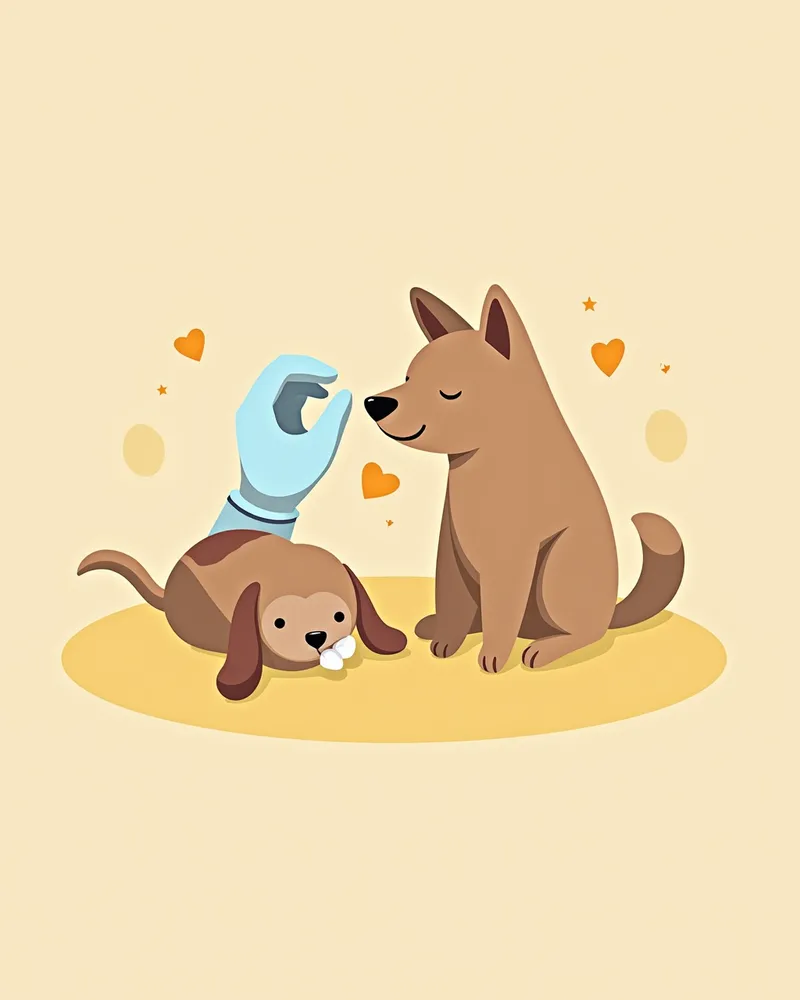
Comparing Anal Gland Care Methods: Veterinarian vs. Owner-Performed Care
| Item | Veterinary Care | Owner Self-Care |
|---|---|---|
| Safety | Very High | Low |
| Accuracy | High | Low |
| Discomfort | Low | High |
| Recommendation | Recommended | Not recommended |
Owner self-care requires specialized knowledge and skill, and improper handling can cause injury or infection. Professional veterinary care is the safest and most effective method.
Points to Note During Anal Gland Care
Signs Requiring Immediate Veterinary Visit
If your dog’s anal sacs become swollen, if they repeatedly scratch at their hind legs or drag their rear end along the floor, or if they show signs of pain during defecation, seek veterinary care immediately. These symptoms may indicate an infection or abscess. Additionally, if significant bleeding or swelling occurs after anal sac expression, a veterinary examination is necessary.
The Relationship Between Anal Gland Care and Diet
Anal Gland Care Tips and Practical Application
Reviewed by a veterinarian

Dr. Tony — Punnawat Phongkittirak
VeterinarianA veterinarian who majored in veterinary medicine at Khon Kaen University, Thailand, and completed the IVSA program at North Carolina State University in the United States. Drawing on clinical experience at animal hospitals, he works in the pet healthcare field and is dedicated to building a digital care environment that connects pet parents with veterinarians.
Reviewed 2026-06-29
Frequently Asked Questions
How often should anal gland care be performed?
Can I express the anal glands myself?
What should I do if the odor worsens after anal gland care?
Does anal gland management cause pain?
What kind of food can help with anal gland care?
Share
Related Guides
Top Recommendations and Selection Criteria for Cat FIV and FeLV Testing
Top Microchip Implantation Management Recommendations for Dogs and Key Selection Criteria
Complete Guide to Choosing, Comparing, and Managing the Best Heartworm Preventives for Dogs
Home Blood Glucose Monitoring for Dogs — Device Recommendations and Measurement Guide
Feline Injection-Site Sarcoma — Vaccination and Site Selection Guide
My Dog Collapsed Suddenly — Emergency Shock Signs and Survival Prognosis for Splenic Hemangiosarcoma
Symptoms and First Aid Guide for Cat Tea Tree Oil Exposure — 24-Hour Golden Time Checklist
Risk of Bowel Obstruction and Emergency Signs When a Dog Swallows a Corn Cob
How to Read Your Dog’s BUN and Creatinine Levels — Interpreting Kidney Test Results
Canine Separation Anxiety: Is Medication Necessary? — Key Points on Medical Diagnosis and Pharmacological Treatment
References
[1] BSAVA Manual of Canine and Feline Dermatology, 4th Ed. BSAVA Publications, 2020.
[2] The Veterinary Workbook of Small Animal Clinical Cases. Wiley-Blackwell, 2018.
[3] Clinical Medicine of the Dog and Cat, 4th Ed. Elsevier, 2021.