Like
Share
멍실장
강아지 강박장애 원인과 행동 교정·치료 방법 완벽 가이드

What is Canine Compulsive Disorder? — From Causes to Behavioral Modification and Treatment Timing

Brain & CognitionQ&AMeongsiljang Veterinary Advisory Board

We’ve compiled a veterinary-evidence-based overview of canine compulsive disorder, covering causes, symptoms, behavioral modification techniques, and pharmacological treatments. Learn how to recognize early warning signs such as tail chasing, repetitive licking, and air snapping, and take prompt action.

What is Canine Compulsive Disorder?

A puppy exhibiting obsessive-compulsive disorder symptoms by repeatedly chasing its tail
Canine Compulsive Disorder is a behavioral condition in which dogs are unable to stop repeating certain behaviors, making daily life difficult. The most important thing to understand is that this is not a bad habit, but rather a neurological issue in the brain. Common signs include tail chasing, repetitive licking, snapping at the air, and spinning in circles. With early intervention combining behavior modification and medication, significant improvement is possible.

Causes of Canine Compulsive Disorder

These are the main causes of canine compulsive disorder.
Stress and frustration: Repeated conflict situations can solidify into compulsive behaviors.
Social isolation: The frequency of occurrence is high when dogs are left alone for too long or lack proper socialization.
Genetic predisposition: Certain breeds have higher incidence rates, such as Doberman Pinschers (flank shaking) and Bull Terriers (chasing their tails).
Neurological causes: Abnormalities in the brain's serotonin and dopamine systems are involved.

Checklist of Common Symptoms of Canine Compulsive Disorder

If these symptoms recur and are difficult to stop even when interrupted, consider the possibility of compulsive disorder.
Tail chasing: The dog chases its own tail in circles and cannot stop.
Repetitive licking: Excessive licking of a specific paw or leg, leading to skin erosion.
Air snapping: Repeatedly snapping at empty air.
Circling: Walking in continuous circles without rest.
Repetitive water drinking: Continuously lapping at water even when not thirsty.
A puppy’s paw with skin damage from repetitive licking

Seek Veterinary Care Immediately in These Cases

If your pet exhibits compulsive behaviors multiple times a day, fails to stop when called, or licks and scratches to the point of self-harm—resulting in raw, bleeding skin—seek veterinary care immediately. These symptoms may indicate an underlying neurological disorder or a secondary skin infection.

How is the Diagnosis Made?

A diagnosis of obsessive-compulsive disorder isn't made based on symptoms alone. First, the veterinarian will rule out physical causes such as skin infections, neurological abnormalities, or pain. During the behavioral history, we carefully assess when the behavior started, under what circumstances it occurs, and whether it can be interrupted with distraction. If necessary, blood tests and imaging studies (CT or MRI) may also be performed.

Behavior Modification Techniques

The key to behavior modification is reducing stressors and increasing positive stimuli.
Environmental enrichment: Boost mental stimulation with puzzle toys, nose work, and ample walks.
Desensitization and counterconditioning: Gradually shift your pet’s emotional response to triggers that provoke compulsive behaviors toward a positive one. This method pairs the trigger with a high-value reward to change the underlying reaction.
Reinforcing alternative behaviors: Teach and reward desirable behaviors that are incompatible with the compulsive act, such as lying down on a mat.
Redirecting attention: Distract your pet with a toy or treat at the very onset of the behavior.
Avoid punishment, scolding, or suppressing the behavior, as these methods can heighten anxiety and backfire.
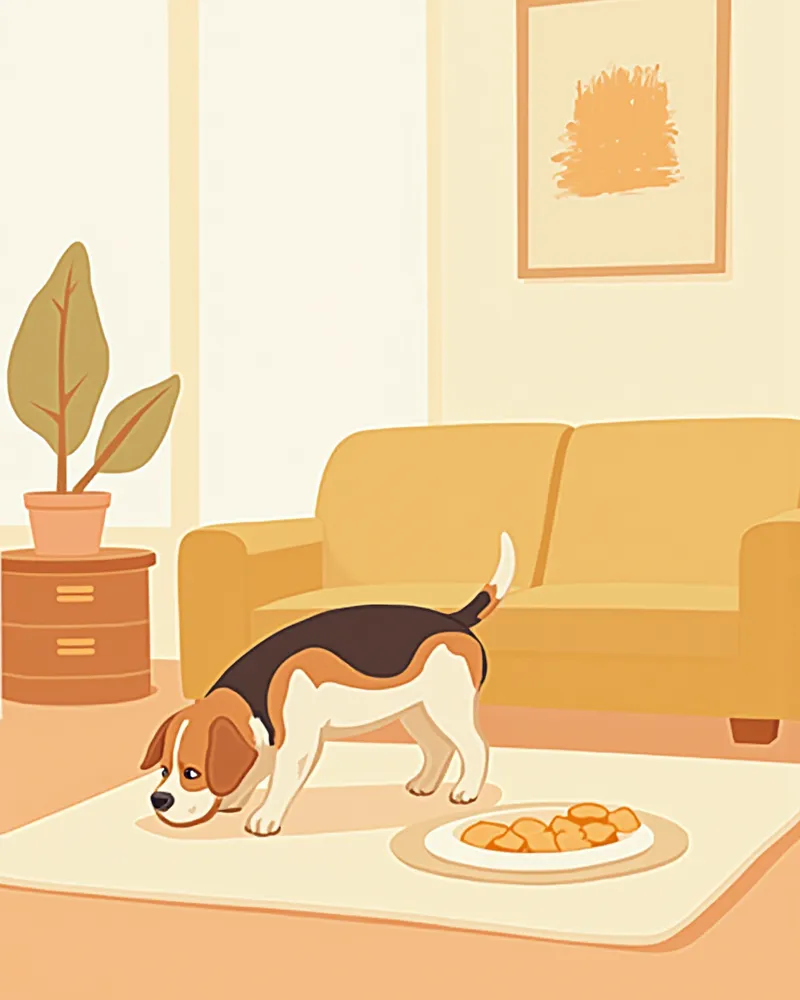
Helping to Correct the Behavior of Dogs with Obsessive-Compulsive Disorder Through Nosework

Pharmacological Treatment — When and How?

When behavior modification alone isn’t enough, medication is often used alongside it. The most commonly prescribed drugs for compulsive disorders in dogs are selective serotonin reuptake inhibitors (SSRIs), such as fluoxetine, paroxetine, and sertraline. These medications work by blocking the reabsorption of serotonin, which helps reduce compulsive urges. Tricyclic antidepressants (TCAs) like clomipramine may also be used for similar purposes. Your veterinarian will determine the appropriate dosage and schedule based on your dog’s weight and symptoms. It usually takes at least 3 to 4 weeks after starting medication before you notice improvements in behavior, and combining medication with behavior modification tends to yield much better results. Stopping the medication without consulting your vet can lead to relapse.

Key Points to Know About Pharmacological Treatment

Administering human antidepressants to pets without a veterinarian’s prescription can be dangerous. While SSRIs are relatively safe, they may cause side effects such as vomiting, diarrhea, restlessness, and lethargy. Overdosing can be even more hazardous. Always use these medications strictly under veterinary guidance, and contact your veterinarian immediately if any adverse reactions occur.

Management Tips to Consistently Practice at Home
Consistent routine: Keep meal, walk, and play times consistent to reduce anxiety triggers.
Sufficient exercise: Walk your pet at least twice a day to help them burn off energy.
Manage alone time: If separation anxiety is the cause, begin gradual training to help them get used to being alone.
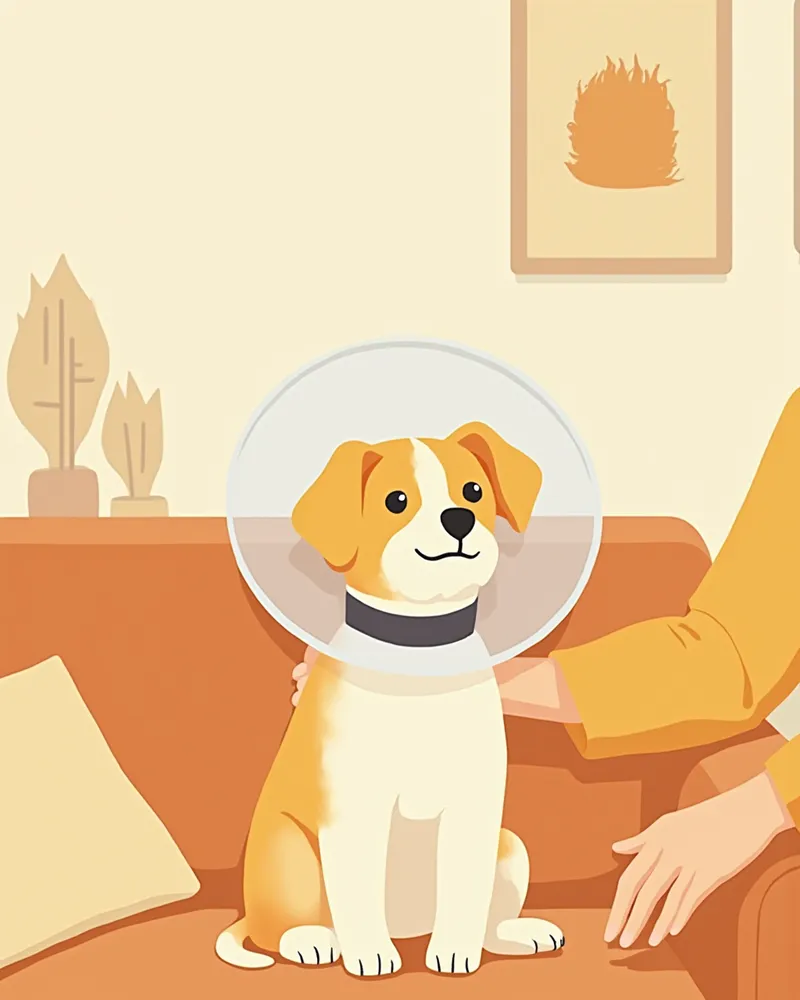
Prevent self-harm: If excessive licking is causing skin damage, consider using a protective wrap or an Elizabethan collar.
Behavioral modification takes time and doesn’t happen overnight. Consistency is key.
A dog wearing a neck collar and resting comfortably

Reviewed by a veterinarian

Dr. Tony — Punnawat Phongkittirak

Dr. Tony — Punnawat Phongkittirak

Veterinarian

A veterinarian who majored in veterinary medicine at Khon Kaen University, Thailand, and completed the IVSA program at North Carolina State University in the United States. Drawing on clinical experience at animal hospitals, he works in the pet healthcare field and is dedicated to building a digital care environment that connects pet parents with veterinarians.

Frequently Asked Questions

Can a dog’s compulsive disorder resolve on its own?
It rarely resolves on its own. Early environmental enrichment and behavior modification are essential to prevent the problem from becoming entrenched, as leaving it untreated will likely cause it to worsen.
Which breeds are more prone to obsessive-compulsive disorder?
These behaviors are commonly reported in Doberman Pinschers (side-to-side shaking), Bull Terriers (chasing their tail), German Shepherds (chasing their tail), and Labrador Retrievers (repetitive licking). For these breeds, early socialization and a rich, stimulating environment are especially important.
How can you tell the difference between compulsive behavior and simple boredom?
Boredom-related behaviors stop immediately when you provide stimulation, like a walk or a toy. The key difference with compulsive behaviors is that they are difficult to interrupt, even with engaging distractions, and the behavior continues despite being called.
Does medication need to be continued for life?
It depends on the case. If behavioral modification is progressing well, your veterinarian may recommend reducing or discontinuing the medication. However, stopping it on your own can increase the risk of relapse, so it’s important to consult with your vet first.
Should you scold a dog with obsessive-compulsive disorder?
Never scold your pet. Compulsive behaviors are not intentional misbehaviors. Scolding can increase stress and anxiety, potentially worsening the compulsive behaviors. Seeking help from a veterinary behavior specialist is far more effective.

Share

Related Guides

References

[1] Landsberg, G., Hunthausen, W., and Ackerman, L. (2013). Behavior Problems of the Dog and Cat, 3e. Saunders Elsevier.

[2] Hewson, C.J., Luescher, U.A., and Ball, R.O. (1999). The use of chance-corrected agreement to diagnose canine compulsive disorder: an approach to behavioral diagnosis in the absence of a Gold Standard. Can. J. Vet. Res. 63(3): 201–206.

[3] Denerolle, P., White, S.D., Taylor, T.S., and Vandenabeele, S.I.J. (2007). Organic diseases mimicking acral lick dermatitis in six dogs. J. Am. Anim. Hosp. Assoc. 43(4): 215–220.

[4] Overall, K.L. and Dunham, A.E. (2002). Clinical features and outcome in dogs and cats with obsessive-compulsive disorder: 126 cases (1989–2000). J. Am. Vet. Med. Assoc. 221(10): 1445–1452.

This information is based on veterinary literature and does not replace diagnosis or treatment. Please consult a veterinarian for specific health concerns.

Metapet Co., Ltd. | CEO: Park Sung-yong | Business Reg. No. 417-88-02562 | Seoul, South Korea | Customer Center

Canine Compulsive Disorder: Causes, Behavior & Treatment | Meongsiljang