Like
Share
멍실장
강아지 심실 빈맥 자주 묻는 질문 Q&A — 보호자가 꼭 알아야 할 핵심

What Is Ventricular Tachycardia in Dogs? — Warning Signs of Collapse and Sudden Death, and How to Respond

HeartQ&AMeongsiljang Veterinary Advisory Board

Ventricular tachycardia in dogs is a dangerous arrhythmia caused by abnormal electrical signals in the heart. We’ve compiled the key information pet owners need to know in a Q&A format.

What Is Ventricular Tachycardia in Dogs?

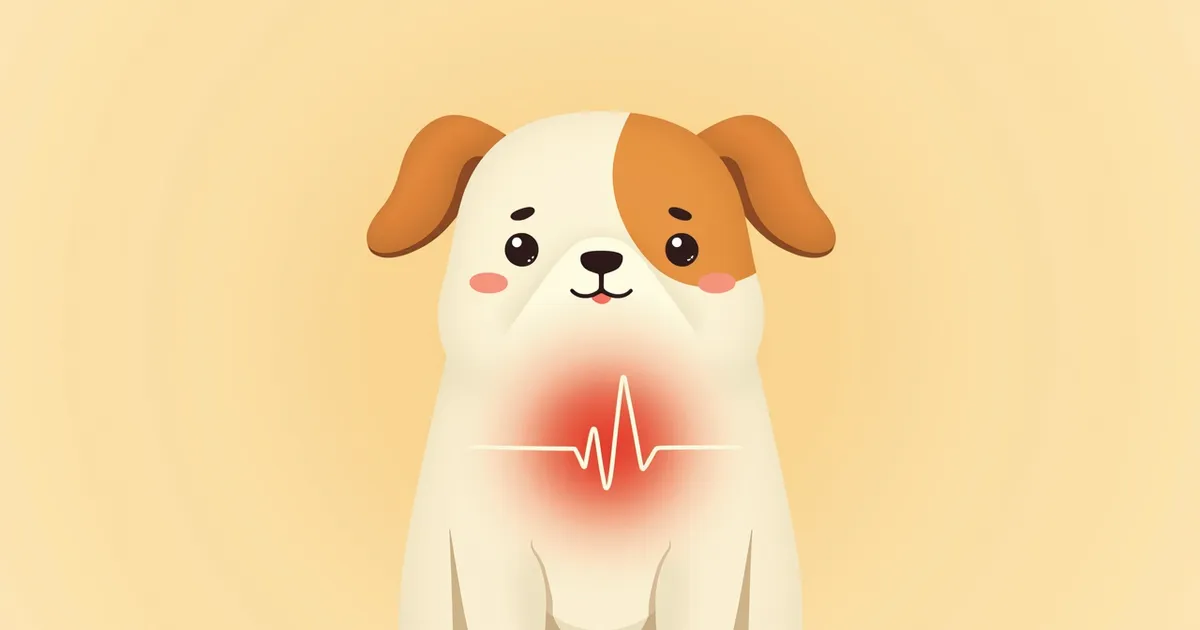
An image visualizing rapid heartbeats caused by ventricular tachycardia
Ventricular tachycardia in dogs is a type of arrhythmia where abnormal electrical signals originate in the heart's lower chambers, causing a sudden and rapid increase in heart rate. When this occurs, the heart cannot pump blood effectively, leading to reduced blood flow and insufficient oxygen supply to the brain and other organs, which can result in serious complications. This condition typically presents with a heart rhythm that is significantly faster and more irregular than normal, and it can occur suddenly. Due to the risk of progressing to cardiac arrest, immediate diagnosis and treatment are essential. Since this condition can be life-threatening, it is crucial to visit a veterinary clinic without delay if symptoms appear.

What Are the Main Causes of Ventricular Tachycardia?
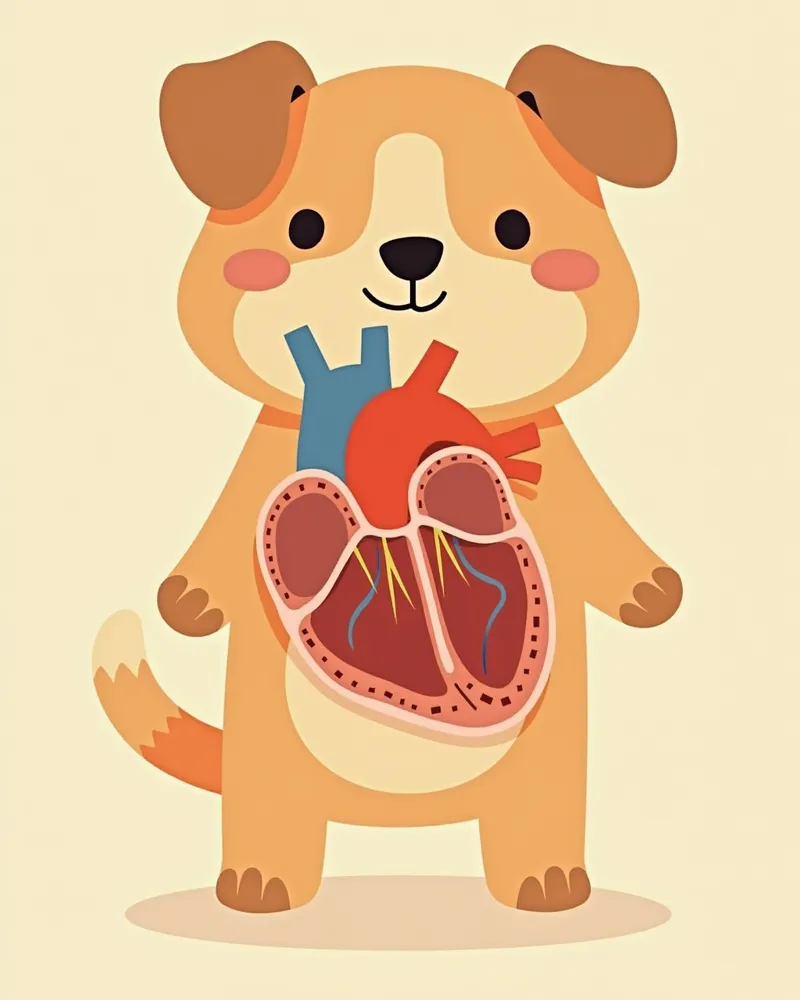
Ventricular tachycardia can stem from structural heart abnormalities, electrical conduction system defects, genetic factors, or complications of other cardiac diseases. - Genetic factors: Certain breeds, such as Boxers, Doberman Pinschers, and English Bulldogs, are frequently affected by hereditary cardiomyopathies (arrhythmogenic right ventricular cardiomyopathy and dilated cardiomyopathy) that predispose them to arrhythmias. - Complications of heart disease: Conditions like myocarditis, infiltrative heart disease, and cardiomyopathy can be underlying causes. - Internal and systemic factors: Systemic issues such as hypoxemia, electrolyte imbalances (hypokalemia), acid-base disturbances, and pheochromocytoma can also trigger ventricular tachycardia. - The importance of diagnosis: Accurately identifying the underlying cause is the first step toward effective treatment. - Treatment approach: Depending on the cause, tailored therapies such as medication or catheter ablation can be implemented.
An anatomical diagram of the heart illustrating the abnormal electrical signals associated with ventricular tachycardia

What Are the Main Symptoms of Ventricular Tachycardia?

The main symptoms of ventricular tachycardia in dogs include sudden shock, collapse, difficulty breathing, severe lethargy, and a sensation of a rapid heartbeat. - Sudden collapse: Your dog may suddenly be unable to use its legs or lose consciousness. - Difficulty breathing: You may notice panting or breathing with an open mouth. - Lethargy: Unlike usual behavior, your dog may not move and refuse to eat. - Changes in heart rhythm: You might feel the heart beating faster or notice an irregular rhythm. - Immediate action required: If symptoms recur or appear suddenly, it is essential to visit a vet immediately.
The moment a dog collapses due to ventricular tachycardia

Signs That Require Immediate Veterinary Visit

If your dog suddenly collapses or is panting heavily and appears to be in a life-threatening condition, you should go to the hospital immediately. Ventricular tachycardia can lead to cardiac arrest, so do not delay even for a minute and seek emergency treatment right away. This condition is a life-threatening emergency.

How Is It Diagnosed?
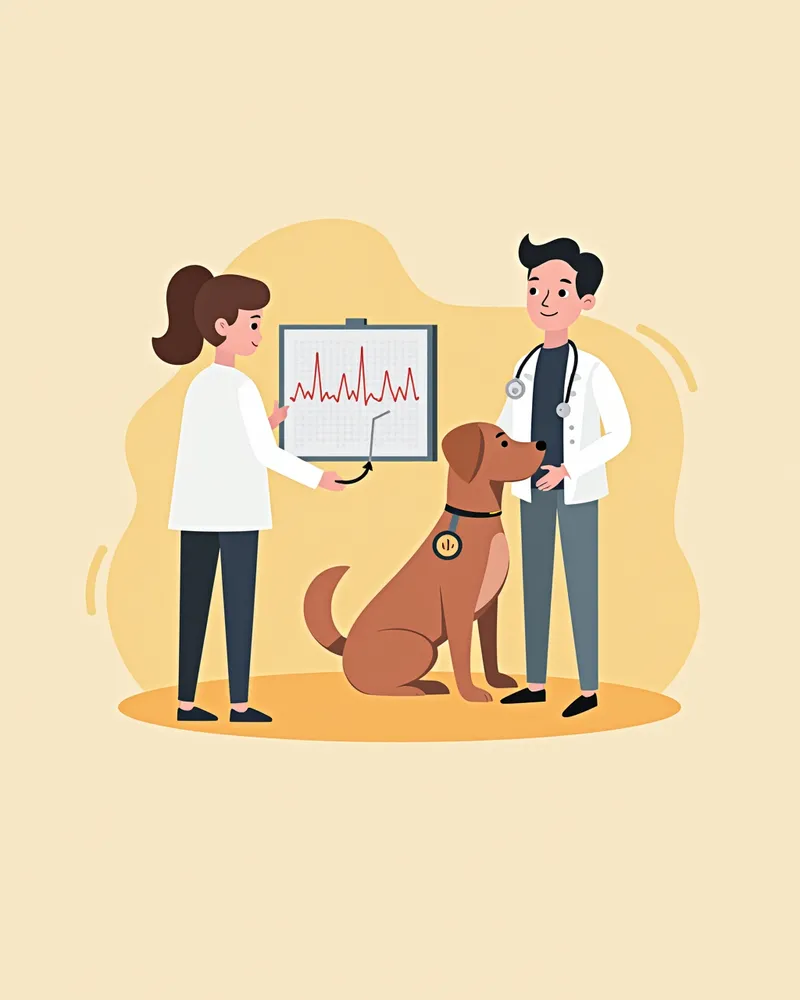
Ventricular tachycardia can be accurately diagnosed through an electrocardiogram (ECG). - Electrocardiogram (ECG): This test records the heart’s electrical signals in real time to identify abnormal rhythms. - 24-hour monitoring: A Holter monitor allows for continuous observation of heart rate variations during daily activities. - Echocardiogram: This ultrasound-based cardiac exam evaluates the heart’s structure and function, helping to determine the underlying cause. - Comprehensive diagnosis: A precise diagnosis is reached by integrating clinical symptoms with test results. - Foundation for treatment: An accurate diagnosis is essential for developing an effective treatment plan.
A puppy undergoing an electrocardiogram (ECG) test.

How Is It Treated?

Treatment for ventricular tachycardia depends on the underlying cause and severity. - Medication: Antiarrhythmic drugs such as sotalol, mexiletine, atenolol (a beta-blocker), and amiodarone help stabilize the heart rhythm. - Catheter ablation: In some cases where medication alone is insufficient, catheter ablation may be attempted as a long-term treatment option. - Defibrillation and intensive care: In emergencies involving sustained ventricular tachycardia or a high risk of cardiac arrest, defibrillation and close monitoring may be necessary. - Individualized treatment: Your veterinarian will prescribe medications and dosages tailored to your pet’s weight, condition, and underlying cause. - Ongoing management: After treatment, regular ECG and Holter monitoring, along with consistent medication management, remain essential.
A dog with an implanted cardiac rhythm regulator

Home Care Points

Dogs with ventricular tachycardia need to have their stress minimized. - Environmental management: Provide a quiet, calm space. - Activity management: Avoid excessive exercise; allow only moderate walks. - Medication management: Administer medications at the correct times, avoiding missed or double doses. - Symptom monitoring: Contact your veterinarian immediately if you notice signs such as a rapid heart rate or collapse. - Regular check-ups: Continue periodic veterinary visits to monitor your dog’s condition even after treatment begins.
A stable home environment for a puppy with ventricular tachycardia

Comparison of Ventricular Tachycardia Treatments

ItemApplication SituationSpeed of EffectSide Effects
Medication (antiarrhythmic drugs)Mild to moderateMediumMild to moderate
Catheter (electrode catheter) ablationWhen drug response is insufficientSlow (long-term)Medium
DefibrillationFor sustained ventricular tachycardia / cardiac arrestImmediateHigh

The choice of treatment is decided by the veterinarian based on a comprehensive assessment of cardiac condition and overall health.

Reviewed by a veterinarian

Dr. Tony — Punnawat Phongkittirak

Dr. Tony — Punnawat Phongkittirak

Veterinarian

A veterinarian who majored in veterinary medicine at Khon Kaen University, Thailand, and completed the IVSA program at North Carolina State University in the United States. Drawing on clinical experience at animal hospitals, he works in the pet healthcare field and is dedicated to building a digital care environment that connects pet parents with veterinarians.

Frequently Asked Questions

Is ventricular tachycardia treatable?
Ventricular tachycardia can be managed based on its underlying cause. Antiarrhythmic medications may be used to stabilize the heart rhythm, and in some cases, catheter ablation can be attempted. However, rather than achieving a complete cure, the focus is often on controlling the arrhythmia through ongoing management, which requires regular veterinary check-ups.
Can ventricular tachycardia be genetic?
Yes, ventricular tachycardia has been reported in Boxers, Doberman Pinschers, and English Bulldogs, particularly in association with hereditary cardiomyopathies such as arrhythmogenic right ventricular cardiomyopathy and dilated cardiomyopathy. If there is a family history, early screening is important.
My dog has ventricular tachycardia. Is it safe for him to go for walks?
Walking is fine, but you should avoid excessive exercise. Stick to the activity level recommended by your veterinarian, and have your pet rest immediately if you notice their heart rate increasing.
Do dogs with ventricular tachycardia need to take medication for life?
Antiarrhythmic therapy is usually required long-term. Once the heart rhythm stabilizes, your veterinarian may adjust the dosage as needed, but you should never stop the medication on your own. Since some drugs can potentially worsen arrhythmias, it’s essential to follow your veterinarian’s instructions closely.
Can ventricular tachycardia cause sudden death?
Yes, ventricular tachycardia can lead to cardiac arrest. The risk is especially high when the heart rhythm is very irregular or rapid. Immediate emergency treatment can save your pet’s life.

Share

Related Guides

References

[1] Small Animal Critical Care Medicine, 3rd Ed, 2023

[2] Plumb's Veterinary Drug Handbook, 9th Ed, 2022

[3] American College of Veterinary Internal Medicine (ACVIM) Consensus Statement on Canine Arrhythmias, 2021

This information is based on veterinary literature and does not replace diagnosis or treatment. Please consult a veterinarian for specific health concerns.

Metapet Co., Ltd. | CEO: Park Sung-yong | Business Reg. No. 417-88-02562 | Seoul, South Korea | Customer Center

What Is Ventricular Tachycardia in Dogs? Signs & Response | Meongsiljang