Like
Share
멍실장
고양이 구개 파열 자주 묻는 질문 Q&A — 보호자가 꼭 알아야 할 핵심

Frequently Asked Questions About Cleft Palate in Cats — Key Information for Pet Owners

Oral HealthQ&AMeongsiljang Veterinary Advisory Board

Cleft palate in cats is a congenital structural abnormality that can significantly impact feeding and breathing. Here’s a summary of the key information pet owners should know.

Cleft Palate in Cats Is a Congenital Malformation Where the Palate Fails to Close Properly at Birth

Detailed image of the oral anatomy in a kitten with a cleft palate
- Cleft palate: This is a congenital defect in which the roof of the mouth (the palate) fails to close completely, leaving an opening between the nasal and oral cavities. As a result, food and liquid can enter the nasal passages, and breathing may be compromised. - Food regurgitation: During meals, food may spray out of the nostrils, and the cat may experience repeated coughing or vomiting. - Malnutrition: Because normal feeding is difficult, weight gain may be delayed or the kitten may become weak and underdeveloped. - Respiratory issues: Abnormal airflow through the nose can occur, and the cat may be prone to frequent respiratory tract infections. - Life-threatening risk: Due to the high risks of malnutrition and aspiration pneumonia, early detection and proper management are essential.

The Main Causes of Cleft Palate Are Genetic Factors and Developmental Abnormalities During the Fetal Period
- Genetic factors: Cleft palate is associated with recessive or incompletely dominant polygenic hereditary predispositions, making it more commonly reported in cats with a family history or in certain breeds. In fact, the incidence of this congenital malformation varies significantly by breed (for example, some studies report rates of approximately 6% in Devon Rexes and up to 31% in Tonkinese). - Developmental abnormalities: The palate closes when the palatine shelves fully fuse around days 25–28 of gestation; incomplete fusion results in a cleft palate. - Environmental (non-genetic) factors: Maternal nutritional deficiencies during pregnancy (such as taurine deficiency), certain medications (such as griseofulvin), intrauterine viral infections, and excessive hyperthermia (high-temperature environments) can also cause this malformation. - Need for genetic counseling: If there is a family history or if malformations recur within the same litter, it is advisable to consult with a veterinarian before breeding to carefully assess the risks. - Importance of early detection: Examine the mouth immediately after birth to check for a cleft palate; early management can significantly improve survival rates and quality of life.
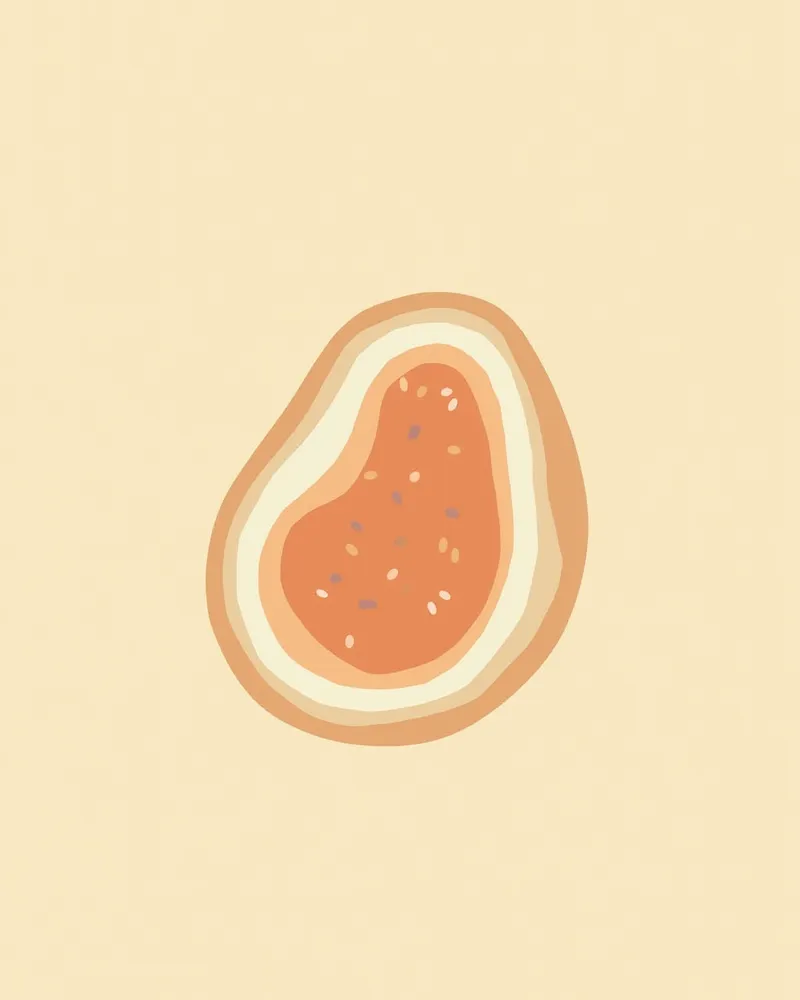
An anatomical illustration showing the process of palate formation in a feline fetus.

The Main Symptoms of Cleft Palate Manifest in Feeding and Breathing

- Food leakage: Food may come out of the nose during meals, and coughing or vomiting may occur repeatedly. - Delayed weight gain: Due to difficulty eating properly, weight gain may be slow or the pet may become weak. - Breathing abnormalities: Airflow through the nose may be irregular, and there may be unusual sounds when breathing. - Recurrent airway infections: Food entering the airways can lead to frequent pneumonia or airway infections. - Behavioral changes: It may take longer to eat, and the pet may appear tired after meals. - Early intervention is necessary: If symptoms appear, it is essential to visit a veterinary clinic immediately.
A cat with food spraying out of its nose

Signs Requiring Immediate Veterinary Visit

If food frequently comes out of the nose, or if your pet is not gaining weight and becoming weak, consult a veterinarian immediately. Early intervention is crucial as there is a high risk of malnutrition and pneumonia, which can significantly improve survival rates.

Diagnosis Is Conducted Through Visual Examination and Auxiliary Imaging Tests

- Initial Diagnosis: Cleft palate is usually confirmed through a visual examination of the mouth. - Endoscopic Examination: This is used to accurately assess the back of the palate and its connection to the airway and esophagus. - Radiographic Imaging: X-rays or CT scans help identify complex deformities and abnormalities in bone structure. - Accurate Assessment: Multiple tests should be performed together to ensure an accurate pre-surgical evaluation. - Treatment Planning: Since the surgical approach varies depending on the severity and location of the deformity, precise diagnosis is essential.
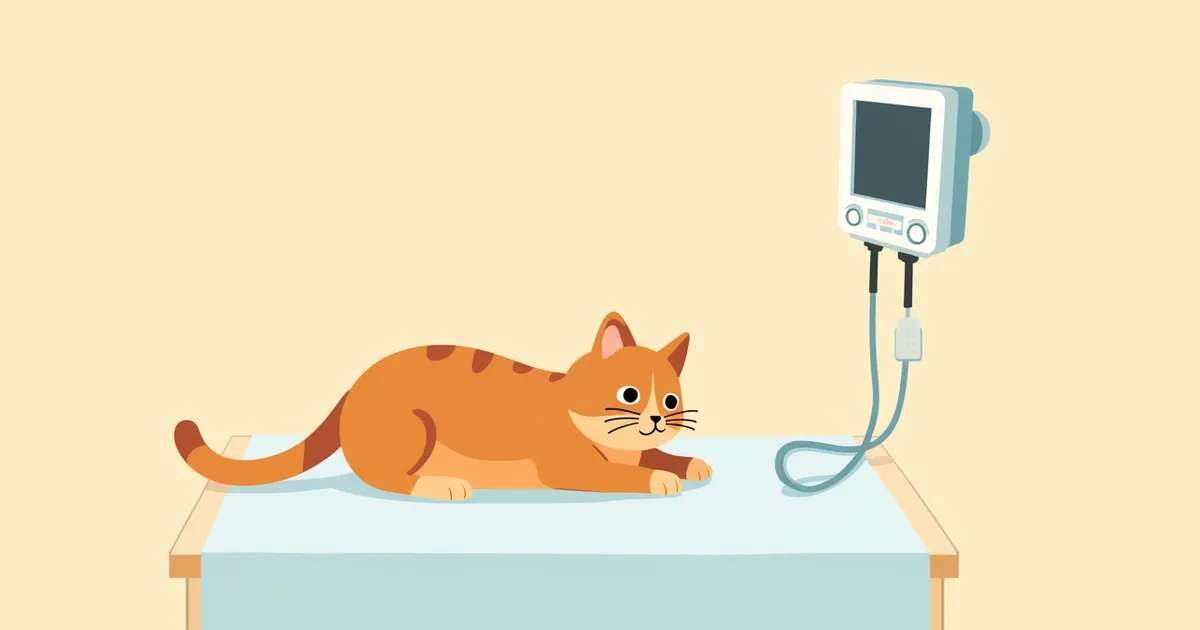
A cat undergoing a CT scan to diagnose a cleft palate

Treatment Centers on Surgery to Close the Palate

- Surgical Treatment: The primary treatment for cleft palate is surgery to close the opening. A technique using overlapping flaps, which minimizes tension on the sutures, is commonly recommended. - Timing of Surgery: Surgery is typically performed at 3 to 4 months of age. Performing it too early may require multiple procedures due to subsequent facial growth. - Preoperative Preparation: To prevent aspiration pneumonia, nutritional status should be improved through methods such as tube feeding, and preoperative tests are necessary to reduce the risk of infection. - Postoperative Care: Adjust feeding methods to prevent food from contacting the surgical site, and closely monitor for signs of infection. - Preventing Recurrence: Regular postoperative check-ups are essential to monitor healing and detect any complications early.
A kitten undergoing cleft palate surgery

Comparison of Step-by-Step Management for Cleft Palate Treatment

ItemMain ResponsePrecautions
Early managementSafe feeding such as tube feeding to avoid aspirationObserve for signs of aspiration pneumonia after nursing/feeding
Before surgerySet weight-gain goalsPrevent infection and airway aspiration
After surgeryProvide soft foodMonitor the surgical site for infection

Pre- and post-operative care greatly affects the success rate. Regular check-ups with your veterinarian are necessary.

Postoperative Precautions

For 1–2 weeks after surgery, be careful to prevent food from coming into contact with the surgical site. If coughing or fever develops, seek veterinary care immediately. Infection can necessitate additional surgery, so meticulous postoperative care is essential.

Reviewed by a veterinarian

Dr. Tony — Punnawat Phongkittirak

Dr. Tony — Punnawat Phongkittirak

Veterinarian

A veterinarian who majored in veterinary medicine at Khon Kaen University, Thailand, and completed the IVSA program at North Carolina State University in the United States. Drawing on clinical experience at animal hospitals, he works in the pet healthcare field and is dedicated to building a digital care environment that connects pet parents with veterinarians.

Frequently Asked Questions

Can cleft palate in cats heal naturally as they grow?
Most cases do not heal on their own and require surgery to restore normal anatomy. However, some congenital cleft palates may partially close naturally as the animal grows, so veterinarians monitor the condition to determine the optimal timing for surgery. Early diagnosis and management significantly impact survival and quality of life.
Can cats with cleft palate receive vaccinations?
Yes, vaccinations are possible. However, since immunity can weaken before and after surgery, you should consult with your veterinarian to adjust the schedule accordingly.
How much does cleft palate surgery cost?
Surgical costs vary depending on the clinic and location, but typically range from $1,000 to $2,000. Whether insurance covers the procedure depends on the specific insurance provider.
Can a cat with a cleft palate be raised with other cats?
It’s possible, but you’ll need to keep a close eye on them to make sure other cats don’t steal their food or act aggressively. It’s best to start socialization training early on.
Will a cat with a cleft palate have a shorter lifespan?
With surgery and proper care, there’s no significant difference in life expectancy. The key is good nutrition and infection control.

Share

Related Guides

References

[1] Foster J, et al. (2018) Congenital cleft palate in cats: clinical presentation and management. Journal of Feline Medicine and Surgery, 20(5), 412–419.

[2] Plumb's Veterinary Drug Handbook, 9th ed. (2022). Wiley-Blackwell. Chapter on congenital anomalies in cats.

[3] American Veterinary Medical Association. (2021). Guide to congenital disorders in companion animals. AVMA Publications.

This information is based on veterinary literature and does not replace diagnosis or treatment. Please consult a veterinarian for specific health concerns.

Metapet Co., Ltd. | CEO: Park Sung-yong | Business Reg. No. 417-88-02562 | Seoul, South Korea | Customer Center

Feline Palatal Cleft: 5 Frequently Asked Questions | Meongsiljang