
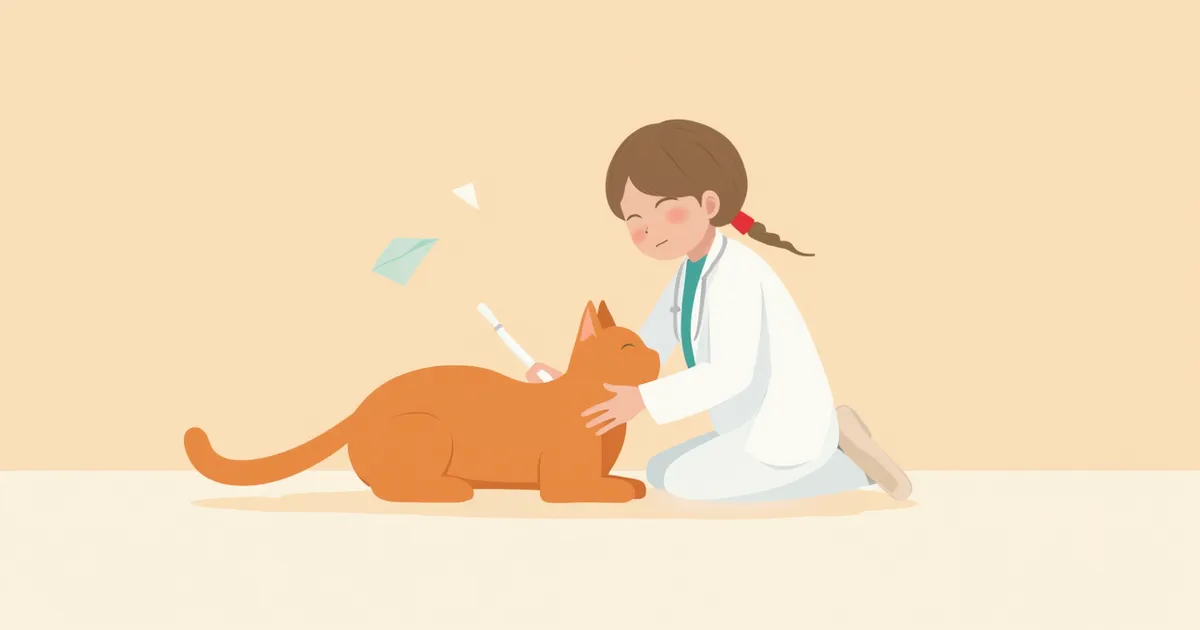
Symptoms and Treatment of Thyroid Nodules and Tumors
Thyroid nodules are lumps that form in the thyroid gland located at the front of the neck, and they are often associated with hormonal imbalances. Early detection can significantly improve the prognosis, so be sure to monitor any changes in your pet’s weight, appetite, and activity level.
What Are Thyroid Nodules?

Causes and At-Risk Pets
Differences Between Dogs and Cats
| Item | Dog | Cat |
|---|---|---|
| Malignancy rate | Relatively high malignancy (cancer) rate | Only <10% malignant |
| Main symptoms | Neck mass·cough·respiratory distress | Weight loss·increased appetite·hyperactivity |
| Hormone changes | Mostly normal levels | Excess thyroid hormone |
| First treatment | Surgical excision preferred | Medication·radioactive iodine |
| Prognosis | Prolonged survival with early detection | Very good treatment response |
General trends based on the 2024 veterinary internal medicine textbook
Symptoms to Watch For

Signs Requiring Immediate Veterinary Care
If you notice any of the following symptoms, take your pet to a veterinarian within one to two days. Left untreated, these signs can lead to heart disease, high blood pressure, or kidney damage. - A lump on the neck that is growing rapidly or feels firm - Difficulty breathing and persistent coughing - Weight loss of more than 10% within a month - Restlessness and new-onset aggression (in cats) - A rapid or irregular heartbeat
How Is It Diagnosed?

Four Treatment Options
Key Monitoring During Treatment
Once medication begins, a blood test is performed after one month, and then every four to six months thereafter to monitor total T4 (tT4) hormone levels, complete blood count (CBC), biochemistry, and urinalysis, while also tracking liver and kidney values, weight, and symptom improvement. Most cats tolerate methimazole or carbimazole well with minimal side effects, but because some may develop abnormalities, regular monitoring of blood cell counts and biochemistry is essential. If normal thyroid levels are not achieved despite treatment or if symptoms recur, radioactive iodine therapy or surgical intervention is recommended to rule out the possibility of thyroid cancer.
Home Care Tips
Reviewed by a veterinarian

Dr. Tony — Punnawat Phongkittirak
VeterinarianA veterinarian who majored in veterinary medicine at Khon Kaen University, Thailand, and completed the IVSA program at North Carolina State University in the United States. Drawing on clinical experience at animal hospitals, he works in the pet healthcare field and is dedicated to building a digital care environment that connects pet parents with veterinarians.
Reviewed 2026-04-23
Frequently Asked Questions
Does a lump on the neck always mean cancer?
Is radioactive iodine therapy safe?
How much does the medication cost?
Will the condition not recur after a single treatment?
Why are treatments for dogs and cats different?
Share
Related Guides

Chitosan Effects and Obesity/Fat Absorption
Top 5 Weight-Management Dog Food Recommendations for 2026

7 Best Cat Weight-Loss Diets Recommended by Veterinarians and How to Choose

Dog Chronic Cough Differential Diagnosis FAQ — Key Points Pet Owners Must Know

Canine Influenza FAQ — Key Information Every Pet Owner Must Know

Frequently Asked Questions About Canine Bronchoscopy — Key Information Every Pet Owner Should Know

Dog Bordetella Respiratory Infection FAQ — Key Information Every Pet Owner Should Know

Frequently Asked Questions (Q&A) on Surgical Correction for Brachycephalic Dogs — Key Information for Pet Owners

Feline Viral Upper Respiratory Infections FAQ — Key Information Every Owner Must Know

Cat Sleep Respiratory Rate (RR) Monitoring Heart FAQ — Key Points for Pet Owners
References
[1] The Cat, Clinical Medicine and Management, 2nd Edition - Feline Hyperthyroidism Chapter
[2] Textbook of Cardiovascular Medicine in Dogs and Cats - Feline Hyperthyroidism
[3] Peterson ME, Kintzer PP, Hurvitz AI. Methimazole treatment of 262 cats with hyperthyroidism. J Vet Intern Med. 1988;2:150
[4] 100 Top Consultations in Small Animal General Practice - Hyperthyroidism Chapter