
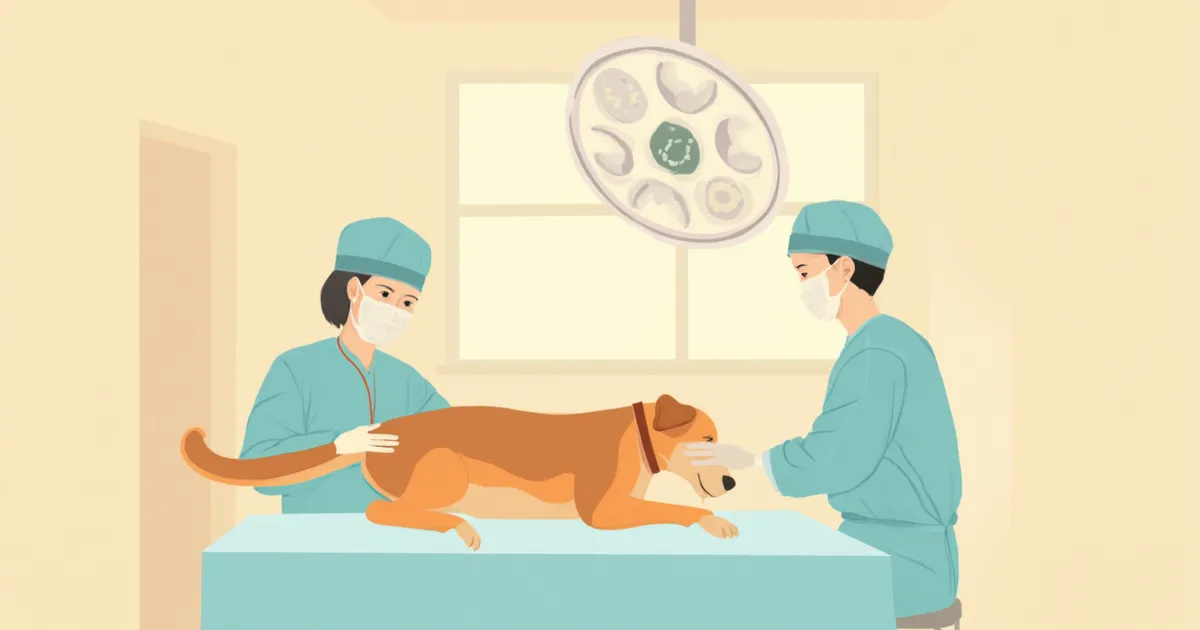
Gastric Dilatation-Volvulus (GDV) Surgical Process
Here’s a step-by-step explanation of the entire surgical process for gastric dilatation-volvulus (GDV). From emergency diagnosis to gastropexy and recovery, we’ve included all the essential information pet owners need to know.
What is GDV Surgery?

Emergency Treatment Comes First Before Surgery
Time Required for Each Step of GDV Surgery
| Item | Time Required | Main Content |
|---|---|---|
| Emergency Stabilization | 30 minutes–1 hour | Fluids, gas decompression, testing |
| Anesthesia Induction | 15–20 minutes | Premedication, intubation |
| Gastric Repositioning | 30–60 minutes | Return the twisted stomach to position |
| Tissue Assessment | 15–30 minutes | Check for gastric wall and splenic necrosis |
| Gastropexy | 20–40 minutes | Fix the stomach to the abdominal wall |
| Recovery Monitoring | 24–48 hours or more | Intensive ICU care |
Depending on the dog's condition, the total surgery time takes about 2–4 hours.
What Happens During the Surgery
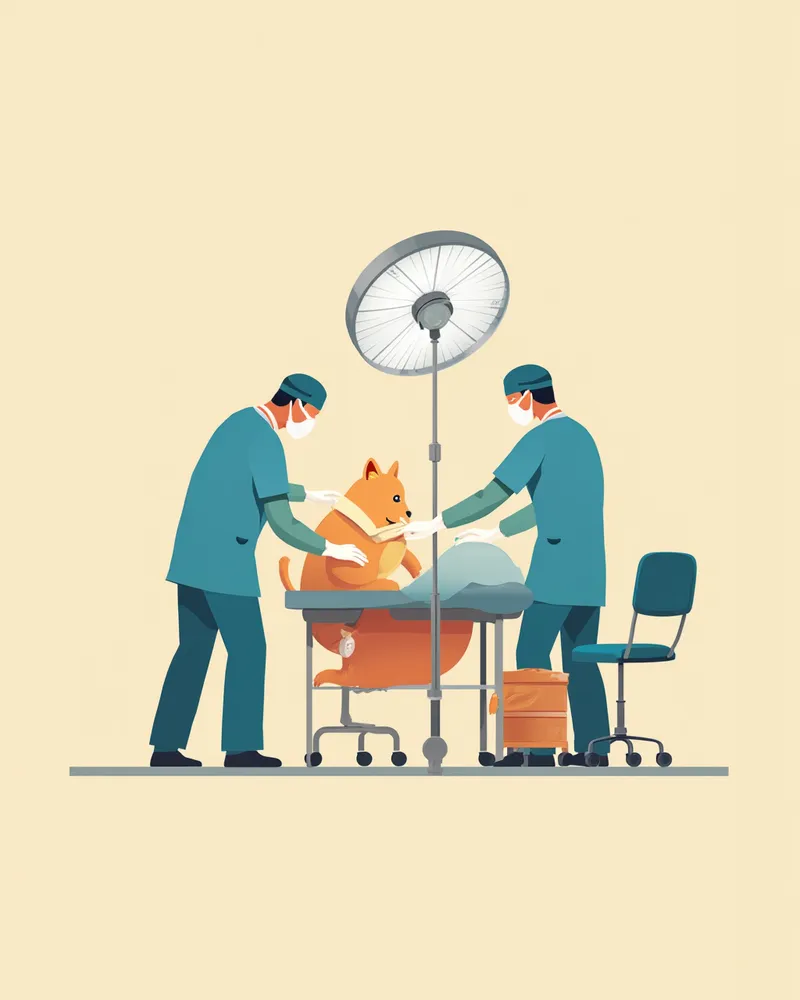
The Most Critical Moment During Surgery
In cases of GDV, cardiac arrhythmias are very common before and after surgery. Particularly around the time the twisted stomach is returned to its normal position, serious arrhythmias can occur, making this the most critical moment requiring close attention. Therefore, continuous heart monitoring is essential during surgery and for 24 to 48 hours postoperatively. Additionally, electrolyte imbalances such as hypokalemia and hypomagnesemia, which can worsen arrhythmias, must be identified and corrected. Veterinarians keep medications ready in advance to promptly manage any arrhythmias that may arise.
How Does Post-Surgical Recovery Progress?
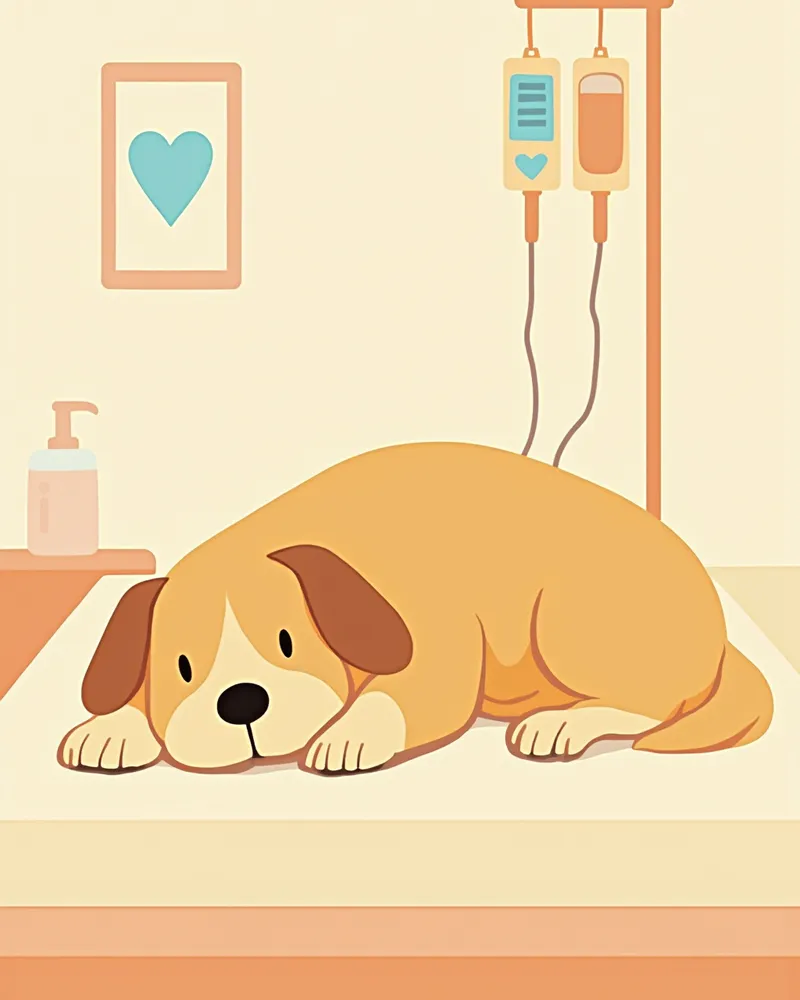
Post-Surgical Care Points
Be Sure to Know the Surgical Costs and Prognosis
GDV surgery is a major procedure that encompasses emergency care, anesthesia, and intensive care. The cost and recovery time can vary significantly depending on the veterinary clinic and your dog’s condition. According to veterinary textbooks, the overall mortality rate for GDV is reported to be approximately 10–27%. In other words, while many dogs recover with appropriate treatment, this is by no means a minor surgery. It is well known that the prognosis worsens if treatment is delayed beyond six hours after symptoms appear. Therefore, it is important to identify a trusted 24-hour emergency animal hospital in advance.
Reviewed by a veterinarian

Dr. Tony — Punnawat Phongkittirak
VeterinarianA veterinarian who majored in veterinary medicine at Khon Kaen University, Thailand, and completed the IVSA program at North Carolina State University in the United States. Drawing on clinical experience at animal hospitals, he works in the pet healthcare field and is dedicated to building a digital care environment that connects pet parents with veterinarians.
Reviewed 2026-04-26
Frequently Asked Questions
Can't we just relieve the gas instead of performing surgery for GDV?
Does surgery guarantee that the condition won’t come back?
When can my pet start going for walks after surgery?
Can senior dogs undergo surgery?
Is there also a preventive gastropexy?
Share
Related Guides

My Senior Cat Won’t Eat — A Complete Guide to Choosing Food for Cats with Weak Digestion

Top 5 Prescription Diets for Feline Pancreatitis Recommended by Veterinarians — Low-Fat, Highly Digestible Food Guide

Royal Canin vs Hill’s vs Purina vs Orijen — Which Brand Is Right for Your Pet, According to Veterinarians?
My Dog’s Heart Is Beating Irregularly — Causes of Atrial Fibrillation and When to Seek Veterinary Care
Why Do Dogs Need Antiarrhythmic Medications? — Essential Q&A on Drug Types and Side Effects

What is Feline Taurine-Deficient Cardiomyopathy? — Dietary Management and Recovery Potential

When to Use Pimobendan in Cats and Its Effects — Dosage and Side Effects

What Are Feline Cardiac Markers NT-proBNP and Troponin? — How to Interpret the Results
Is the Cat Diuretic (Furosemide) Safe? — A Summary of Effects, Side Effects, and Precautions

Feline Cardiac Ultrasound (Echo): Is It Necessary? — What the Test Reveals and Costs
References
[1] Fossum TW, Preoperative and intraoperative care of the surgical patient, Small Animal Surgery 3rd ed., Elsevier, 2007
[2] Small Animal Anesthesia and Pain Management: A Color Handbook, 3rd Edition
[3] Hosgood G, Scholl DT, Evaluation of age as a risk factor for perianesthetic morbidity and mortality in the dog, J Vet Emerg Crit Care, 1998;8(3):222-36
[4] Glickman LT et al., Incidence of and breed-related risk factors for gastric dilatation-volvulus in dogs, J Am Vet Med Assoc, 2000