
Like
Share
멍실장
고양이 NT-proBNP·트로포닌 심장 마커 자주 묻는 질문 Q&A — 보호자가 꼭 알아야 할 핵심

What Are Feline Cardiac Markers NT-proBNP and Troponin? — How to Interpret the Results

HeartQ&AMeongsiljang Veterinary Advisory Board

We’ve compiled the essential information every cat owner should know about NT-proBNP and troponin, two critical biomarkers for the early detection of feline heart disease.

What Are Feline Cardiac Markers NT-proBNP and Troponin?

A cat undergoing a cardiac marker test
- NT-proBNP: This is a marker that increases in the blood when the heart is stretched or under significant stress. It is particularly useful when suspecting cardiac hypertrophy or heart failure. - Troponin: This is a protein released when heart muscle cells are damaged. Levels rise in cases of acute injury, such as myocardial infarction or myocarditis. These two markers reflect different aspects of heart health: NT-proBNP indicates chronic cardiac stress, while troponin signals acute damage. Veterinarians evaluate both markers together to form a comprehensive assessment of heart function. Blood testing is essential for an accurate diagnosis.

When Is Testing Necessary?

If your cat is breathing rapidly, appears to be struggling for breath, or shows a sudden drop in activity level, testing is necessary. Unlike dogs, cats with heart failure rarely cough; instead, they typically exhibit rapid breathing or difficulty breathing. Because older cats frequently have underlying heart conditions, particularly hypertrophic cardiomyopathy, we recommend including heart screening during regular checkups. Cardiac marker tests help identify hidden cardiac stress at an early stage. If you notice even slight symptoms, please consult your veterinarian. However, a diagnosis is never made based on marker levels alone; it requires a comprehensive assessment combining physical exams and imaging studies. Your veterinarian will determine if additional tests are needed.
Senior cats suspected of having heart problems

What Is the Difference Between NT-proBNP and Troponin?
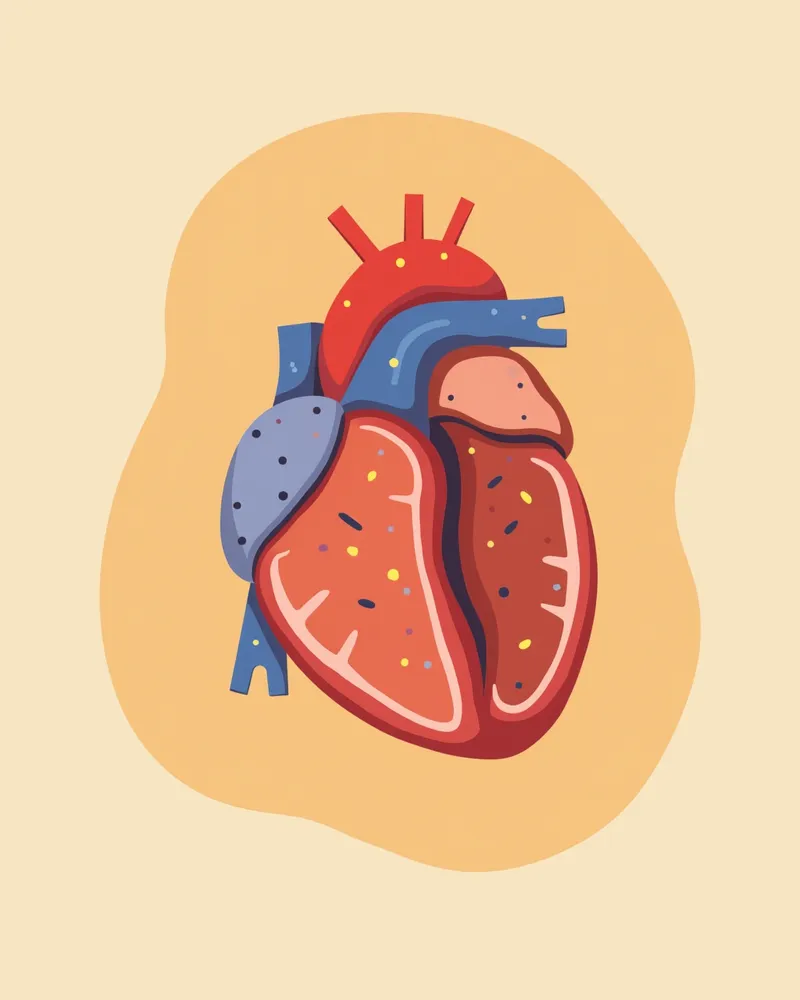
- NT-proBNP: This marker rises when the heart is under prolonged strain or becomes enlarged, serving as an early indicator of cardiac hypertrophy or heart failure. - Troponin: This protein is released immediately upon damage to the heart muscle and increases in acute conditions such as myocardial infarction or myocarditis. While NT-proBNP reflects chronic stress, troponin indicates acute injury. These two markers are complementary; measuring them together improves diagnostic accuracy. Veterinarians interpret the results in conjunction with each other, as evaluating them separately can lead to misinterpretation.
The difference in action between NT-proBNP and troponin

Does a High Result Always Mean Heart Disease?

A high result doesn’t necessarily mean your pet has heart disease. Other conditions like high blood pressure, kidney disease, dehydration, or infections can also elevate marker levels. In cats, symptoms are often subtle, making early detection difficult. That’s why we look at the overall health picture rather than relying on a single number. Your veterinarian will consider medical history, physical exams, and imaging tests to make a diagnosis. Even if the result is high, it doesn’t automatically mean heart disease. Additional testing may be needed.
A veterinarian analyzing heart marker test results

NT-proBNP and Troponin: Which Is More Important in Certain Cases?

ItemTest PurposeMain SymptomsSuitable Situations
NT-proBNPSuspected cardiac enlargement, heart failureRapid breathing, difficulty breathing, decreased activityOlder cats, during management of chronic disease
TroponinConfirming cardiac muscle damageSudden shock, abnormal heartbeatAcute symptoms, testing after trauma

Unlike dogs, cats rarely cough with heart failure and mainly present with difficulty breathing. The veterinarian makes a diagnosis by considering both markers together alongside the symptoms.

Tips for Interpreting Test Results

The interpretation of these results relies on specific numerical thresholds. In cats exhibiting dyspnea (difficulty breathing), an NT-proBNP level exceeding 270 pmol/L suggests that congestive heart failure is more likely the cause than a respiratory disease. For screening purposes, levels above 100 pmol/L may indicate underlying heart disease; one study reported a sensitivity of approximately 94% and a specificity of approximately 92% for this threshold. Troponin levels outside the normal range suggest myocardial injury, necessitating immediate monitoring. However, because testing methods and cutoff values vary across studies, direct comparison of these numbers can be difficult. Veterinarians interpret results by considering each cat’s age, weight, and underlying conditions, and they make comprehensive judgments by integrating biomarker data with clinical signs and imaging findings rather than relying on markers alone. Since professional judgment is essential for accurate interpretation, please discuss the results thoroughly with your veterinarian.
A veterinarian analyzing cardiac marker results

Signs That Require Immediate Veterinary Care

If your cat suddenly starts breathing rapidly, pants with its mouth open, or struggles to breathe, seek veterinary care immediately. Cats with heart failure often exhibit respiratory distress or rapid breathing rather than coughing. If a cat with elevated cardiac biomarkers suddenly develops severe breathing difficulties or shows signs of shock, emergency treatment is required.

Points to Note During Routine Health Checkups

Heart marker testing is recommended as part of your cat’s routine health checkup. Cats aged seven years and older should be tested at least once a year. Because heart disease often shows no early signs, early detection is crucial. The test involves a simple blood draw. Following your veterinarian’s recommendations ensures a safe and effective screening process. Early detection significantly improves treatment outcomes. Even healthy cats benefit from regular checkups to proactively assess potential risks.
Regular heart check-up schedule for cats

Reviewed by a veterinarian

Dr. Tony — Punnawat Phongkittirak

Dr. Tony — Punnawat Phongkittirak

Veterinarian

A veterinarian who majored in veterinary medicine at Khon Kaen University, Thailand, and completed the IVSA program at North Carolina State University in the United States. Drawing on clinical experience at animal hospitals, he works in the pet healthcare field and is dedicated to building a digital care environment that connects pet parents with veterinarians.

Frequently Asked Questions

Does the cardiac marker test cause any pain?
While there may be some slight discomfort during blood collection, the process is very brief and quick. Cats generally tolerate it well.
Does a high test result always mean medication is necessary?
A high result doesn’t mean medication is immediately necessary. Your veterinarian will first identify the underlying cause and, if needed, develop a treatment plan.
Should I get my cat checked even if they seem healthy?
Heart disease often shows no symptoms in its early stages. Even if your pet appears healthy, regular check-ups can help detect it early.
Are NT-proBNP and troponin the same test?
No, they are different biomarkers. NT-proBNP indicates cardiac workload, while troponin reflects damage to the heart muscle.
Does a normal test result mean there’s no heart disease?
If the results are normal, the likelihood of heart disease is low, but if symptoms develop, further testing will be necessary. Ongoing monitoring is important.

Share

Related Guides

References

[1] The Cat, Clinical Medicine and Management, 2nd Edition, 2022

[2] Textbook of Cardiovascular Medicine in Dogs and Cats, 2021

[3] Small Animal Critical Care Medicine, 3rd Ed, 2020

This information is based on veterinary literature and does not replace diagnosis or treatment. Please consult a veterinarian for specific health concerns.

Metapet Co., Ltd. | CEO: Park Sung-yong | Business Reg. No. 417-88-02562 | Seoul, South Korea | Customer Center

Feline Cardiac Markers NT-proBNP & Troponin: How to Read | Meongsiljang