Like
Share
멍실장
강아지 마이크로칩 삽입 자주 묻는 질문 Q&A — 보호자가 꼭 알아야 할 핵심

Dog Microchip Implantation FAQ — Key Information Every Owner Must Know

Lifestyle & Age CareQ&AMeongsiljang Veterinary Advisory Board

Microchip implantation in dogs is a preventive measure that greatly aids in locating them if they go missing. Here’s a summary of the essential information every pet owner should know.

Microchip Implantation Is Essential for Finding Lost Dogs
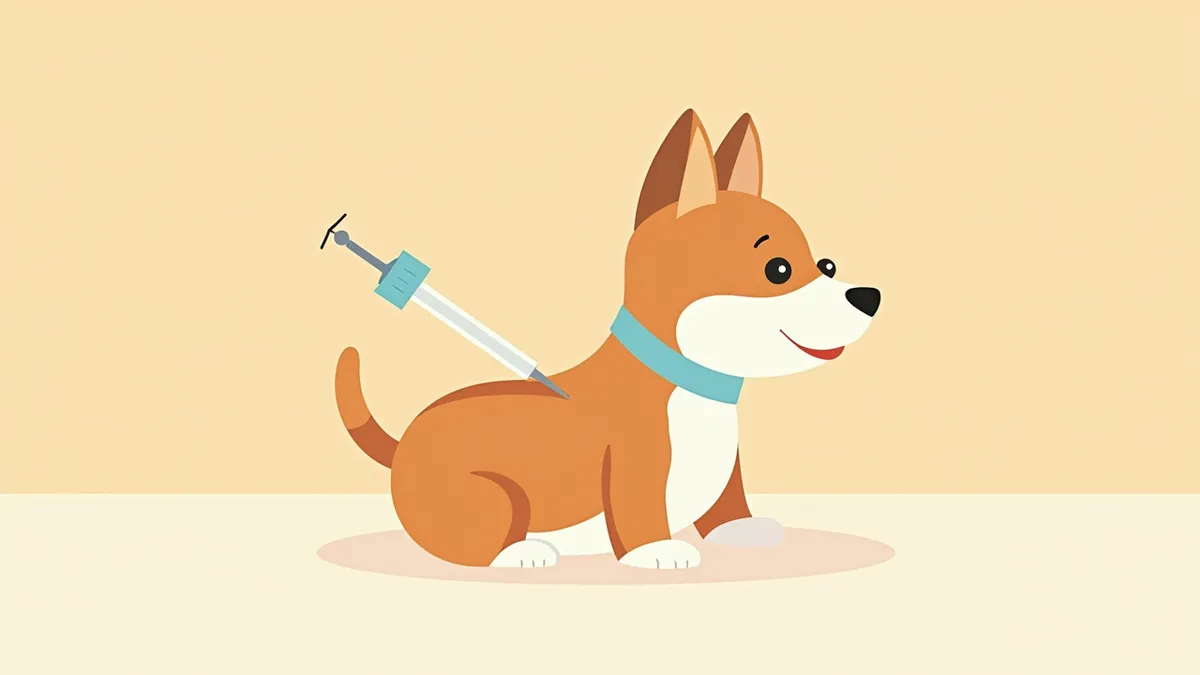
A veterinarian inserting a microchip behind a puppy's neck.
Microchipping is a key preventive measure that helps reunite lost dogs with their owners quickly. The microchip is a small device designed specifically for pets, implanted under the skin. It can be read with a dedicated scanner, and the registered information is stored in a nationwide database. If a lost dog is found and taken to a veterinary clinic or shelter, the information can be verified through a scan. This is one of the most fundamental and effective ways to ensure your pet's safety. However, it only provides real benefits if the chip is properly registered and regularly checked.

When and Where Should Microchip Implantation Be Performed?

Microchip implantation is generally recommended for puppies once they are at least eight weeks old, as this is the standard guideline in many countries. For convenience, you can have the procedure done at the same time as vaccinations or routine check-ups at the clinic. The standard insertion site is between the shoulder blades, which is also where veterinarians begin when scanning for the chip. The vet will use a sterile, single-use needle to place the microchip accurately, and the procedure is quick. Consistent placement makes it easier to locate the chip with a scanner later on. It’s also a good idea to verify the chip’s status with a scan after implantation.
An anatomical diagram showing the microchip insertion site at the back of a dog’s neck

Is Microchip Implantation Painful?

Microchip insertion involves placing the chip under the skin using a sterile, single-use needle, which may cause a brief moment of discomfort. While not entirely painless, the procedure is quick, and animal welfare organizations strongly recommend microchipping to help reduce the number of lost and abandoned pets. Because veterinarians perform the procedure swiftly, it generally causes minimal stress. Your pet may experience mild discomfort at the insertion site for a short time afterward, but this is typically a temporary reaction. Please monitor your pet’s behavior closely and contact your veterinarian if you notice any unusual changes.
A calm puppy during microchip insertion

How Are Microchips Read and Who Can Access the Information?

Microchips are read using a dedicated scanner, and the retrieved number is linked to a nationwide microchip registration system. The registered information includes the owner’s contact details, the pet’s name, and veterinary clinic information. If a lost dog is found, shelters or veterinary clinics can scan the chip to access this information. Only veterinarians, animal hospitals, and shelters have access to these records. When the information is retrieved, the owner is contacted, facilitating a quick reunion. Without registration, scanning the chip yields no information, so it is essential to register the microchip for it to be effective.
A scene showing a shelter staff member scanning the back of a puppy's neck.

Microchips Are Useless Without Registration

It’s essential to register your pet’s microchip after implantation. Without registration, scanning the chip won’t retrieve your contact information. Registration is simple and can be done at your veterinary clinic or through an online system.

What to Watch Out for After Microchip Implantation?

After the microchip is implanted, you may notice mild swelling or discomfort at the site for a short while. This is usually a temporary reaction, so there’s no need to worry. Try to prevent your pet from frequently touching or scratching the area, and keep an eye on any changes in behavior. If you observe severe swelling, bleeding, or a persistent fever, please contact your veterinarian. It’s important for the vet to scan the chip immediately after implantation to confirm that the number is being read correctly. During future visits, having the chip scanned can provide peace of mind that it’s functioning properly. Keep a close watch on your pet’s daily routine to ensure everything remains normal.
Your dog scratching its neck after microchip implantation

Comparison Table of Microchip Implantation Timing

ItemTimingRecommendationPrecautions
6–8 weeks of ageNot recommendedNot advisedThis is before 8 weeks of age, the recommended start time
8–12 weeks of ageRecommendedPossibleCan be done at the hospital along with vaccinations
Adult dog (6 months or older)Highly recommendedPossibleCan be done at the same time as a regular check-up

Microchip implantation is recommended from 8 weeks of age or older.

Do Microchips Last a Lifetime?

Microchips are passive RFID devices that don’t require a power source, so they can be used for a long time after implantation. They have no internal power source, won’t wear out or break down, and are encased in biocompatible glass, allowing them to remain stable within the body. Still, it’s a good idea to have the chip scanned during vet visits to ensure it’s being read properly. If it doesn’t scan in the standard location between the shoulder blades, the vet may widen the search area to the back or sides. While the chip itself lasts a long time, it’s essential to update registered information, such as contact details, whenever they change. This is key to reuniting quickly with your pet if they get lost.
Emphasizing the durability of microchips implanted under a dog's skin

Reviewed by a veterinarian

Dr. Tony — Punnawat Phongkittirak

Dr. Tony — Punnawat Phongkittirak

Veterinarian

A veterinarian who majored in veterinary medicine at Khon Kaen University, Thailand, and completed the IVSA program at North Carolina State University in the United States. Drawing on clinical experience at animal hospitals, he works in the pet healthcare field and is dedicated to building a digital care environment that connects pet parents with veterinarians.

Frequently Asked Questions

How much does it cost to have a microchip implanted?
Most clinics include the implantation cost in their fees, which typically amounts to around $40. There are no separate registration fees, or if there are, they are very low.
Can a microchip move?
While it typically remains in one location, it can occasionally shift from its standard position to another area. Therefore, during the scan, we begin between the shoulder blades and carefully examine the back and sides.
Are microchips affected by radiation?
Microchips are passive devices that do not have a power source. They remain inactive until a specialized scanner is brought near, at which point they transmit a signal. The chip is made of biocompatible materials that are safe and non-harmful to the body.
Can a microchip be removed?
We generally don’t recommend removing the chip unless it’s medically necessary. Since the chip is implanted under the skin, removal may require a separate procedure.
Should you avoid showing the chip when your dog encounters another dog?
No. The microchip is about the size of a grain of rice and is implanted under the skin, so it’s not visible from the outside and doesn’t change your pet’s appearance in any way.

Share

Related Guides

References

This information is based on veterinary literature and does not replace diagnosis or treatment. Please consult a veterinarian for specific health concerns.

Metapet Co., Ltd. | CEO: Park Sung-yong | Business Reg. No. 417-88-02562 | Seoul, South Korea | Customer Center

Dog Microchipping FAQ: 5 Things Every Owner Must Know | Meongsiljang