Like
Share
멍실장
강아지 실내 환경 안전점검 자주 묻는 질문 Q&A — 보호자가 꼭 알아야 할 핵심

Dog Indoor Safety Check FAQ — Key Points Owners Must Know

Lifestyle & Age CareQ&AMeongsiljang Veterinary Advisory Board

We’ve compiled the key safety checks and response measures to prevent indoor injuries and poisoning in dogs, presented in a frequently asked questions format.

Indoor Safety Checks for Dogs Are an Essential Responsibility for Owners
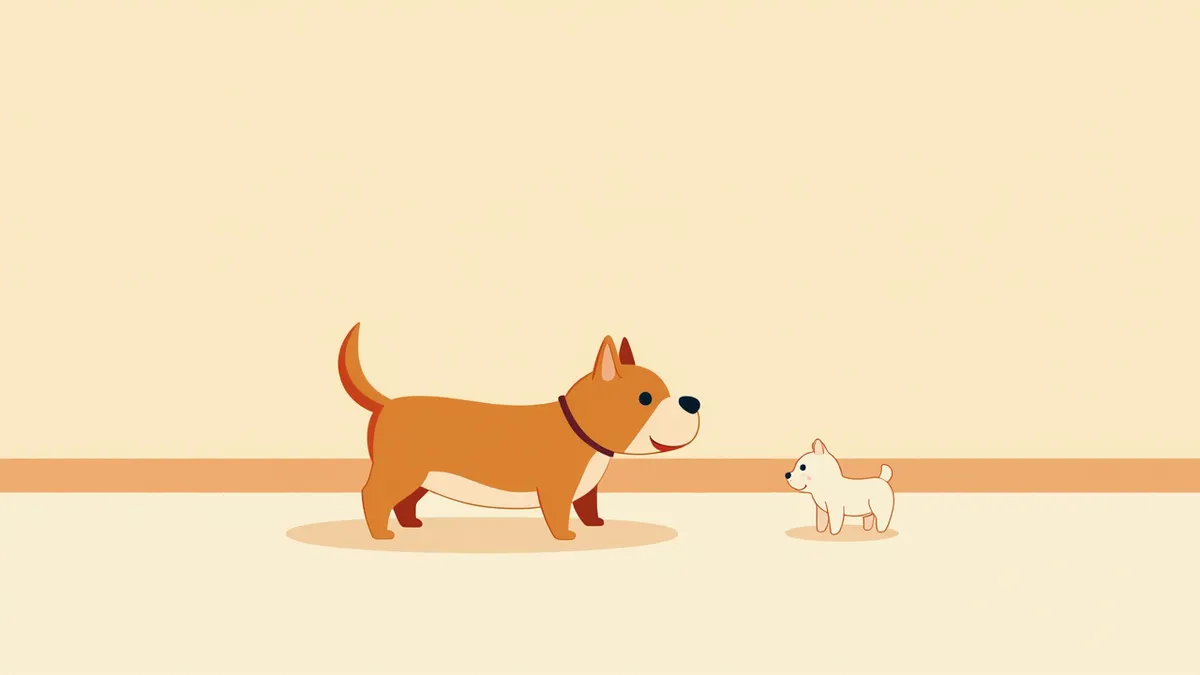
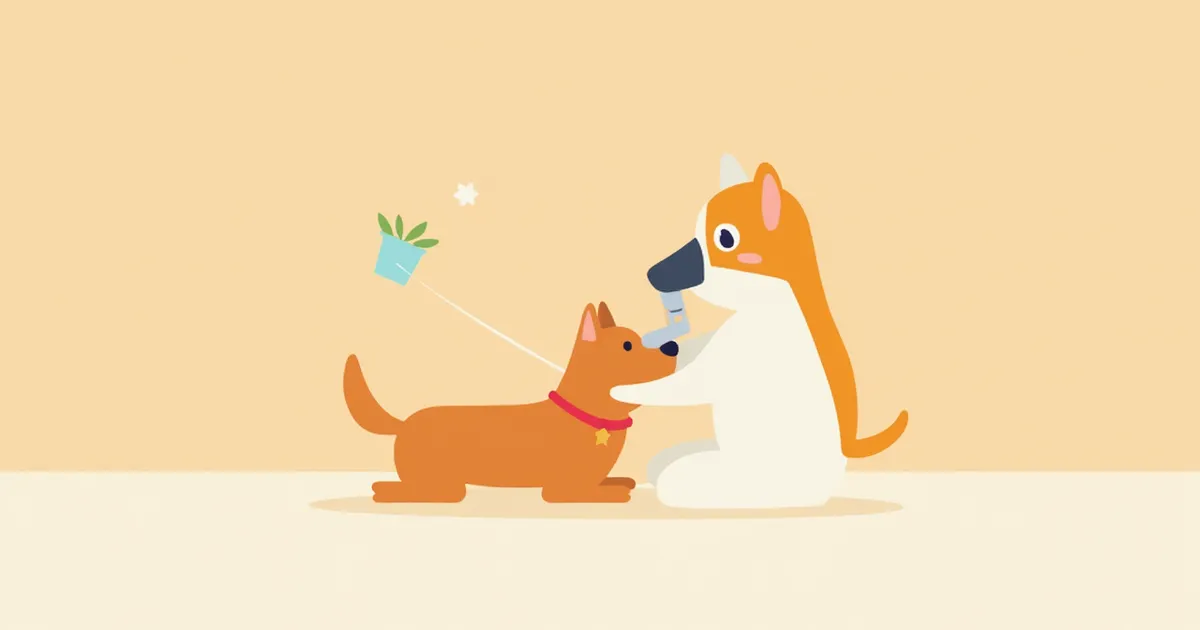
An image of a puppy playing safely in an indoor environment
Indoor safety checks for dogs are a preventive care method where owners carefully assess their surroundings when they notice changes in the home environment or their dog’s behavior. Since dogs are naturally curious and can easily get into small objects or hazardous items, it’s important to develop the habit of regularly checking your indoor space.
Organize electrical cords: Chewing or swallowing cords can lead to electric shocks and burns.
Store chemical products safely: Detergents, pesticides, and air fresheners can cause poisoning if your dog smells or ingests them.
Check plant safety: Some plants are toxic and can cause adverse reactions if eaten.
Pick up small objects: Items like clothesline clips, bottle caps, and rubber bands can cause intestinal blockages if swallowed.
By removing or restricting access to these hazards in advance, you can help keep your dog safe.

What Are the Common Hazards Dogs Encounter Indoors?
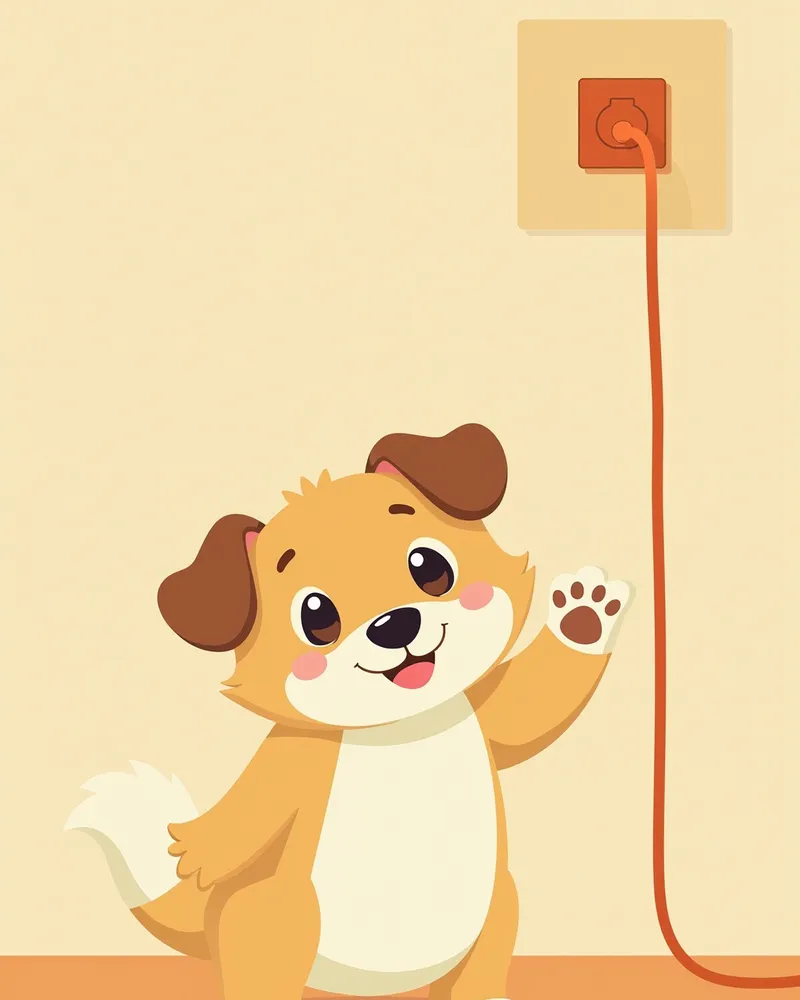
Common household hazards for dogs include electrical cords, chemical products, toxic plants, and small, swallowable objects. These items are often within easy reach of dogs, even when owners don’t intend for them to be.
Electrical cord exposure: Chewing or sucking on cords can be dangerous, so it’s best to prevent access in advance.
Inadequate storage of detergents and cleaners: If dogs rummage through cabinets or storage areas containing detergents or cleaning agents, they may show signs of poisoning such as drooling, nausea, vomiting, bloody vomit, and decreased appetite.
Toxic plants: Some indoor and outdoor plants can cause gastrointestinal symptoms like drooling, vomiting, diarrhea, and abdominal pain if dogs chew on the leaves or bulbs out of curiosity or boredom. In rare cases, difficulty breathing may also occur. Dogs tend to consume larger quantities than cats, which can lead to more severe symptoms.
Swallowing small objects: Items like rubber bands, bottle caps, and laundry drying rack hooks can be dangerous if swallowed, so keep them out of reach.
It’s important to remove or block access to these hazards in advance.
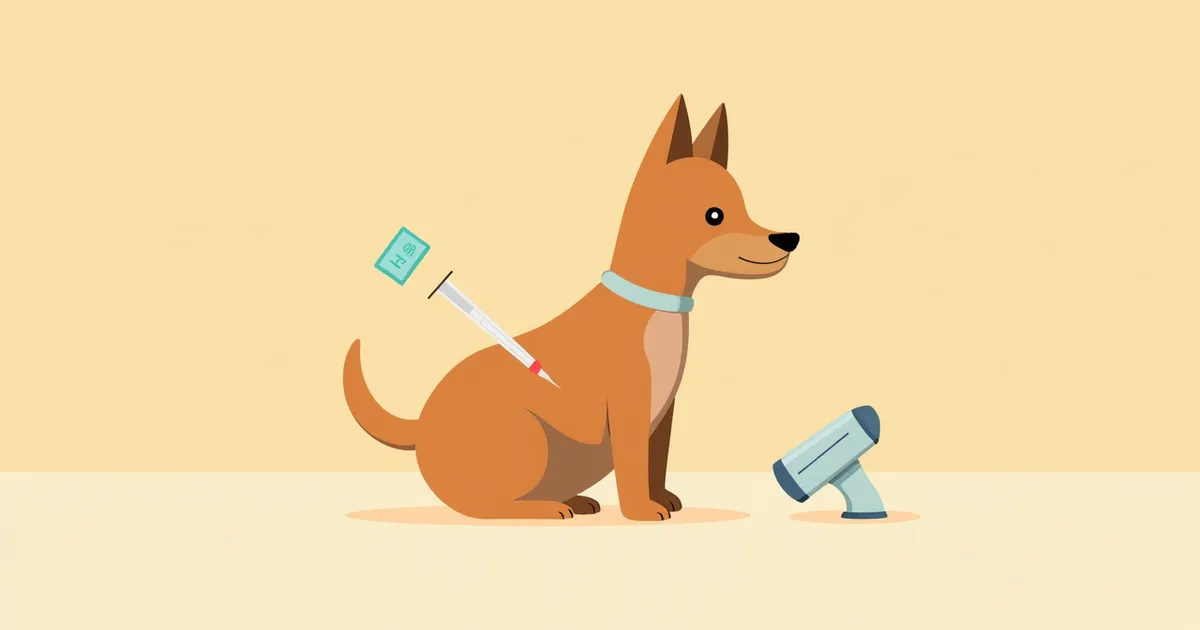
A puppy approaching an electrical cord, with a warning sign.

What Are the Main Substances That Can Poison Dogs?
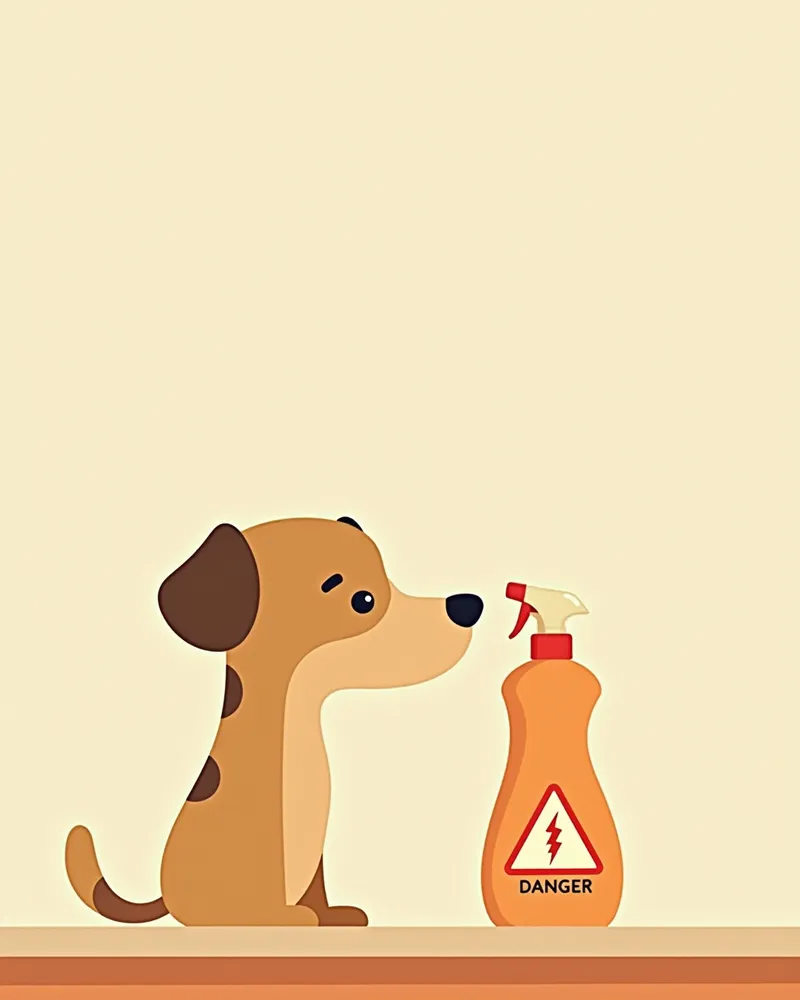
Common substances that can poison dogs include detergents, pesticides, air fresheners, medications, plants, and certain foods. These items are often within easy reach of dogs, even when owners don’t intend for them to be.
Detergents and Cleaning Products: Licking or ingesting laundry detergent, dishwasher liquid, or dish soap can cause drooling, vomiting, bloody vomit, loss of appetite, and lethargy. Accidental exposure to these household chemicals is the most common scenario.
Pesticides and Air Fresheners: Some pesticide and air freshener products can cause skin irritation, drooling, vomiting, coughing, and rapid breathing if they come into contact with the skin or are inhaled. Depending on the product, neurological symptoms may also occur.
Medications: Certain human medications, such as acetaminophen (paracetamol), are well-known toxins that can cause liver damage. Never give human medications to your dog without veterinary guidance.
Plants: Some plants can cause gastrointestinal symptoms like vomiting and diarrhea if ingested, and in rare cases, may lead to difficulty breathing.
Foods: Products containing xylitol can cause liver damage. Additionally, there are many human foods that are unsafe for dogs, so keep them stored out of reach.
Always store these substances in a safe, secure location where dogs cannot access them.
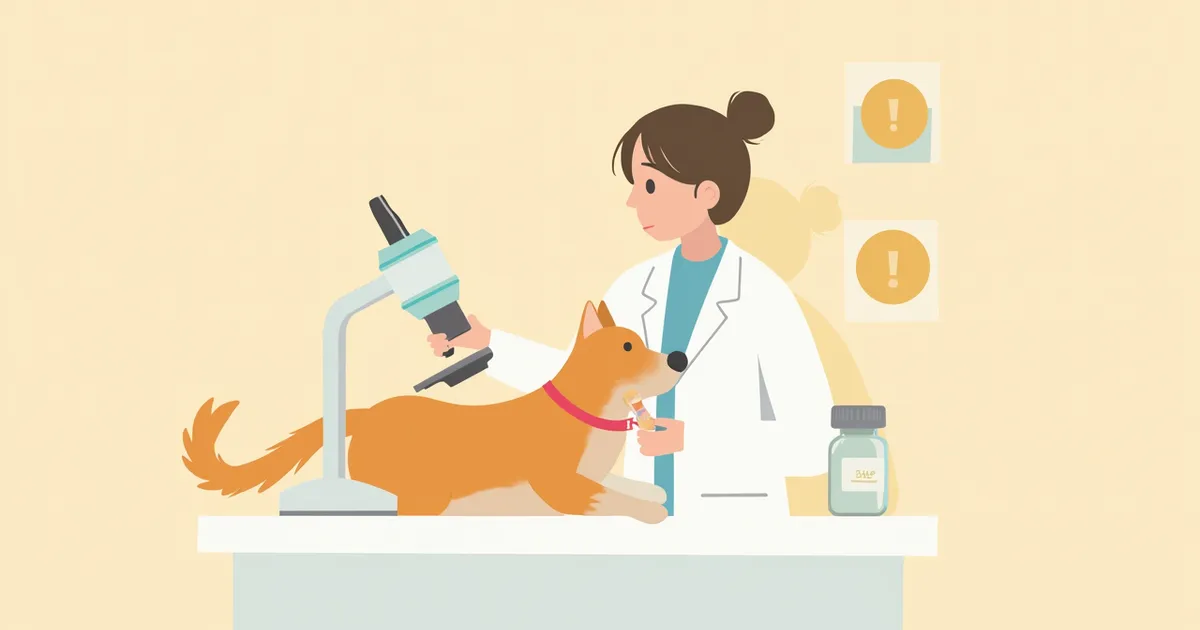
A puppy sniffing a cleaning product bottle, with a warning sign.

Comparison of Risk Levels and Response Measures for Dog Indoor Safety Check Items

ItemRisk LevelCountermeasurePrecautions
Electrical cordsHighUse cord covers or organize cablesVisit the hospital immediately if an electric shock occurs
Chemical productsVery highStore in a safe place and keep lids closedVisit the hospital immediately if poisoning occurs and monitor symptoms
Toxic plantsModerateReplace plants or place them in high locationsVisit the hospital immediately if ingested and monitor symptoms
Small objectsHighCollect them and use a storage containerX-ray imaging is needed if swallowed

Risk level is assessed based on likelihood of poisoning, likelihood of injury, and lethality.

What Are the Practical Tips for Indoor Safety Checks?
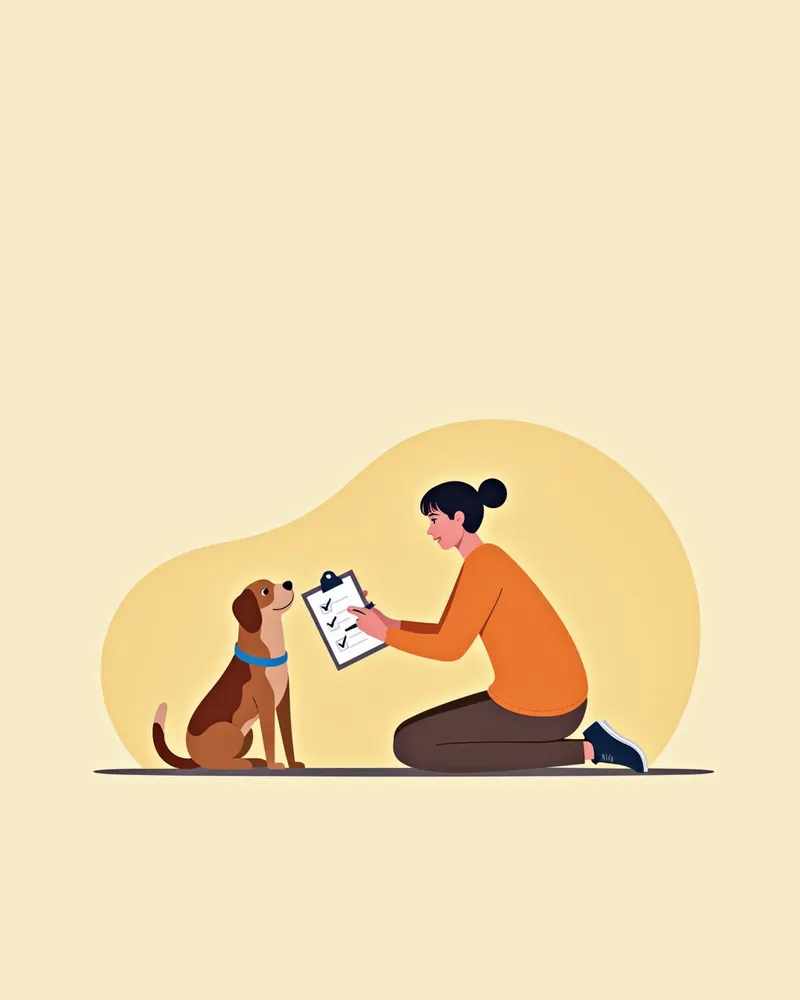
Here are some practical tips for conducting a home safety check: perform a regular inspection once a week and view your home from your dog’s eye level. Seeing things from your dog’s perspective is key.
Weekly Inspection: Check electrical cords, chemical products, and small objects every week.
Check from Your Dog’s Eye Level: It’s important to look at items at a height of 30–60 cm. Focus your inspection on areas within easy reach of your dog.
Use Storage Containers: Store chemical products and medications in secure, high-density containers kept away from high temperatures.
Replace Plants: Swap out toxic plants for safe, non-toxic alternatives.
Use Cord Covers: Wrap electrical cords in protective covers or use cable organizers.
By following these tips, you can help keep your dog safe.
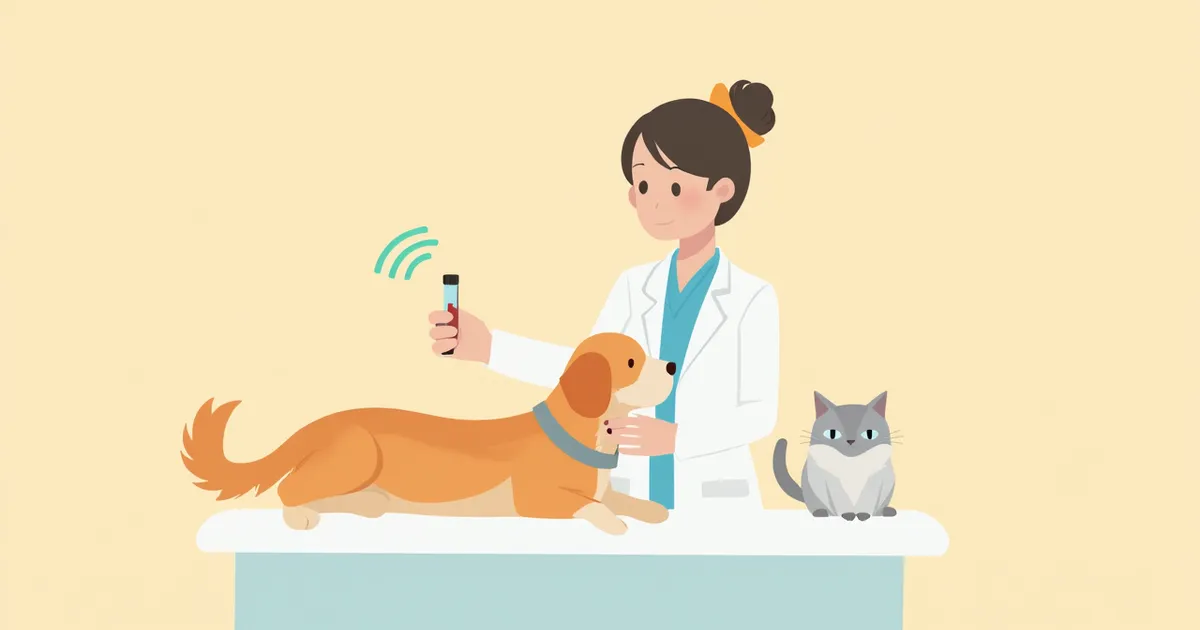
A guardian checking the indoor environment from the dog’s eye level.

Immediate Veterinary Visit Is Required If Your Dog Ingests a Toxic Substance

If your dog ingests a toxic substance, you need to get to the vet immediately. The longer you wait, the more difficult treatment becomes.

Checklist for Dog Indoor Safety Checks
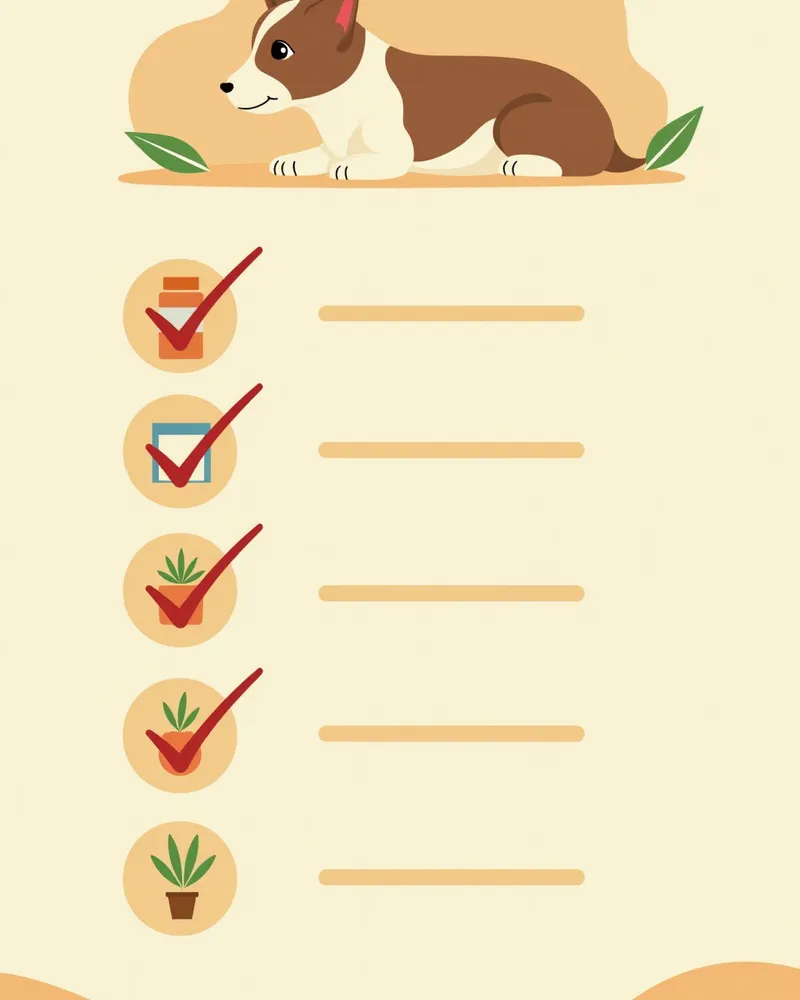
Here’s a checklist for ensuring your dog’s safety indoors. Review it whenever there are changes in the environment or your dog’s behavior.
Organize electrical cords: Cover or secure all cords to prevent chewing.
Store chemicals safely: Keep them tightly sealed and out of your dog’s reach.
Check plant safety: Remove toxic plants or place them where your dog can’t access them.
Pick up small objects: Collect items like laundry clips, bottle caps, and rubber bands.
Store medications properly: Keep them in a cool, secure location away from your dog.
Inspect after cleaning: Double-check for any remaining hazards after tidying up.
Using this checklist will help keep your home safe for your dog.
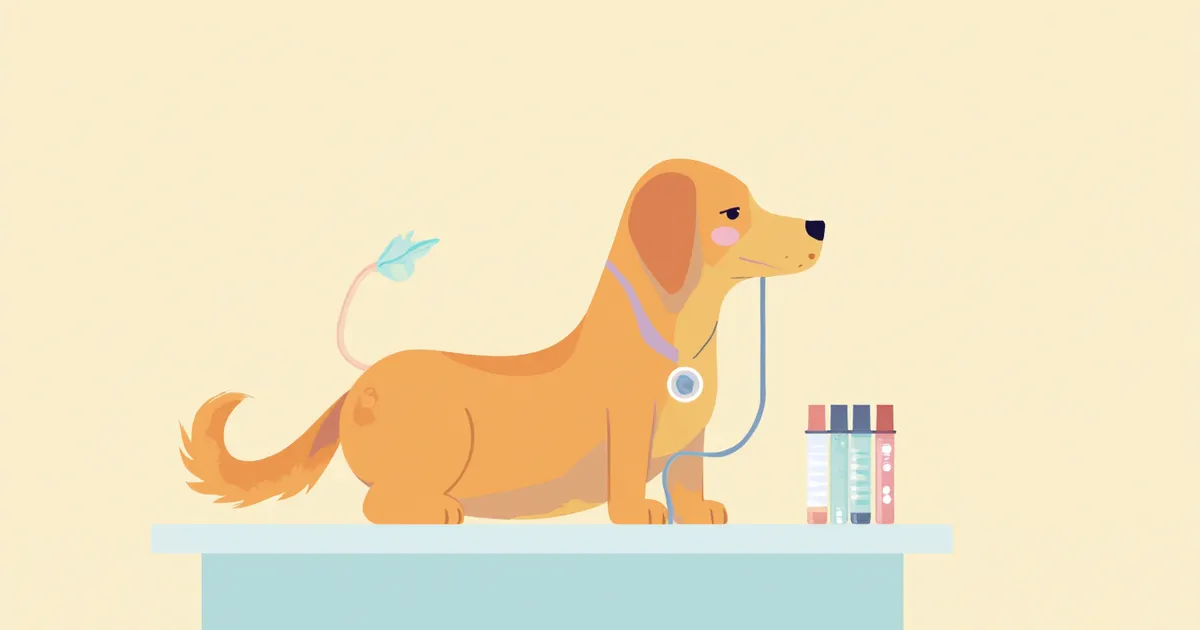
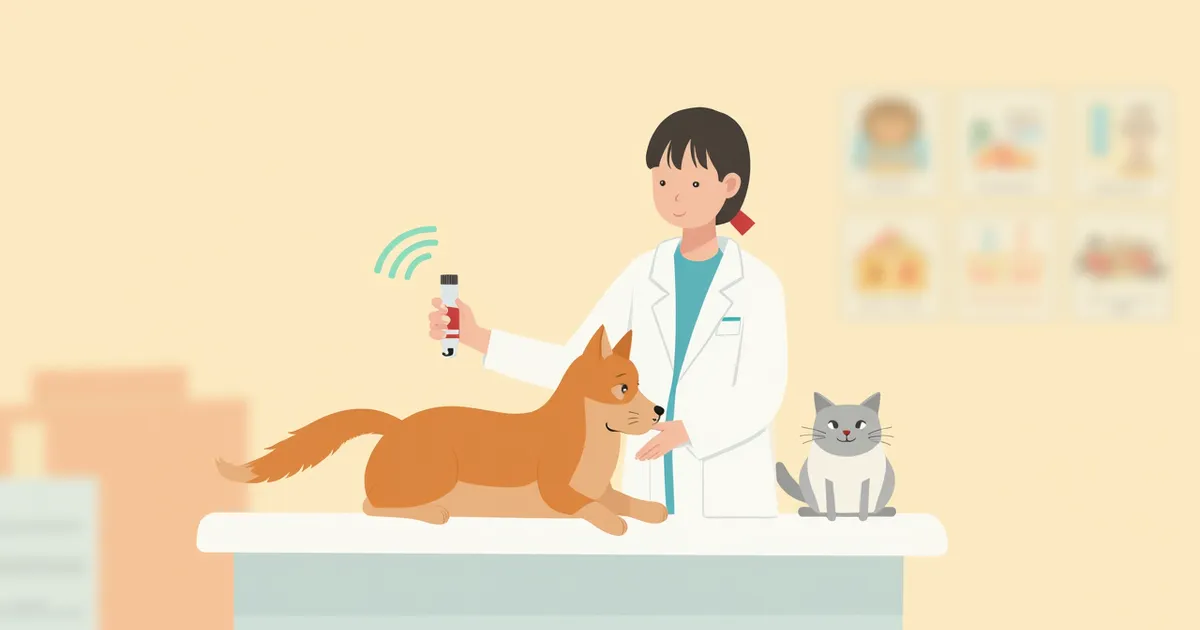
Indoor Safety Checklist for Dogs Image

Immediate Inspection Is Required If Your Dog Chews on an Electrical Cord

If your puppy has chewed on an electrical cord, it may have suffered an electric shock or burns, so immediate veterinary examination is necessary.

Reviewed by a veterinarian

Dr. Tony — Punnawat Phongkittirak

Dr. Tony — Punnawat Phongkittirak

Veterinarian

A veterinarian who majored in veterinary medicine at Khon Kaen University, Thailand, and completed the IVSA program at North Carolina State University in the United States. Drawing on clinical experience at animal hospitals, he works in the pet healthcare field and is dedicated to building a digital care environment that connects pet parents with veterinarians.

Frequently Asked Questions

How often should you conduct an indoor safety check for your dog?
It’s a good idea to check your dog whenever there are changes in their environment or behavior. Even if the indoor environment hasn’t changed, regular checks are still recommended.
What should I do if my dog has eaten a toxic plant?
You need to get to the vet immediately. Do not attempt to induce vomiting or treat your pet at home; follow your veterinarian’s instructions.
Where can I find covers for electrical cords?
You can find electrical cord covers at home centers, online shopping malls, and veterinary clinics. Choose a safe product.
What should I do if my dog swallows a small object?
You need to get to the vet clinic right away. We’ll take an X-ray to locate the object and perform surgery if necessary.
How can I create a checklist for checking indoor safety for my dog?
Create a checklist that includes electrical cords, chemical products, toxic plants, small objects, and other potential hazards, and review it whenever your pet’s environment changes.

Share

Related Guides

References

[1] Blackwell's Five-Minute Veterinary Consult Clinical Companion, Small Animal Toxicology, 3rd Edition, 2024

[2] American Society for the Prevention of Cruelty to Animals (ASPCA) Animal Poison Control Center, 2023

[3] Veterinary Emergency & Critical Care Society (VECCS) Guidelines on Household Hazards in Dogs, 2022

This information is based on veterinary literature and does not replace diagnosis or treatment. Please consult a veterinarian for specific health concerns.

Metapet Co., Ltd. | CEO: Park Sung-yong | Business Reg. No. 417-88-02562 | Seoul, South Korea | Customer Center

Indoor Safety Checklist for Dogs: Essential Tips for Pet Owners | Meongsiljang