
Feline Pulmonary Thromboembolism FAQ — Key Points Every Pet Owner Should Know
Feline pulmonary thromboembolism is a life-threatening condition that can cause acute respiratory distress. Here’s a summary of the key symptoms and responses every pet owner should know.
What is feline pulmonary thromboembolism?
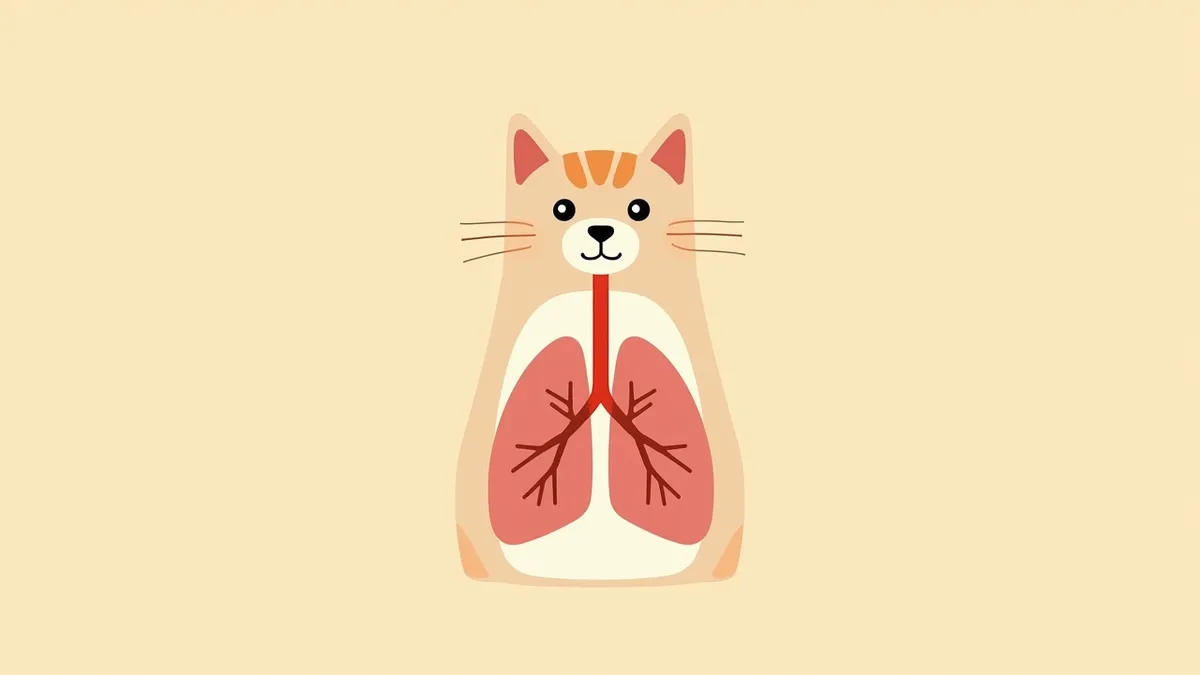
Why does feline pulmonary thromboembolism occur?
What are the main symptoms?

Signs requiring immediate veterinary visit
If your cat suddenly starts panting, breathing with its mouth open, or if its lips or the inside of its mouth turn blue, you should go to the vet immediately. This is an emergency situation where even slight signs of difficulty breathing or increased respiratory rate and effort require immediate evaluation. This indicates a serious condition where oxygen supply to the lungs is compromised, and the sooner treatment is administered, the higher the chances of survival. Delaying treatment can often lead to fatal outcomes.
How is it diagnosed?
What are the treatment methods?

Comparison of responses by symptom severity
| Item | Mild | Moderate | Severity |
|---|---|---|---|
| Respiratory Rate | Faster than normal | Very fast | Very fast, open mouth |
| Activity | Slightly decreased | Greatly decreased | No movement |
| Lip Color | Normal | Pale blue | Deep blue |
| Emergency Response | Plan a hospital visit | Visit the hospital immediately | Visit the emergency room |
The more severe the symptoms become, the greater the threat to life, so early response is essential.
Home care points

Reviewed by a veterinarian

Dr. Tony — Punnawat Phongkittirak
VeterinarianA veterinarian who majored in veterinary medicine at Khon Kaen University, Thailand, and completed the IVSA program at North Carolina State University in the United States. Drawing on clinical experience at animal hospitals, he works in the pet healthcare field and is dedicated to building a digital care environment that connects pet parents with veterinarians.
Reviewed 2026-06-29
Frequently Asked Questions
Is feline aortic thromboembolism treatable?
Is this condition common in cats?
How can I prevent it?
Are there any side effects associated with anticoagulants?
Can it come back?
Share
Related Guides

Top Recommended Feline Bronchodilators and Selection Criteria: A Complete Guide

Best Recommendations and Selection Criteria for Monitoring Your Cat’s Respiratory Rate (RR) During Sleep for Heart Care

Best Recommendations and Selection Criteria for Monitoring Your Dog’s Respiratory Rate (RR) During Sleep for Heart Care
What is Feline Polycystic Kidney Disease (PKD)? — Genetics, Symptoms, and Management
What is feline peritoneal dialysis? — When to start and how to manage it

Medications and Foods to Never Give Your Cat — A Complete Guide to Nephrotoxic Substances

What is Feline IRIS Staging? A Complete Guide to Progression Stages Based on Kidney Values
What is SDMA for early kidney screening in cats? — A test to catch issues before symptoms, and when to get it

What to Do If Your Cat Suddenly Stops Urinating? — Causes of Acute Kidney Failure and Emergency Response

What Is Feline Acute Kidney Injury (AKI)? — A Summary of Symptoms and Emergency Response
References
[1] Greene CE, et al. (2020). Feline Pulmonary Thromboembolism: Clinical Features and Prognosis. Journal of Feline Medicine and Surgery, 22(5), 412–420.
[2] Kass PH, et al. (2018). Risk Factors for Pulmonary Thromboembolism in Cats: A Multicenter Case-Control Study. Veterinary Internal Medicine, 52(3), 891–899.
[3] Plumb's Veterinary Drug Handbook, 9th Edition. (2022). Wiley-Blackwell. Chapter on Anticoagulants and Thrombolytics in Feline Patients.