Like
Share
멍실장
강아지 퍼피 사료 선택과 급여량 가이드

Guide to Choosing Puppy Food and Feeding Amounts

DigestiveQ&AMeongsiljang Veterinary Advisory Board

We’ve compiled the reasons why puppy-specific food is essential for growing dogs, along with age-based feeding guidelines and criteria for choosing the right food, all based on veterinary nutrition textbooks.

Why Should Puppies Have Their Own Food?
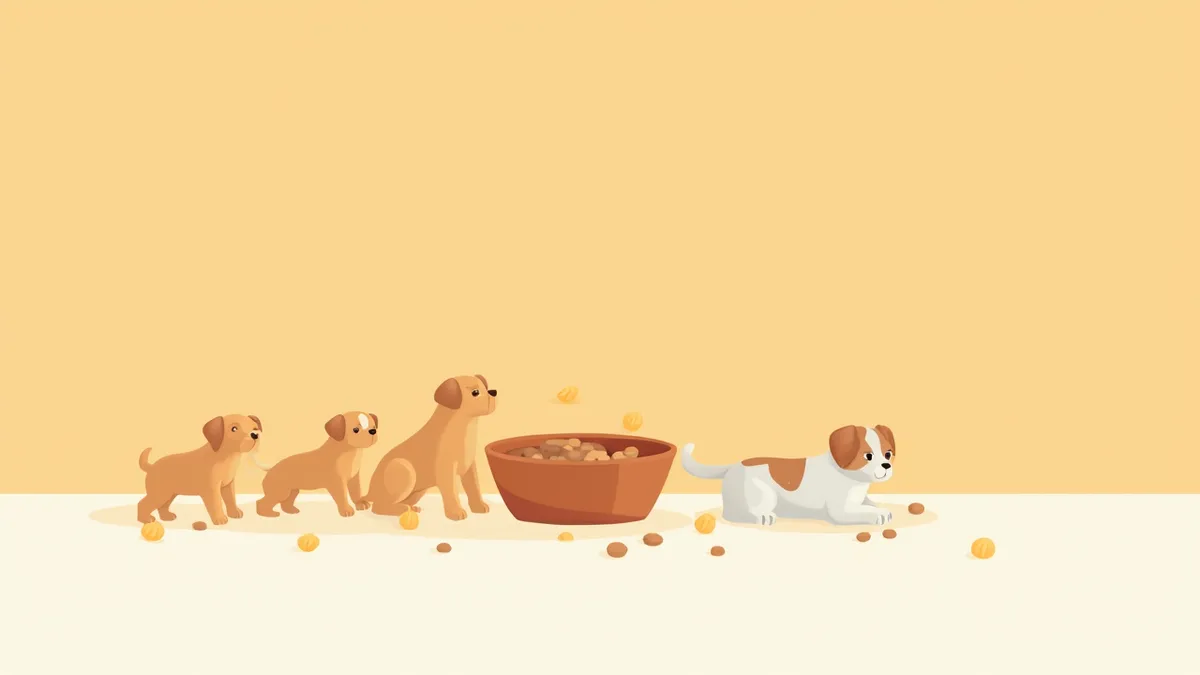
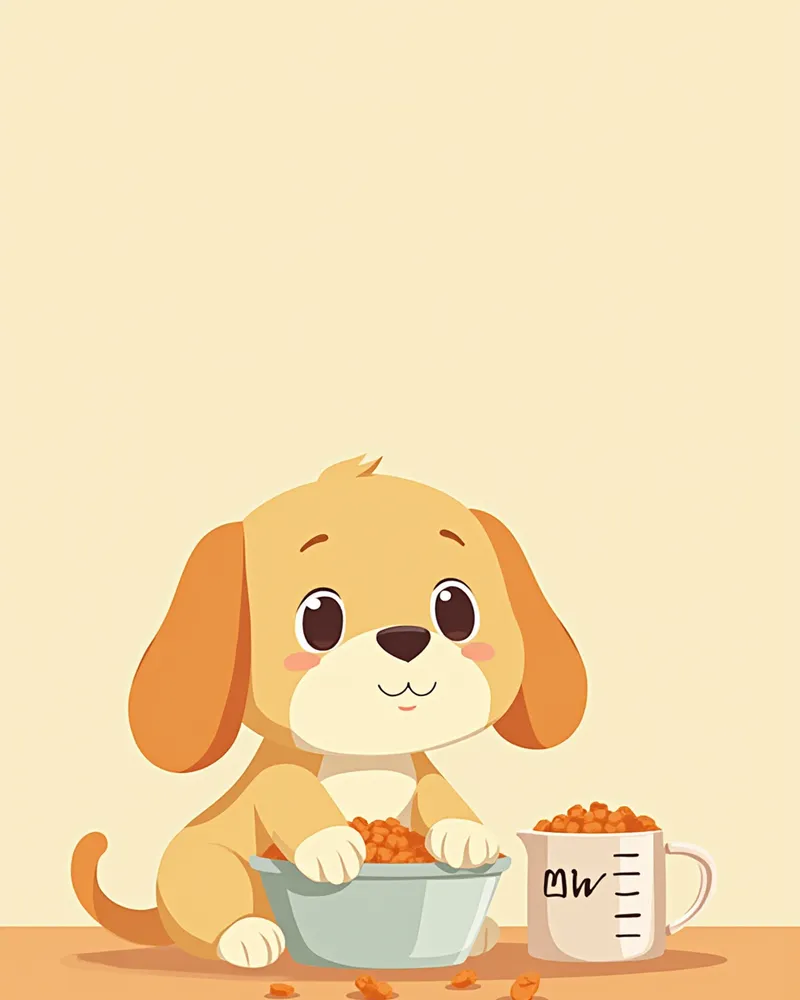
A bowl filled with puppy food and various kibble pieces
Puppy food is specially formulated for growing dogs, with enhanced high-protein and high-calorie nutrients to meet the needs of this critical growth stage. Small breed dogs typically require puppy food until 10–12 months of age, while large breeds may need it for up to 24 months. Because puppies’ bones and muscles develop rapidly, they require significantly more nutrients such as protein, calcium, and phosphorus than adult dogs. The importance of puppy-specific food isn’t just about higher calories. It’s because the nutrient ratios are precisely designed to support healthy growth. Feeding adult dog food can lead to nutrient deficiencies or excesses, potentially causing skeletal abnormalities or digestive issues. This article covers everything you need to know, from how to choose the right puppy food to feeding amounts by age and how to transition your puppy to a new diet.

What’s the Difference Between Puppy Food and Adult Dog Food?

The main difference between puppy food and adult dog food lies in their nutrient content and ratios. According to veterinary nutrition textbooks, growing puppies require higher amounts of the following nutrients:
Protein: Puppy food contains at least 22% protein, which is higher than the minimum 18% required for adult dog food. This is essential for muscle and organ development.
Calcium and Phosphorus: These minerals are crucial for bone growth. However, excessive intake can be problematic, so maintaining the proper ratio is important.
Caloric Density: Young puppies need nearly twice as much energy as adult dogs of the same weight during their early life stages, and this requirement gradually decreases as they grow. Puppy food is designed to provide sufficient calories even in smaller quantities.
Fatty Acids: Growing puppies require more fats and fatty acids for energy and physical development. Some puppy foods include omega-3 fatty acids like DHA, so it’s a good idea to check the ingredient list when choosing a product.

Guide to Choosing Food by Growth Stage

The appropriate food type and feeding frequency for your puppy vary depending on its growth stage.
Growth StageAgeFood TypeFeeding Frequency
Weaning Stage3–8 weeksPuppy food softened by soaking in water4 times a day
Early Growth Stage2–4 monthsPuppy dry food (small kibble)3–4 times a day
Mid-Growth Stage4–8 monthsPuppy dry food2–3 times a day
Late Growth Stage8–12 monthsPuppy dry food2 times a day
Transition to Adult StageSmall breeds: 10–12 months / Large breeds: 12–24 monthsGradually transition to adult food2 times a day

4 Criteria for Choosing Good Puppy Food
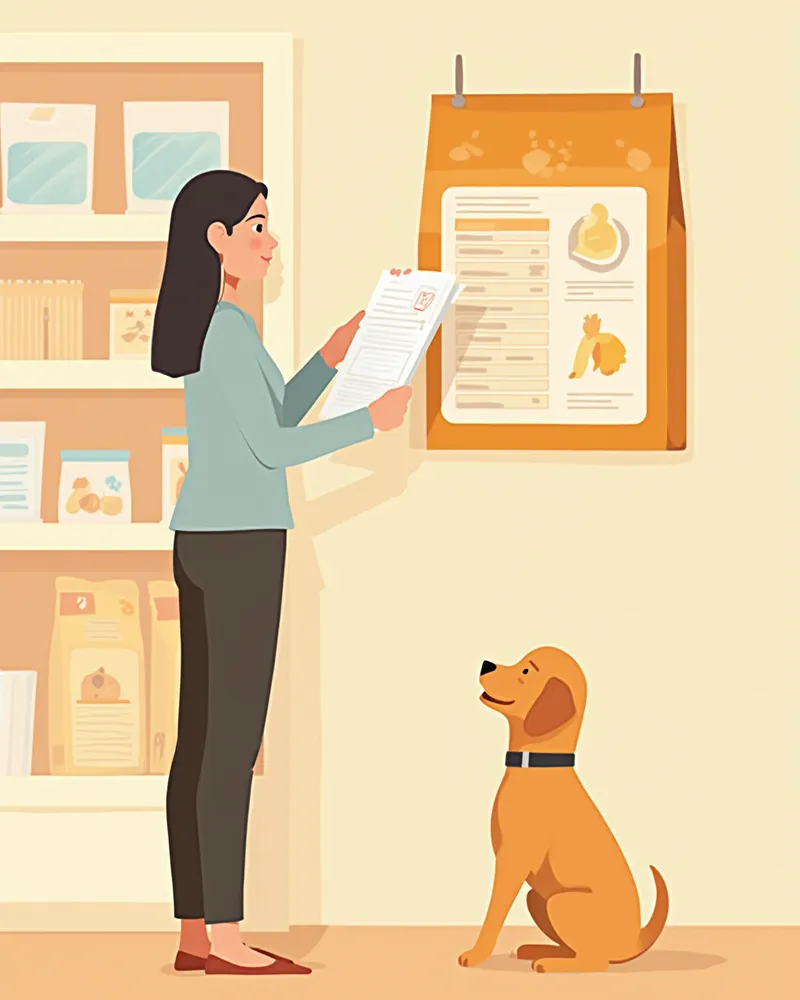
Here are the key criteria to check when choosing puppy food.
Meets nutritional standards: Choose products labeled “For Growth” or “All Life Stages” on the packaging. Products that meet the nutritional standards set by the Association of American Feed Control Officials (AAFCO) are safe.
Animal protein as the first ingredient: Look for products where animal proteins such as chicken, salmon, or beef are listed first on the ingredient list.
Size-specific formulas: Puppy foods are formulated separately for small, medium, and large breeds. Large-breed puppies, in particular, require a specialized formula.
Grain inclusion: Recent reports have suggested a link between grain-free diets and heart disease. Unless your dog has a specific allergy, a grain-inclusive diet may be safer. If you suspect an allergy, please refer to our Allergy Testing Guide.
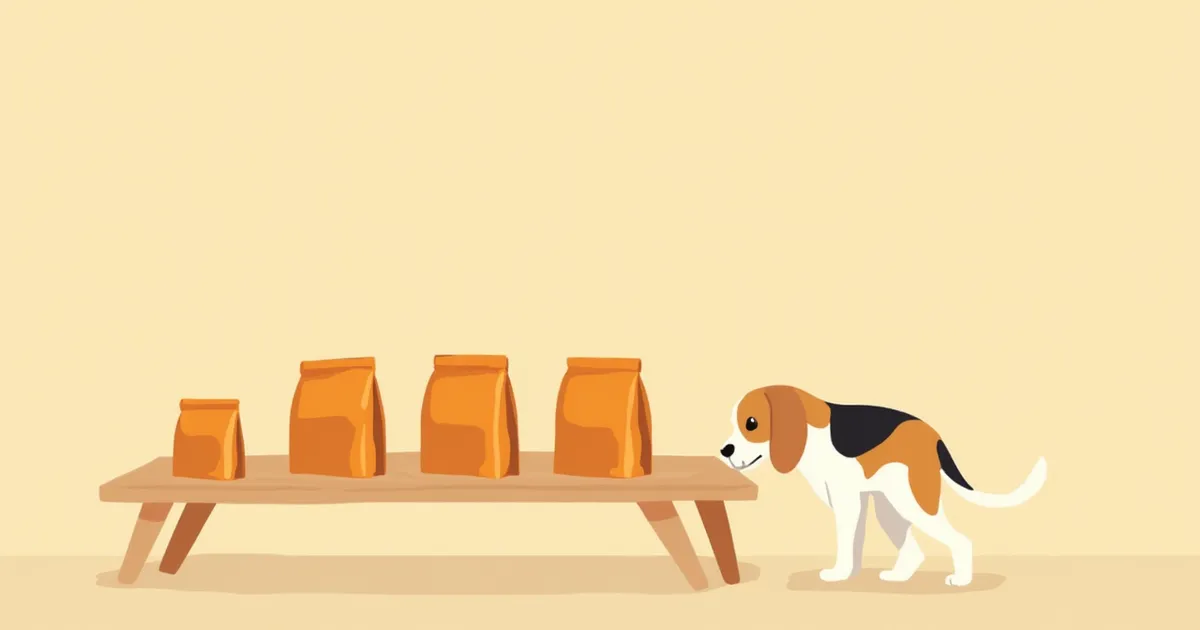
A pet parent checking the ingredient list on a puppy food package

Transition Food Gradually!

Sudden changes in diet can cause vomiting, diarrhea, or loss of appetite. Transition gradually over 7 to 10 days. Start by keeping the proportion of the old food high, then slowly increase the amount of the new food. If loose stools or vomiting persist for more than two days during the transition, consult your veterinarian.

Daily Feeding Guide by Age and Weight

The amount you should feed depends on your puppy’s age and expected adult weight. Below are the general daily feeding guidelines for dry puppy food. Since calorie density varies by brand, always check the feeding guide on the packaging as well.
AgeSmall Breeds (Adult weight ~5 kg)Medium Breeds (Adult weight ~15 kg)Large Breeds (Adult weight ~30 kg)
2–3 months50–80 g100–150 g150–250 g
4–6 months70–100 g130–200 g250–380 g
7–9 months80–110 g160–230 g350–450 g
10–12 monthsTransition to adult feeding amount180–250 g400–500 g
Measuring the food with a measuring cup and placing it in the bowl

Proper Feeding Methods and Tips

Here are some practical tips to keep in mind when feeding puppy food.
Feed at set times: Offer meals 2–4 times a day at consistent times. It’s a good habit to remove the food if your puppy hasn’t eaten it within 15–20 minutes. Free-feeding can lead to overeating.
Monitor weight: Weigh your puppy every two weeks. The ideal weight is when you can lightly feel the ribs when you gently palpate them. Obesity during puppyhood can lead to joint problems.
Treat ratio: Keep treats to no more than 10% of your puppy’s total daily caloric intake. If you’ve given extra treats, slightly reduce the amount of kibble that day.
Water: Always provide fresh water. Hydration is especially important for puppies eating dry food. For more detailed criteria on choosing the right food, check out our Dog Food Selection Guide.
A puppy that eats its food at scheduled times

Large-Breed Puppies Require Breed-Specific Food

Large and giant breed puppies must be fed food specifically formulated for large-breed puppies. Standard puppy food may contain excessive calcium for these breeds, which can lead to skeletal developmental abnormalities such as osteochondrosis. Veterinary nutrition textbooks strictly recommend managing calcium intake in large-breed puppies based on body weight.

Reviewed by a veterinarian

Dr. Tony — Punnawat Phongkittirak

Dr. Tony — Punnawat Phongkittirak

Veterinarian

A veterinarian who majored in veterinary medicine at Khon Kaen University, Thailand, and completed the IVSA program at North Carolina State University in the United States. Drawing on clinical experience at animal hospitals, he works in the pet healthcare field and is dedicated to building a digital care environment that connects pet parents with veterinarians.

Frequently Asked Questions

Until what age should I feed my puppy puppy food?
Feed small-breed dogs puppy food until they are 10 to 12 months old, and large-breed dogs until they are 12 to 24 months old. The right time to transition to adult food varies by breed and growth rate, so consulting your veterinarian is the most accurate way to determine the ideal transition point.
Can I feed puppy food to an adult dog?
We don’t recommend it. Puppy food is high in protein and calories, so feeding it to adult dogs can lead to obesity. However, under a veterinarian’s guidance, puppy food may be given to pregnant or nursing dogs.
Which is better, dry food or wet food?
From a nutritional standpoint, either option is fine as long as it meets the standards for growing pets. Dry kibble requires chewing, which can help maintain oral health, while wet food provides more moisture and tends to be more palatable. You can also feed a combination of both, but be sure to calculate the total caloric intake to prevent overfeeding.
Isn't grain-free food better?
Not necessarily. There have been reports linking grain-free diets to dilated cardiomyopathy. Unless a specific grain allergy has been diagnosed, a grain-inclusive diet may be the safer choice.
When can I start giving treats to my puppy?
You can start offering small amounts of treats from around 2 to 3 months of age. Keep treats to no more than 10% of your puppy’s daily caloric intake, and choose small, bite-sized pieces that pose no choking hazard. Opt for treats specifically formulated for puppies.

Share

Related Guides

References

[1] Fascetti AJ, Delaney SJ. Applied Veterinary Clinical Nutrition, 2nd Edition — Chapter 8: Commercial and Home-Prepared Diets. Wiley-Blackwell, 2024.

[2] Hand MS, Thatcher CD, Remillard RL, Roudebush P. Small Animal Clinical Nutrition, 5th Edition — Chapter 17: Feeding Growing Puppies. Mark Morris Institute, 2010.

[3] Schaer M, Gaschen F. Clinical Medicine of the Dog and Cat, 4th Edition — Chapter 25: Nutritional Support. CRC Press, 2022.

This information is based on veterinary literature and does not replace diagnosis or treatment. Please consult a veterinarian for specific health concerns.

Metapet Co., Ltd. | CEO: Park Sung-yong | Business Reg. No. 417-88-02562 | Seoul, South Korea | Customer Center

Choosing Puppy Food and Feeding Amounts by Age | Meongsiljang