

Dog Reverse Sneezing FAQ — Key Information Every Pet Owner Should Know
While reverse sneezing in dogs can sometimes be a temporary reaction, frequent episodes may signal an underlying health issue. Here’s a summary of the key information every pet owner should know.
Reverse Sneezing in Dogs Is a Temporary Reaction
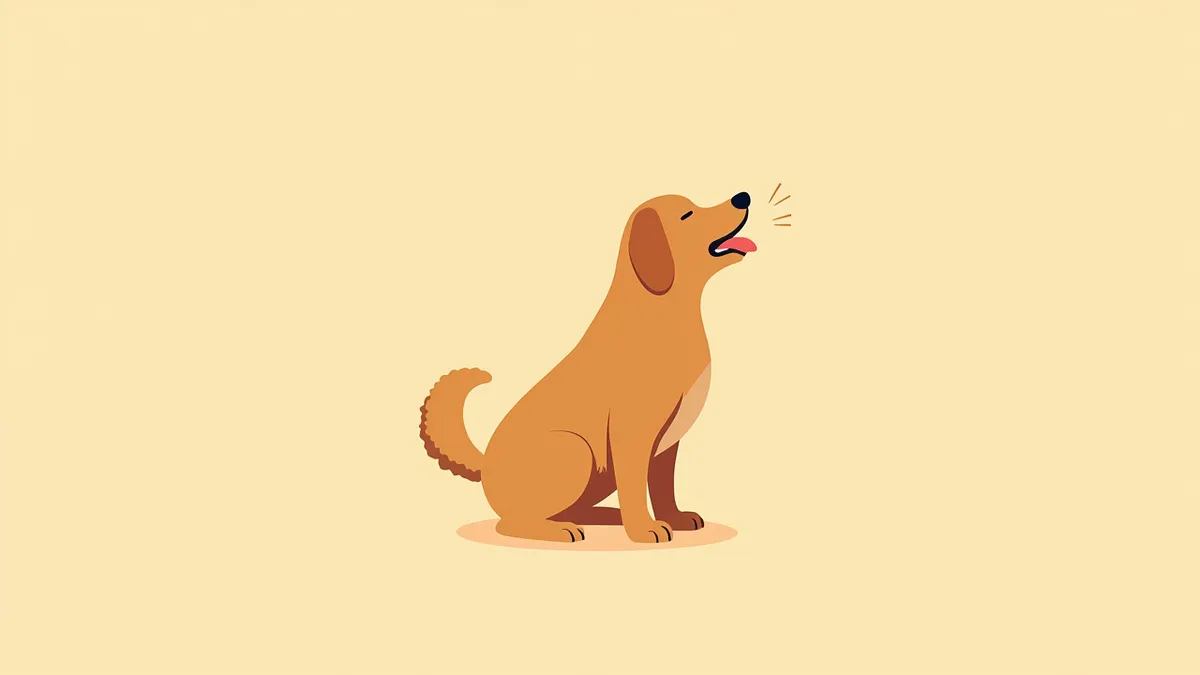
The Main Causes of Reverse Sneezing Are Irritants and Allergies

Key Signs of Reverse Sneezing and Similar Symptoms

Reverse Sneezing vs. Coughing vs. Difficulty Breathing: A Comparison
| Item | Reverse sneezing | Coughing | Respiratory distress |
|---|---|---|---|
| Behavioral characteristics | Strong inward inhalation through the nose with the glottis closed, head tilted back | Repeated coughing while exhaling | Open-mouth, labored breathing; mucous membranes turning blue (cyanosis) |
| Duration | Ends quickly and recurs in episodes | From a few seconds to several minutes | Persistent or recurrent |
| Possible causes | Environmental allergens/dust, lesions at the back of the nose | Infection, airway irritation, heart/lung disease | Lung disease, heart problems, airway obstruction |
Reverse sneezing is usually temporary, but if it recurs frequently, consider a visit to the vet.
Frequent Reverse Sneezing Requires a Veterinary Visit
Signs That Require Immediate Veterinary Care
If your pet experiences persistent, prolonged reverse sneezing, severe difficulty breathing, bluish discoloration of the gums or tongue (cyanosis), or collapse, seek immediate veterinary care. These are potential signs of serious respiratory distress or hypoxia.
Home Remedies for Reverse Sneezing

Practical Tips for Prevention

Reviewed by a veterinarian

Dr. Tony — Punnawat Phongkittirak
VeterinarianA veterinarian who majored in veterinary medicine at Khon Kaen University, Thailand, and completed the IVSA program at North Carolina State University in the United States. Drawing on clinical experience at animal hospitals, he works in the pet healthcare field and is dedicated to building a digital care environment that connects pet parents with veterinarians.
Reviewed 2026-06-29
Frequently Asked Questions
Can a dog's reverse sneezing be transmitted to humans?
Does frequent reverse sneezing in dogs indicate an underlying illness?
What should I do if my dog seems to be struggling while reverse sneezing?
What products are good for preventing reverse sneezing in dogs?
What’s the difference between reverse sneezing and coughing?
Share
Related Guides
Top Recommended Feline Bronchodilators and Selection Criteria: A Complete Guide
Best Recommendations and Selection Criteria for Monitoring Your Cat’s Respiratory Rate (RR) During Sleep for Heart Care

Top Recommended Products for Managing Canine Tracheal Collapse and Selection Criteria
Are Cat Liver Protectants (SAMe and Milk Thistle) Effective? When and How to Administer Them

Frequently Asked Questions About Feline Hepatic Enlargement (Hepatomegaly) — Key Information for Pet Owners
If Your Cat Is Lethargic and Stumbling — Causes and Management of Hepatic Encephalopathy Q&A
What are feline liver cysts? — Are they dangerous, and how is follow-up done?
Frequently Asked Questions About Feline Liver Abscesses — Key Information Every Pet Owner Should Know
When Common Drugs and Toxins Damage a Cat’s Liver — Warning Signs of Liver Injury and When to Act

If Your Cat Has Jaundice — Key Q&A on the Causes and Treatment of Cholangiohepatitis
References
[1] Plumb's Veterinary Drug Handbook, 9th Edition, 2021
[2] Feline and Canine Respiratory Diseases, 2nd Edition, 2020
[3] American Veterinary Medical Association (AVMA) Guidelines on Canine Upper Respiratory Health, 2022