Like
Share
멍실장
고양이 고혈압성 망막증 자주 묻는 질문 Q&A — 보호자가 꼭 알아야 할 핵심

What is feline hypertensive retinopathy? — Sudden vision loss signals and vision management

Eye HealthQ&AMeongsiljang Veterinary Advisory Board

Hypertensive retinopathy in cats is eye damage caused by high blood pressure, and early detection is crucial. We’ve compiled the key information every pet owner should know in a Q&A format.

What is feline hypertensive retinopathy?
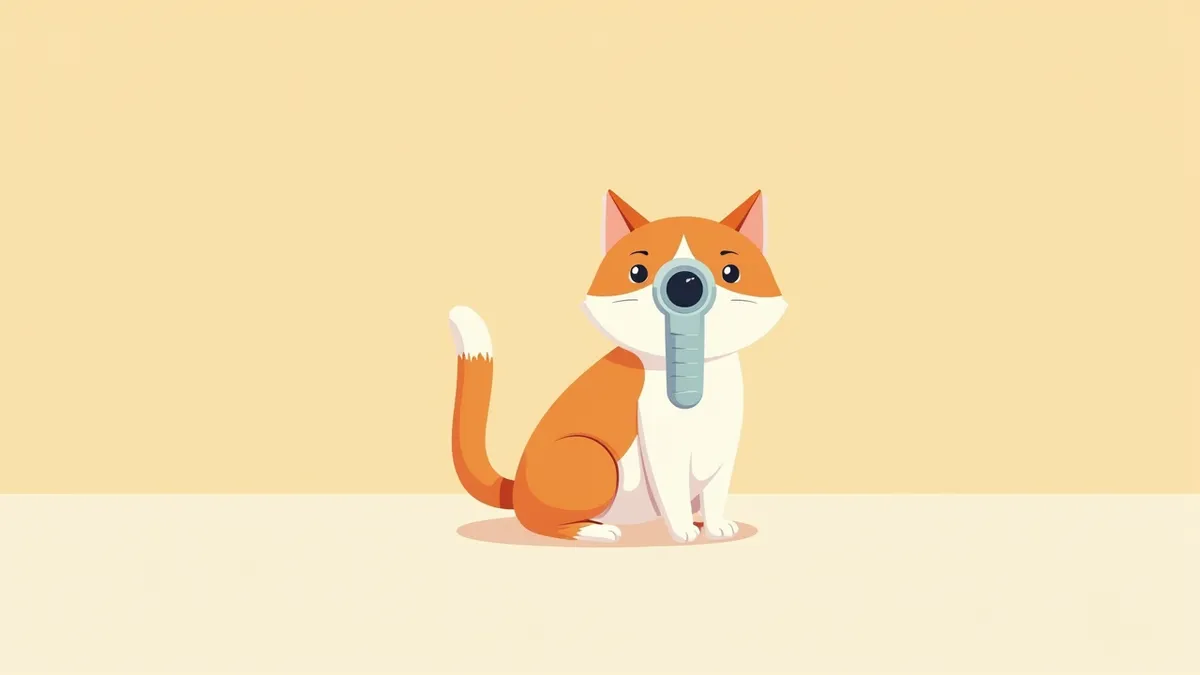
A scene of a cat undergoing an eye examination
Feline hypertensive retinopathy is a condition in which high blood pressure damages the retina, and it is especially common in cats with chronic kidney disease or hyperthyroidism. - Hypertension: Persistently elevated blood pressure can damage the blood vessels in the retina, leading to hemorrhage or retinal detachment. - Retinal damage: In the early stages, vision loss may not be apparent, but as the condition progresses, it can lead to significant vision impairment. - Early detection: Regular ophthalmic examinations and blood pressure monitoring are key to protecting your cat’s vision. - At-risk cats: Cats aged seven years or older, or those with chronic diseases, require particular attention. With early treatment, there is a good chance of recovering vision.

Why do owners often not notice feline hypertensive retinopathy?
Hypertensive retinopathy in cats often goes unnoticed by owners because it typically presents no obvious ocular symptoms in its early stages. - Cats’ tendency to hide illness: Even when unwell, cats rarely show significant changes in their daily behavior. - Gradual vision loss: Because vision deteriorates slowly, signs such as bumping into walls or misjudging directions appear late. - Importance of regular check-ups: Regular blood pressure monitoring and ophthalmic examinations are essential, especially for cats aged seven years or older or those with chronic diseases. - Early detection: Diagnosing the condition before symptoms arise is key to preserving vision. Early management can help prevent complications.
An elderly cat resting comfortably

What are the main symptoms of hypertensive retinopathy?
The main symptoms of hypertensive retinopathy in cats include vision loss, ocular hemorrhage, retinal detachment, dilated pupils, and narrowed visual fields. You may also notice your cat suddenly misjudging distances, bumping into walls, or stumbling in the dark. If you observe abnormalities in only one eye or repeated eye-rubbing, seek veterinary care immediately. Early detection can sometimes lead to vision recovery with treatment.
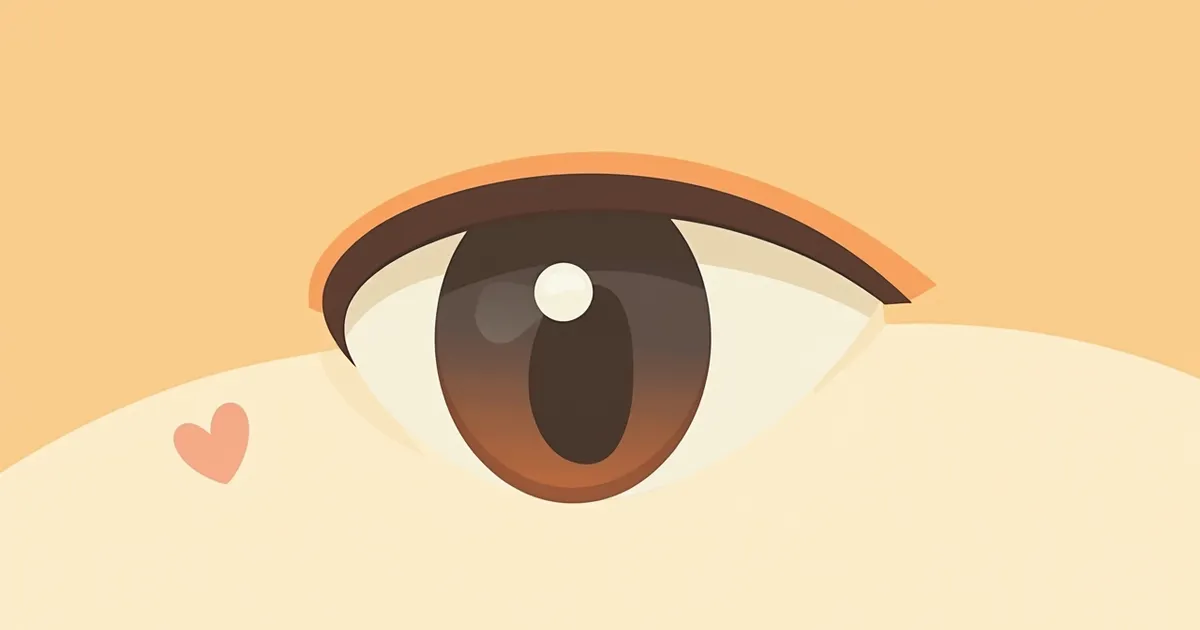
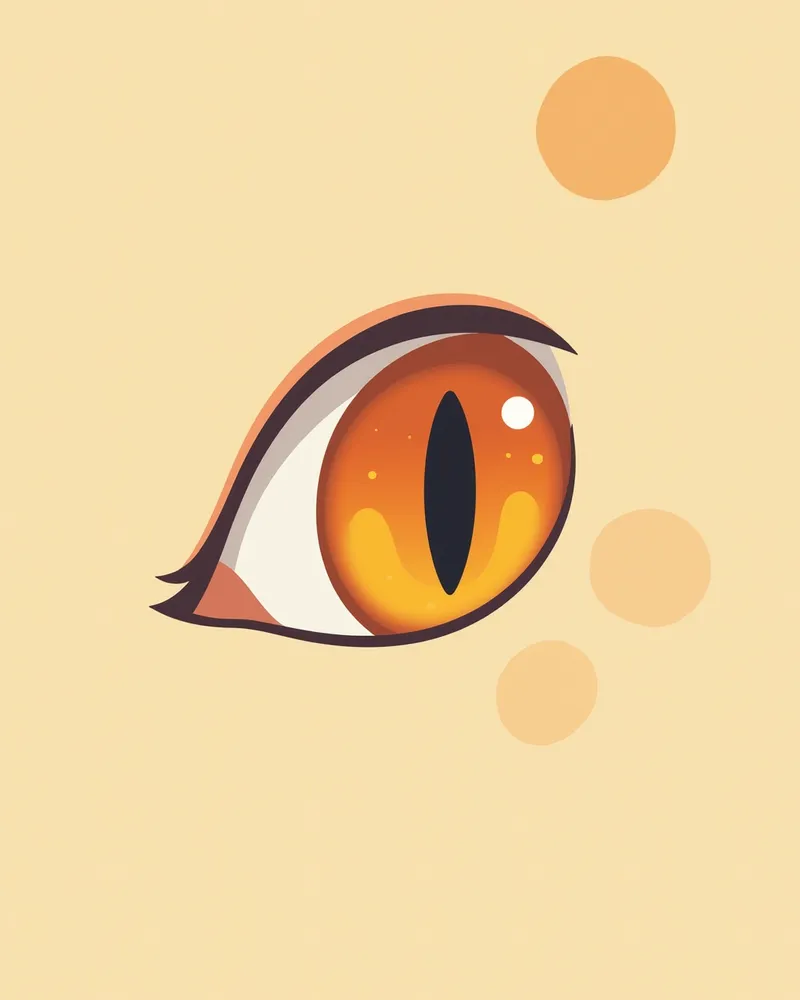
An illustration of a cat's eye with retinal hemorrhage

Signs requiring immediate veterinary visit

If one eye suddenly becomes cloudy or you notice bleeding in the eye, seek veterinary care immediately. Acute vision loss can signal an emergency such as retinal detachment, and delays can make recovery difficult. This is especially critical for cats with high blood pressure; do not wait, and have them examined by a veterinary ophthalmologist as soon as possible.

Symptoms and management by stage of hypertensive retinopathy

ItemMain SymptomsTreatment DirectionPrognosis
MildRetinal vascular dilationFocus on blood pressure controlCan be stabilized with medication
ModerateSmall hemorrhage, retinal edemaBlood pressure control + ophthalmic medicationPartial recovery possible
SevereRetinal detachment, vision lossEmergency treatment requiredVision recovery difficult

Because the treatment approach differs by stage, an accurate diagnosis is essential.

What are the examination methods for accurate diagnosis?
Feline hypertensive retinopathy is accurately diagnosed through a combination of ophthalmic examination and blood pressure measurement. - Fundoscopic examination: Using an indirect ophthalmoscope, veterinarians can directly observe retinal hemorrhages, detachments, and vascular abnormalities (such as dilation and tortuosity). This makes it a recommended routine check for cats with high systolic blood pressure. - Blood pressure measurement (SBP): Systolic blood pressure is typically measured using non-invasive methods. Cats with systolic blood pressure exceeding 160 mmHg are more likely to exhibit ocular changes. - Confirmation of persistence: Since clinic stress can cause temporary spikes in blood pressure, it is crucial to take multiple readings to carefully confirm whether the elevation is sustained. - Combined testing: Accurate diagnosis is achieved by analyzing both blood pressure and fundoscopic examination results together. - Early detection: Treating without an accurate diagnosis can reduce effectiveness and potentially worsen the damage.
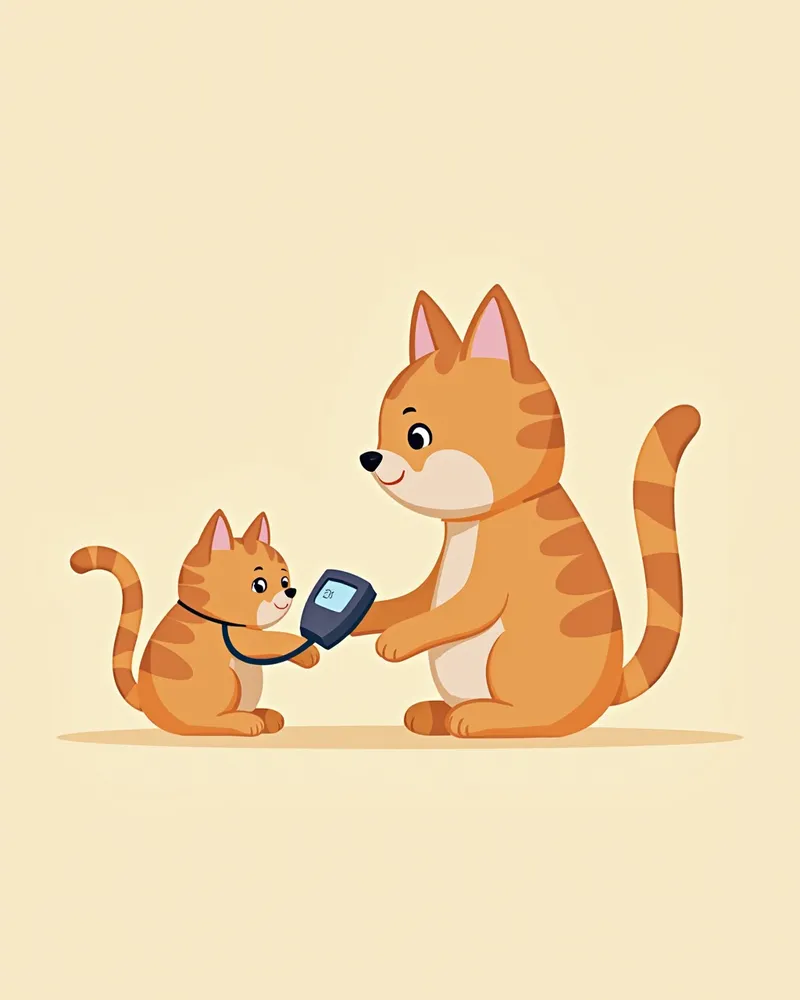
A veterinarian measuring a cat's blood pressure

What are the treatment methods?

Treatment focuses on managing the underlying condition causing the hypertension and controlling blood pressure to prevent retinal damage. - Blood pressure control medications: Amlodipine, a calcium channel blocker, is a representative antihypertensive drug. ACE inhibitors may be used in combination as needed, and consistent administration is essential. - Concurrent treatment of underlying diseases: Underlying conditions that cause hypertension, such as chronic kidney disease or hyperthyroidism, must be managed simultaneously. - Potential for retinal recovery: When blood pressure is well controlled, retinal hemorrhages typically resolve, and retinal detachments may spontaneously reattach in cats. However, recovery may be difficult if the damage is severe or long-standing. - Treatment duration and monitoring: Treatment may last from several months to several years. Regular monitoring of blood pressure and ocular status is required throughout the treatment period. - Lifestyle management: Avoiding high-salt diets and reducing stress to maintain overall health can be beneficial.
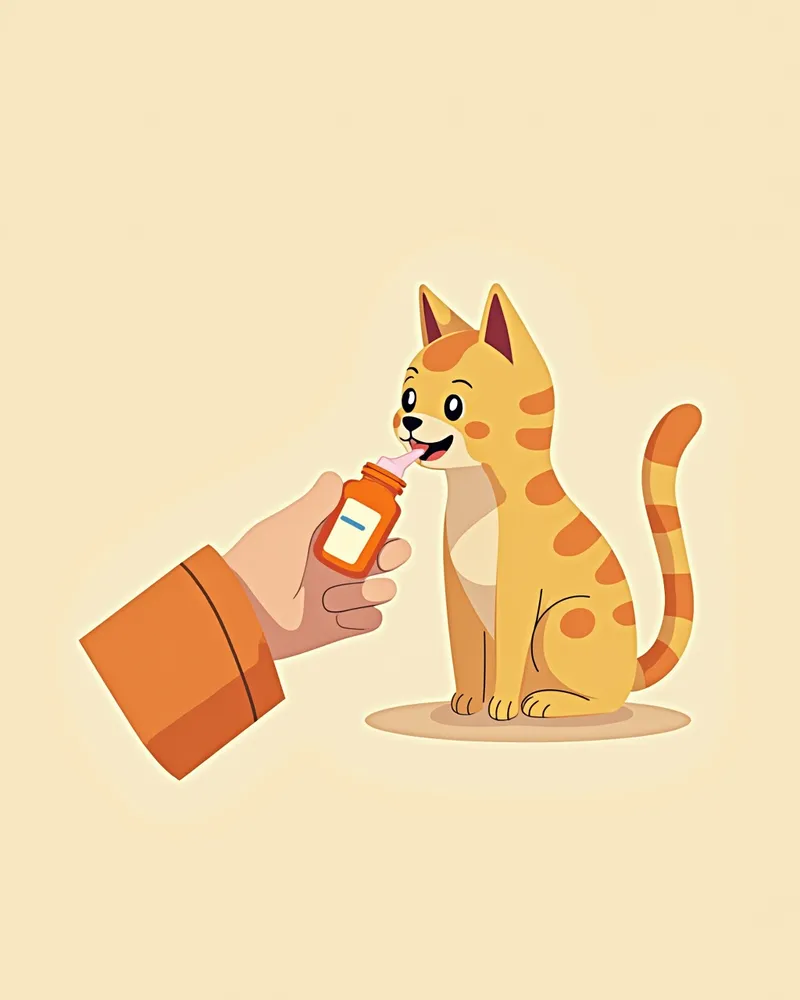
A scene of a veterinarian administering medicine to a cat.

Points to note during treatment

Blood pressure medications can cause hypotension if overdosed. Always consult your veterinarian before stopping the medication or adjusting the dosage. Additionally, if the high blood pressure is caused by a chronic condition such as kidney disease, appropriate management for that underlying condition must be carried out concurrently. Contact your veterinary clinic immediately if your pet exhibits sudden behavioral changes or signs of shock.

Reviewed by a veterinarian

Dr. Tony — Punnawat Phongkittirak

Dr. Tony — Punnawat Phongkittirak

Veterinarian

A veterinarian who majored in veterinary medicine at Khon Kaen University, Thailand, and completed the IVSA program at North Carolina State University in the United States. Drawing on clinical experience at animal hospitals, he works in the pet healthcare field and is dedicated to building a digital care environment that connects pet parents with veterinarians.

Frequently asked questions

Can feline hypertensive retinopathy be cured?
If blood pressure is well controlled and the condition is detected early, vision can often be restored. However, if there is severe damage, full recovery may be difficult. Early management is key.
Does it only occur in senior cats?
While common in senior cats, this condition can also occur in younger cats with chronic diseases. Cats with chronic kidney disease or hyperthyroidism require particular attention.
How can you check your pet’s eye condition at home?
Be alert if your pet repeatedly shows signs of disorientation, bumps into walls, or rubs their eyes. However, an accurate diagnosis can only be made at a veterinary clinic.
How often should blood pressure be measured?
For cats with high blood pressure, it’s a good idea to have their blood pressure checked regularly according to the schedule recommended by your veterinarian, along with routine eye exams. Consistent monitoring helps improve the success rate of treatment.
Are there any treatment options besides medication?
Managing the underlying condition and controlling blood pressure are the most important steps, and proper nutrition and stress reduction can also help. It’s especially important to avoid factors that can cause high blood pressure, such as a high-salt diet.

Share

Related Guides

References

[1] Komáromy AM, Andrew SE, Denis HM, Brooks DE, Gelatt KN. Hypertensive retinopathy and choroidopathy in a cat. Vet Ophthalmol 2004;7(1):3–9.

[2] Brown SA, Henik RA. Diagnosis and treatment of systemic hypertension. Vet Clin North Am Small Anim Pract 1998;28(6):1481–94.

[3] Maggio F, DeFrancesco TC, Atkins CE, et al. Ocular lesions associated with systemic hypertension in cats: 69 cases (1985-1998), J Am Vet Med Assoc 217:695-702, 2000.

This information is based on veterinary literature and does not replace diagnosis or treatment. Please consult a veterinarian for specific health concerns.

Metapet Co., Ltd. | CEO: Park Sung-yong | Business Reg. No. 417-88-02562 | Seoul, South Korea | Customer Center

What Is Feline Hypertensive Retinopathy? Sudden Vision Loss | Meongsiljang