Like
Share
멍실장
강아지 시스틴 요석 자주 묻는 질문 Q&A — 보호자가 꼭 알아야 할 핵심

Dog Cystine Urolithiasis FAQ — Key Information for Pet Owners

UrinaryQ&AMeongsiljang Veterinary Advisory Board

Cystine urolithiasis in dogs is a type of urinary stone caused by genetic factors, and it is particularly common in young dogs. Early detection and proper management are essential.

What is cystine urolithiasis in dogs?
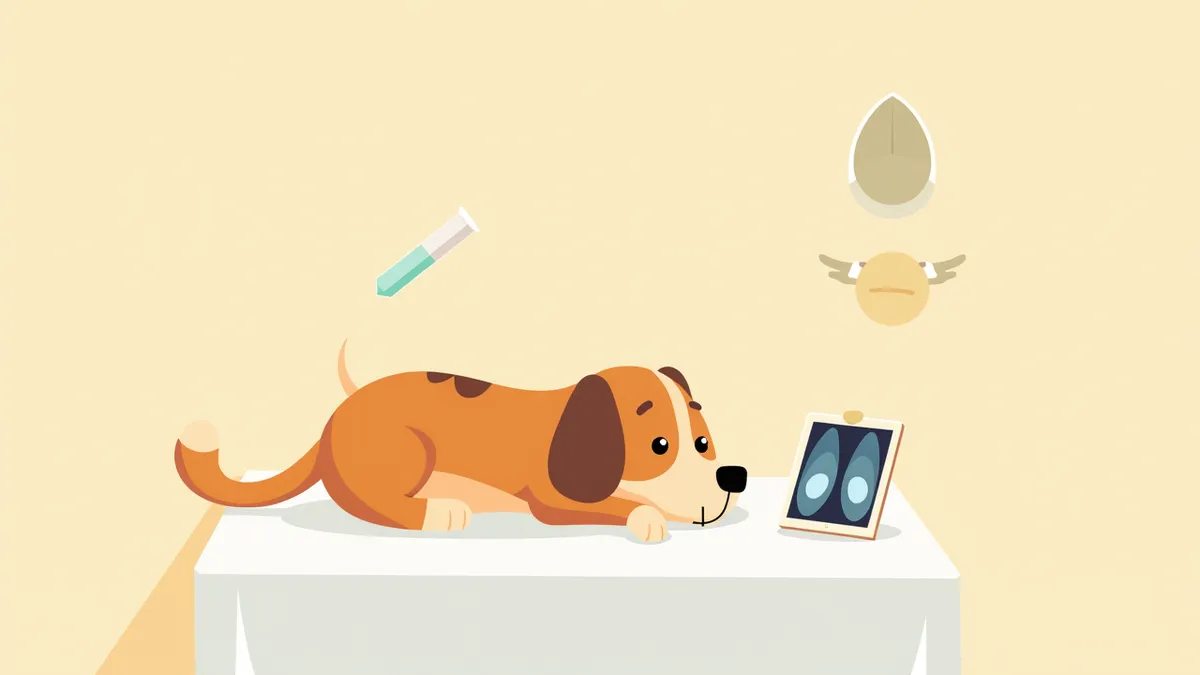
A scene of a vet visit to diagnose cystine stones in a puppy
Cystine urolithiasis in dogs is a condition caused by a genetic defect that impairs the normal reabsorption of the amino acid cystine in the proximal renal tubules, leading to excessive excretion of cystine in the urine and subsequent crystal formation. Because cystine is less soluble than other amino acids, it readily precipitates as crystals in the urine, which can grow into stones that may obstruct the urinary tract over time. This condition is known to have a strong genetic predisposition in certain breeds, including Newfoundland, English Bulldog, Dachshund, Chihuahua, Mastiff, Australian Cattle Dog, Bullmastiff, and American Staffordshire Terrier. The underlying abnormality in amino acid transport causes the urine to become supersaturated with cystine, which is the primary driver of crystal formation. - Cystine urolithiasis: A genetic defect in amino acid transport is the core cause. - Risk of urinary obstruction: Large stones can block urination, creating a life-threatening emergency. Early detection and ongoing management are crucial for survival and improving quality of life.

Why do dogs develop cystine urolithiasis?
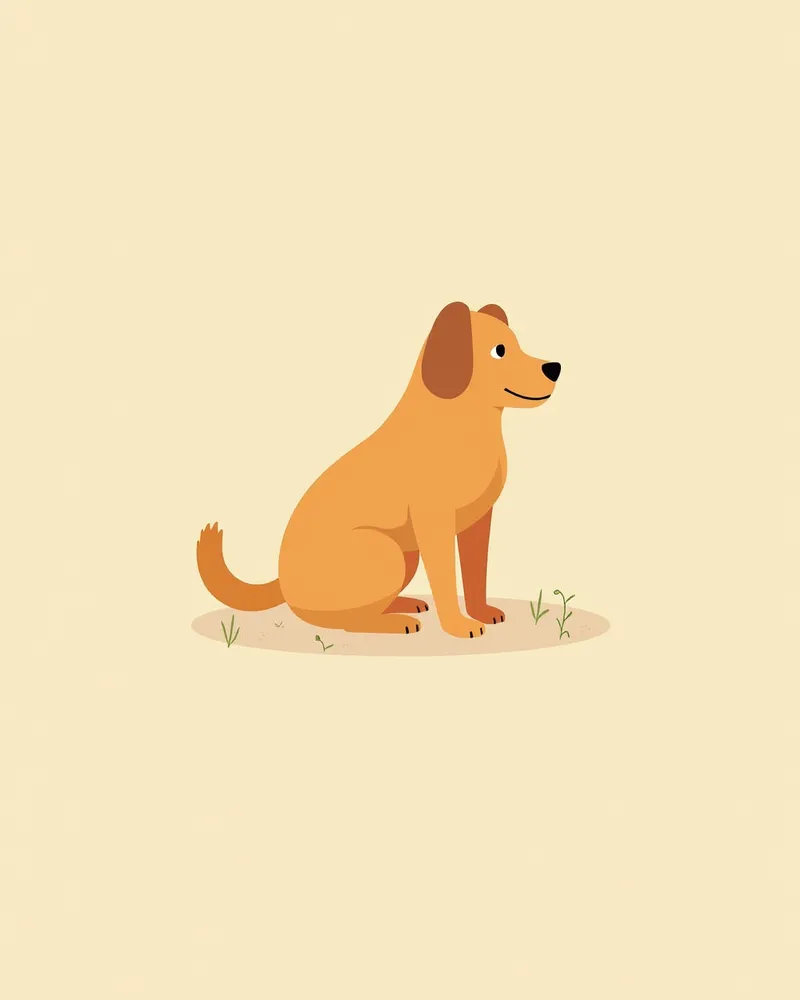
Cystine stones in dogs are primarily caused by genetic defects. A reduced ability of the proximal tubules to reabsorb amino acids, including cystine, leads to impaired amino acid transport proteins. This condition may also occur alongside systemic amino acid transport disorders such as Fanconi syndrome. As a result, excessive cystine is excreted in the urine, creating a supersaturated state. When urine concentration increases, crystals form more easily. Inadequate water intake can concentrate the urine and promote stone formation, so careful attention is needed. - Genetic predisposition: Certain breeds show a higher incidence, and genetic testing can help assess risk. - Urine concentration: Drinking plenty of water dilutes the urine and reduces the risk of stone formation. Early diagnosis and proper management are key to treatment.
A diagram explaining the genetic mechanism of canine cystine urolithiasis

What are the main symptoms of cystine urolithiasis?
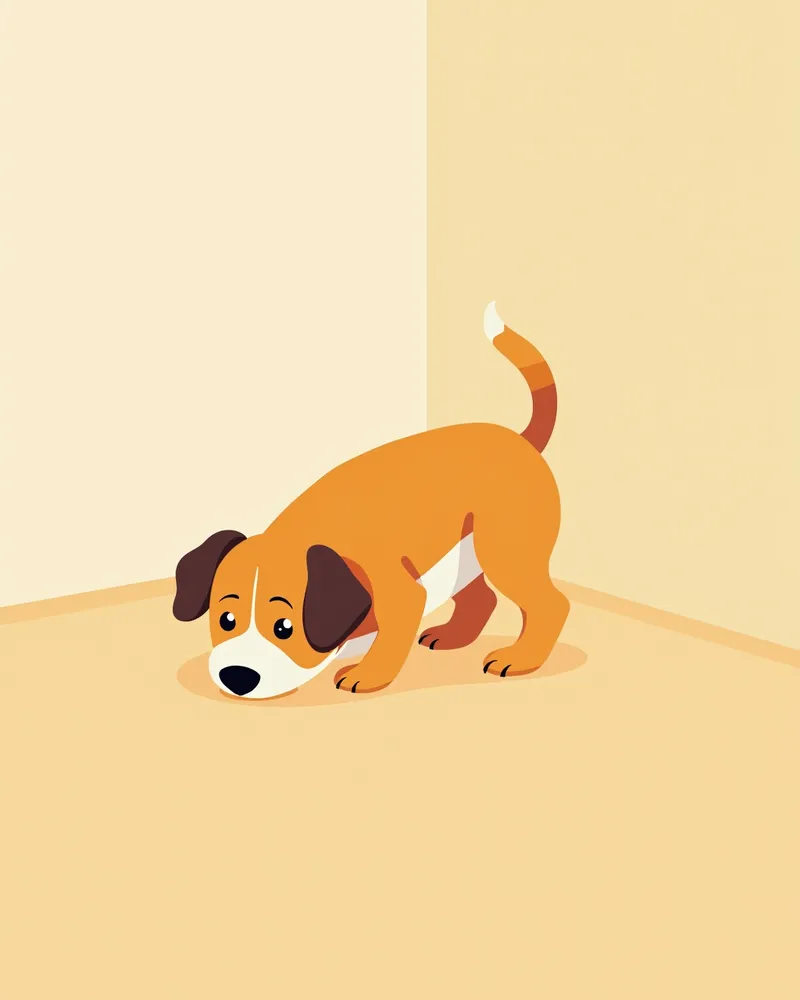
The main symptoms of cystine urolithiasis in dogs include frequent urination, signs of pain during urination, and blood in the urine. Your dog may strain to urinate but produce little or no urine, or continue attempting to urinate even after finishing. In severe cases, urinary tract obstruction can occur, which is a life-threatening emergency. Additional signs may include lethargy, decreased appetite, and changes in elimination habits. - Signs of urinary obstruction: If your dog is unable to pass urine at all, seek veterinary care immediately. - Changes in urine: If the urine appears dark or contains blood, schedule a veterinary examination right away. Early detection significantly improves treatment outcomes.
A puppy struggling with urination

Signs requiring immediate veterinary attention

If your dog tries to urinate but nothing comes out, or shows severe pain while attempting to do so, take them to the vet immediately. This could be a sign of a urinary tract obstruction, which is a life-threatening emergency if not treated promptly. A complete blockage of the urinary tract is extremely dangerous, so it’s crucial for pet owners to act quickly.

How is it diagnosed?
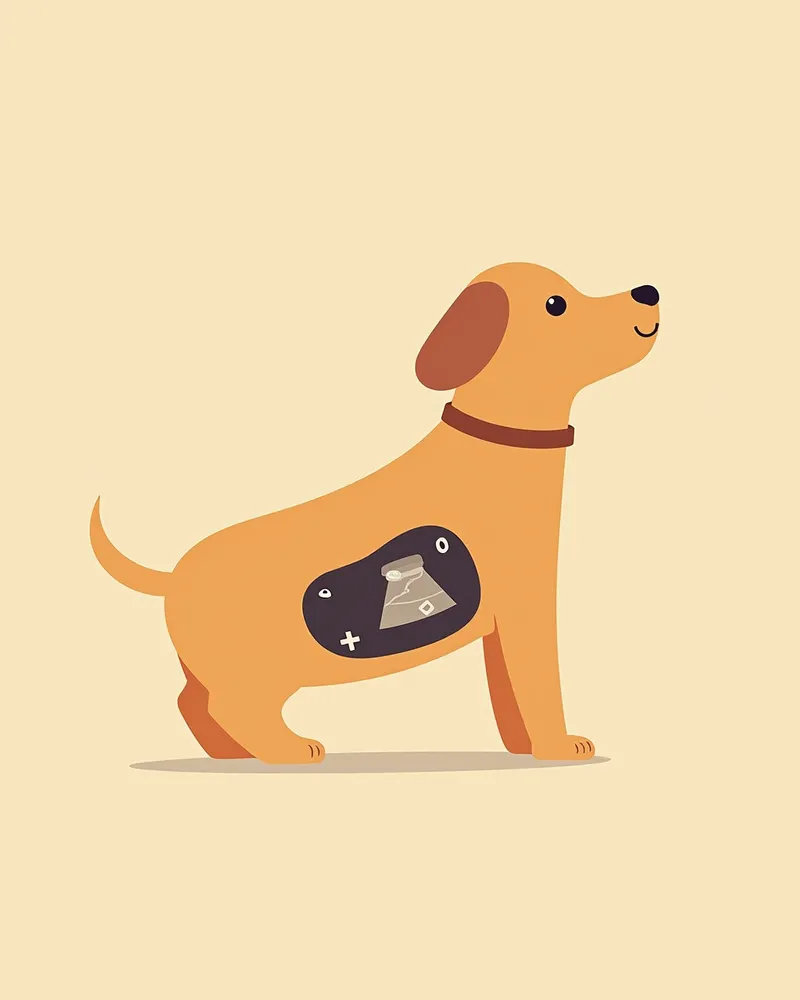
Cystine stones in dogs can be suspected when a urinalysis reveals characteristic hexagonal crystals. X-rays or ultrasound are used to determine the location and size of stones within the urinary tract, while genetic testing helps identify the underlying cause. Urine pH and concentration also serve as important diagnostic indicators. Veterinary clinics typically combine multiple tests to reach an accurate diagnosis. - Urinalysis: Hexagonal crystals are a hallmark sign of cystine stones. - Imaging tests: These help accurately determine the size and location of the stones. - Genetic testing: Essential for at-risk breeds or dogs with a family history, as early diagnosis forms the foundation of effective management.
An ultrasound examination to diagnose urinary tract stones in a puppy

What are the treatment options?

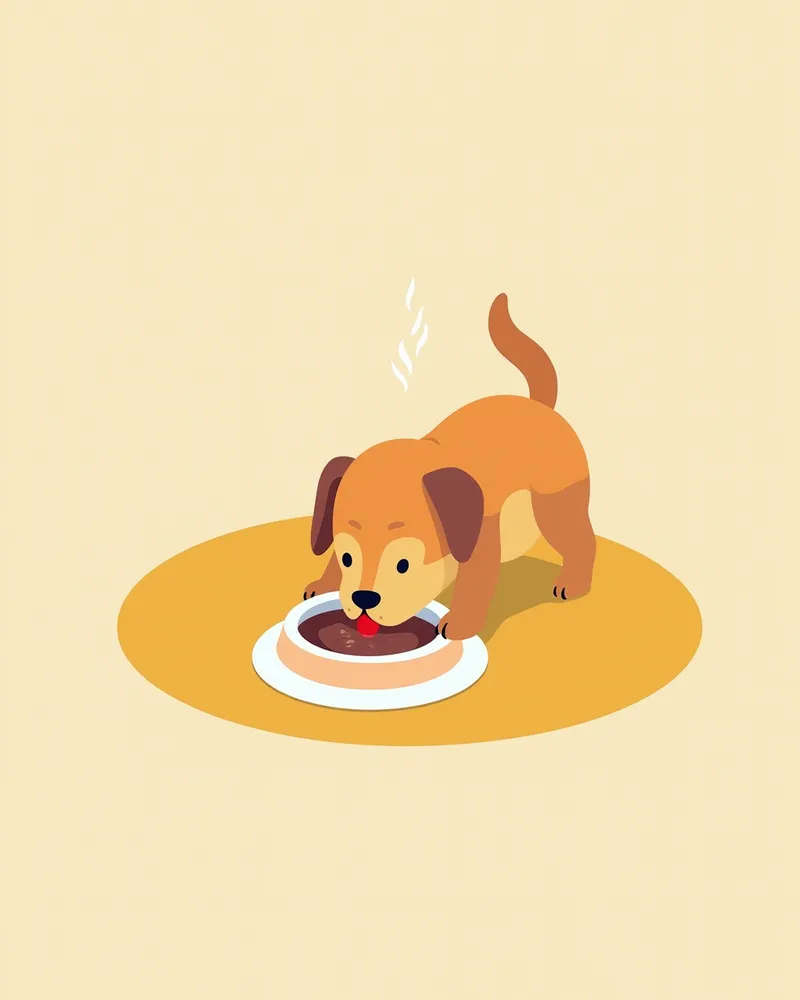
Treatment involves medication, surgery, and dietary management. Medications are used to alkalinize the urine and reduce cysteine excretion. If stones are large or obstructing the urinary tract, surgical removal is necessary. Dietary management is crucial for maintaining urine dilution and regulating urine pH to prevent stone formation. The goal is to reduce excess cysteine through specialized diets, requiring long-term management and regular check-ups. - Medication: Effective for regulating urine pH and inhibiting cysteine; drugs such as 2-MPG are used. - Surgical Indications: Performed when stones are large or pose a risk of obstruction. - Dietary Management: Central to long-term care, requiring specialized diets. Treatment success begins with consistent management.
A puppy eating cystine stone-specific diet food

Prevention and daily management tips

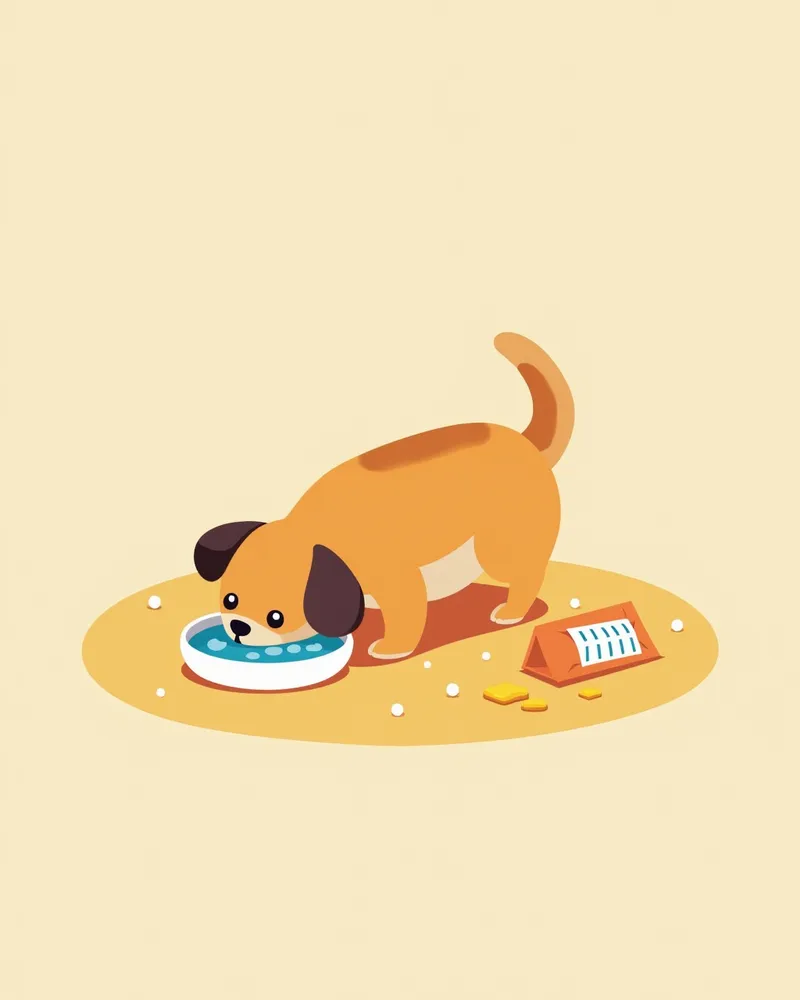
Preventing cystine stones in dogs starts with increasing water intake. Encourage your dog to drink plenty of water daily, using water bottles or flowing water devices to entice them. It is important to dilute the urine and alkalinize the pH through a specialized diet. Regular urinalysis helps detect early signs, and genetic testing allows for the early identification of at-risk dogs. Since stress can also affect urinary tract health, maintain a stable environment. - Water intake: Adequate hydration helps dilute the urine and prevent stone formation. - Dietary management: Prescription diets help regulate urine pH and reduce concentration. - Regular check-ups: Urinalysis and health examinations are recommended every six months. Prevention is more important than treatment.
Water and specialized diet to prevent cystine stones in dogs

Comparison of preventive diets for cystine urolithiasis

ItemProtein ContentCystine Suppression EffectRecommended Breeds
Low-Protein Prescription DietLowModerateYes
Moisture-Enriched DietModerateHighYes
Regular DietHighLowNo

Please proceed with dietary management after consulting a veterinarian. A customized choice is needed depending on genetic risk level.

Points to note

Cystine stones in dogs are caused by a genetic condition, making them prone to recurrence and requiring consistent daily management. If dietary control is discontinued or water intake is reduced, the urine becomes more concentrated, which can lead to the formation of new stones. Rather than aiming for a complete cure, the most important approach is to prevent recurrence through ongoing dietary and hydration management, along with regular veterinary check-ups.

Reviewed by a veterinarian

Dr. Tony — Punnawat Phongkittirak

Dr. Tony — Punnawat Phongkittirak

Veterinarian

A veterinarian who majored in veterinary medicine at Khon Kaen University, Thailand, and completed the IVSA program at North Carolina State University in the United States. Drawing on clinical experience at animal hospitals, he works in the pet healthcare field and is dedicated to building a digital care environment that connects pet parents with veterinarians.

Frequently Asked Questions

Can cystine stones in dogs be treated?
Yes, if detected early and treated appropriately, most cases can be effectively managed. Medication and dietary adjustments can significantly inhibit stone formation and recurrence, while surgery may be necessary for large stones or urinary tract obstructions.
Which breeds are prone to cystine stones?
The risk of occurrence is known to be high in Newfoundland, English Bulldog, Dachshund, Chihuahua, Mastiff, Australian Cattle Dog, Bullmastiff, and American Staffordshire Terrier breeds, with a strong genetic predisposition.
Can dietary management alone dissolve urinary stones?
Small stones may be dissolved through dietary management that alkalinizes and dilutes the urine, along with medication. However, surgery may be necessary for larger stones or those causing urinary tract obstruction. Dietary management also helps prevent recurrence.
What tests should be done for prevention?
Regular urine tests and imaging studies, such as ultrasounds or X-rays, are recommended. Additionally, genetic testing can help identify at-risk breeds for early monitoring.
If my dog has had urinary stones, is it safe to keep him with other dogs?
Yes, cystine stones are not contagious to other dogs, so it's perfectly fine to keep them together. However, to prevent recurrence, it's important to ensure adequate water intake, proper dietary management, and regular veterinary check-ups.

Share

Related Guides

References

[1] Plumb's Veterinary Drug Handbook, 9th Edition. Wiley-Blackwell, 2021.

[2] Applied Veterinary Clinical Nutrition, 2nd Edition. Wiley-Blackwell, 2020.

[3] Urinalysis in the Dog and Cat. Elsevier, 2018.

This information is based on veterinary literature and does not replace diagnosis or treatment. Please consult a veterinarian for specific health concerns.

Metapet Co., Ltd. | CEO: Park Sung-yong | Business Reg. No. 417-88-02562 | Seoul, South Korea | Customer Center

5 FAQs About Cystine Stones in Dogs | Meongsiljang