
Why Dogs Love Human Food and How to Handle It Safely
It’s natural for dogs to react to human food due to a combination of their sense of smell, instincts, and learned behaviors. However, certain foods can be harmful to their immune system, liver, and kidneys, so it’s important to distinguish between safe and unsafe options.
Why Dogs Love Human Food
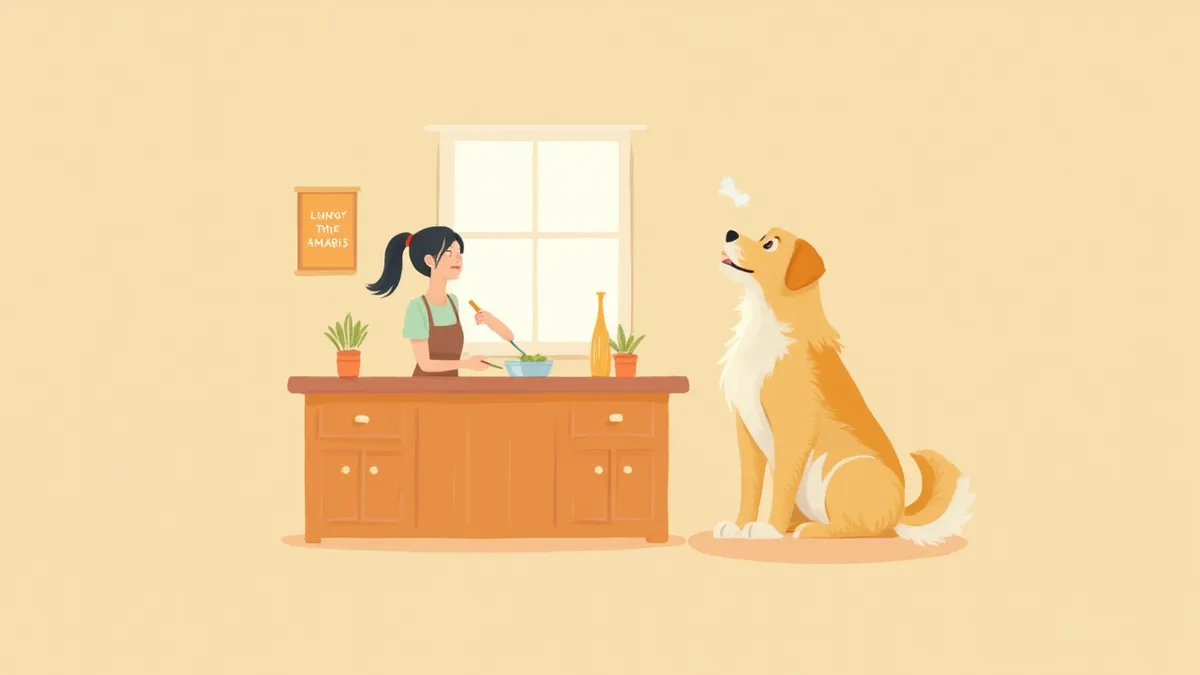
3 Core Reasons Dogs Are Drawn to Human Food
Safety Comparison of Commonly Requested Human Foods
| Item | OK in Small Amounts | Caution / Limit | Absolutely Forbidden |
|---|---|---|---|
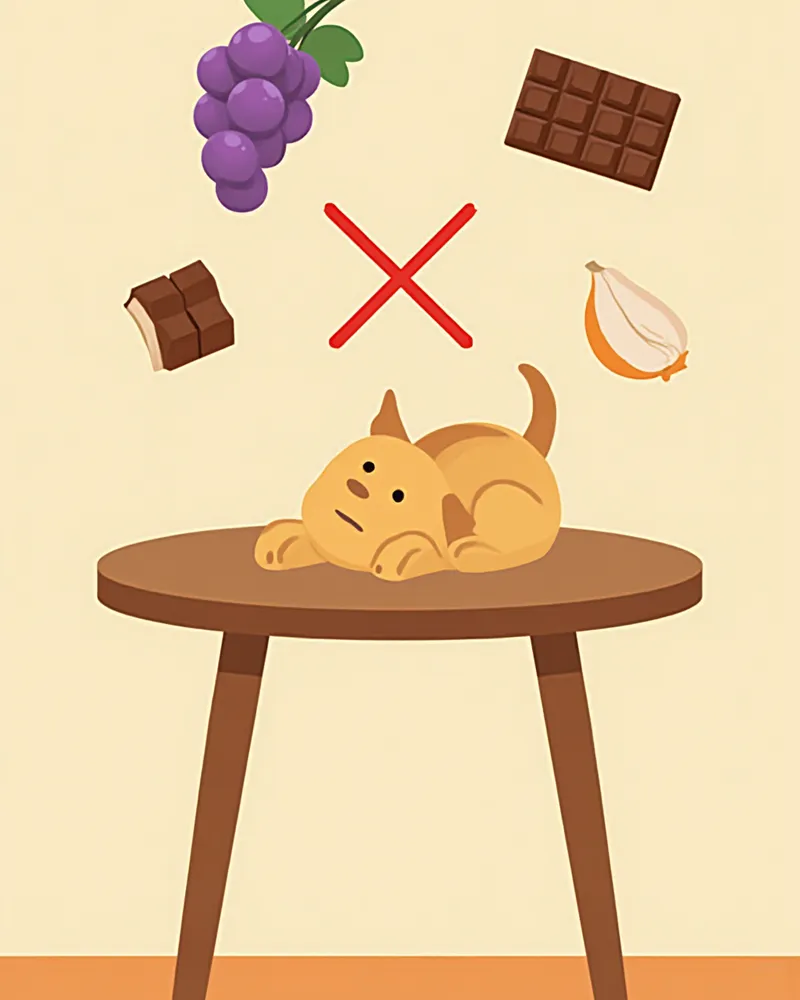
| Representative foods | Boiled chicken breast, carrot, cucumber, apple (seeds removed) | Cheese, bread, banana, sweet potato | Grapes/raisins, onion/garlic, chocolate, xylitol |
| Effect on immunity/organs | Helps supplement protein and hydration | Increased risk of obesity and pancreatitis | Causes acute kidney failure, hemolysis, hypoglycemia |
| Feeding guideline | Within 10% of total daily food intake | Occasionally, in very small amounts | Not even a taste allowed |
Even the same food can pose different levels of risk depending on body weight and underlying conditions. Always consult your veterinarian before giving any new food for the first time.
Foods Dangerous Even in a Single Bite — Keep in Mind
Go to the Vet Immediately If You See These Signs
If your pet shows any of the following symptoms after eating human food, take them to a 24-hour veterinary clinic immediately. Even if they seem sluggish, internal organs may already be damaged. - Repeated vomiting or diarrhea (especially with blood or mucus) - Lethargy, stumbling, or seizures - Pale or yellow gums - Sudden decrease or increase in urine output When visiting the clinic, bring a note or the packaging indicating what your pet ate, when, and how much. This will help speed up the diagnosis.
How to Reduce Food Obsession at the Dining Table
The Relationship Between Human Food and a Dog’s Immune System
When to Completely Avoid Giving Human Food
Dogs with underlying health conditions may be at risk even from "safe" human foods. Please avoid giving these foods without your veterinarian's approval in the following cases: - History of pancreatitis (sensitive to fat) - Kidney or heart disease (requires sodium and phosphorus restriction) - Allergies or atopic dermatitis (risk of protein cross-reactivity) - Puppies under 1 year old or senior dogs (10 years and older) — due to reduced digestive and detoxification capacity If your dog is on a prescription diet, feeding any food other than the prescribed one can compromise its therapeutic effectiveness.
Reviewed by a veterinarian

Dr. Tony — Punnawat Phongkittirak
VeterinarianA veterinarian who majored in veterinary medicine at Khon Kaen University, Thailand, and completed the IVSA program at North Carolina State University in the United States. Drawing on clinical experience at animal hospitals, he works in the pet healthcare field and is dedicated to building a digital care environment that connects pet parents with veterinarians.
Reviewed 2026-04-28
Frequently Asked Questions
Is your dog begging for human food out of habit or instinct?
Even in very small amounts, are chocolate and grapes safe?
My pet prefers human food over their regular kibble. How can I correct this behavior?
Is there any first aid I can do at home if my pet sneaks and eats human food?
I’ve heard that it’s better for puppies if they’ve never been given human food before. Is that really true?
Share
Related Guides
Primary vs. Secondary Veterinary Hospitals: A Comparison
5 Easy-to-Raise Cat Breeds for First-Time Owners — Grooming Difficulty Comparison
Top 7 Short-Legged Dog Breeds
The Complete Guide to Anticancer Chemotherapy Protocols (CHOP and COP)
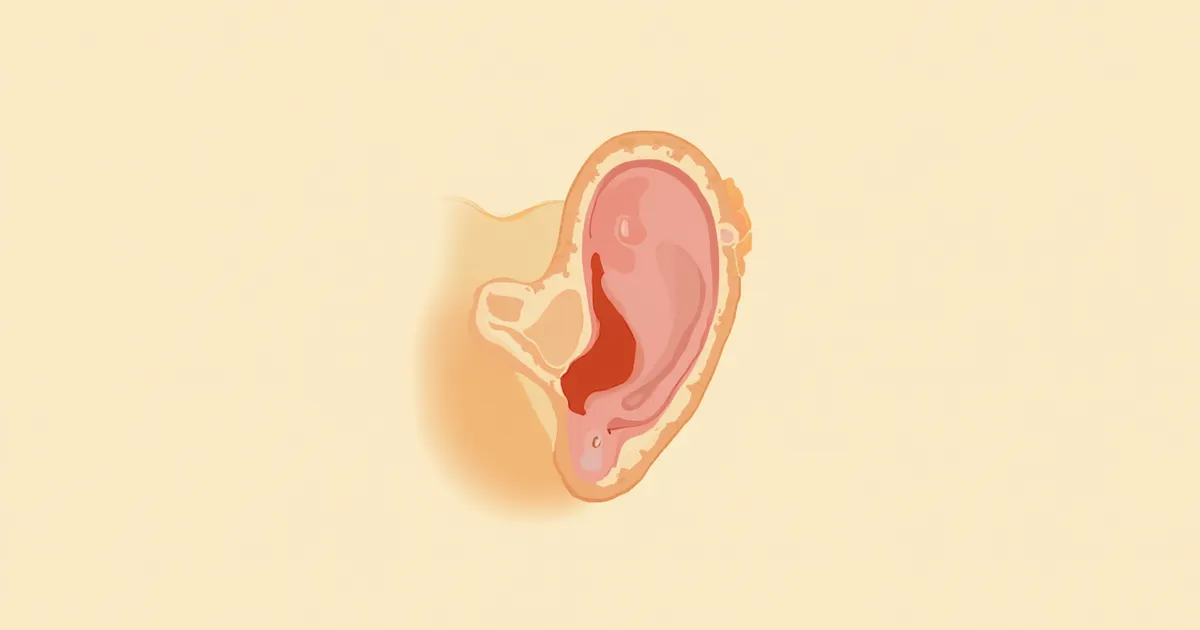
Dog and Cat Ear Structure (External Ear Canal, Eardrum, Middle Ear)
Complete Emergency Guide to Canine Aural Hematomas

Could My Dog Have Congenital Deafness? — High-Risk Breeds Like Dalmatians and Early Signs

Feline Deafness (White Coat Blue Eye Syndrome) Guide
The Ultimate Guide to Dog Ear Cleaning Methods and Frequency
Step-by-Step Guide to Treating Ear Mites in Cats
References
[1] Hand, M.S. et al., Small Animal Clinical Nutrition, 5th ed., Mark Morris Institute
[2] National Research Council, Nutrient Requirements of Dogs and Cats, 2006
[3] Cortinovis, C. & Caloni, F., Household Food Items Toxic to Dogs and Cats, Frontiers in Veterinary Science, 2016