
Like
Share
멍실장
강아지 신우신염(세균성 신장감염) 자주 묻는 질문 Q&A — 보호자가 꼭 알아야 할 핵심

What is Pyelonephritis in Dogs? — Bacterial Kidney Infection and Its Symptoms

KidneyQ&AMeongsiljang Veterinary Advisory Board

Pyelonephritis in dogs is a serious infectious disease caused by bacteria invading the kidneys. Early detection and appropriate treatment are key to survival and recovery.

What is Pyelonephritis (Bacterial Kidney Infection) in Dogs?
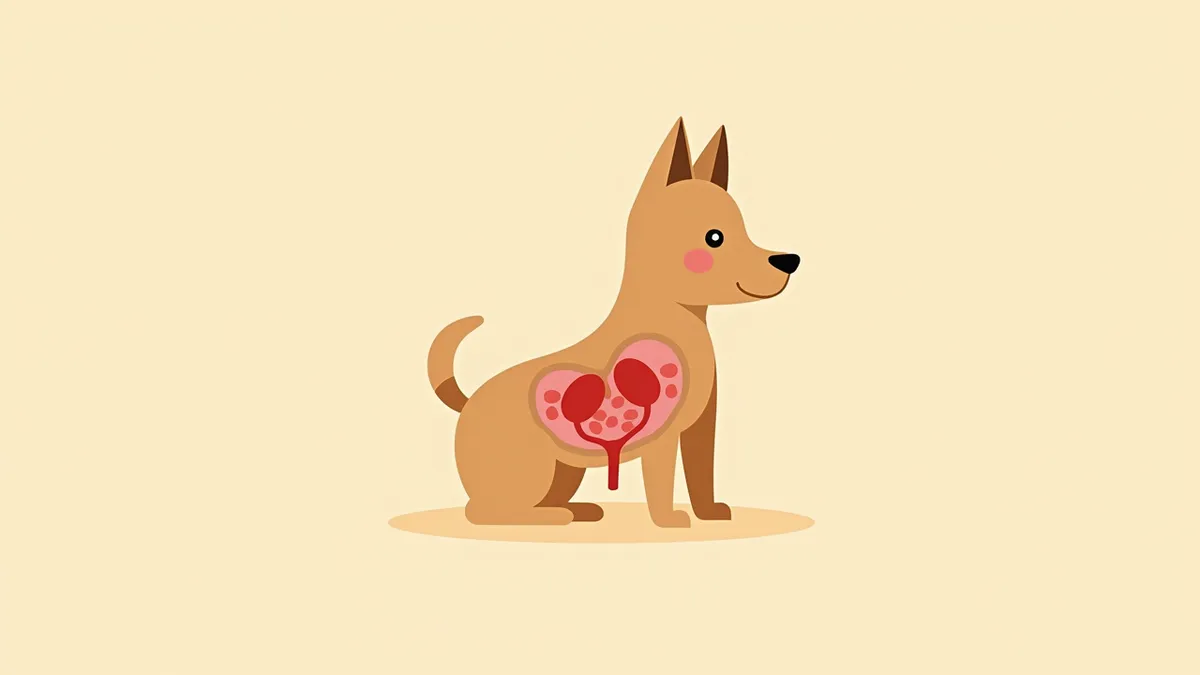
An anatomical diagram of a dog’s urinary tract, with the infected areas in the kidneys and ureters marked by red dots.
Pyelonephritis in dogs is a serious infectious disease caused by bacteria traveling up the urinary tract to the kidneys (ascending infection). - Bacterial kidney infection: If cystitis or urethritis is not properly treated, bacteria can spread to the kidneys, leading to pyelonephritis. Rarely, it can also occur through hematogenous spread (via the bloodstream). - Kidney function damage: Inflammation and damage to kidney tissue can lead to chronic kidney changes. - High-risk groups: It is more common in female dogs with shorter urethras, dogs with chronic diseases or weakened immune systems, and those with urinary tract obstructions or structural abnormalities. - Importance of early diagnosis: Early symptoms may be mild or intermittent, making early detection and treatment crucial. - Timing of treatment: Immediate veterinary care is necessary once symptoms appear.

Why Do Dogs Get Pyelonephritis?

The primary cause of pyelonephritis in dogs is the spread of a urinary tract infection. - Spread of urinary tract infection: If cystitis or urethritis is left untreated, bacteria can ascend to the kidneys, triggering pyelonephritis. - Abnormalities in urinary tract structure: Structural anomalies in the ureters or vesicoureteral reflux facilitate bacterial invasion. - Weakened immune system: In senior dogs or those with compromised immunity due to illness, the risk of infection increases. - Impact of underlying conditions: Underlying diseases such as diabetes mellitus or kidney disease make dogs more susceptible to infection. - Post-procedural infection: Infections can occur following medical procedures such as ureteral catheterization or urinary catheterization.
A veterinary technician is inserting a urinary catheter into a dog in a sterile environment.

What Are the Main Symptoms of Pyelonephritis?

In dogs with pyelonephritis, symptoms such as fever, lethargy, abdominal or back pain, and urinary abnormalities may occur. - Fever and fatigue: Elevated body temperature and lethargy may be observed. Although rare, if the infection spreads systemically (sepsis), the condition can become critical. - Urinary abnormalities: Hematuria (blood in the urine) and strongly odorous urine may be noticed. Due to impaired renal concentrating ability, dogs may drink more water and produce larger volumes of urine (polydipsia and polyuria). - Gastrointestinal symptoms: Loss of appetite and vomiting may accompany the condition. - Abdominal pain and restlessness: The dog may show pain when the abdomen or back is touched, or exhibit reduced movement. - Need for early detection: Symptoms may be mild or intermittent; therefore, if they persist, immediate veterinary consultation is essential.
Seeing your dog pass blood-tinged urine in the litter box, with the owner looking worried.

Signs That Require an Immediate Vet Visit

If your dog shows signs of severe abdominal pain or is unable to urinate at all, you should take them to the vet immediately. These symptoms could indicate a urinary tract obstruction or a sudden decline in kidney function. Delaying treatment may lead to more severe kidney damage.

How Is Pyelonephritis Diagnosed?
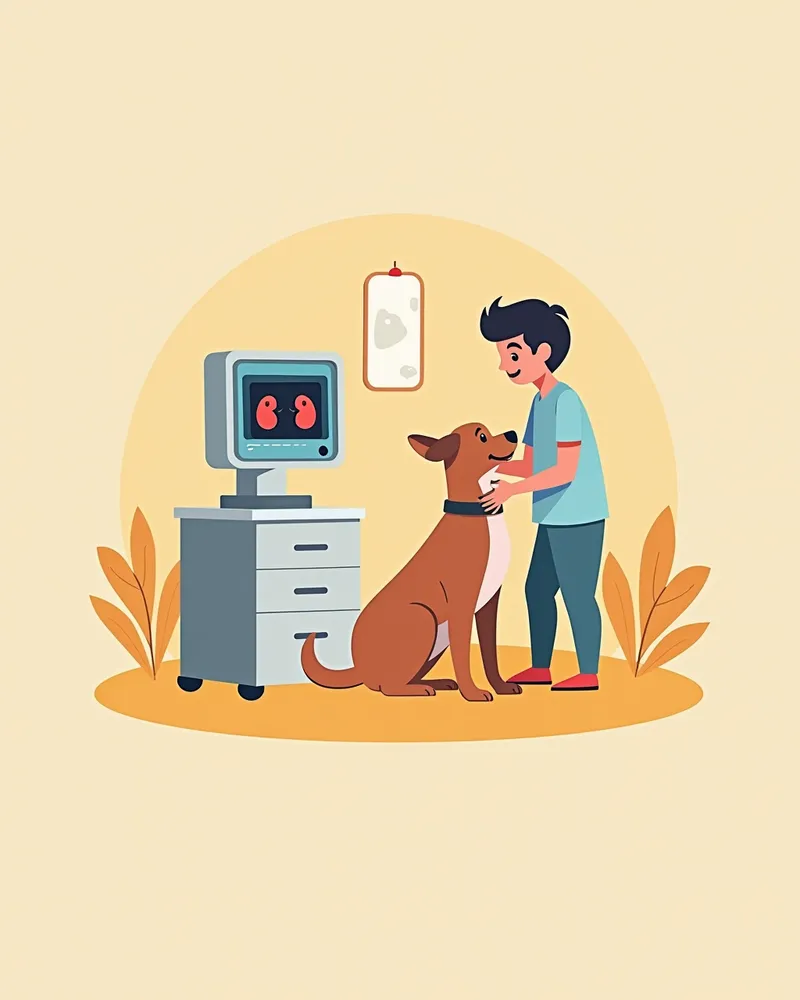
Veterinarians diagnose pyelonephritis by integrating the results of several tests. - Blood tests: Elevated kidney function markers (creatinine and BUN) suggest kidney damage, but in acute pyelonephritis with adequate hydration, these values often remain within normal ranges. An increase in white blood cells (neutrophilia with a left shift) may also be observed. - Urinalysis: Increased white blood cells, bacteria, and protein indicate infection. The presence of white blood cell casts (WBC casts) strongly suggests inflammation within the kidneys. - Urine culture: To identify the specific bacteria and determine the appropriate antibiotic, it is important to perform a culture on urine collected aseptically via cystocentesis. - Ultrasound examination: This allows for visual assessment of changes in kidney size or structural abnormalities. - Definitive diagnosis: Pyelonephritis is confirmed and a treatment plan is established by synthesizing the results from these various tests.
A veterinarian using an ultrasound device on a dog's abdomen, with kidney images visible on the screen.

What Are the Treatment Methods for Pyelonephritis?
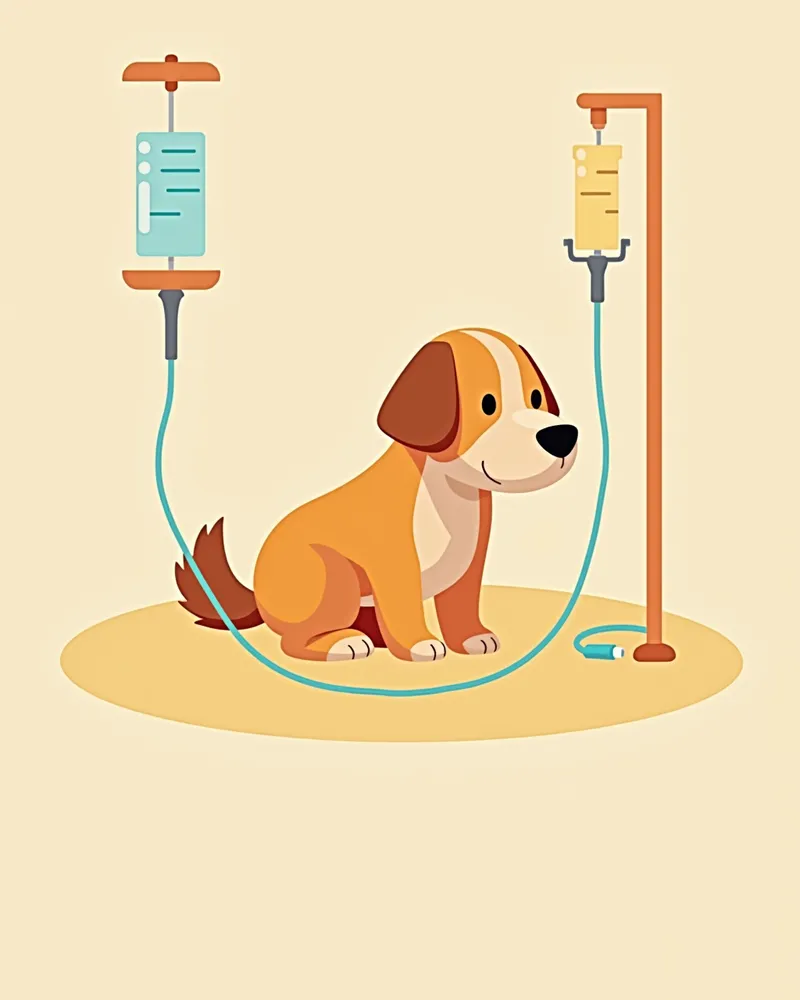
The key to treating pyelonephritis is completely eliminating the infection with appropriate antibiotics. - Antibiotic therapy: Antibiotics are selected based on culture and sensitivity test results, and typically need to be administered consistently for several weeks. Stopping medication prematurely can lead to recurrence. If culturing is difficult, treatment may begin with empirical antibiotics such as amoxicillin/clavulanate. - Hospitalization may be required: In severe cases, hospitalization is necessary to administer fluids and antibiotics intravenously. - Management of underlying conditions: Underlying risk factors such as diabetes, kidney disease, and urinary stones must be identified and managed concurrently. - Adherence to treatment duration: Consistently completing the full course of medication without interruption is essential for recovery. - Follow-up testing: After treatment, urine tests and cultures are required to confirm complete resolution of the infection.
A dog receiving an intravenous injection at the hospital, with the medical team monitoring

Home Care Points

Home care is crucial for your dog’s recovery from pyelonephritis. - Medication adherence: Administer antibiotics consistently at the prescribed times and do not stop them prematurely. - Hydration: Ensure your dog drinks plenty of water to prevent dehydration and support urination. Adequate hydration also aids in diagnosis and recovery. - Dietary management: Offer easily digestible food to encourage eating and restore energy. Consult your veterinarian before making any dietary changes. (Renal prescription diets, such as low-protein formulas, should be considered only if chronic kidney disease is also present.) - Environment: Keep the litter or potty area clean and provide a quiet space to minimize stress. - Activity level: Avoid excessive exercise during recovery and ensure your dog gets plenty of rest.
A dog drinking water from a clean bowl in a quiet environment

Comparison of Responses by Pyelonephritis Treatment Stage

ItemMain SymptomsMain TreatmentPrognosis
MildFever, increased urinary frequencyOral antibioticsGood
ModerateVomiting, abdominal pain, decreased appetiteIntravenous antibiotics + hospitalizationFair
SevereInability to urinate, dehydration, hematuriaAggressive fluid therapy + possible surgeryUncertain

The timing of treatment and appropriate antibiotic selection have a major impact on prognosis.

Reviewed by a veterinarian

Dr. Tony — Punnawat Phongkittirak

Dr. Tony — Punnawat Phongkittirak

Veterinarian

A veterinarian who majored in veterinary medicine at Khon Kaen University, Thailand, and completed the IVSA program at North Carolina State University in the United States. Drawing on clinical experience at animal hospitals, he works in the pet healthcare field and is dedicated to building a digital care environment that connects pet parents with veterinarians.

Frequently Asked Questions

Is pyelonephritis in dogs treatable?
Yes, with early diagnosis and appropriate antibiotic treatment, most cases can be fully cured. However, delayed treatment may lead to chronic kidney disease.
Can pyelonephritis recur?
Yes, the risk of recurrence is higher if there are underlying conditions (such as urinary stones or diabetes) or a weakened immune system. It is important to identify and manage these underlying risk factors together.
What should I feed my dog if it has pyelonephritis?
Pyelonephritis itself is a bacterial infection, so protein restriction isn’t necessarily required. It’s more important that your pet eats well and recovers, so offer easily digestible food. Only consider a renal prescription diet under your veterinarian’s guidance if your pet also has chronic kidney disease.
Should I stop giving the antibiotic?
Absolutely not. Stopping antibiotics early can allow bacteria to develop resistance or cause a relapse. It’s essential to complete the full course of medication as prescribed.
Which dogs are at higher risk for developing pyelonephritis?
Female dogs are at higher risk due to their shorter urethra, as are dogs with urinary tract structural abnormalities such as ectopic ureters (e.g., Golden Retrievers), immunocompromised dogs, and dogs with urinary obstruction or underlying medical conditions.

Share

Related Guides

References

[1] Plumb's Veterinary Drug Handbook, 9th Edition, 2022

[2] Small Animal Internal Medicine, 6th Edition, 2021

[3] Veterinary Clinical Medicine of the Dog and Cat, 2nd Edition, 2020

This information is based on veterinary literature and does not replace diagnosis or treatment. Please consult a veterinarian for specific health concerns.

Metapet Co., Ltd. | CEO: Park Sung-yong | Business Reg. No. 417-88-02562 | Seoul, South Korea | Customer Center

What Is Pyelonephritis in Dogs? Bacterial Kidney Infection | Meongsiljang