
Like
Share
멍실장
강아지 만성 신부전(CKD) 자주 묻는 질문 Q&A — 보호자가 꼭 알아야 할 핵심

Can Canine Chronic Kidney Disease (CKD) Be Cured? — A Complete Guide from Diet to Lifespan

KidneyQ&AMeongsiljang Veterinary Advisory Board

Early detection is key to managing chronic kidney disease (CKD) in dogs. Here’s a summary of essential questions and answers every pet owner should know.

What Is Canine Chronic Kidney Disease (CKD)?
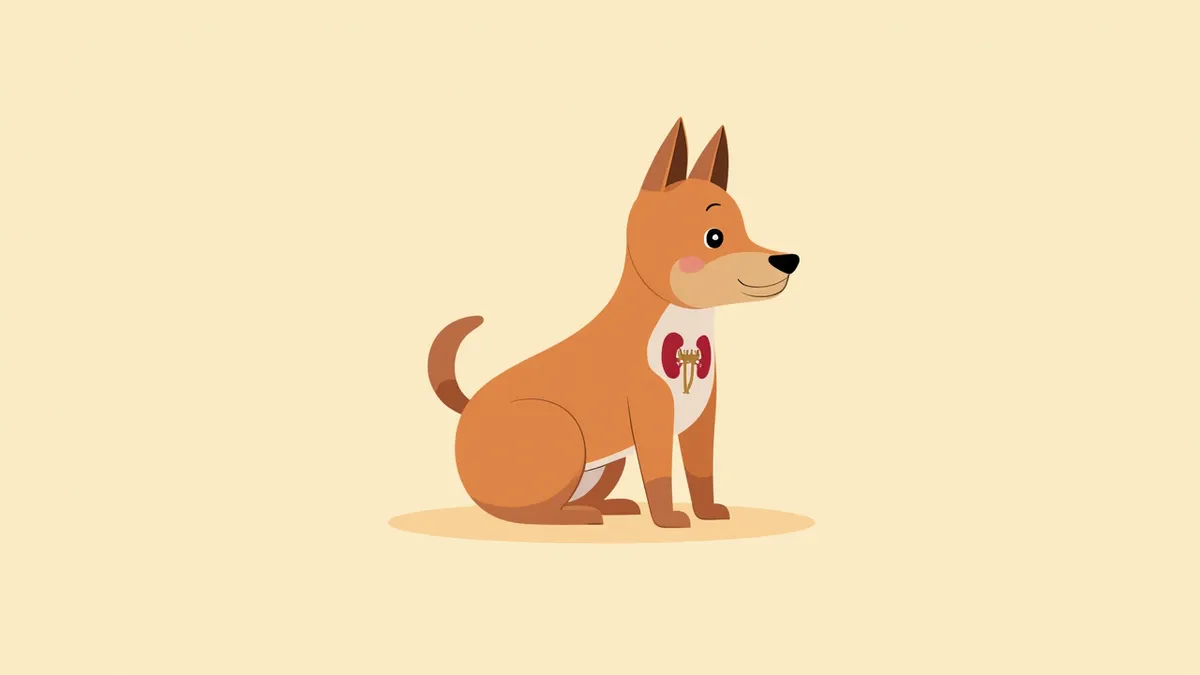
An anatomical illustration showing the structure of a dog's kidneys
Chronic kidney disease (CKD) in dogs is a chronic condition characterized by a gradual and irreversible decline in kidney function. While it is more commonly seen in older dogs, it can also occur in young dogs due to congenital or genetic factors, so it is not a disease limited to a specific age group. - Decline in kidney function: The kidneys are responsible for removing waste products and regulating fluid and electrolyte balance. When their function declines, toxins accumulate in the body. - Lack of early symptoms: The kidneys have significant reserve capacity, meaning symptoms often remain minimal until substantial damage has occurred, making it easy for pet owners to overlook early signs. - Diagnostic challenges: Early signs such as fatigue, decreased appetite, and increased water consumption can resemble general aging symptoms, leading to potential confusion. - Importance of regular check-ups: Early detection is possible through blood and urine tests. Early management is key to slowing disease progression and maintaining your dog’s quality of life.

Why Is Chronic Kidney Disease Often Not Detected Early?
Thanks to the kidneys’ reserve capacity, dogs with chronic kidney disease often show few symptoms until a significant portion of kidney function is already impaired. - Compensatory function: The remaining healthy kidney tissue can temporarily take over some of the lost functions, making the dog appear normal for a while. This makes it difficult to notice any abnormalities. As the kidney’s reserve capacity gradually declines, the disease may seem to have started suddenly. - Symptom similarity: Early signs such as fatigue, decreased appetite, and increased water intake can resemble normal aging, leading to confusion. - Lack of testing: Without regular health check-ups, early detection becomes challenging. - Need for early diagnosis: Blood and urine tests can assess kidney function and serve as the first step in early management. - Starting management: Early detection allows for dietary adjustments and medication to slow the progression of the disease.
A veterinarian performing a urinalysis on a senior dog.

What Are the Main Symptoms of Chronic Kidney Disease?

The main symptoms of chronic kidney disease in dogs are as follows. Since multiple symptoms may occur simultaneously, close attention is required.
Excessive thirst: There is a sudden increase in the frequency of drinking water.
Frequent urination or decreased urine output: The dog may urinate frequently, or conversely, produce less urine.
Loss of appetite: The dog may refuse treats or kibble, or vomit shortly after eating.
Weight loss: Muscle weakness and loss of body mass occur.
Vomiting or nausea: These are reactions caused by the accumulation of toxins in the stomach.
Severe bad breath: The breath may have an ammonia-like odor.
A slightly sleepy puppy lying next to a water bowl.

Signs That Require Immediate Veterinary Care

If your dog suddenly vomits severely or stops urinating altogether, seek veterinary care immediately. These signs may indicate a rapid decline in kidney function or a critical state due to dehydration. Additionally, extremely foul breath and profound weakness are red flags that require emergency intervention. Early treatment significantly improves survival rates.

Symptoms and Management by Stage of Chronic Kidney Disease

ItemMain SymptomsMain Test ResultsMain Management
Early (Stage 1)Decreased appetite, increased water intakeSlightly elevated blood creatinineFluid supplementation, dietary adjustment
Middle (Stages 2–3)Vomiting, weight loss, fatigueElevated creatinine and BUN, increased SDMARenal protective diet, medication
Late (Stage 4)Persistent vomiting, lethargy, no urinationStrong ammonia odor, electrolyte abnormalitiesFluid therapy, hemodialysis (if available)

SDMA is a highly sensitive indicator for detecting early kidney damage.

What Tests Are Needed for Diagnosis?

Chronic kidney disease in dogs is diagnosed through blood and urine tests. Blood tests check levels of creatinine, BUN, phosphorus, and calcium, while urine tests assess concentration (USG) and the presence of protein leakage. The SDMA marker, in particular, can detect early declines in kidney function. Ultrasound imaging helps evaluate kidney size and structure, playing a crucial role in identifying any abnormalities.
A veterinarian examining a dog's abdomen with an ultrasound.

How Should Treatment and Management Be Handled?

Treating chronic kidney disease in dogs focuses on relieving symptoms and preserving kidney function. Here are the main management strategies:
Renal-support diet: Feed a specialized diet with controlled levels of protein and phosphorus.
Fluid therapy: If water intake is insufficient, provide fluids via injection.
Medication: Prescribe medications tailored to symptoms such as high blood pressure, vomiting, and anemia.
Blood test monitoring: Check the dog’s condition through blood tests every 1 to 3 months.
Stable environment: Minimize stress and maintain a consistent daily routine.
A puppy eating kidney-supportive food next to the veterinarian

Precautions: Contraindicated Medications and Dietary Management

For dogs with chronic kidney disease, it is safest to avoid using pain relievers or anti-inflammatory medications without consulting a veterinarian. Since the kidneys are involved in excreting many drugs, extra caution is required when selecting medications and determining dosages if kidney function is impaired. Additionally, high phosphorus levels in regular dog food or treats can place additional strain on the kidneys, so we recommend a renal prescription diet formulated to limit phosphorus. Pet owners should always consult their veterinarian before choosing any medications or foods.

Reviewed by a veterinarian

Dr. Tony — Punnawat Phongkittirak

Dr. Tony — Punnawat Phongkittirak

Veterinarian

A veterinarian who majored in veterinary medicine at Khon Kaen University, Thailand, and completed the IVSA program at North Carolina State University in the United States. Drawing on clinical experience at animal hospitals, he works in the pet healthcare field and is dedicated to building a digital care environment that connects pet parents with veterinarians.

Frequently Asked Questions

Can chronic kidney disease in dogs be cured?
While a complete cure remains difficult at this time, proper management can extend your pet’s lifespan by several years. Early detection and consistent care are key.
Is it normal for senior dogs to always be drinking water?
Increased thirst in senior dogs can be an early sign of declining kidney function. If you notice a sudden increase in water consumption, it’s best to consult your veterinarian.
Can dietary management alone be effective?
Dietary management is the cornerstone of treatment. Consistently feeding a kidney-support diet helps slow the progression of kidney damage and alleviates symptoms. However, medication and regular diagnostic tests must also be used in conjunction with dietary changes.
Does a high creatinine level on a blood test always mean kidney disease?
A high creatinine level doesn’t necessarily mean kidney disease. Factors like dehydration, which reduces blood flow to the kidneys, or a meat-heavy meal right before the test, as well as muscle mass, can also affect the results. That’s why we shouldn’t rely on blood tests alone; instead, we should make a comprehensive assessment together with urine tests, including urine concentration and protein levels.
Can dogs with chronic kidney disease still go for walks?
Walks should be gradually adjusted to your pet's stamina. Overexertion can lead to increased stress and a higher risk of dehydration. Close observation by the owner is essential.

Share

Related Guides

References

[1] Notes on Canine Internal Medicine, 4th Ed, 2023

[2] Urinalysis in the Dog and Cat, 2022

[3] Clinical Medicine of the Dog and Cat, 4th Ed, 2021

This information is based on veterinary literature and does not replace diagnosis or treatment. Please consult a veterinarian for specific health concerns.

Metapet Co., Ltd. | CEO: Park Sung-yong | Business Reg. No. 417-88-02562 | Seoul, South Korea | Customer Center

Can Canine CKD Be Cured? Complete Guide from Diet to Lifespan | Meongsiljang