Like
Share
멍실장
강아지 쿠싱 증후군(부신피질기능항진증) 자주 묻는 질문 Q&A — 보호자가 꼭 알아야 할 핵심

Canine Cushing’s Disease (Hyperadrenocorticism) FAQ — Key Information for Pet Owners

EndocrineQ&AMeongsiljang Veterinary Advisory Board

Cushing’s disease in dogs is a condition characterized by excessive hormone secretion from the adrenal cortex, with symptoms such as increased water consumption, frequent urination, and abdominal enlargement. Early diagnosis and appropriate treatment are essential.

What is Canine Cushing’s Disease?
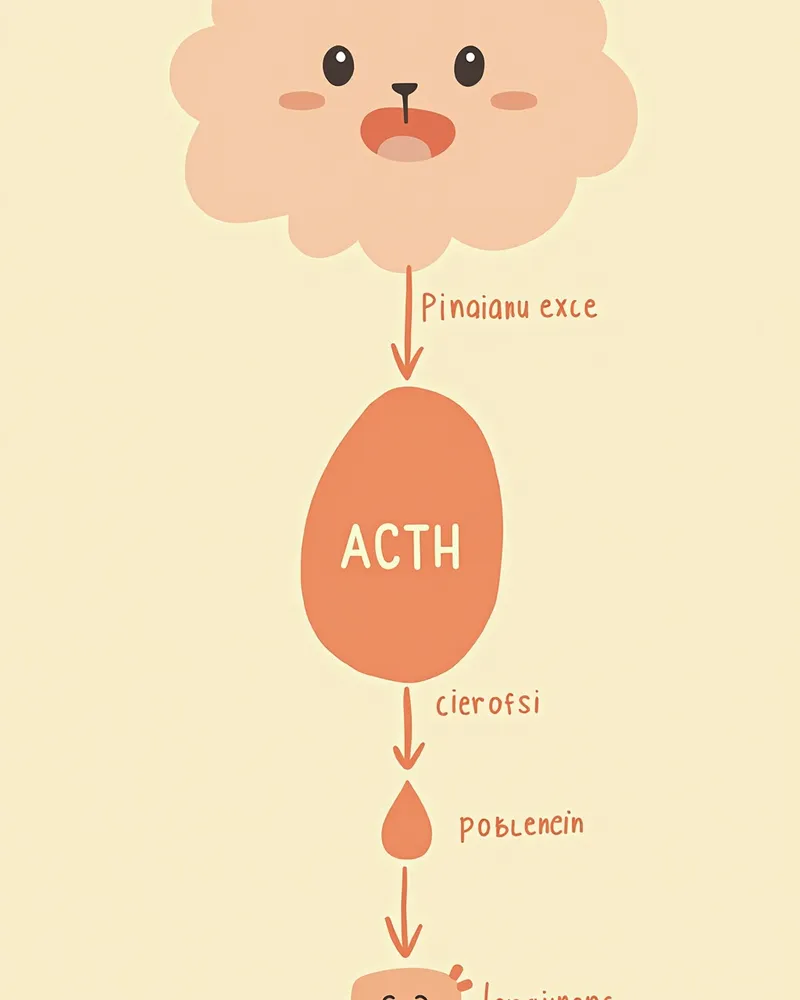
Anatomical structures involved in canine hyperadrenocorticism
Canine Cushing’s disease is an endocrine disorder caused by excessive secretion of cortisol (a glucocorticoid) from the adrenal cortex. It commonly affects middle-aged to senior dogs, with certain breeds such as Dachshunds, Boxers, Boston Terriers, and Miniature Poodles known to have a higher risk. Typical signs include increased thirst and urination, a distended “pot-bellied” abdomen, symmetrical hair loss on both sides of the body, and thinning skin. Because symptoms develop gradually, they can be easily overlooked in the early stages, so vigilance is important. Early detection and appropriate treatment can significantly improve your dog’s quality of life. - Cushing’s disease: Hyperadrenocorticism caused by excess cortisol. - Excess cortisol: An abnormally high level of a hormone that affects metabolism and immune function. - Early detection: Essential, as symptoms can resemble those of other conditions, requiring accurate diagnostic testing. - Treatable: In most cases, symptoms can be stabilized with medication and proper management.

What Causes Cushing’s Disease?

The most common cause is a microadenoma of the pituitary gland, accounting for approximately 85% of all cases. This tumor causes excessive secretion of ACTH, which continuously stimulates the adrenal cortex to produce cortisol. The remaining 15% of cases involve adenomas or carcinomas of the adrenal cortex itself, which directly overproduce cortisol. This condition primarily affects middle-aged to senior dogs, with certain breeds at higher risk. Because symptoms develop gradually, regular health screenings are essential for early diagnosis. - Pituitary tumor: The most common cause (approximately 85%), where excessive ACTH secretion stimulates the adrenal cortex. - Adrenal cortex tumor: Accounts for approximately 15% of cases, involving adenomas or carcinomas that directly overproduce cortisol. - Hormonal imbalance: A disruption in the regulatory mechanism between ACTH and cortisol. - Age of onset: Commonly seen in middle-aged to senior dogs. - Need for screening: Regular check-ups are essential, as symptoms can be subtle.
Causes of Cushing’s syndrome due to dysfunction of the hypothalamic-pituitary-adrenal axis

What Are the Main Symptoms?

The hallmark signs of Cushing’s disease in dogs are excessive thirst and increased urine output. You may also notice a distended, rounded abdomen—often called a “pot-belly”—along with muscle weakness, hair loss, and thinning skin that bruises easily and heals slowly. Other possible changes include increased appetite, panting, and lethargy.
Polydipsia: A noticeable increase in water consumption compared to normal.
Polyuria: Increased volume and frequency of urination.
Abdominal distension: Characterized by a rounded, protruding “pot-belly.”
Hair loss: Typically occurs symmetrically along the back and flanks.
Skin fragility: The skin becomes thin and tears easily, even with light touch.
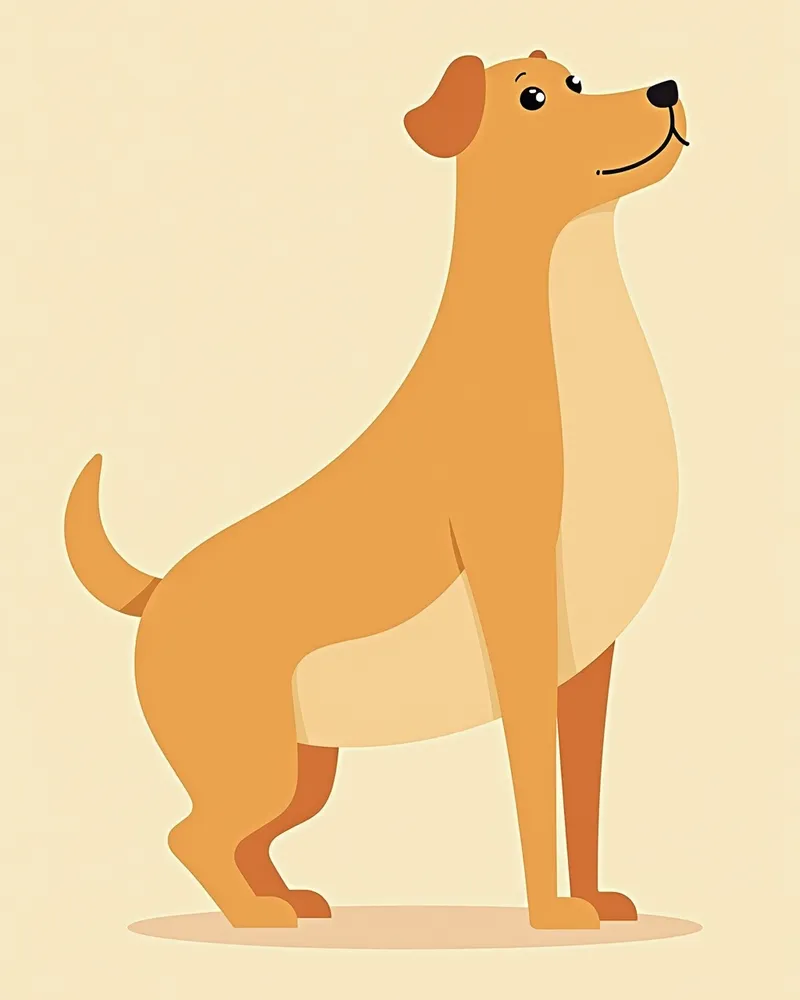
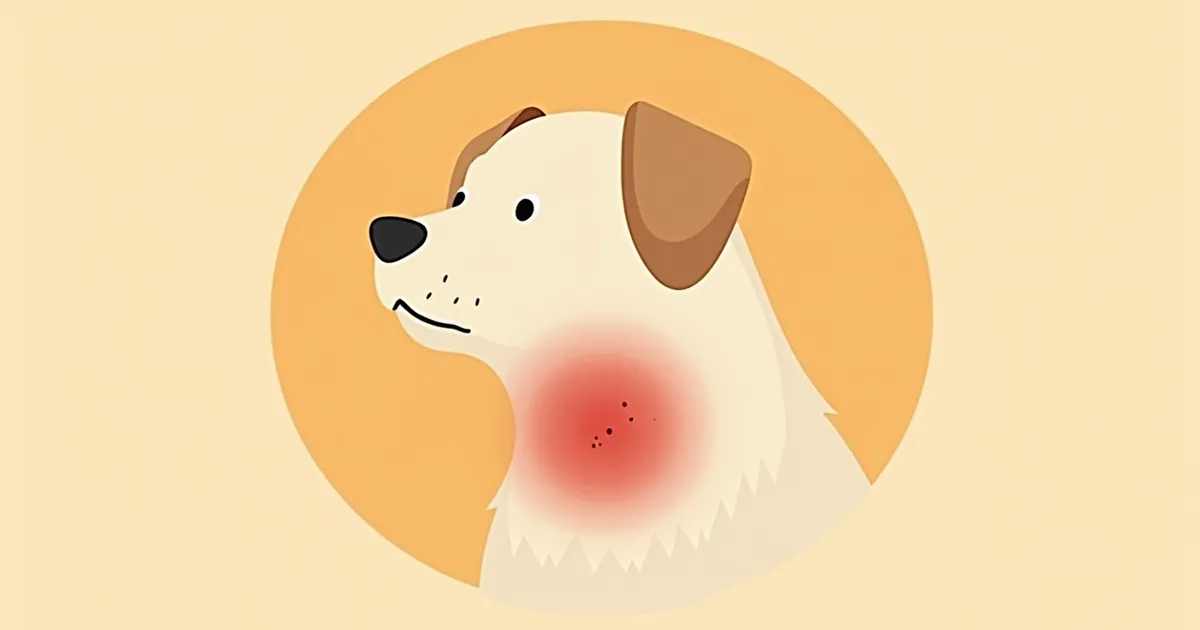
A dog with abdominal enlargement and hair loss due to Cushing's syndrome

Signs Requiring Immediate Veterinary Attention

If your dog suddenly loses its appetite and shows signs of vomiting, diarrhea, or shock, you should take it to the vet immediately. This could be an emergency situation caused by medication side effects or sudden hormonal changes.

What Tests Are Needed for an Accurate Diagnosis?
Cushing’s disease can be easily confused with other conditions that present similar symptoms, making an accurate diagnosis essential. Diagnosis is primarily achieved by measuring changes in cortisol levels through an ACTH stimulation test or a low-dose dexamethasone suppression test (LDDST). Once the diagnosis is confirmed, further tests such as a high-dose dexamethasone suppression test, abdominal ultrasound, or endogenous ACTH measurement are used to distinguish between pituitary-dependent and adrenal-dependent forms. If necessary, CT or MRI scans are performed to determine the tumor’s location and size, as these results are critical in determining the treatment plan. - ACTH Stimulation Test: Measures cortisol response after administering ACTH. - Low-Dose Dexamethasone Suppression Test: A diagnostic test used to confirm the presence of Cushing’s disease. - Differential Diagnosis Tests: Distinguishes between pituitary-dependent and adrenal-dependent forms using methods such as a high-dose dexamethasone suppression test or abdominal ultrasound. - Imaging Tests: Used to accurately determine the location and size of tumors. - Treatment Basis: The treatment approach varies depending on the diagnostic results.
A scene of blood tests for diagnosing Cushing's syndrome

What Are the Treatment Options?

The primary treatment is medication. Trilostane is a drug that inhibits cortisol production and is effective in most cases. To minimize stomach irritation, the medication should be given with meals at the same time each day. During the initial phase, dosage is adjusted based on test results every one to two months, followed by follow-up monitoring every three to six months. Throughout treatment, it is essential to closely monitor for any changes in symptoms or side effects. - Trilostane: A leading medication effective in inhibiting cortisol production. - Regular check-ups: Necessary to assess drug efficacy and monitor for side effects. - Timing of administration: Administering the medication at the correct time is crucial to maximize its effectiveness. - Administration with food: Giving the medication with meals helps reduce stomach irritation. - Treatment goals: The key objectives are symptom relief and improving the pet’s quality of life.
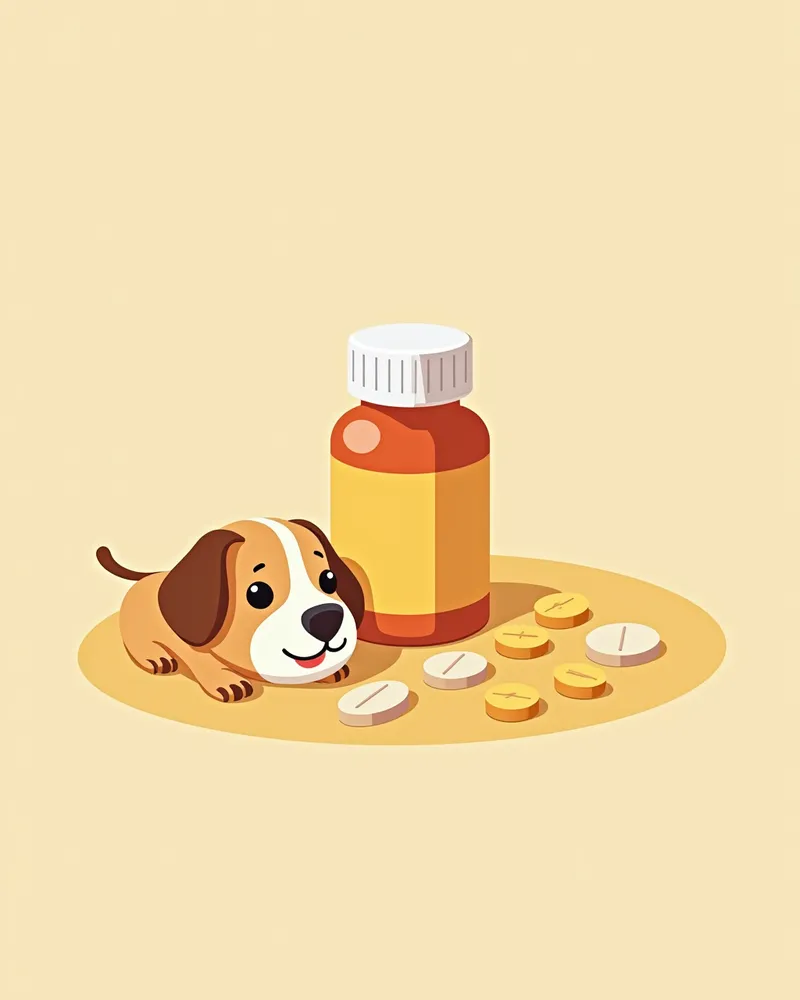
Dogs taking trilostane medication

Tips for Home Care

It’s important to give the medication at the same time every day. Administering it with meals can help reduce gastrointestinal irritation. Since your pet may urinate more frequently, increase walk times and ensure fresh water is always available, changing it regularly. Provide a quiet, comfortable environment to minimize stress. Don’t miss scheduled follow-up visits to monitor the medication’s effectiveness and check for any side effects.
Regular check-ups: Schedule follow-up exams regularly after starting treatment (typically every 3–6 months, or more frequently at the beginning).
Dietary management: Giving the medication with food helps reduce stomach irritation.
Water supply: Change the water frequently and increase walk frequency to accommodate increased urination.
Stress management: Keep your pet in a calm, quiet environment for comfort.
A dog in a stable environment for managing Cushing's syndrome

Comparison of Medications for Cushing’s Disease

ItemEffectSide EffectsManagement Interval
TrilostaneSuppresses adrenal steroid production (cortisol/aldosterone)Relatively safe, but gastrointestinal discomfort, lethargy, etc. may occurCheck every 3–6 months with ACTH stimulation test
MitotaneSelectively destroys adrenocortical cellsRisk of vomiting, anorexia, hypoadrenocorticism, etc.Check with ACTH stimulation test (more frequently in the first year, then every 3–6 months)
Adrenalectomy (Surgery)Definitive treatment removing one adrenal gland when an adrenal tumor is presentRisks associated with anesthesia and surgery, requires careful postoperative managementFollow-up management per veterinarian's instructions

Trilostane is relatively safe and effective, and adrenalectomy may be chosen for adrenal tumors. Always decide after consulting your veterinarian.

Precautions When Administering Medication

Trilostane can cause serious side effects if overdosed. If your dog shows signs of shock, severe vomiting, or lethargy while taking the medication, seek veterinary care immediately. Never stop the medication on your own.

Reviewed by a veterinarian

Dr. Tony — Punnawat Phongkittirak

Dr. Tony — Punnawat Phongkittirak

Veterinarian

A veterinarian who majored in veterinary medicine at Khon Kaen University, Thailand, and completed the IVSA program at North Carolina State University in the United States. Drawing on clinical experience at animal hospitals, he works in the pet healthcare field and is dedicated to building a digital care environment that connects pet parents with veterinarians.

Frequently Asked Questions

Is Cushing's syndrome treatable?
Yes, in most cases, symptoms can be well controlled with medication. Early diagnosis and consistent management are key.
Can symptoms reappear if I stop giving the medication?
Yes, stopping the medication can cause cortisol levels to rise again, leading to a recurrence of symptoms. Ongoing management is necessary.
Does Cushing's disease affect a dog's lifespan?
With proper treatment, your pet can maintain a normal life expectancy without any significant impact on their lifespan. Proper care is key.
Which dogs are suitable for Trilostane?
It is effective in cases of adrenal cortex tumors or when pituitary hyperfunction is suspected. Your veterinarian will make the final determination.
Can Cushing’s syndrome be detected early at home?
Yes, early detection is possible by carefully monitoring symptoms such as excessive water consumption, frequent urination, abdominal distension, and hair loss.

Share

Related Guides

References

[1] BSAVA Manual of Canine and Feline Dermatology, 4th Ed, 2023

[2] 100 Top Consultations in Small Animal General Practice, Sheena Warman, 2021

[3] Clinical Medicine of the Dog and Cat, 4th Ed, 2022

This information is based on veterinary literature and does not replace diagnosis or treatment. Please consult a veterinarian for specific health concerns.

Metapet Co., Ltd. | CEO: Park Sung-yong | Business Reg. No. 417-88-02562 | Seoul, South Korea | Customer Center

Canine Cushing's Disease (Hyperadrenocorticism): Owner FAQ | Meongsiljang