Like
Share
멍실장
고양이 망막 박리 자주 묻는 질문 Q&A — 보호자가 꼭 알아야 할 핵심

What is Feline Retinal Detachment? — Q&A on Warning Signs of Sudden Vision Loss

Eye HealthQ&AMeongsiljang Veterinary Advisory Board

Feline retinal detachment is a serious eye condition that can lead to vision loss. We’ve compiled the essential information every pet owner should know in a Q&A format.

Feline retinal detachment is a serious eye condition that can lead to vision loss

The state of retinal detachment in a cat's eye being examined with a slit lamp
Feline retinal detachment occurs when the neurosensory retina separates from the underlying retinal pigment epithelium (RPE), potentially leading to acute vision loss or blindness. - Hypertension: A common cause of retinal detachment and blindness in cats, sustained high blood pressure can damage retinal blood vessels, causing hemorrhage and detachment. - Kidney disease: Bilateral retinal detachment often accompanies kidney disease, making it crucial to identify any underlying conditions. - Drug side effects: Overdosing on certain medications can significantly raise blood pressure, triggering detachment. - Trauma and infection: Eye injuries or infectious chorioretinitis can also be causes. Early detection and management of the underlying cause are key to preserving vision. A veterinarian will make an accurate diagnosis through fundus (retinal) examination and ultrasound.

What are the main causes of retinal detachment?
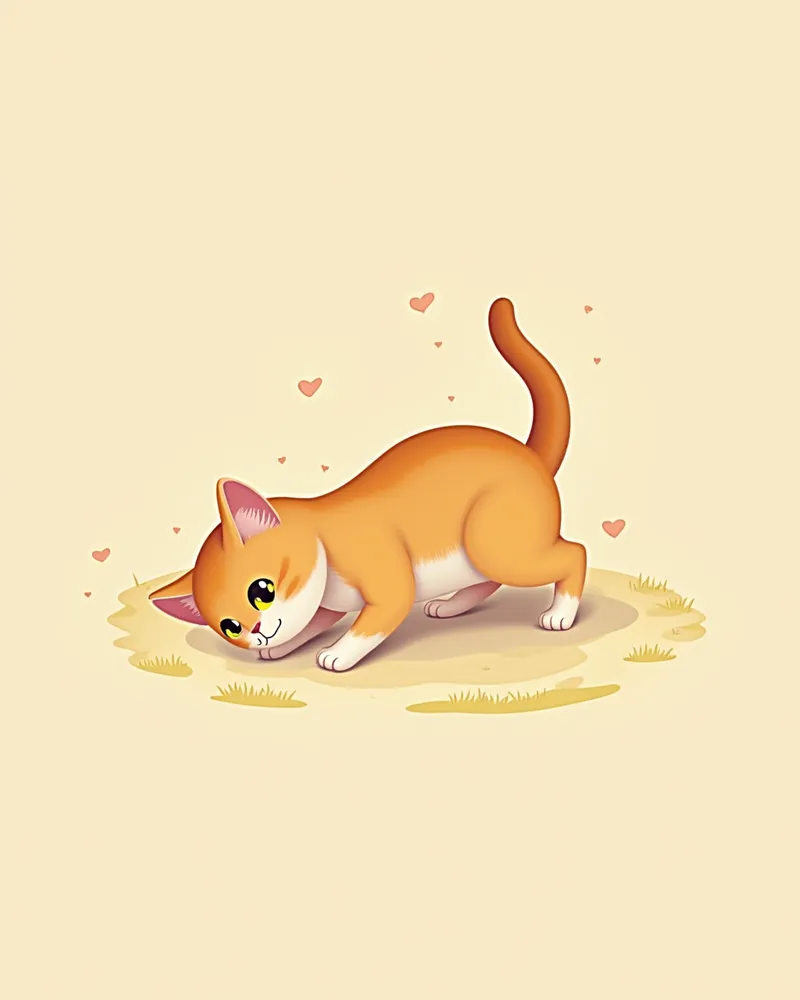
There are several potential causes of retinal detachment in cats. - Hypertension (systemic): High blood pressure is a common cause of retinal detachment and sudden blindness in cats. Elevated blood pressure can lead to bleeding and detachment of the retina. - Kidney disease: Retinal detachment often occurs alongside kidney disease, so both conditions should be evaluated together. - Drug side effects: Overdose of certain medications, such as phenylpropanolamine (PPA), can raise blood pressure and trigger retinal detachment. - Trauma or infection: Eye injuries or infectious chorioretinitis can also cause retinal detachment. - Intraocular hemorrhage: In hypertensive retinopathy, bleeding in the retina can push the retina away from its normal position. Veterinarians recommend blood pressure measurements and blood and kidney tests to identify the underlying cause.
An illustration explaining the main causes of retinal detachment in cats

What are the main symptoms of retinal detachment?
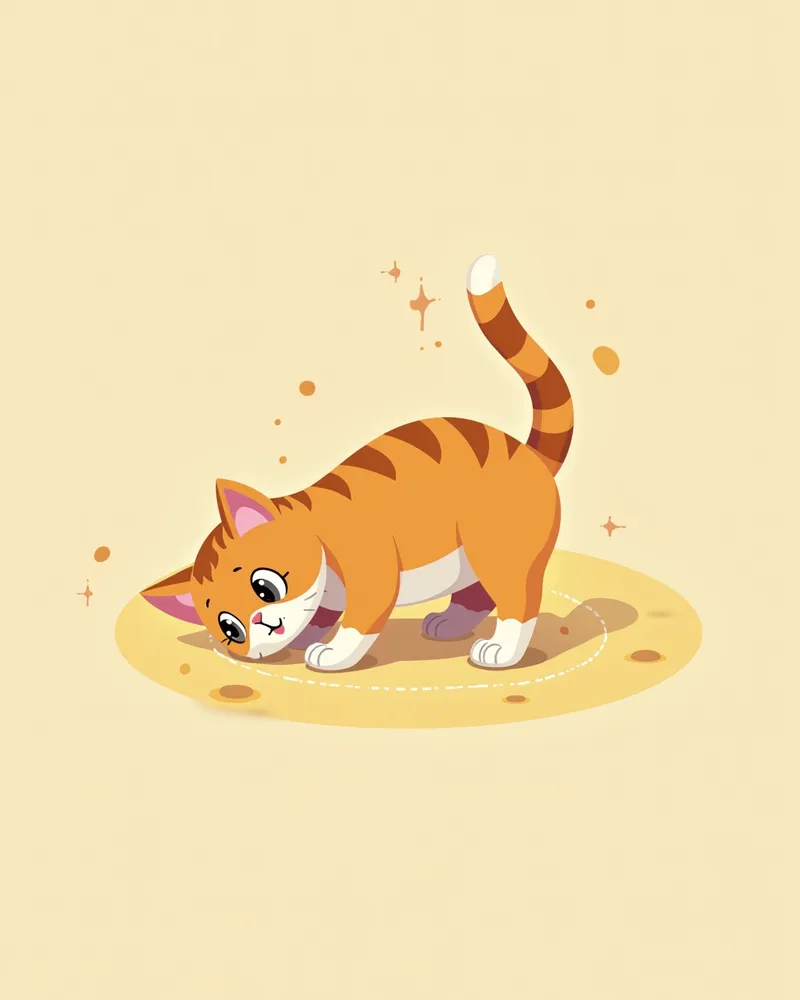
Feline retinal detachment often presents as sudden vision impairment or blindness, with cats appearing disoriented in dim light or bumping into walls. - Sudden vision loss or blindness: Cats may suddenly struggle to see, wander aimlessly in the dark, or collide with walls. - Dilated pupils (mydriasis): Both pupils remain widely dilated and show poor response to light. - Absent menace response: Cats often fail to blink when a hand is moved toward their eyes (negative menace response). - Fundic changes: The detached retina may appear elevated behind the pupil, or previously invisible retinal blood vessels may become visible. - Behavioral changes: Cats may become lethargic, hide, or exhibit unusual behavior. If you notice any of these signs, seek veterinary care immediately.
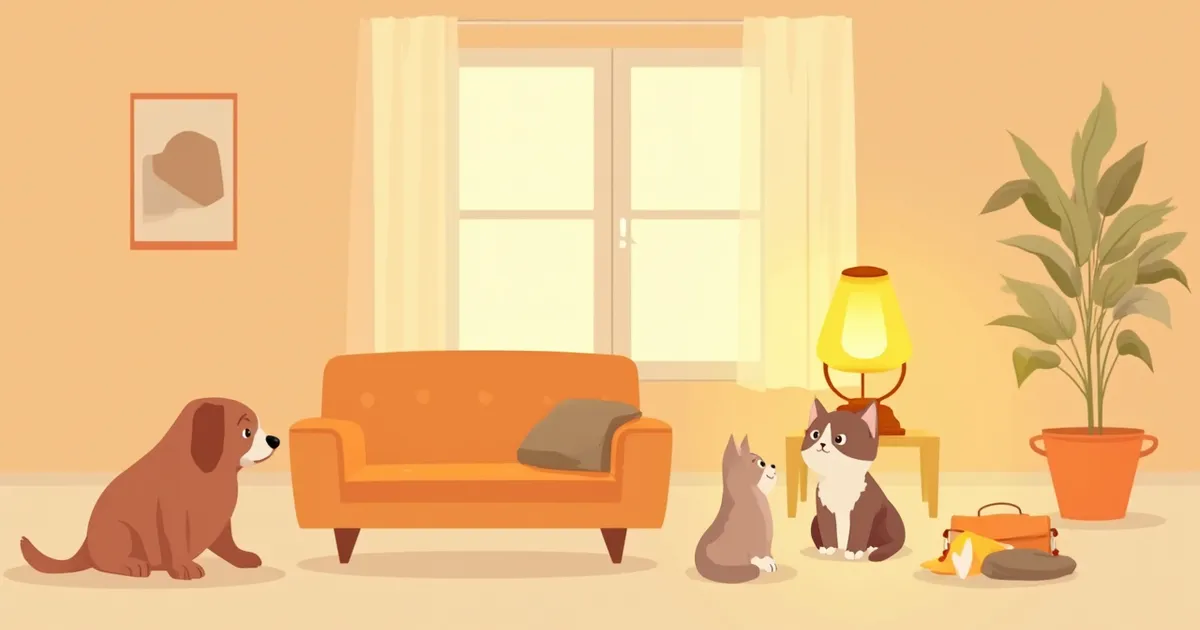
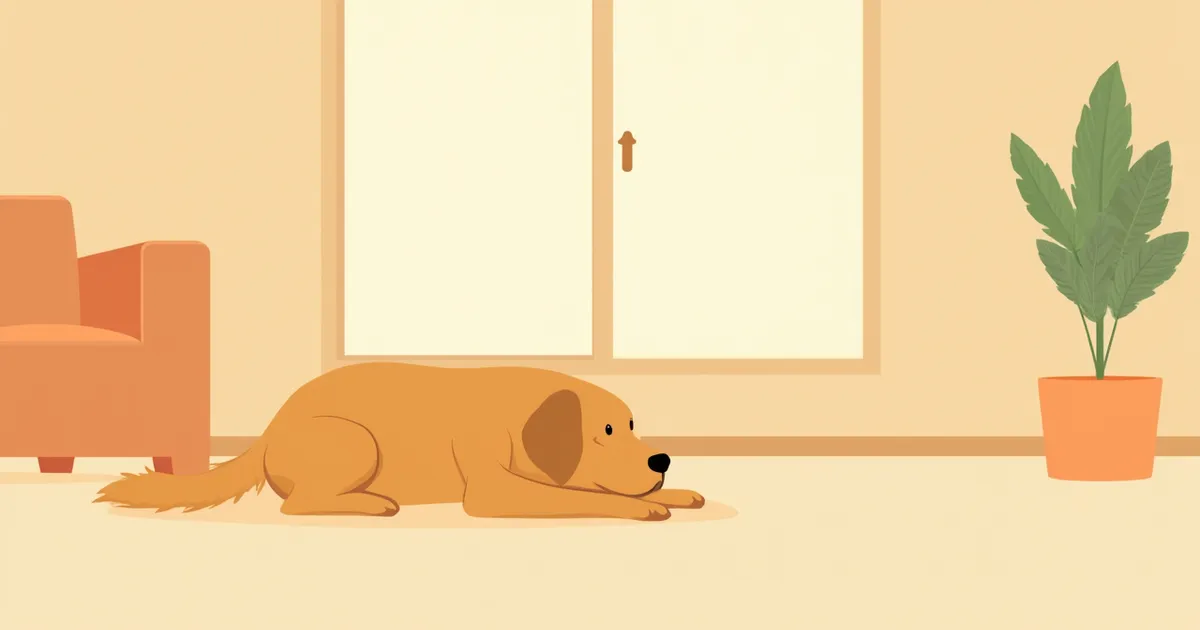
An illustration depicting the behavior of a cat showing symptoms of vision loss

How is retinal detachment diagnosed?

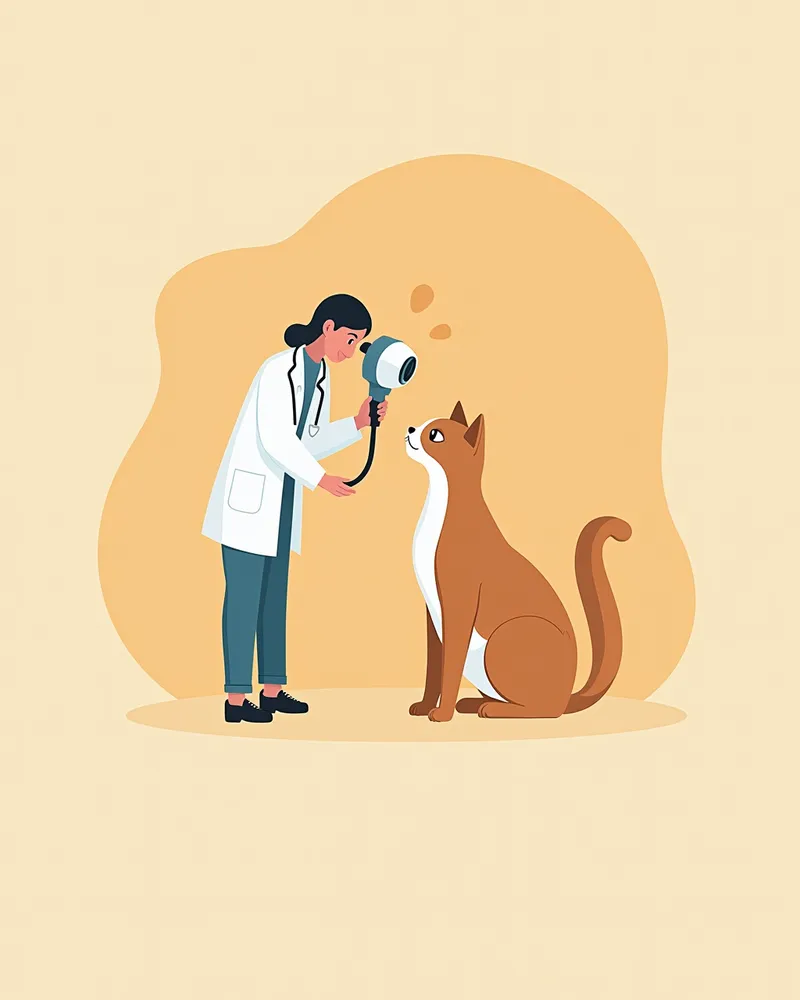
Diagnosing retinal detachment requires a veterinarian’s specialized ophthalmic (fundus) examination. - Fundus (ophthalmoscope) examination: This allows direct visualization of the retina to confirm detachment. When detached, the retina may appear elevated, exposing underlying blood vessels. - Ultrasound examination: This is particularly useful for assessing retinal detachment when the interior of the eye is obscured by corneal or lens opacity. - Blood pressure measurement: This is performed to check for systemic hypertension, a common underlying cause. - Blood and renal tests: These help identify underlying conditions such as kidney disease. - Follow-up monitoring: This tracks the extent and progression of the detachment. Early diagnosis significantly improves treatment outcomes.
A veterinarian examining a cat's eyes using an ophthalmic retinal scope.

What are the treatment options for retinal detachment?
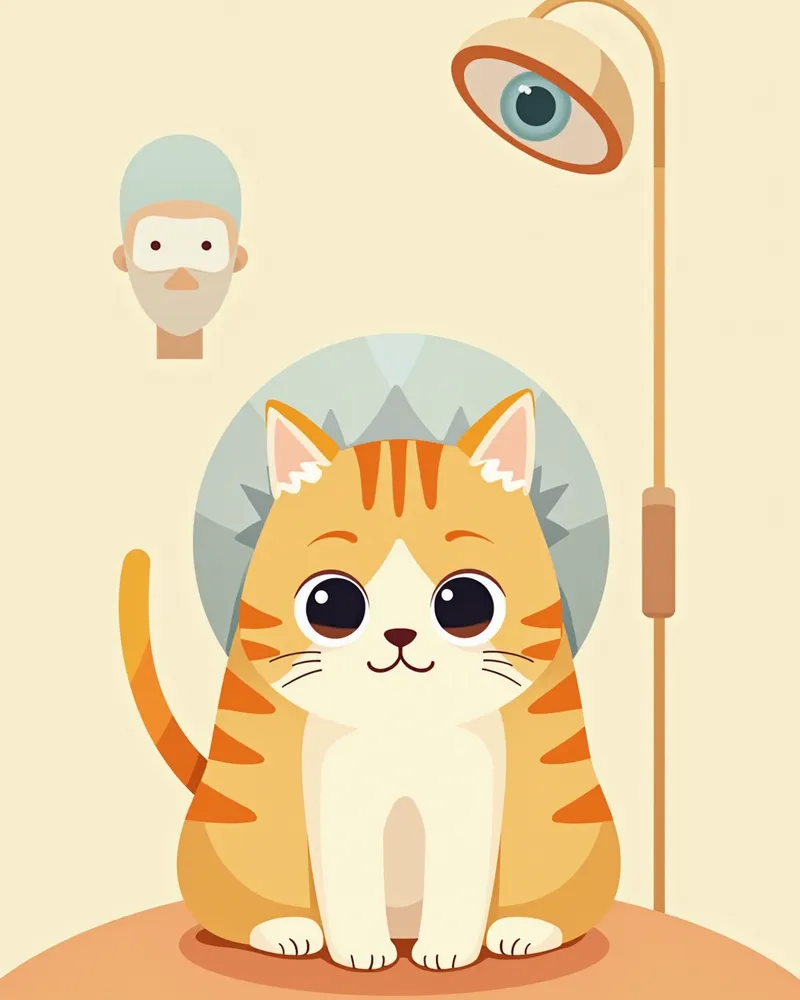
Treatment depends on the underlying cause and the extent of retinal detachment. - Blood pressure management: If hypertension is the cause, blood pressure–lowering medications such as amlodipine are prioritized. In cats, good blood pressure control can sometimes allow the retina to reattach spontaneously. - Treatment of underlying conditions: Concurrent management of underlying diseases, such as kidney disease, is essential. - Surgical treatment: If there are retinal tears or holes, surgical options such as transscleral laser retinopexy or vitrectomy may be considered. - Retinal reattachment: Laser therapy or surgery is used to return the retina to its normal position. - Regular check-ups: After treatment, regular veterinary monitoring of blood pressure and retinal status is necessary.
An illustration depicting a cat undergoing retinal reattachment surgery.

If vision deteriorates rapidly, immediate veterinary visit is required

If your cat suddenly struggles to see, stumbles in the dark, or has dilated pupils that don’t react to light, it could be acute blindness caused by retinal detachment. Once the retina detaches, damage begins rapidly—retinal degeneration can start immediately—so prompt veterinary care is essential. The sooner the underlying cause is identified and managed, the better the chances of preserving your cat’s vision.

How is post-detachment care and prognosis managed?
Regular follow-up care is essential after treatment for retinal detachment. - Blood pressure monitoring: Since high blood pressure can cause the retina to detach again, it’s important to check blood pressure frequently and consistently. - Ophthalmic exams: Regular fundus examinations are necessary to monitor vision recovery and check for recurrence. - Management of underlying conditions: Consistently manage any underlying diseases, such as kidney disease or hypertension, that may have contributed to the detachment. - Environmental adjustments: Provide a quiet, stable environment to help a cat with impaired vision feel safe and comfortable. - Behavioral observation: Watch closely for any changes in vision or behavior. Working with your veterinarian to develop a long-term management plan is key.
A scene of a cat having its blood pressure measured and receiving eye drop prescriptions.

Comparison of stage-specific symptoms and responses for retinal detachment

ItemMain symptomsHow to respondPrognosis
MildDecreased vision, wandering in dark placesBlood pressure control (e.g., amlodipine), regular checkupsRecovery is possible with blood pressure control
ModeratePartial retinal detachment, pupil dilation (mydriasis)Consider laser or surgical treatment along with blood pressure controlTiming of treatment is important; moderate chance of recovery
SevereComplete detachment, blindness, dilated pupils with no light responseConsider surgical reattachment after managing the causeVision recovery is difficult; long-term management is needed

Managing the cause (especially hypertension) and the timing of treatment greatly affect the prognosis. In cats, controlling blood pressure can sometimes allow the retina to reattach.

Reviewed by a veterinarian

Dr. Tony — Punnawat Phongkittirak

Dr. Tony — Punnawat Phongkittirak

Veterinarian

A veterinarian who majored in veterinary medicine at Khon Kaen University, Thailand, and completed the IVSA program at North Carolina State University in the United States. Drawing on clinical experience at animal hospitals, he works in the pet healthcare field and is dedicated to building a digital care environment that connects pet parents with veterinarians.

Frequently Asked Questions

Is retinal detachment a common condition in cats?
This condition is common in older cats, especially those with systemic hypertension. Retinal detachment and acute blindness caused by high blood pressure are frequent emergency situations in cats.
Can retinal detachment be completely cured?
If the underlying cause is addressed and treatment begins early, there’s a chance of restoring vision. In cats, maintaining proper blood pressure can sometimes allow the retina to reattach on its own. However, complete recovery may be difficult, so long-term management will likely be necessary.
Is it possible to prevent retinal detachment?
Managing underlying conditions like hypertension, along with regular ophthalmologic and blood pressure checks, is key to prevention. For senior cats or those with hypertension or kidney disease, it's important to regularly monitor their blood pressure and eye health.
Is retinal detachment contagious in cats?
Retinal detachment itself is not contagious and won’t spread to other cats. However, since underlying conditions like high blood pressure or kidney disease are often the cause, it’s important to evaluate those as well.
How should I care for my pet at home after retinal detachment surgery?
After surgery, it is essential to administer eye drops as prescribed, restrict your pet’s activity, prevent them from scratching their eyes, and keep up with regular check-ups. Be sure to follow your veterinarian’s instructions carefully.

Share

Related Guides

References

[1] Gelatt KN, MacKay EO. Distribution of intraocular pressure in dogs. Vet Ophthalmol 1998;1(2–3):109–14.

[2] Côté E. Clinical veterinary advisor. Dogs and cats. 3rd ed. St. Louis, MO: Elsevier Mosby; 2015.

[3] Ettinger SJ, Feldman EC, Côté E. Textbook of veterinary internal medicine: diseases of the dog and the cat. 8th ed. St. Louis, MO: Elsevier; 2017.

This information is based on veterinary literature and does not replace diagnosis or treatment. Please consult a veterinarian for specific health concerns.

Metapet Co., Ltd. | CEO: Park Sung-yong | Business Reg. No. 417-88-02562 | Seoul, South Korea | Customer Center

What Is Feline Retinal Detachment? Sudden Vision Loss Q&A | Meongsiljang