
If a White Film Covers Your Cat’s Eye — Causes of Third Eyelid Prolapse and When to Visit the Vet
Feline third eyelid prolapse may look like a protruding inner eyelid, but in most cases it’s a treatable condition. Here’s the key information every pet owner should know.
What Is Feline Third Eyelid Prolapse?

Why Does the Third Eyelid Prolapse in Cats?
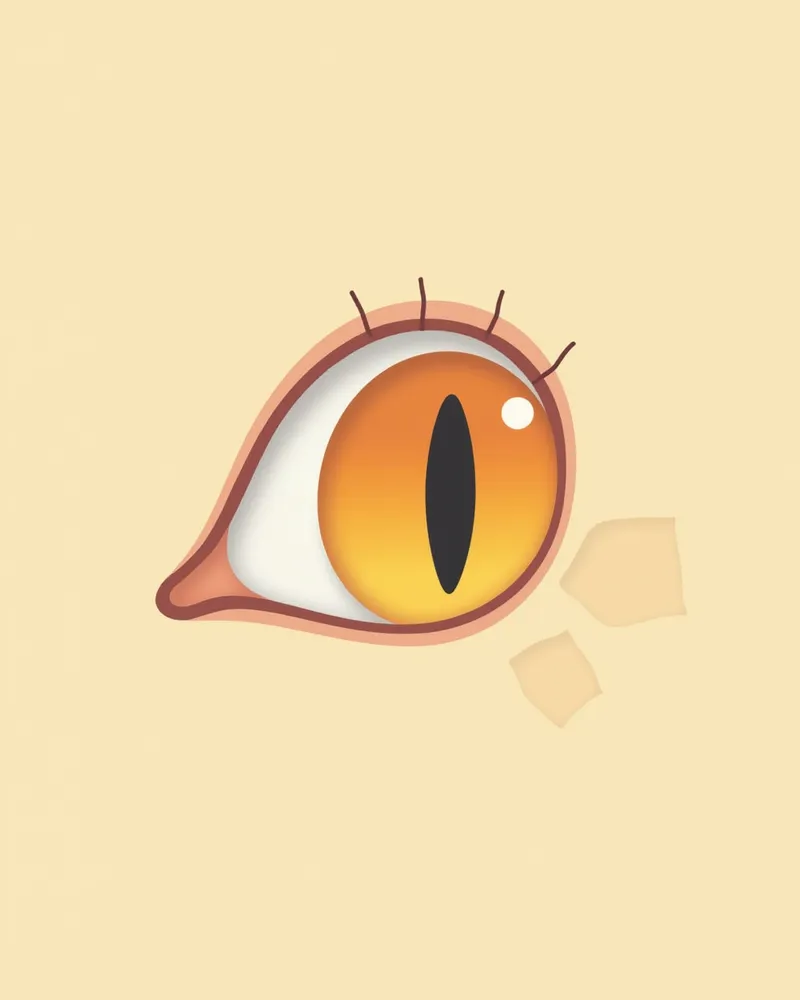
What Are the Main Symptoms of Third Eyelid Prolapse?

When to Visit the Vet Immediately
If your pet’s eyes become severely red, tear excessively, or if they are unable to open their eyes, or if the inner eyelids swell and show signs of pain, you should visit the vet immediately. These symptoms could indicate an infection, ulcer, or serious injury. Delaying treatment can lead to vision loss, so early intervention is essential.
How Is the Diagnosis Made?
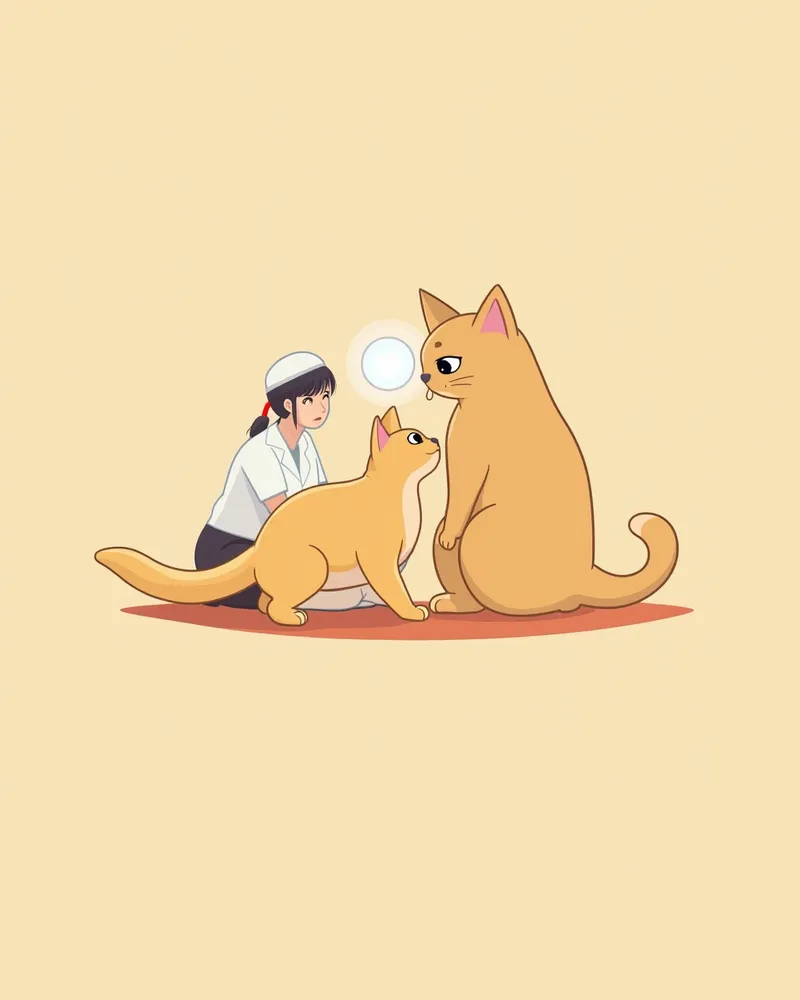
What Are the Treatment Options?
Home Care Methods

Comparison of Third Eyelid Prolapse Treatments
| Item | When applied | Effectiveness | Side effects |
|---|---|---|---|
| Medication (eye drops)/supportive treatment | Relieving inflammation and supporting before and after surgery | Supportive (cannot reposition the gland on its own) | Low |
| Surgical repositioning (Morgan pocket) | Standard treatment for tear gland prolapse | High (standard treatment) | Low |
| Tear gland excision | Avoided as much as possible | Not recommended | High (reduced tear function and risk of complications) |
The standard treatment is surgical repositioning that returns the prolapsed tear gland to its original place. Excision that removes the tear gland is avoided as much as possible due to the risk of complications, and treatment varies depending on the cat's condition and the veterinarian's judgment.
Reviewed by a veterinarian

Dr. Tony — Punnawat Phongkittirak
VeterinarianA veterinarian who majored in veterinary medicine at Khon Kaen University, Thailand, and completed the IVSA program at North Carolina State University in the United States. Drawing on clinical experience at animal hospitals, he works in the pet healthcare field and is dedicated to building a digital care environment that connects pet parents with veterinarians.
Reviewed 2026-06-03
Frequently Asked Questions
Is everted nictitating membrane a common condition in cats?
Is there no treatment for ectropion of the third eyelid?
Can a cat’s eyes bulge again after surgery?
Does everted nictitating membrane cause pain?
How should I care for a cat with everted eyelids?
Share
Related Guides
Top 5 Dog Tear Supplements Recommended for 2026

What is Lutein? Effects on Dog Eye Health

The Best Canine Uveitis Management Products and Selection Criteria: A Comprehensive Guide
Can dogs and children live together safely? — How to prevent dog bites
My cat keeps repeating the same behavior — Is this repetitive behavior disorder normal?
What is feline behavioral enrichment? — A guide to creating a stress-reducing environment
Guide to Telemedicine (Remote Veterinary Care)
Guide to Safe Storage of Pet Food and Treats
When Your Dog Growls, Is It Fear or Aggression? — How to Tell by the Signals
Cat Fur Types: How to Identify and Care for Them?
References
[1] Maggs DJ. Third eyelid. In: Maggs DJ, Miller PE, Ofri R, Slatter DH, editors. Slatter’s fundamentals of veterinary ophthalmology. 5th ed. St. Louis, MO: Elsevier; 2013. p. 151-6.
[2] Chahory S, Crasta M, Trio S, Clerc B. Three cases of prolapse of the nictitans gland in cats. Vet Ophthalmol. 2004;7(6):417–419.
[3] Dugan SJ, Severin GA, Hungerford LL, Whiteley HE, Roberts SM. Clinical and histologic evaluation of the prolapsed third eyelid gland in dogs. J Am Vet Med Assoc. 1992;201(12):1861–1867.