
Like
Share
멍실장
강아지 스피로노락톤 심장 자주 묻는 질문 Q&A — 보호자가 꼭 알아야 할 핵심

Why Is Spironolactone Prescribed for Dogs? — Key Points on Effects and Side Effects

HeartQ&AMeongsiljang Veterinary Advisory Board

Understand how spironolactone can cause cardiac abnormalities in dogs, and review the essential information every pet owner should know. Learn about symptoms, risk factors, and what to do.

What Is Spironolactone for Dogs?

A medical illustration of a dog's heart showing side effects on the heart
Spironolactone for dogs is not a disease that damages heart muscle; rather, it is a potassium-sparing diuretic used in the treatment of heart failure. Spironolactone works by inhibiting the effects of aldosterone, which helps reduce the buildup of fluid and sodium in the body. It is commonly used in heart failure management alongside other medications such as diuretics, ACE inhibitors, and pimobendan. In other words, there is no separate condition called "spironolactone heart"; instead, spironolactone is a medication prescribed to help dogs with heart disease. Like all medications, it can have side effects. The main side effects include hyperkalemia (elevated blood potassium levels) and gastrointestinal symptoms such as nausea and vomiting. Risk factors that increase the likelihood of hyperkalemia include diabetes, kidney disease, and thromboembolic disease. Therefore, regular blood and electrolyte testing, careful monitoring by the pet owner, and close consultation with a veterinarian are essential.

Why Can Spironolactone Affect the Heart?
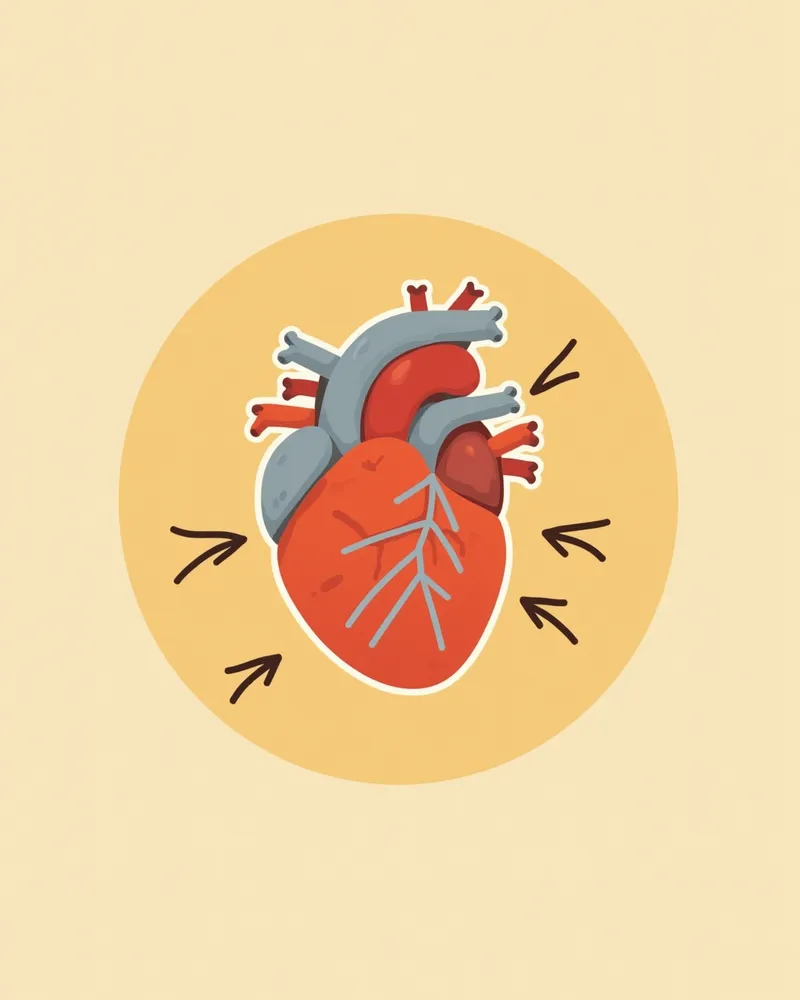
Spironolactone is a potassium-sparing diuretic that blocks aldosterone receptors, reducing the buildup of fluid and salt in the body. This helps alleviate the burden on the heart and is used in conjunction with other medications for heart failure treatment. In other words, spironolactone does not directly damage heart muscle. - Precautions for Spironolactone: The main side effects are hyperkalemia (elevated blood potassium levels) and gastrointestinal symptoms such as nausea and vomiting, rather than myocardial damage. The risk of hyperkalemia is higher in patients with diabetes, kidney disease, or thromboembolic disorders. - Preventive Measures: Avoid using it with other potassium-sparing diuretics, and regular blood and electrolyte tests along with consultation with your veterinarian are essential. If any unusual symptoms occur during medication, consult your veterinarian immediately.
Medical image of heart muscle damage caused by spironolactone

What Are the Main Symptoms of Heart Disease?
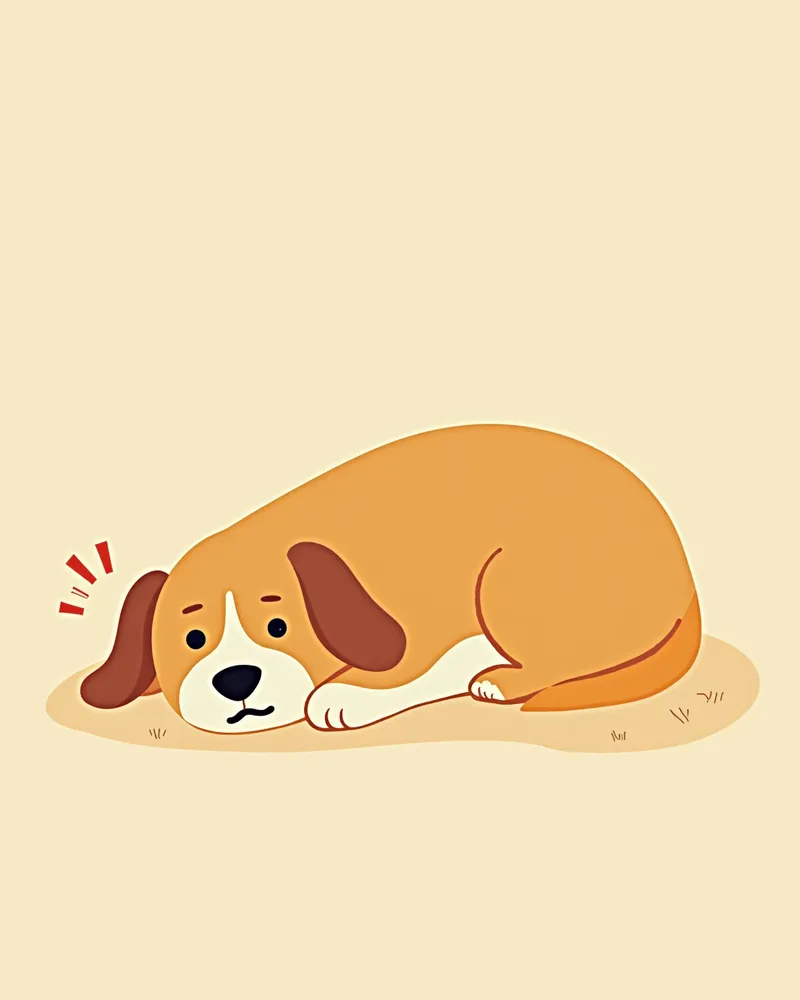
Common signs of heart disease, including heart failure, include rapid or labored breathing, coughing, exercise intolerance with easy fatigue, fainting or weakness, and irregular heartbeats. Pay close attention if your pet becomes short of breath after walks, shows reduced activity, or spends more time lying down. In right-sided heart failure, abdominal distension due to fluid accumulation (ascites) may occur. - Signs of heart abnormalities: Shortness of breath, coughing, decreased activity, fainting or collapse, and irregular heartbeats. - Signs of spironolactone side effects: Gastrointestinal symptoms such as nausea and vomiting may occur. If hyperkalemia develops, it can be accompanied by lethargy or weakness. - Importance of early detection: Management is much easier when symptoms are identified in the early stages. Pet owners should carefully monitor changes in their pet’s daily behavior.
A dog struggling to breathe and its worried owner

Criteria for Immediate Veterinary Visit

If your dog suddenly starts breathing heavily, coughs severely, or collapses, you should take them to the vet immediately. This could be a sign that their heart function has deteriorated rapidly. If your dog is currently taking spironolactone, consult with your veterinarian right away about whether to stop the medication.

How Is Heart Disease Diagnosed?
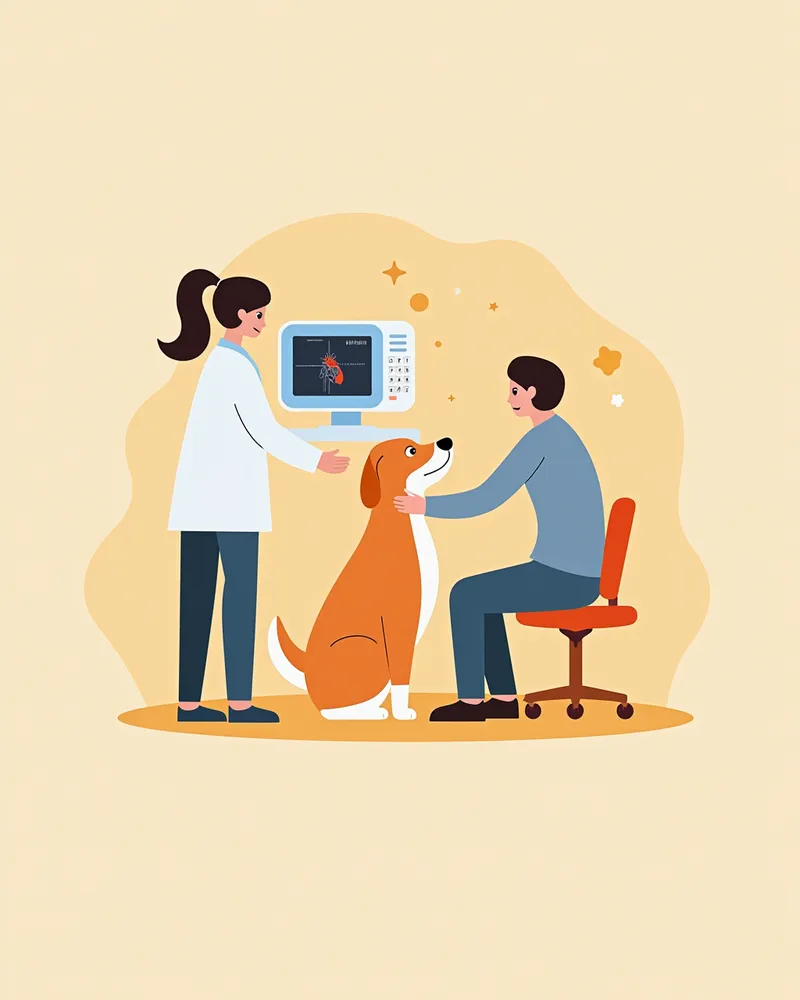
Heart disease is diagnosed using echocardiography (ultrasound of the heart), electrocardiography (ECG), chest radiographs (X-rays), and blood tests including biochemistry and electrolyte panels. Echocardiography plays a particularly important role in assessing cardiac muscle function and structural changes. - Diagnostic process: Regular check-ups help detect early changes, while echocardiography is used to monitor disease progression. - Testing frequency: For dogs taking spironolactone, regular monitoring of electrolytes (such as serum potassium) and kidney function is recommended. Your veterinarian will determine the appropriate testing interval based on your dog’s individual condition. - If symptoms are suspected: Seek veterinary care immediately. Early diagnosis significantly improves management outcomes.
A veterinarian performing an echocardiogram on a puppy.

Comparison of Response Methods by Symptom During Spironolactone Use

ItemResponse MethodHospital Visit
Shortness of breath or coughingReduce walks, provide restEssential
Fatigue / low energyReduce activity, check hydration, consult veterinarianRecommended
Irregular heartbeatECG test after veterinary consultation, no arbitrary medication adjustmentImmediately
Decreased appetite / vomitingConsult veterinarian, consider electrolyte testRecommended

If symptoms persist or worsen, an immediate hospital visit is recommended. Do not adjust medication doses on your own.

Treatment and Management of Heart Disease

Treatment for heart disease (heart failure) should proceed under a veterinarian’s guidance, and medications must never be stopped arbitrarily. It is important to remember that spironolactone itself is a diuretic used in the treatment of heart failure. - Treatment components: Heart failure therapy may involve a combination of diuretics (furosemide, spironolactone), ACE inhibitors (benazepril, enalapril), and the positive inotrope pimobendan. - Managing side effects: While taking spironolactone, monitor for hyperkalemia and gastrointestinal symptoms, and do not use it in combination with other potassium-sparing diuretics. - Key management points: Regular check-ups, electrolyte testing, and careful observation by the pet owner are essential. - Lifestyle management: Avoid excessive exercise and provide a low-stress environment. - Collaboration with your veterinarian: Always develop the treatment plan together with your veterinarian.
A veterinarian and pet owner working together to manage a dog’s heart medication treatment.

Precautions During Use

Do not stop or adjust the dose of spironolactone without your veterinarian’s guidance, as heart failure can worsen suddenly. Regular blood and electrolyte tests are needed to monitor for hyperkalemia, and you should avoid using it with other potassium-sparing diuretics. Consistent observation by you, the pet owner, is also important.

Reviewed by a veterinarian

Dr. Tony — Punnawat Phongkittirak

Dr. Tony — Punnawat Phongkittirak

Veterinarian

A veterinarian who majored in veterinary medicine at Khon Kaen University, Thailand, and completed the IVSA program at North Carolina State University in the United States. Drawing on clinical experience at animal hospitals, he works in the pet healthcare field and is dedicated to building a digital care environment that connects pet parents with veterinarians.

Frequently Asked Questions

Can dogs taking spironolactone experience heart muscle damage?
No, spironolactone is not a medication that damages heart muscle; it is a potassium-sparing diuretic used to treat heart failure. Its main side effects are hyperkalemia and gastrointestinal symptoms such as nausea and vomiting.
What should I do if heart symptoms appear while my pet is taking spironolactone?
If your pet shows signs of heart disease such as difficulty breathing, coughing, or fainting, seek veterinary care immediately. Do not stop or adjust medications on your own; always consult your veterinarian before making any changes.
How often should regular check-ups be performed while taking spironolactone?
Along with echocardiograms and electrocardiograms, we regularly monitor blood electrolytes such as potassium, as well as kidney function markers. Your veterinarian will determine the appropriate testing interval based on your dog’s condition.
Can heart medications be switched to other medications?
Yes, the veterinarian can adjust the treatment with diuretics, ACE inhibitors, pimobendan, and other medications after evaluating the situation. Medication selection is tailored to each individual case.
Can a dog's heart disease be cured?
It depends on the underlying cause. In some cases, such as arrhythmias, correcting the cause can lead to recovery, but most cases of chronic heart failure require long-term management. Early detection is key.

Share

Related Guides

References

[1] Plumb's Veterinary Drug Handbook, 9th Edition. Wiley-Blackwell, 2022.

[2] Kass PH, et al. Spironolactone-associated cardiomyopathy in dogs: A retrospective study. J Vet Intern Med, 2021, 35(3):1123–1130.

[3] American College of Veterinary Internal Medicine (ACVIM). Consensus Statement on the Use of Spironolactone in Canine Heart Disease, 2020.

This information is based on veterinary literature and does not replace diagnosis or treatment. Please consult a veterinarian for specific health concerns.

Metapet Co., Ltd. | CEO: Park Sung-yong | Business Reg. No. 417-88-02562 | Seoul, South Korea | Customer Center

Why Is Spironolactone Prescribed for Dogs? Effects & Risks | Meongsiljang