Like
Share
멍실장
강아지 피모벤단 치료 자주 묻는 질문 Q&A — 보호자가 꼭 알아야 할 핵심

When to Start Pimobendan for Dogs? — Key Q&A on Heart Medication Effects and Side Effects

HeartQ&AMeongsiljang Veterinary Advisory Board

We’ve compiled the essential information pet owners need to know about pimobendan, a medication commonly used in treating heart disease in dogs, in a Q&A format.

What is Pimobendan Therapy for Dogs?
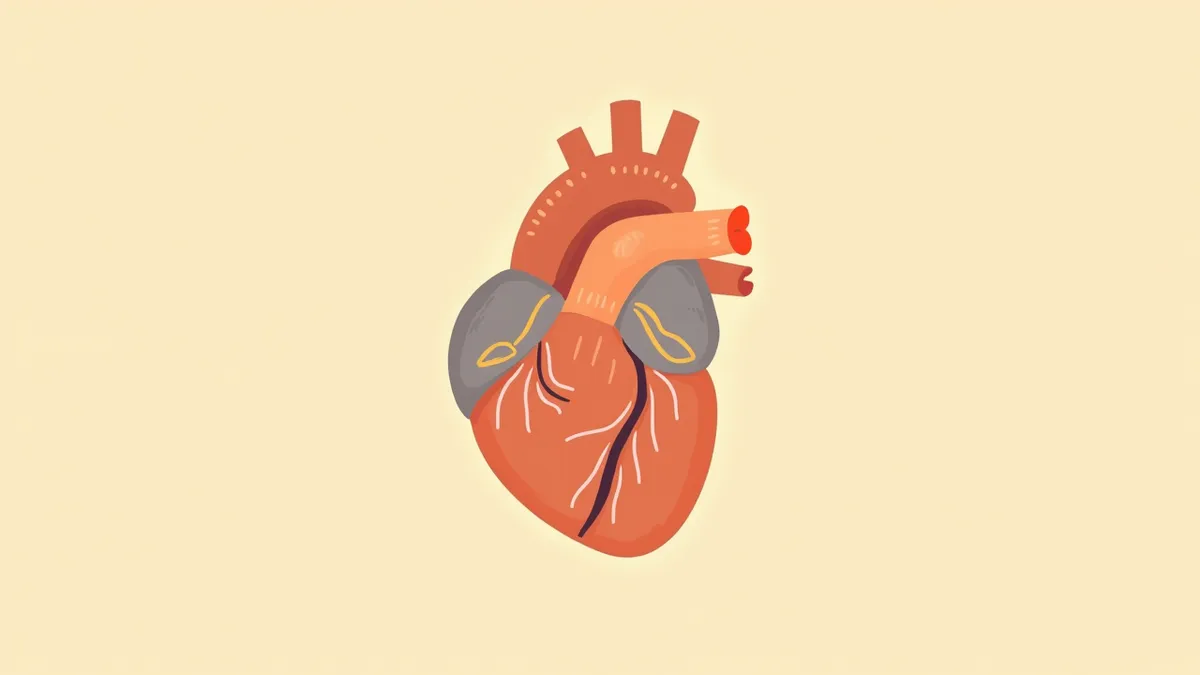
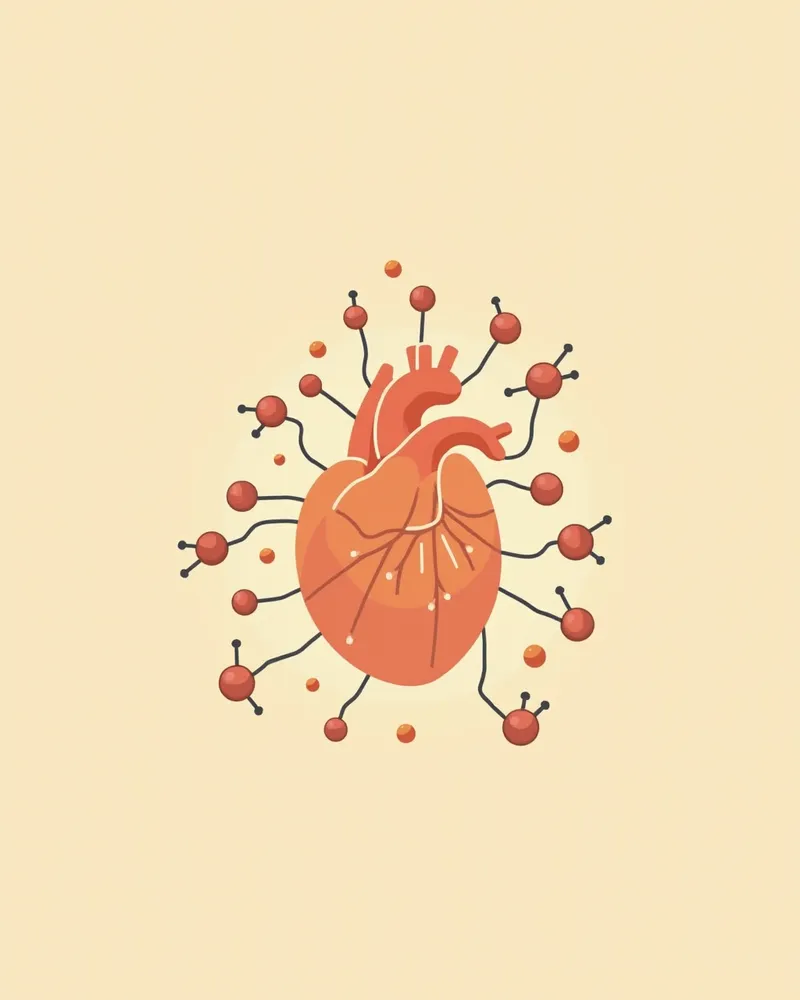
A medical illustration showing the structure of a dog's heart
Pimobendan therapy for dogs is a medication used to improve heart function. It is especially effective in dogs with heart valve disease and heart failure. This drug increases the heart's contractile force and dilates blood vessels, thereby reducing the heart's workload. According to veterinary pharmacology textbooks, pimobendan is recommended as a standard treatment for dogs in heart disease stage B2 or higher. To achieve the desired therapeutic effect, it is essential to strictly adhere to the prescribed dosage schedule and administration method.

How Does Pimobendan Work?

Pimobendan is an "inodilator" class medication that combines a positive inotropic effect, which increases the heart muscle's contractility, with vasodilatory effects. The increase in contractility is achieved through two mechanisms: calcium sensitization, which enhances the calcium-binding sensitivity of cardiac troponin C, and inhibition of phosphodiesterase (PDE) III. As a result, the heart beats more forcefully, and both arteries and veins dilate, improving blood circulation and reducing the heart's workload. In dogs with damaged heart valves, it helps the left ventricle pump more blood forward. According to veterinary internal medicine textbooks, pimobendan improves cardiac output without causing arrhythmias at prescribed doses.
A scientific illustration showing the process of the Pimobendan molecule binding to heart proteins

What Are the Main Effects of Pimobendan Therapy?

Pimobendan therapy helps improve heart function, reduce breathing difficulties caused by heart failure, and enhance activity levels and quality of life. It has also been shown to delay the onset of clinical symptoms by reducing the burden on the heart. In the EPIC clinical trial, dogs with stage B2 myxomatous mitral valve disease that received pimobendan lived an average of approximately 15 months longer before developing heart failure or experiencing cardiac death compared to those receiving a placebo. In Doberman Pinschers with dilated cardiomyopathy (DCM), pimobendan has been shown to extend survival time and improve quality of life. To achieve optimal results, it is essential to maintain regular veterinary check-ups and ensure consistent medication adherence.
A healthy-looking puppy walking energetically in the park

Pimobendan vs. Other Heart Medications

ItemPimobendanDigoxinACE Inhibitor
Primary ActionPositive inotrope + arterial/venous dilation (inodilator)Positive inotrope (increases cardiac contractility)Vasodilation
Oxygen DemandDoes not increaseIncreases
Effect on ArrhythmiaNo arrhythmia induction at prescribed doseVeterinary monitoring requiredLow
Dosing FrequencyTwice daily (approx. 12-hour intervals)As prescribed by veterinarianAs prescribed by veterinarian

Pimobendan is recommended as the standard treatment for the asymptomatic stage with left atrial and left ventricular enlargement (ACVIM Stage B2) and for symptomatic Stage C. It is not recommended in the pre-enlargement stage (B1). The timing and method of administration must follow the veterinarian's instructions.

What Are the Precautions for Taking Pimobendan?
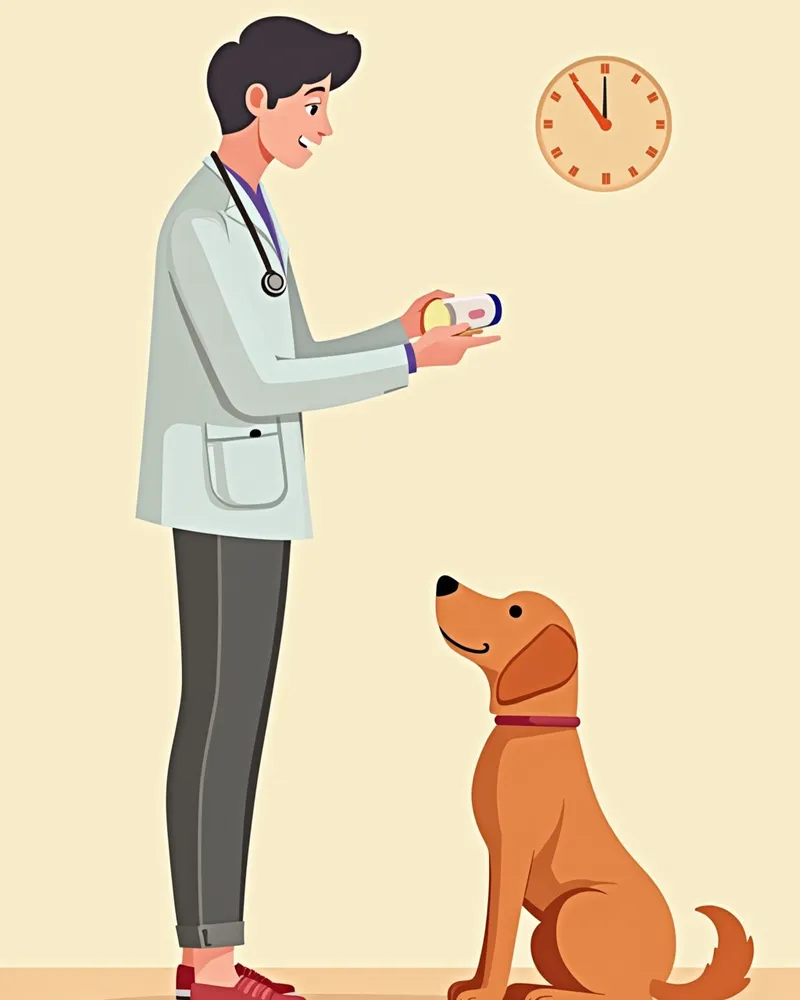
The effect of food on pimobendan absorption is not clearly established for chewable tablets, so you must follow your veterinarian’s instructions regarding the timing and method of administration. Although no clinically significant drug interactions have been identified with digoxin, sildenafil, diuretics, ACE inhibitors, or antiarrhythmics, potent negative inotropic agents, vasoconstrictors, and calcium channel blockers may reduce pimobendan’s efficacy, so only administer medications as prescribed. If your pet experiences loss of appetite, vomiting, or collapse (due to hypotension) during treatment, seek veterinary care immediately. Do not discontinue the medication or adjust the dose without consulting your veterinarian, and ensure regular check-ups to monitor the drug’s effectiveness and any potential side effects.
A veterinarian explaining to the pet owner how to administer medication.

Seek Immediate Veterinary Care for Sudden Breathing Difficulties or Shock Symptoms

If your pet suddenly experiences difficulty breathing, bluish discoloration of the mouth, or collapses while taking Pimobendan, seek veterinary care immediately. These could be signs of a serious adverse reaction, so it’s important to monitor your pet closely during treatment.

Care Tips After Starting Pimobendan
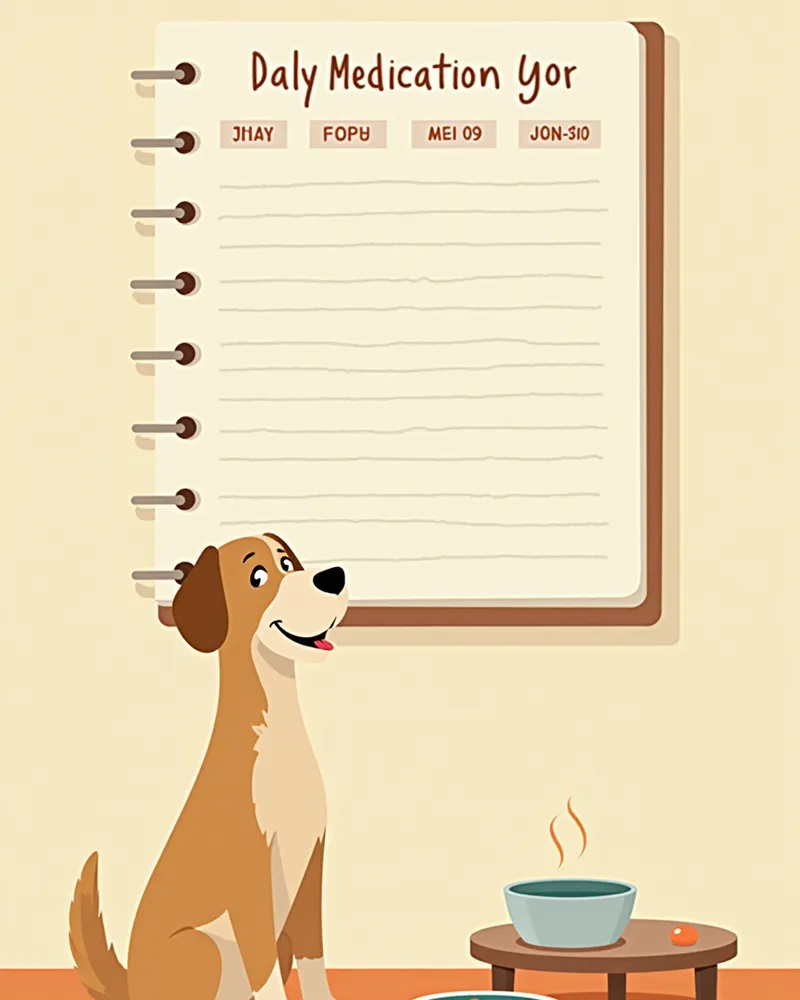
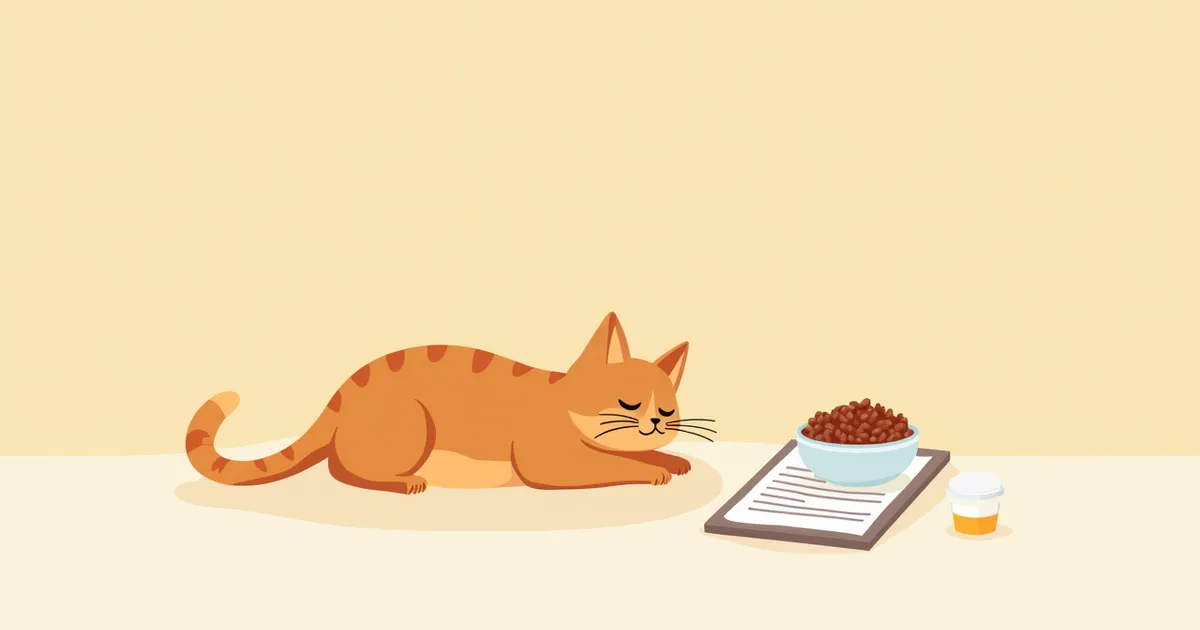
While your pet is taking Pimobendan, regular walks and a balanced diet are important. Avoid excessive exercise and maintain a healthy weight. Since the effect of food on the absorption of the chewable tablet has not been clearly established, it is best to follow the administration schedule provided by your veterinarian. Keeping a medication log can help you accurately communicate any changes during consultations with your vet. If you miss a dose, do not give double the next time; instead, contact your veterinarian. Regular heart check-ups are essential to monitor the treatment's effectiveness and your pet's response to the medication.
A casual scene showing a dog’s medication log.

Reviewed by a veterinarian

Dr. Tony — Punnawat Phongkittirak

Dr. Tony — Punnawat Phongkittirak

Veterinarian

A veterinarian who majored in veterinary medicine at Khon Kaen University, Thailand, and completed the IVSA program at North Carolina State University in the United States. Drawing on clinical experience at animal hospitals, he works in the pet healthcare field and is dedicated to building a digital care environment that connects pet parents with veterinarians.

Frequently Asked Questions

How many times a day should I give my pet Pimobendan?
Typically, it is administered twice daily (approximately every 12 hours) as prescribed by your veterinarian. In cases of refractory heart failure or other severe conditions, your vet may increase the frequency based on their clinical judgment. To maintain consistent therapeutic effects, it is important to adhere strictly to the prescribed timing and dosing schedule.
Will heart problems return if I stop giving my pet pimobendan?
Yes, Pimobendan is a medication that helps alleviate symptoms, not one that cures the underlying disease. If you stop giving it, the symptoms may worsen again.
What are the side effects of Pimobendan?
The most common side effects are decreased appetite and vomiting. While it is reported not to cause arrhythmias at prescribed doses, an overdose can lead to tachycardia, hypotension, and other symptoms.
Is Pimobendan safe for all dogs?
No, it should not be administered to dogs with conditions such as hypertrophic cardiomyopathy (HCM) or aortic stenosis, where increasing cardiac output is contraindicated. A veterinarian must always determine whether it is appropriate for use.
Can I take my pet for a walk right after giving them Pimobendan?
It’s best to let your pet rest after taking the medication rather than engaging in vigorous activity right away. Since the effects of food and exercise on drug absorption have not been clearly established, follow your veterinarian’s guidance regarding the timing of medication and walks, and avoid excessive exercise in all cases.

Share

Related Guides

References

[1] Plumb, D.C. (2023). Plumb's Veterinary Drug Handbook, 10th Edition. Wiley-Blackwell.

[2] Stern, J.A. & Walker, A.L. (2022). Small Animal Critical Care Medicine, 3rd Edition. Elsevier.

[3] Blackwell's Five-Minute Veterinary Consult Clinical Companion, Small Animal Toxicology, 3rd Edition. Wiley-Blackwell, 2021.

This information is based on veterinary literature and does not replace diagnosis or treatment. Please consult a veterinarian for specific health concerns.

Metapet Co., Ltd. | CEO: Park Sung-yong | Business Reg. No. 417-88-02562 | Seoul, South Korea | Customer Center

When to Start Pimobendan for Dogs? Effects & Side Effects Q&A | Meongsiljang