Like
Share
멍실장
고양이 심장사상충 자주 묻는 질문 Q&A — 보호자가 꼭 알아야 할 핵심

Feline Heartworm Disease FAQ — Key Information Every Pet Owner Must Know

Infection/ParasitesQ&AMeongsiljang Veterinary Advisory Board

Cats can also contract heartworm disease, making early detection and prevention crucial. Here’s a summary of the key information every pet owner should know.

Feline heartworm disease is a serious parasitic condition transmitted by mosquitoes
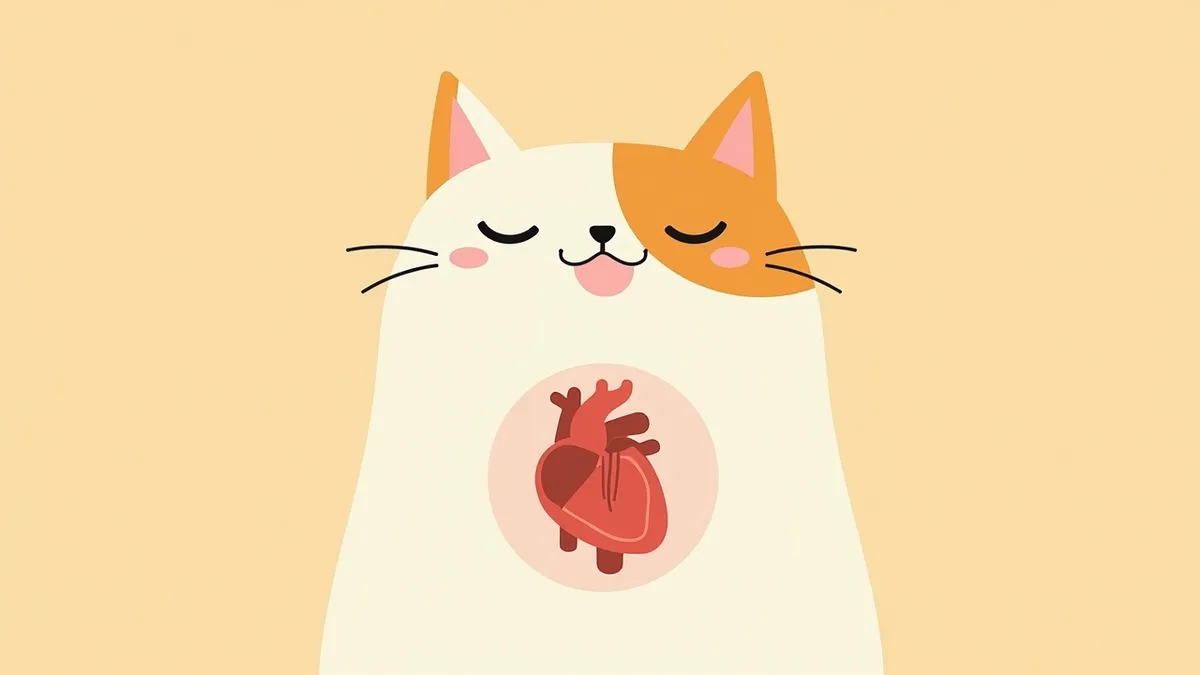
Anatomical appearance of heartworms parasitizing the pulmonary arteries in cats
Feline heartworm disease is a parasitic condition transmitted by mosquitoes. The heartworm (Dirofilaria immitis) primarily uses dogs as its definitive host. When a mosquito bites an infected animal, it ingests microfilariae from the blood; when that mosquito subsequently bites another animal, it transmits the infective larvae. In this process, the mosquito serves as an intermediate host. However, because microfilarial presence in the bloodstream is rare in cats, it is uncommon for a cat to act as a source of infection for other animals. Once inside a cat, the parasites migrate to and reside in the heart and pulmonary arteries. The risk of transmission varies by season and region, increasing during spring and summer when mosquito activity is high. Even indoor cats can be exposed to mosquitoes through windows or ventilation openings, so caution is necessary. These parasites inhabit the heart and pulmonary arteries, causing respiratory distress and lethargy. Because early-stage infections often present with few or no symptoms, early detection is difficult. Therefore, early diagnosis and prevention are far more critical than treatment. Annual regular check-ups and administration of preventive medication are recommended.

Heartworm disease is transmitted through the blood-feeding process of mosquitoes
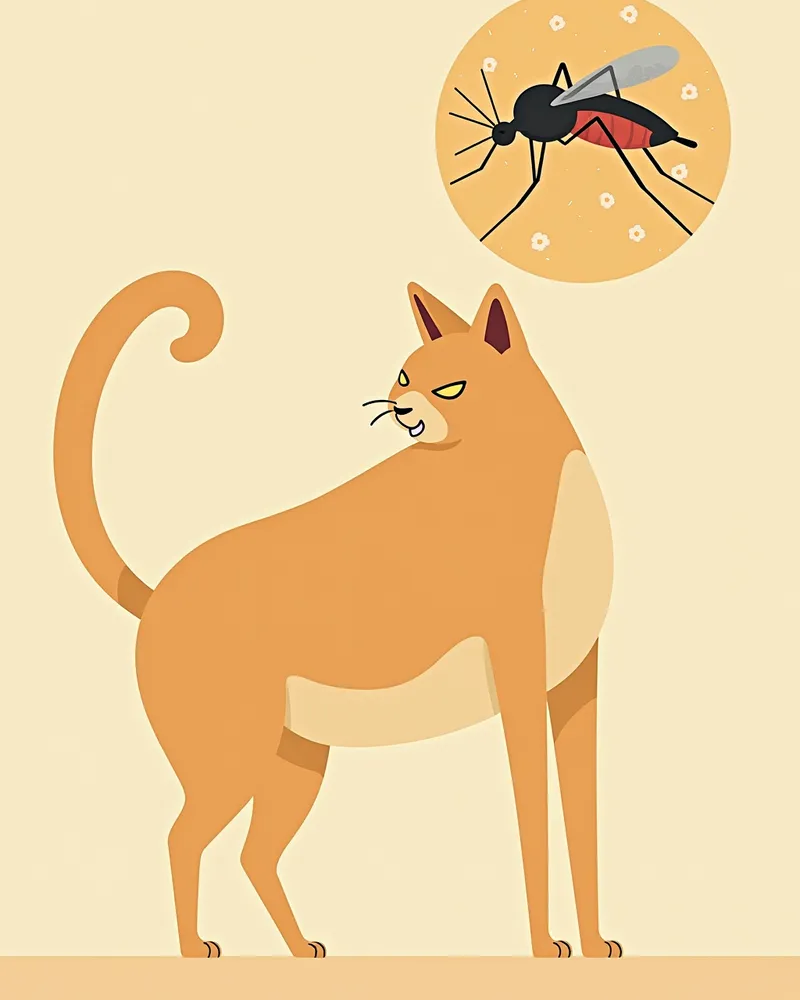
Heartworm disease is a parasitic infection transmitted through the blood-feeding process of mosquitoes. When a mosquito ingests microfilariae from the blood of an infected animal, it can transmit infective larvae to another animal during a subsequent bite, serving as an intermediate host in this process. However, cats rarely develop microfilariae in their bloodstream, so unlike dogs, they seldom act as primary sources of infection. Once inside the body, the parasites migrate to the heart and pulmonary arteries, where they establish residence. Transmission varies by season and region, with risk peaking during periods of active mosquito activity. Even indoor cats can be exposed to mosquitoes through windows or ventilation openings, making prevention essential. In certain areas, year-round administration of preventive medication is recommended, and early screening remains crucial throughout the mosquito season.
How mosquitoes transmit heartworm microfilariae to cats when they bite

What are the main symptoms of feline heartworm disease?

In cats, heartworm disease often shows few or no signs in its early stages, but as it progresses, the following symptoms may appear. However, because feline symptoms are nonspecific and can be difficult to distinguish from other respiratory conditions, and because visible signs may indicate that damage has already occurred, early detection is essential.
Coughing: Parasites in the lungs and pulmonary arteries can irritate the respiratory tract, leading to persistent coughing.
Difficulty breathing: Inflammation in the pulmonary arteries and lung tissue can cause labored or rapid breathing.
Lethargy: A noticeable drop in energy levels, with the cat remaining inactive and staying in one place for long periods.
Weight loss: A decrease in appetite accompanied by a reduction in body weight.
Fainting or shock: In severe cases, the cat may suddenly collapse. In cats, the death of adult worms can trigger acute reactions such as sudden respiratory distress or shock.
A cat experiencing difficulty breathing due to heartworm disease

Symptoms requiring immediate veterinary care

If your pet’s coughing worsens, their breathing becomes rapid, or they suddenly collapse or lose consciousness, seek veterinary care immediately. These are signs of a sudden, severe decline in heart function that can be life-threatening.

Feline heartworm disease is diagnosed through blood tests and imaging
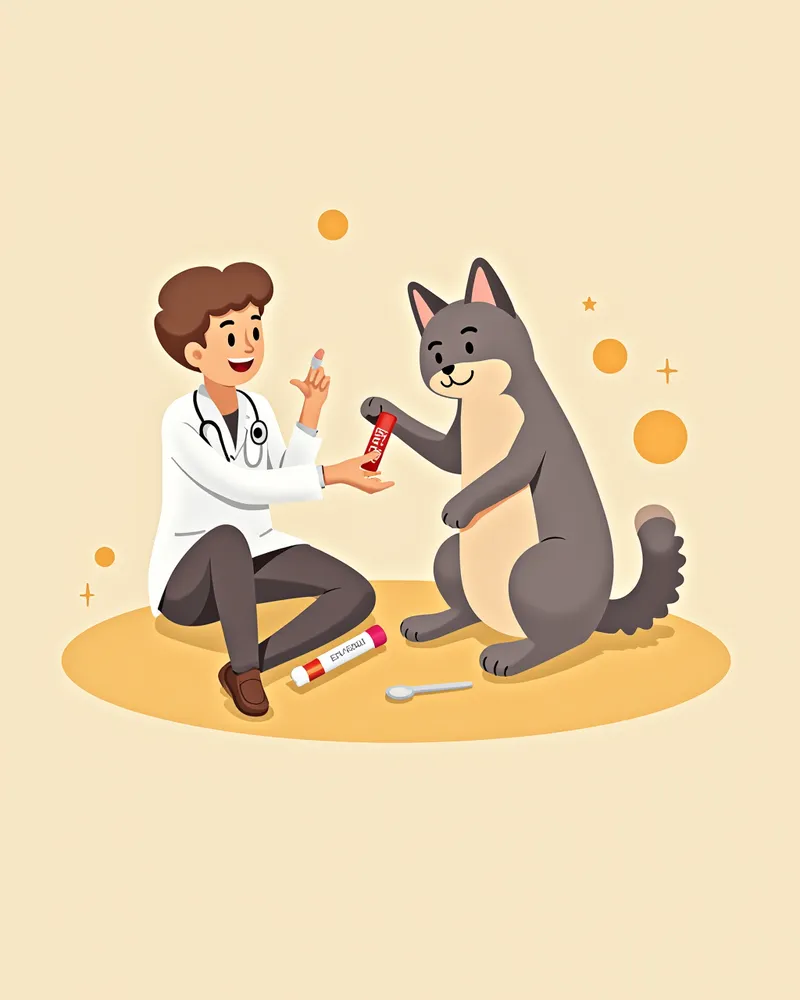
Feline heartworm disease is primarily diagnosed through blood tests. Antigen testing detects antigens produced by mature female adult worms to confirm the presence of parasites, but cats may test negative if they lack mature female adults or are infected only with male worms. Antibody testing helps determine whether a cat has been previously exposed to heartworms, and both tests are often used together. Additionally, X-rays and cardiac ultrasound are important for evaluating heart size, the pulmonary arteries, and lung condition. However, no single test can detect all infections in cats, so multiple tests may need to be performed concurrently or repeated, even in asymptomatic cases. Early diagnosis plays a crucial role in developing an appropriate management plan.
A veterinarian draws blood from a cat to test for heartworm disease.

Treatment focuses on symptom management and thorough evaluation
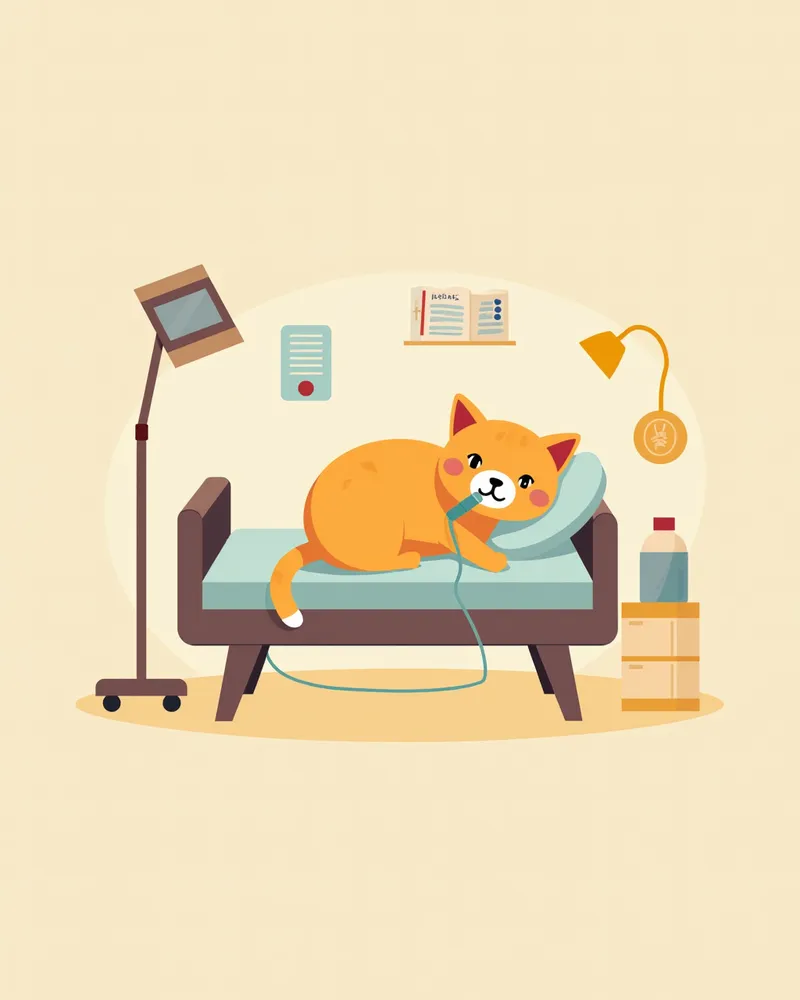
Treating heartworm disease in cats requires great caution. Melarsomine, the drug used to kill adult worms in dogs, carries significant risks and side effects in cats and is generally not recommended. Instead, treatment focuses on managing clinical signs, combining respiratory support and anti-inflammatory therapy as needed. Steroids such as prednisolone are used to address hypersensitivity reactions in the lungs, while the antibiotic doxycycline may be administered for about a month to control Wolbachia infection and the resulting inflammation. A thorough evaluation using echocardiography, blood tests, and X-rays is essential before starting treatment. During therapy, activity restriction and regular check-ups are necessary, with the focus placed on long-term management rather than a complete cure.
A cat undergoing heartworm treatment receiving oxygen therapy

Prevention is possible with medication administered once a month

Heartworm prevention in cats is achieved through regular administration of preventive medication, typically given once a month. Even indoor cats can be exposed to mosquitoes, so consistent use of the preventive is important. When administered consistently and at the right times, preventives interrupt the parasite’s life cycle, preventing infection, and are much safer than treatment. Prevention can usually begin at 8 weeks of age, with dosing timed to mosquito activity; in some regions, year-round prevention is recommended. Regular administration greatly supports your cat’s long-term health and quality of life.
A cat taking its monthly preventive medication

Comparison chart of feline heartworm preventives

ItemIngredientUsage CycleFeatures
PreventrisSelamectinMonthlyTopical type, suitable for both indoor and outdoor cats
MonopriSelamectinMonthlyTopical type, cat-only formula
TripliSelamectin + IprotiosinMonthlyCombined prevention of heartworm + parasites

All products require a veterinary prescription. They should be chosen according to the cat's body weight and health condition. In some regions, annual administration is recommended, and the dosing cycle may vary depending on the product and environment.

Precautions and contraindications

If heartworm disease is suspected in a cat, immediate drug treatment should not be administered. When the parasites die, they can cause blood clots in the lungs. A treatment plan must be established only after a thorough examination by a veterinarian.

Reviewed by a veterinarian

Dr. Tony — Punnawat Phongkittirak

Dr. Tony — Punnawat Phongkittirak

Veterinarian

A veterinarian who majored in veterinary medicine at Khon Kaen University, Thailand, and completed the IVSA program at North Carolina State University in the United States. Drawing on clinical experience at animal hospitals, he works in the pet healthcare field and is dedicated to building a digital care environment that connects pet parents with veterinarians.

Frequently Asked Questions

Can cats get heartworm disease?
Yes, cats can also contract heartworm disease. It is transmitted through mosquito bites, and even indoor cats are at risk. In one study, approximately 25% of cats infected with adult heartworms were indoor cats, so you cannot be complacent even if your cat stays indoors. Prevention is essential.
Do I need to give my pet heartworm preventive medication every month?
The dosing schedule for preventive medications can vary depending on the product, geographic region, and length of the mosquito season, but it is typically administered once a month. Consistent administration is crucial; missing a dose can increase the risk of infection, so we recommend sticking to a regular schedule.
Can heartworm disease be treated?
Treatment is possible, but in cats, the risk of side effects is high, so it must be approached with great caution. Most cases focus on symptom management, along with treatments to reduce lung inflammation.
Do indoor cats need preventive care too?
Yes, even indoor cats can be exposed to mosquitoes. Since mosquitoes can enter through windows or ventilation openings, prevention is essential. In areas where heartworm disease is endemic, year-round prevention is recommended.
How often should heartworm testing be performed?
We recommend testing at least once a year, even if your cat is on preventive medication. Since a single test may not detect all infections in cats, multiple tests or repeat testing may be necessary. The testing frequency can vary depending on your location and risk level.

Share

Related Guides

References

This information is based on veterinary literature and does not replace diagnosis or treatment. Please consult a veterinarian for specific health concerns.

Metapet Co., Ltd. | CEO: Park Sung-yong | Business Reg. No. 417-88-02562 | Seoul, South Korea | Customer Center

Feline Heartworm Disease FAQ: What Owners Must Know | Meongsiljang