
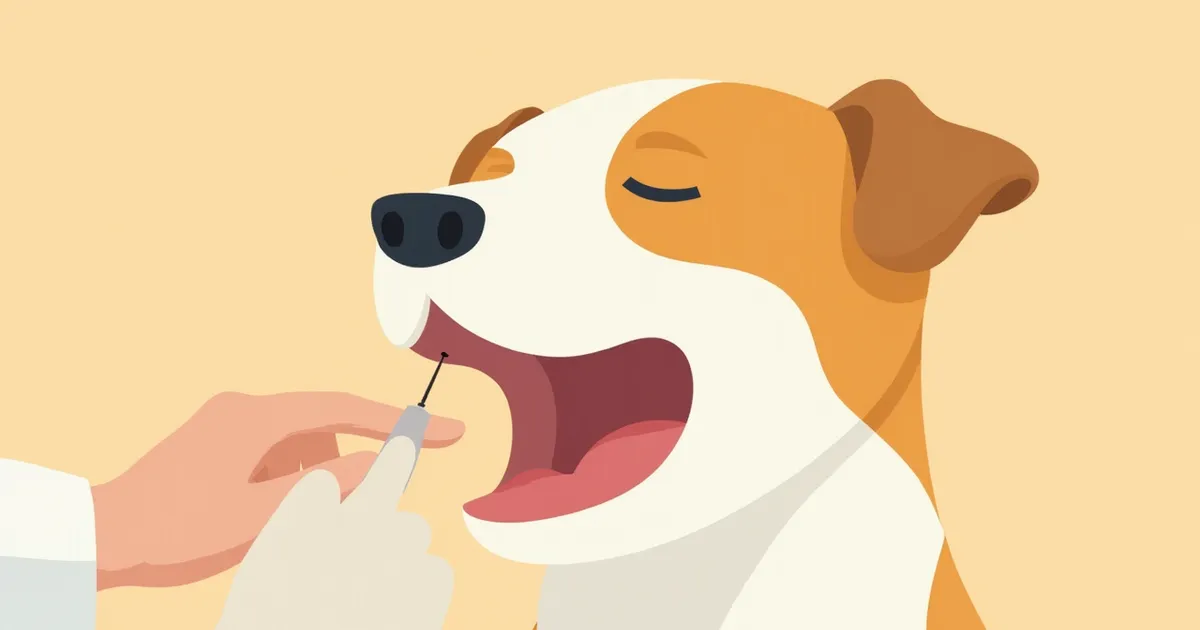
Health Signals Revealed by Gum Color
Your dog’s or cat’s gum color is the quickest indicator of their circulation and oxygen supply. If the gums aren’t a healthy pink, it’s a sign that something may be wrong inside their body.
Why Is Gum Color Important?
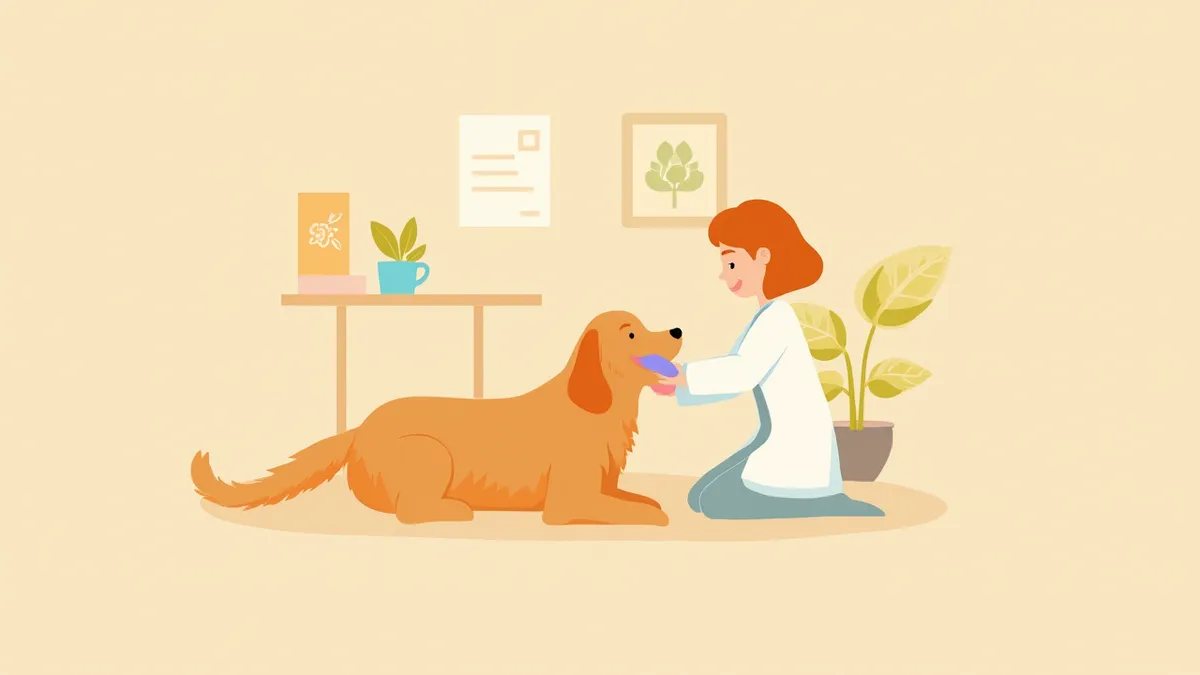
What Does Normal Gum Color Look Like?

Meanings of Different Gum Colors at a Glance
| Item | Suspected cause | Urgency |
|---|---|---|
| Pale pink | Normal | ✅ Safe |
| Pale white | Anemia, shock, hemorrhage | 🚨 Go to vet immediately |
| Blue/purple | Oxygen deficiency, heart failure | 🚨 Go to vet immediately |
| Yellow | Jaundice, liver/biliary disease | 🚨 Go to vet immediately |
| Deep red | Dehydration, heatstroke, sepsis | ⚠️ See vet same day |
| Brick red | Severe infection, sepsis | 🚨 Go to vet immediately |
For dogs that normally have dark pigment, check the underside of the tongue or the conjunctiva instead.
Examining Dangerous Color Changes One by One
Go to the Vet Immediately If You See These Colors
If your pet’s gums look as pale as paper, or if their lips and tongue appear blue, or if both the whites of their eyes and their gums are yellow, this is an emergency. These three signs mean you should not wait at home. If you also notice rapid breathing, a capillary refill time longer than two seconds (when you press the gums and the color takes more than two seconds to return), or altered consciousness, go to a 24-hour emergency animal hospital immediately, even at night. Keep your pet warm during transport and do not give them any food or water.
How to Check Your Pet’s Gums at Home
How to Maintain Daily Gum Health
What Cat Owners Should Be Especially Careful About
Cats are masters at hiding illness, so owners need to pay close attention to their gums. Jaundice, which causes the gums to turn yellow, can signal liver or biliary tract issues. If a cat that has barely been eating develops yellow gums, don’t wait—seek veterinary care immediately. Additionally, if the gums appear unusually pale pink and thin, it could indicate anemia, so it’s wise to have your cat checked.
Reviewed by a veterinarian

Dr. Tony — Punnawat Phongkittirak
VeterinarianA veterinarian who majored in veterinary medicine at Khon Kaen University, Thailand, and completed the IVSA program at North Carolina State University in the United States. Drawing on clinical experience at animal hospitals, he works in the pet healthcare field and is dedicated to building a digital care environment that connects pet parents with veterinarians.
Reviewed 2026-04-21
Frequently Asked Questions
When I press my pet’s gums, the white mark doesn’t return to normal right away. Is this a cause for concern?
My dog’s gums are naturally black. How can I check if they’re healthy?
My gums look red after brushing. Is that a problem?
My dog’s gums turned red right after exercise. Is this an emergency?
Do puppies and kittens have the same gum color as adult dogs and cats?
Share
Related Guides
7 Best Cat Dental Chews for Tartar Prevention Recommended by Veterinarians and Selection Criteria
Top 5 Recommended Dental Treats for Dogs in 2026 — VOHC Certification Criteria
7 Criteria for Choosing Dog Tartar Prevention Dental Chews Recommended by Veterinarians

Is homemade dog food safe? — Prohibited ingredients to remove and how to balance nutrition
What Is Hemophilia in Dogs? — Warning Signs of Bruising and Bleeding, and Lifelong Management

How to Choose a Cat Litter Box? — A Guide to Size, Litter, and Location

Why Are Your Pet Photos Blurry? — 10 Essential Tips for Great Pet Photos
Why Is My Rescue Dog So Anxious? — Care and Recovery Stages for Abandonment Trauma

Checklist of Essential Questions for Shelter Adoption Interviews

Why Do Cats Wake You Up at Dawn? — Causes and Routine Correction Methods
References
[1] The Veterinary Workbook of Small Animal Clinical Cases, Case 37 - Mucous Membrane Assessment
[2] Fundamentals of Veterinary Clinical Pathology, 3rd Edition - Peripheral Perfusion and Oxygenation
[3] The Cat, Clinical Medicine and Management, 2nd Edition - Chapter 33 Respiratory Medicine