
Complete Guide to Post-Neutering Recovery for Dogs — Key Points for Pet Owners
We’ve outlined step-by-step how pet owners can care for their dog’s incision, limit activity, and adjust diet during the two-week recovery period after neutering surgery.
What Is Post-Neutering Recovery Care for Dogs?
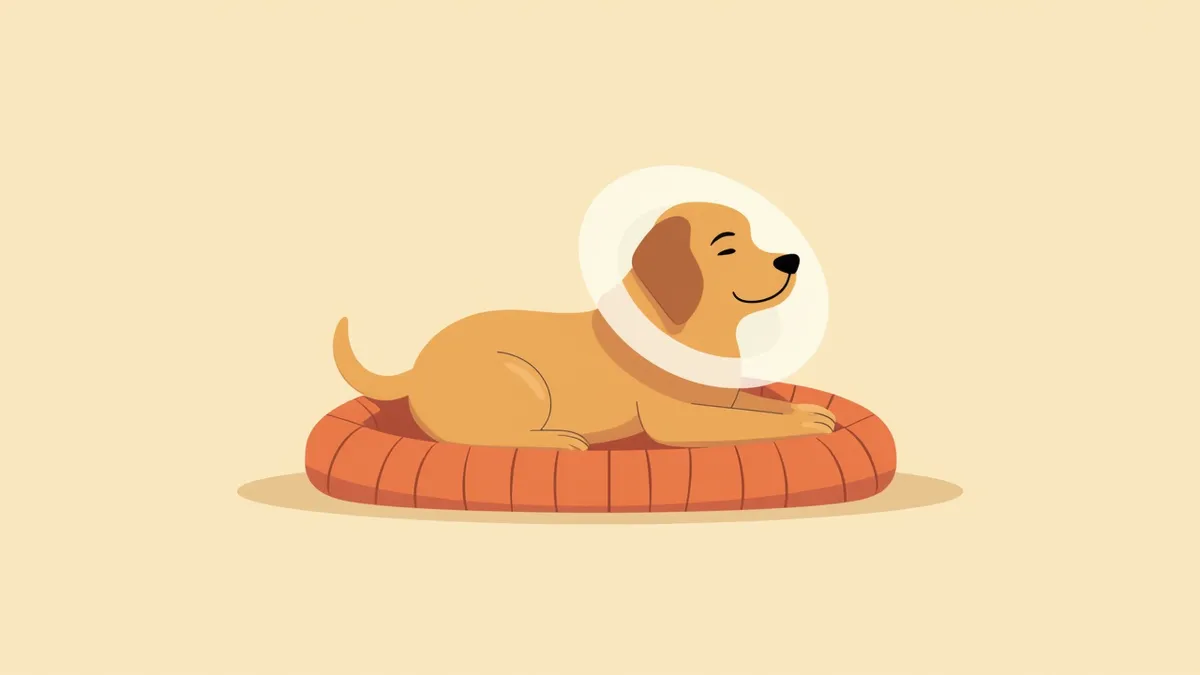
Surgery Day to First 24 Hours: Focus on These Essentials
Recovery Timeline by Stage — 2-Week Care Schedule
| Period | Key Care Focus | Allowed Activity Level |
|---|---|---|
| Day 1–3 | Anesthesia recovery, body temperature and hydration management | Movement only for elimination |
| Day 4–7 | Wound inspection, maintain Elizabethan collar | Short walks of 5 minutes or less |
| Day 8–14 | Monitor for swelling or discharge, prepare for suture removal | Slow walking for 10–15 minutes |
| Day 14+ | Gradual resumption of activity after suture removal | Follow veterinarian’s instructions |
Wound Care — Daily Checklist

If You See These Symptoms, Go to the Vet Immediately
If any of the following signs appear, visit an animal hospital within 24 hours. If it is nighttime, seek care at a 24-hour or emergency animal hospital. • Yellow or green pus is draining from the wound. • The wound has opened up or the sutures have come out. • Vomiting or diarrhea persists beyond 48 hours after surgery. • The abdomen is noticeably swollen or feels hard. • Your pet has not eaten at all for more than 24 hours and appears lethargic. • Your pet has not urinated for more than 12 hours.
Activity Restriction — How Much and How?

Post-Neutering Dietary Management — Obesity Prevention Is Key
Small Breeds and Brachycephalic Breeds Require Extra Caution During Anesthesia Recovery
Small breeds like Chihuahuas, Maltese, and Pomeranians have difficulty maintaining their body temperature due to their small size and are also at risk of hypoglycemia. To help stabilize their blood sugar levels, offer a small amount of food or a treat within 3–4 hours after returning home. Brachycephalic breeds such as Bulldogs, Pugs, and French Bulldogs have shorter airways, which can lead to slower recovery from anesthesia. Frequently monitor their breathing rate and gum color after they return home, and contact your veterinarian immediately if you notice any abnormalities.
Reviewed by a veterinarian

Dr. Tony — Punnawat Phongkittirak
VeterinarianA veterinarian who majored in veterinary medicine at Khon Kaen University, Thailand, and completed the IVSA program at North Carolina State University in the United States. Drawing on clinical experience at animal hospitals, he works in the pet healthcare field and is dedicated to building a digital care environment that connects pet parents with veterinarians.
Reviewed 2026-06-01
Frequently Asked Questions
Do I really need to use an Elizabethan collar? My dog seems so uncomfortable.
When can my pet start going for walks after surgery?
Is it normal for the area around the surgical site to feel firm?
Does a pet's personality change after neutering?
My male puppy’s scrotum is quite swollen after neutering. Is this normal?
Share
Related Guides
Top Recommendations and Selection Criteria for Cat FIV and FeLV Testing
Top Microchip Implantation Management Recommendations for Dogs and Key Selection Criteria
Complete Guide to Choosing, Comparing, and Managing the Best Heartworm Preventives for Dogs
Frequently Asked Questions (FAQ) on Chronic Recurrent Urinary Tract Infections in Cats — Key Information Every Pet Owner Must Know
Frequently Asked Questions About Proteinuria in Cats — Key Information Every Pet Owner Should Know
Frequently Asked Questions About Feline Penile and Ureteral Transplantation — Key Information for Pet Owners
Feline Hypertension and Proteinuria FAQ — Key Information for Pet Owners
Frequently Asked Questions About Feline Hydronephrosis — Key Points Pet Owners Must Know

Feline Lower Urinary Tract Disease (FLUTD) FAQ — Key Information for Pet Owners

Frequently Asked Questions About Feline Idiopathic Cystitis — Key Information for Pet Owners
References
[1] Handbook on Field Veterinary Surgery, Ch19: Ovariohysterectomy in Canines and Felines — Surgical Procedure and Postoperative Care
[2] Little S., The Dog Care Handbook: Things I Wish My Vet Had Told Me, 2024
[3] Fossum TW et al., Small Animal Surgery, 5th Edition, Elsevier, 2019