Like
Share
멍실장
고양이 중성화 후 회복 관리 총정리 — 보호자가 알아야 할 핵심

Complete Guide to Post-Neutering Recovery for Cats — Key Points for Pet Owners

Lifestyle & Age CareQ&AMeongsiljang Veterinary Advisory Board

We’ve outlined the essential steps for wound care, dietary adjustments, and warning signs that pet owners should know during the 7- to 14-day recovery period after neutering surgery.

Why Is Post-Neutering Recovery Care for Cats Important?

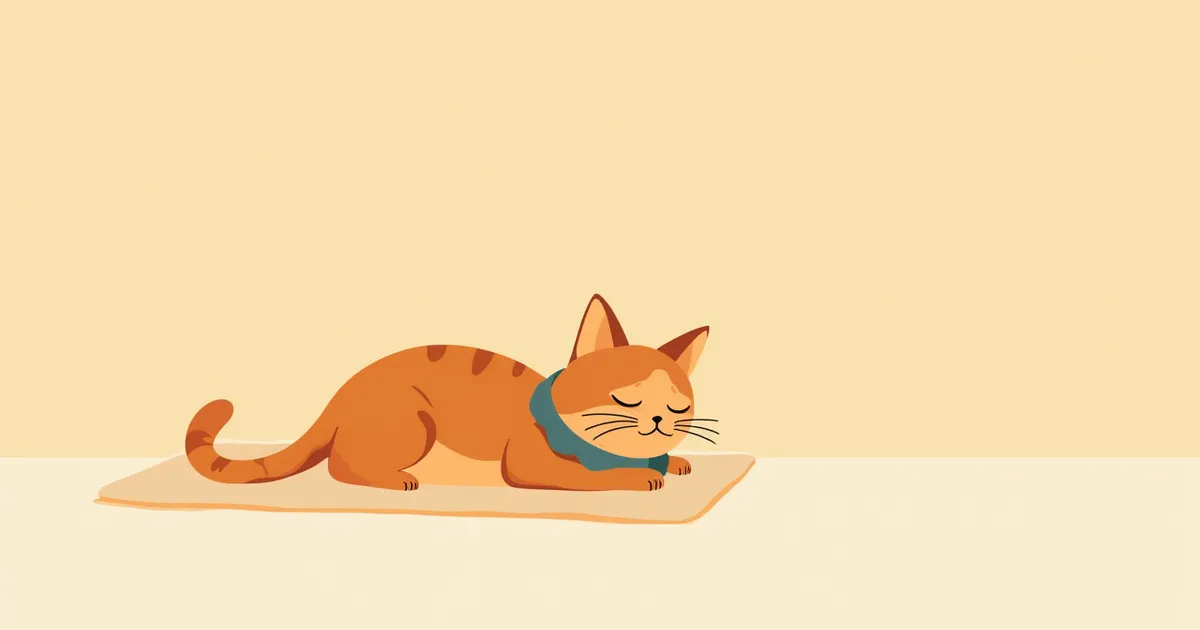
A cat recovering at home after surgery
Post-neutering recovery care for cats refers to the comprehensive home care that owners should provide to promote wound healing and prevent complications during the 7–14 days following surgery. The most critical period is the first 24–48 hours after the procedure. During this time, maintaining body temperature after anesthesia, providing a quiet environment, and ensuring proper nutritional management are essential to accelerate recovery and reduce the likelihood of returning to the clinic. Although neutering is a safe surgical procedure, the speed of recovery can vary significantly depending on how well the owner cares for the cat at home.

Surgery Day to First 24 Hours: This Period Is the Most Critical
The time it takes for your pet to fully wake up from anesthesia varies depending on the type of anesthetic used and the duration of the surgery, but most pets regain consciousness on their own within a few hours after the procedure. If anesthesia was maintained for an extended period, recovery may be slower, so please monitor your pet calmly until they become alert and responsive. Here are the key points to check during this period:
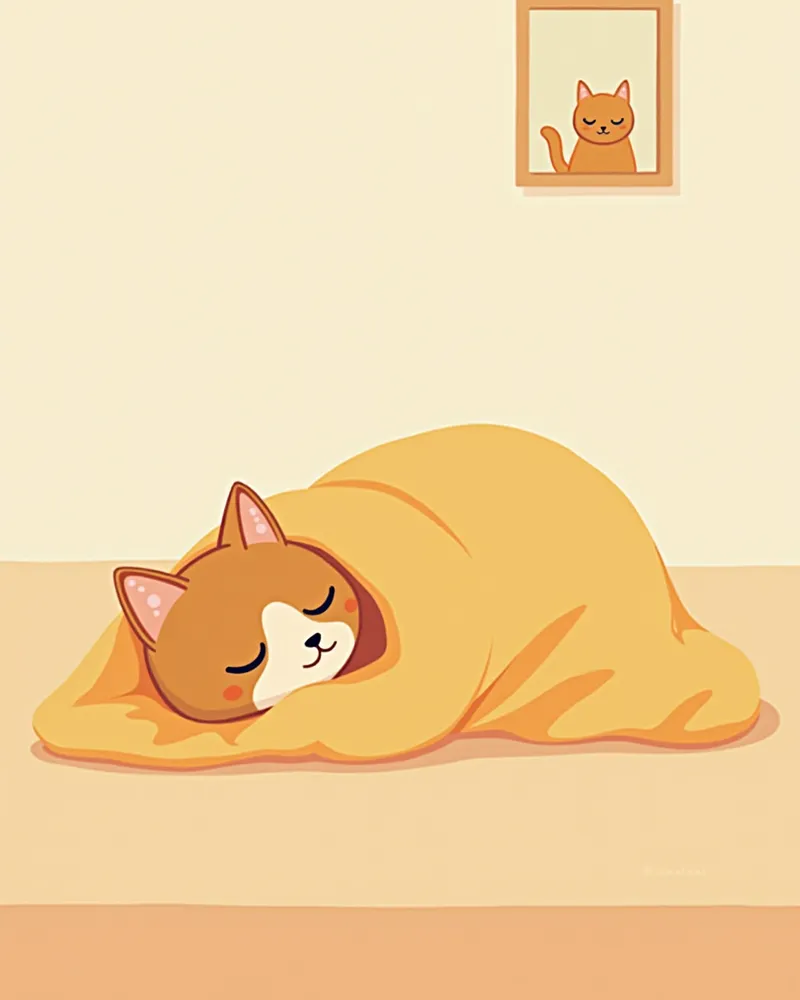
Temperature regulation: Body temperature tends to drop after anesthesia, so it’s important to prevent hypothermia. Keep your pet warm by wrapping them in a blanket or towel, but avoid direct contact with hot packs or electric heating pads to prevent low-temperature burns.
Water and food: There is a risk of vomiting while your pet is still emerging from anesthesia. Start offering small amounts of water only after they are fully awake and alert. In most cases, it’s safest to resume normal feeding and watering the morning after surgery.
Environment: Provide a quiet, warm space where your pet can rest undisturbed. Keep other pets and young children away to minimize stress and stimulation.
A cat resting wrapped in a blanket on the first day after surgery

Comparison of Recovery Characteristics by Surgical Method

ItemFemale LaparotomyFemale LaparoscopyMale Neuter
Average Recovery Period7–14 days4–7 days3–5 days
Wound Size2–5cm0.5–1cm0.3–0.5cm
Pain LevelMedium–highLow–mediumLow
E-collar Wear7–10 days5–7 days3–5 days
Activity Restriction Period7–10 days5 days3 days

The figures in the table are general estimates and may vary greatly depending on the surgical method, anesthesia protocol, and the individual's condition. In particular, male neutering often leaves the scrotal incision open to heal rather than suturing it, so no separate suture removal is needed, and whether laparoscopy is performed varies by hospital. For an accurate recovery schedule, follow your attending veterinarian's instructions first.

Wound Care and E-Collar — Never Remove It

Licking the wound can lead to bacterial infection or cause sutures to come undone, potentially reopening the incision. While you may briefly remove the e-collar when your pet is under your direct supervision, it must be worn at all times when your pet is unsupervised. Redness (erythema): Mild redness is normal for 1–2 days after surgery. If it persists for more than 3 days or worsens, please visit the clinic. Exudate: Light pink discharge is normal. Yellow or green discharge indicates infection. Suture status: If the stitches become loose or the wound opens, please come to the clinic immediately. We do not recommend applying antiseptic directly to the wound, as it may damage the tissue.
A cat wearing a neck collar to protect its wound

If You Notice These Symptoms, Go to the Vet Immediately

If any of the following symptoms occur, contact your veterinarian immediately or go to an emergency clinic, regardless of how much time has passed since the surgery. • Your pet does not wake up from anesthesia or remains lethargic more than 8 hours after surgery. • There is continuous bleeding from the incision site (not just minor spotting). • The abdomen suddenly becomes distended or hard. • Your pet refuses to eat for more than 24 hours and shows signs of weakness. • Yellow or green discharge is present, or there is a strong foul odor. • High fever (ear temperature above 39.5°C) or hypothermia (ear temperature below 37°C).

Diet and Activity Restriction — They Determine Recovery Speed

Post-surgical dietary care is equally important.
Day of surgery through the next day: Offer small amounts of soft food. If feeding dry kibble, it’s best to soak it in water first.
From days 2–3 onward: Reduce portions to 70–80% of the normal daily intake. Since the digestive tract hasn’t fully recovered, overeating can lead to vomiting.
Activity restriction: Jumping, climbing stairs, or running can put pressure on the surgical site. Place the bed and litter box in low, easily accessible areas to minimize movement strain.
Scratching posts and cat trees: For safety, restrict access to these during the recovery period.
A cat recovering and eating small meals

Preventing Obesity After Neutering — Long-Term Management Is More Important

According to veterinary textbooks, after neutering, hormonal changes can reduce appetite regulation and decrease activity levels, increasing the risk of obesity. Therefore, preventing obesity after neutering is considered a very important goal in preventive medicine.
Calorie Control: The key after neutering is to limit calorie intake. Consult with your veterinarian to decide whether to switch to a neuter-specific diet or reduce the current feeding amount.
Regular Weight Checks: Weighing your pet regularly and keeping records can help you quickly notice any unusual weight gain.
Play Activities: Keep your pet active by engaging them in play with toys.
For female cats undergoing spay surgery (ovariohysterectomy) with skin sutures, the stitches are typically removed around 10–14 days post-surgery, at which time their recovery status and weight are also checked. However, male neutering often involves leaving the scrotal incision open to heal naturally without sutures, so no stitch removal is necessary. Please consult your veterinarian to determine the appropriate follow-up examination schedule.

Additional Precautions for Females and Males

Female: Spaying involves removing the uterus and ovaries, which creates space within the abdominal cavity. Vigorous activity during the recovery period can increase the risk of internal bleeding. For open surgeries, strictly prevent jumping for at least one week. Male: Temporary swelling in the scrotal area may occur after castration. This is normal if it subsides within 1–2 days. However, if the swelling continues to increase or feels warm, suspect infection and visit the clinic.

Reviewed by a veterinarian

Dr. Tony — Punnawat Phongkittirak

Dr. Tony — Punnawat Phongkittirak

Veterinarian

A veterinarian who majored in veterinary medicine at Khon Kaen University, Thailand, and completed the IVSA program at North Carolina State University in the United States. Drawing on clinical experience at animal hospitals, he works in the pet healthcare field and is dedicated to building a digital care environment that connects pet parents with veterinarians.

Frequently Asked Questions

How long after neutering can my pet return to its normal routine?
Recovery time varies depending on your cat’s condition and the surgical method used. Generally, male cats return to their normal routine relatively quickly, while open abdominal surgery in females takes longer. Please avoid jumping and vigorous activity until the incision site has fully healed and the restricted-activity period is over. Note that male cats often have their scrotal incisions left to heal without sutures, so suture removal may not be necessary.
Can I use a surgical gown instead of a neck collar?
A surgical suit is a good option if it can completely cover the incision site. However, you should frequently check to ensure your cat isn’t trying to remove it or licking through any gaps. Since it’s easier for cats to escape from than a neck cone, it may offer less protection.
Is it okay that my pet isn’t eating at all after surgery?
It’s normal for your pet’s appetite to be reduced right after anesthesia. However, if they continue to refuse food and even water as time passes, there’s a risk of dehydration and hypoglycemia. If fever or lethargy also develops, they may need fluid therapy, so it’s best to contact your veterinarian.
Does a pet's personality change after neutering?
Heat-related behaviors such as howling, spraying, aggression, and roaming tend to decrease. Your pet’s core personality remains largely unchanged; in fact, with fewer stressors, many pets become even more stable and calm.
The surgical site looks a bit swollen. Is this normal?
Mild swelling for a few days after surgery can be a normal part of the healing process. However, if the swelling worsens or is accompanied by bleeding, warmth, or discharge, it may indicate an infection or bleeding complication, so please visit the clinic right away.

Share

Related Guides

References

[1] Handbook on Field Veterinary Surgery, Chapter 19: Ovariohysterectomy in Canines and Felines — Surgical Procedure

[2] Little SE (Ed.), The Cat: Clinical Medicine and Management, 2nd Edition, Elsevier, 2023

This information is based on veterinary literature and does not replace diagnosis or treatment. Please consult a veterinarian for specific health concerns.

Metapet Co., Ltd. | CEO: Park Sung-yong | Business Reg. No. 417-88-02562 | Seoul, South Korea | Customer Center

Cat Neutering Recovery: What to Do at Home and Watch For | Meongsiljang