Like
Share
멍실장
고양이 과도한 그루밍·자해 — 스트레스성 피부염 의학 가이드

Cat Excessive Grooming and Self-Harm — Medical Guide to Stress-Induced Dermatitis

Brain & CognitionQ&AMeongsiljang Veterinary Advisory Board

We’ve outlined the medical causes of self-harm grooming in cats—where they repeatedly lick the same area, causing hair loss and skin damage—along with step-by-step treatment plans and home care tips.

What Is Feline Self-Traumatic Grooming?
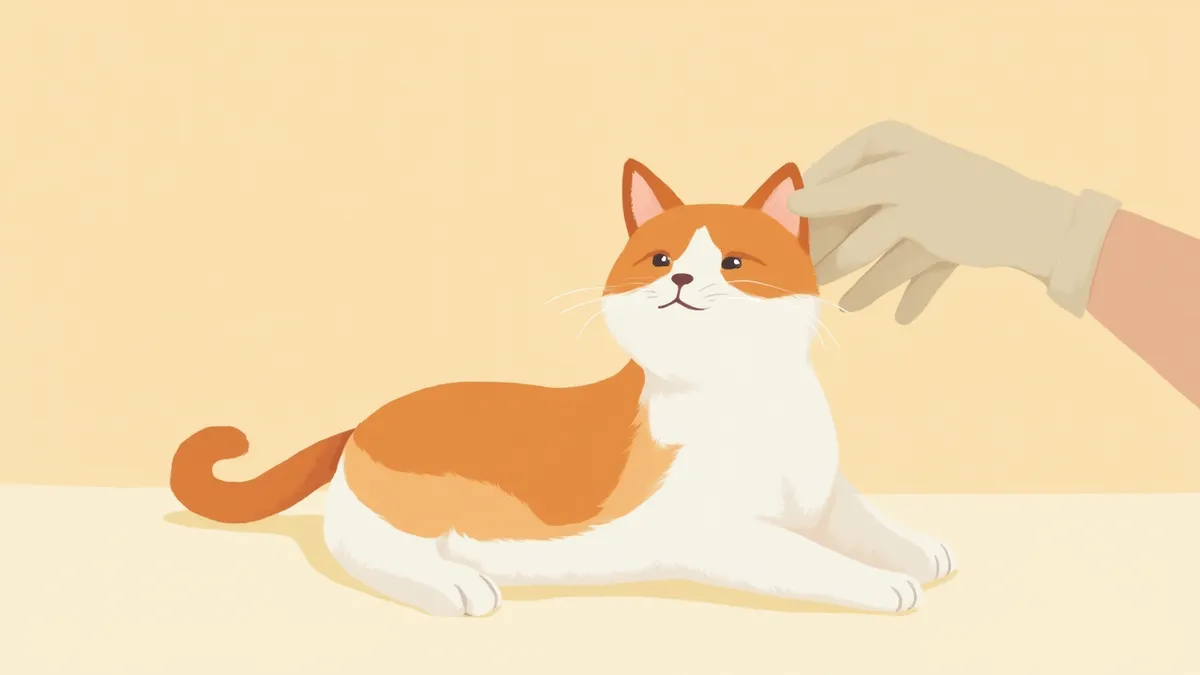
A veterinarian examining a hairless patch on a cat’s flank
Feline self-traumatic grooming is a complex behavioral and medical condition characterized by obsessive licking or biting of the same area, leading to hair loss and skin damage. The key is to rule out medical causes first. Only after thoroughly testing for allergies, parasites, and pain that could cause itching should a diagnosis of psychogenic alopecia (stress-induced) be considered. If your cat obsessively licks the same spot for more than 24 hours or if bleeding occurs, seek immediate veterinary care.

Why Does the Cat Keep Licking the Same Spot?

There are three main reasons why a cat might repeatedly lick the same spot. First, the skin itself may be itchy or painful due to allergies, fleas, fungal infections, or other sources of discomfort. Second, chronic stress can lead to compulsive self-soothing behaviors. Third, both factors may be present simultaneously. Because the act of licking triggers the release of endorphins, which provides a sense of reward, the behavior can become ingrained and persist even after the original cause has been resolved. This is why early intervention is crucial.

Areas Where Self-Traumatic Grooming Commonly Occurs

Psychogenic alopecia in cats often appears symmetrically on areas that are easy for them to reach with their tongues. The suspected causes can vary slightly depending on the affected area.

Differentiating Causes by Affected Area

ItemAbdomen / groinFlank / thighInner forelimbBase of the tail
Psychogenic (stress)TrueTrueTrueFalse
Allergic dermatitisTrueTrueTrueTrue
Flea allergyTrueTrueFalseTrue
Bladder / urinary tract painTrueFalseFalseFalse
Associated with joint painFalseTrueFalseFalse

Flea allergy most commonly appears at the base of the tail (dorsal tail region), but can also spread to the abdomen, flanks, and hind legs. Multiple causes often overlap in one area, so a veterinary diagnosis takes priority over self-diagnosis.

Symptom Signals to Watch For
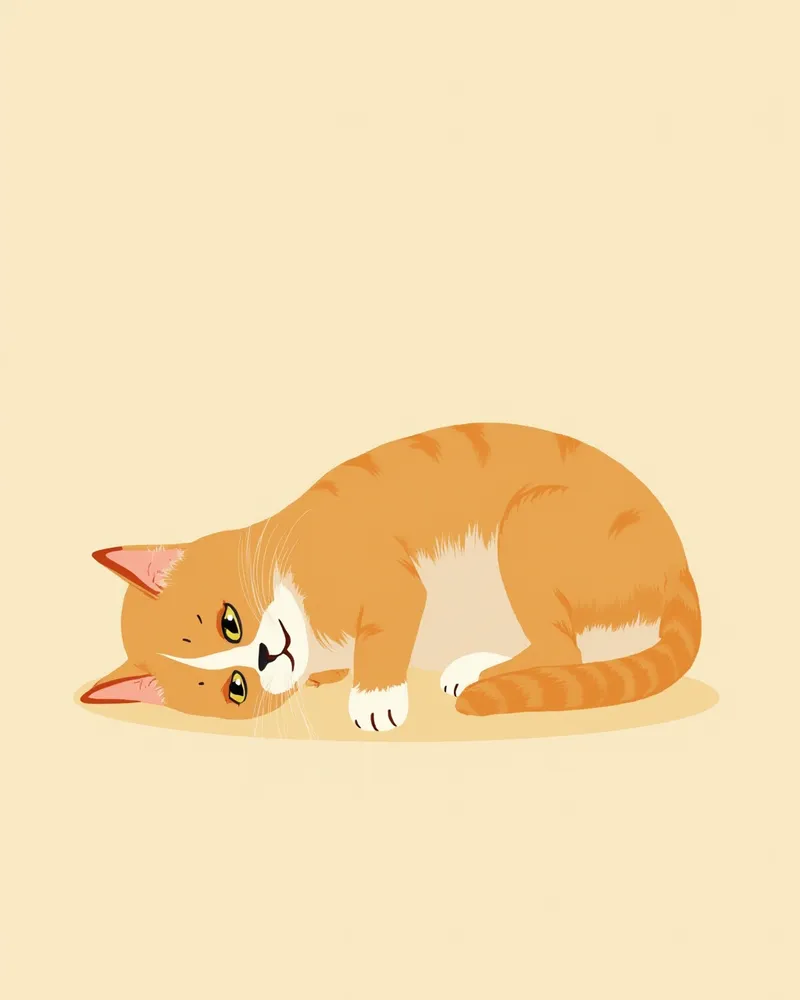
Beyond simply “licking a lot,” there are several signs owners should watch for: - Symmetrical hair loss on both sides: Hair becomes thin in a mirror-image pattern along the flanks and abdomen. - Clean skin surface: No rash, scabs, or redness—just hair that looks neatly trimmed, known as a “fur mowing” pattern. - Wounds and bleeding: If licking escalates to chewing, causing oozing, scabs, or ulcers, it’s nearly an emergency. - Licking in secret: The cat stops when observed but licks compulsively when alone. - Abnormal urination posture: Frequent trips to the bathroom combined with intense licking of the abdomen may indicate cystitis.
A cat with thinning fur on the inside of its thighs and abdomen, symmetrically on both sides.

When to Visit the Vet Immediately

If any of the following apply, you should visit a veterinary clinic on the same day: First, if licking has caused bleeding, discharge, or ulcers on the skin. Second, if your pet persistently licks the same spot for more than 24 hours. Third, if the licking is accompanied by frequent urination or blood in the urine (which may indicate cystitis or urinary tract pain). Fourth, if the behavior started suddenly and your pet cries out or shows aggression when prevented from licking, as this could indicate an underlying pain-related cause.

How Diagnosis Is Conducted at the Clinic
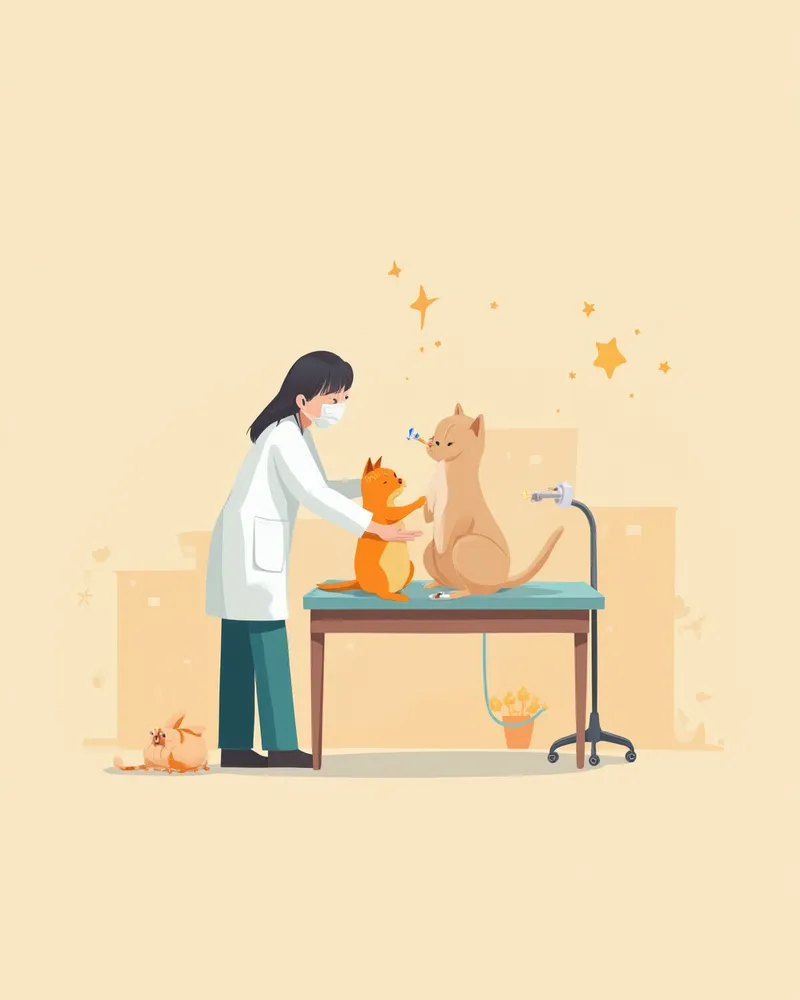
Veterinarians typically approach cases using a process of exclusion. First, skin scrapings are performed to check for mites and fungal infections. Second, a trichogram (hair shaft examination) helps distinguish between self-inflicted damage and natural hair loss. Third, if food allergies are suspected, an eight-week trial with a hydrolyzed diet is conducted. Fourth, environmental allergies are evaluated through serum testing or intradermal skin tests. Fifth, if all these tests come back normal and the licking pattern is symmetrical, a diagnosis of psychogenic alopecia is made. Skipping steps in an effort to get a quick diagnosis often leads to misdiagnosis.
A veterinarian examining a cat’s skin on the examination table at an animal hospital

Treatment Proceeds Along Two Axes

Effective treatment requires addressing both environmental enrichment and medical care simultaneously. - Environmental enrichment: Add vertical spaces (cat trees), hiding spots, and window perches; use puzzle feeders to satisfy hunting instincts. - Stress reduction: Document triggers such as new family members, moving, or multi-cat conflicts, and manage them through separation or mediation. - Pheromone support: Try a synthetic facial pheromone diffuser for at least four weeks. - Medication: If behavioral modification alone is insufficient, your veterinarian may prescribe antidepressants such as clomipramine or fluoxetine. Consistent use for six to eight weeks or longer is necessary to see results. - Skin protection: If wounds are present, temporarily fit an Elizabethan collar and administer topical treatment.
A cat’s daily space enriched with a cat tower and puzzle feeder

What Owners Can Do at Home

Here are some daily care tips you can follow at home, in addition to veterinary treatment. - Grooming diary: For one week, record the areas your cat licks, the times of day, and potential triggers, along with photos. - Scheduled playtime: Twice a day, engage your cat in 10–15 minutes of hunting-style play to help them expend energy. - Multi-cat households: Distribute resources (food bowls, litter boxes, resting spots) following the “number of cats + 1” rule. - Minimal use of e-collars: An e-collar is only a short-term emergency measure to prevent licking. Long-term use can increase stress. - Do not self-medicate: Human antihistamines and topical creams can be toxic to cats. If there are clear environmental changes, also check out our Guide to Reducing Cat Stress Through Environmental Enrichment.

Points to Note About Drug Therapy

Clomipramine and fluoxetine, used to treat psychogenic alopecia, belong to the same class of medications as those prescribed for depression and obsessive-compulsive disorder in humans. For cats, a veterinarian will prescribe these drugs only after evaluating the cat’s weight, underlying health conditions, and liver and kidney function. Effects typically begin to appear after 4 to 8 weeks. Abruptly stopping the medication can cause the behavioral symptoms to worsen, so a gradual tapering off is necessary. If side effects such as decreased appetite or drowsiness occur, do not discontinue the medication on your own; contact your prescribing veterinarian first.

Reviewed by a veterinarian

Dr. Tony — Punnawat Phongkittirak

Dr. Tony — Punnawat Phongkittirak

Veterinarian

A veterinarian who majored in veterinary medicine at Khon Kaen University, Thailand, and completed the IVSA program at North Carolina State University in the United States. Drawing on clinical experience at animal hospitals, he works in the pet healthcare field and is dedicated to building a digital care environment that connects pet parents with veterinarians.

Frequently Asked Questions

My pet started licking excessively after we moved. Will this improve on its own over time?
If the behavior appears temporarily right after an environmental change, it often subsides within one to two weeks. However, if it persists for more than four weeks or causes skin damage, it is considered a fixed behavioral pattern, and you should seek veterinary care. Try using a pheromone diffuser and providing additional hiding spots at the same time.
Will putting on an Elizabethan collar solve the problem?
Collars are a short-term emergency measure for severe skin damage. If you only use a collar without addressing the root cause (itching, pain, stress), your pet may resume licking as soon as the collar is removed, or the increased stress may lead to other compulsive behaviors.
Is there a way to tell at home whether the hair loss is stress-related or due to allergies?
While it’s difficult to make a definitive distinction, there are some clues. If the hair is simply cut short without any rash or scabs on the skin, and the pattern is symmetrical on both sides, it’s likely psychogenic alopecia. On the other hand, if there are red rashes, scabs, or oozing, or if the hair loss is asymmetrical and affects only one side, it’s more likely due to a medical cause. In either case, a veterinarian will make the final diagnosis.
Once my pet starts taking medication, will they need to take it for the rest of their life?
Not necessarily. In many cases, once environmental improvements and behavioral modifications have taken hold, the medication can be gradually tapered off and eventually discontinued after a stable period of six months to a year or more. However, if chronic stressors—such as ongoing conflicts in a multi-cat household—remain unresolved, there is a risk of relapse, which may necessitate long-term medication.
My pet is obsessively licking only the base of its tail, while the rest of its body seems fine. Could this also be a sign of stress?
Hair loss concentrated at the base of the tail is most commonly caused by flea allergy dermatitis, rather than stress. Even indoor cats can be exposed to fleas brought in on human clothing. Start by checking for external parasites and ensuring regular deworming.

Share

Related Guides

References

[1] BSAVA Manual of Canine and Feline Dermatology, 4th Edition — Psychogenic Alopecia in Cats

[2] Mertens P.A., Torres S., Jessen C., The effects of clomipramine hydrochloride in cats with psychogenic alopecia: a prospective study, J. Am. Anim. Hosp. Assoc., 2006

[3] A Professional's Guide to Feline Behaviour — Stress-Induced Over-Grooming (Psychogenic Alopecia)

[4] The Veterinary Workbook of Small Animal Clinical Cases — The Alopecic Kitten

[5] Introduction to Animal Behavior and Veterinary Behavioral Medicine — Compulsive Disorders in Cats

This information is based on veterinary literature and does not replace diagnosis or treatment. Please consult a veterinarian for specific health concerns.

Metapet Co., Ltd. | CEO: Park Sung-yong | Business Reg. No. 417-88-02562 | Seoul, South Korea | Customer Center

Cat Overgrooming & Self-Harm: Stress Dermatitis Guide | Meongsiljang