

Can I exercise my cat with heart disease? — Key to daily management of exercise restriction
In feline heart disease, restricting exercise is a crucial measure to preserve life. Here’s a summary of the essential questions and answers that pet owners should know.
Exercise restriction for feline heart disease is a key measure to preserve life

What are the main signs in cats that require exercise restriction?

What criteria determine the extent of exercise restriction?
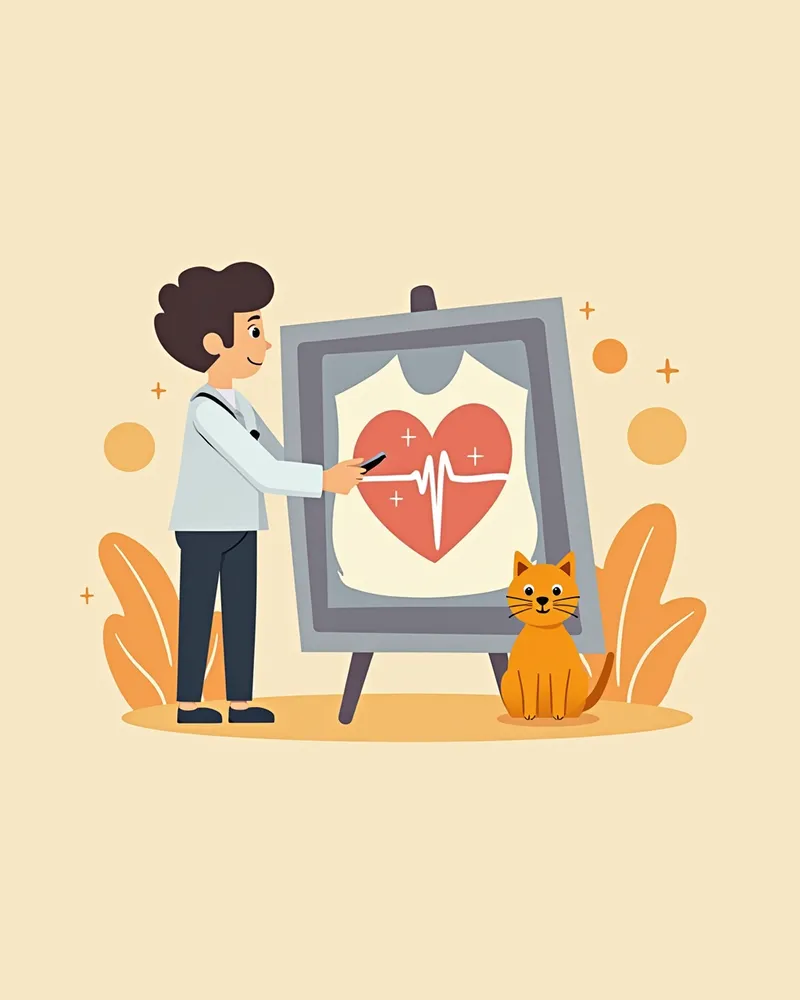
Exercise restriction guidelines by stage of heart disease
| Item | ACVIM Stage | Condition Description | Activity and Management |
|---|---|---|---|
| At-Risk Group (Stage A) | No structural cardiac abnormalities, but at high risk due to breed, family history, etc. | Normal activity possible | Regular checkups and cardiac ultrasound evaluation recommended |
| Latent Phase (Stage B1, B2) | Asymptomatic myocardial hypertrophy; risk level distinguished by degree of left atrial enlargement | Daily activity is possible, but avoid strenuous activity | The veterinarian judges based on risk factors such as left atrial enlargement |
| Heart Failure Phase (Stage C) | Currently or previously showed signs of congestive heart failure | Reduce activity and minimize stress | Strictly follow the veterinarian's medication and treatment guidelines |
| Emergency/Refractory (Stage D) | Severe or acute heart failure with poor treatment response | Rest-focused with minimal movement only | Immediate hospitalization and intensive care needed |
The stage of heart disease is determined according to the ACVIM classification (A, B1, B2, C, D) based on cardiac ultrasound (especially left atrial size) and clinical symptoms, and the activity range must be decided in consultation with the veterinarian.
How should daily management be handled during exercise restriction?

Immediate veterinary visit is necessary for sudden severe dyspnea or fainting
If your cat suddenly starts breathing heavily or faints, it could be a sign of a rapid decline in heart function or the formation of a blood clot. Immediate veterinary care or emergency treatment is necessary, as this can be a life-threatening situation.
Emotional stability is important for cats even during exercise restriction

Do not force play or activity if your cat frequently tries to play
Even if your cat appears eager to run and play, heart disease cannot be diagnosed based on outward behavior alone. Forcing play can place excessive strain on the heart and lead to serious complications. Always follow your veterinarian’s guidance rather than relying on your own judgment.
Reviewed by a veterinarian

Dr. Tony — Punnawat Phongkittirak
VeterinarianA veterinarian who majored in veterinary medicine at Khon Kaen University, Thailand, and completed the IVSA program at North Carolina State University in the United States. Drawing on clinical experience at animal hospitals, he works in the pet healthcare field and is dedicated to building a digital care environment that connects pet parents with veterinarians.
Reviewed 2026-06-03
Frequently Asked Questions
Is the exercise restriction permanent?
Can my pet still play during activity restriction?
Will restricting exercise make my cat depressed?
Can I feed my pet normally while they are on restricted activity?
Will limiting exercise improve heart disease?
Share
Related Guides

Coenzyme Q10 Benefits and Administration Guide

Dog Pulmonary Edema Warning — 7 Best Diuretics (Furosemide) for Heart Management

7 Best Prescription Diets for Feline Heart Disease Recommended by Veterinarians — Criteria for Choosing Low-Sodium Food

How to Clean Your Dog’s Eyes: The Correct Way to Safely Clean at Home

What is Canine Hypothyroidism? — Do They Need Lifelong Medication? Key Q&A
Feline Lymphoma Treatment and Prognosis — Chemotherapy vs. Conservative Management

How to Read Your Dog’s Liver Enzyme Levels (ALT & ALP) and Normal Range Guide

Canine Osteosarcoma: Should You Amputate the Leg? — Essential Guide Before Making a Decision

Is it okay if my dog eats xylitol? — Emergency signs of hypoglycemia and liver damage

Dictionary of 100 Essential Veterinary Terms
References
[1] The Cat, Clinical Medicine and Management, 2nd Edition, 2022
[2] Plumb's Veterinary Drug Handbook, 9th Edition, 2021
[3] Journal of Veterinary Internal Medicine, 35(1):58–67, 2020