

Criteria for Deciding Between Hospice Care and Euthanasia
I’ve outlined the differences between pet hospice care and euthanasia, as well as how to determine which option is best for your pet based on quality-of-life assessment criteria.
What’s the Difference Between Hospice Care and Euthanasia?
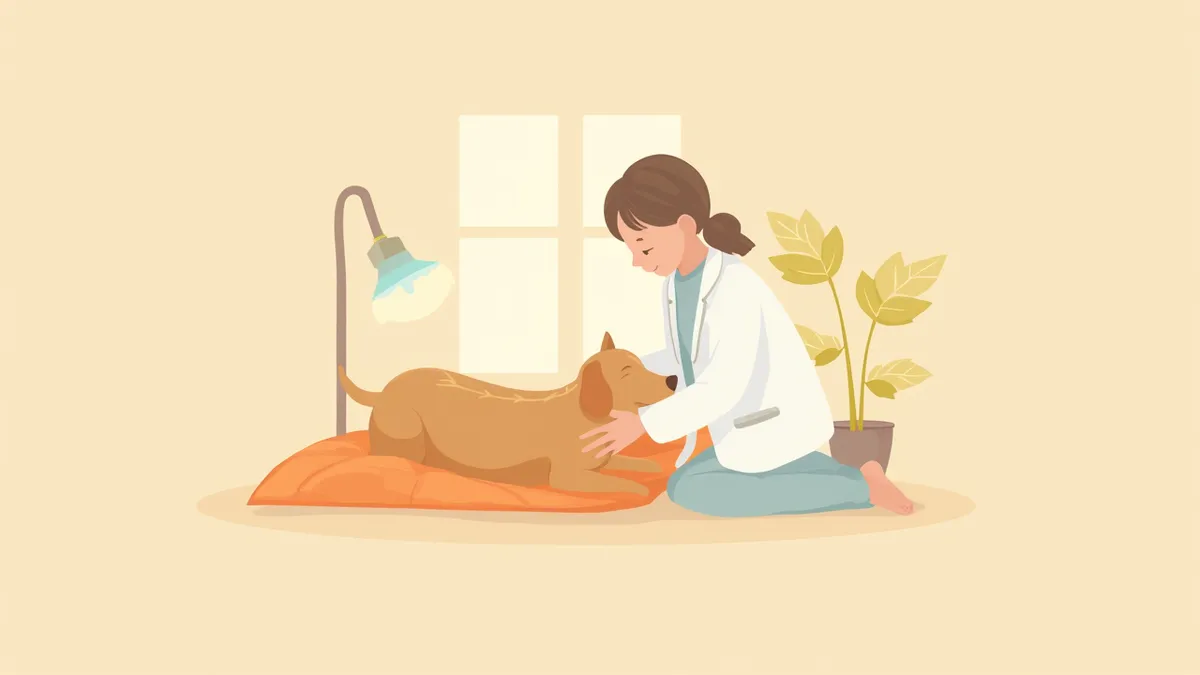
When These Two Options Arise
Hospice Care vs. Euthanasia at a Glance
| Item | Hospice care | Euthanasia |
|---|---|---|
| Purpose | Maintaining quality of life in the remaining time | Ending ongoing suffering |
| Timing of application | Right after a terminal diagnosis, when pain can still be controlled | When pain & respiratory distress can no longer be controlled with medication |
| Main interventions | Analgesics, fluids, nutritional support, oxygen | Euthanasia solution given intravenously (IV) after sufficient sedation |
| Duration | Days to months | Loss of consciousness proceeds quickly (total time varies by veterinarian & the individual's condition) |
| Owner's role | Daily care, pain observation & recording | Being present, preparing for farewell |
The actual timing and method of application depend on the attending veterinarian's assessment.
The HHHHHMM Scale: Scoring Quality of Life

Signs That Require Immediate Euthanasia Consultation
If any one of the following symptoms persists for more than 48 hours without improvement despite medication or oxygen therapy, do not delay consulting your veterinarian about euthanasia. - Uncontrolled pain: Whimpering and trembling continue even with maximum-dose pain relievers. - Difficulty breathing: Panting with the mouth open and bluish discoloration of the tongue persist despite oxygen supplementation. - Recurrent seizures: Multiple seizures occur daily despite anticonvulsant medication. - Complete refusal of food and water: No recovery of strength despite force-feeding or intravenous fluids. - Inability to change position independently: Recurrent pressure sores and fecal contamination, leading to further pain. The desire to wait “just a little longer” may inadvertently prolong your pet’s suffering.
What Is Actually Done During Hospice Care

How Is Euthanasia Performed?
What Owners Should Prepare Before Making a Decision
Self-Blame After the Decision Is a Natural Emotion
Thoughts like “Should I have decided sooner?” or “Was it too soon to let go?” are part of the grieving process that nearly every pet owner experiences. Veterinary textbooks and clinical guidelines recognize owners’ grief responses as an integral part of the care journey, emphasizing the veterinary team’s role in supporting owners through this difficult time. If sleep, appetite, or daily routines remain disrupted for several weeks or more, it’s perfectly okay to seek help from a counseling center that offers pet-loss counseling or from grief support groups recommended by your veterinarian.
Reviewed by a veterinarian

Dr. Tony — Punnawat Phongkittirak
VeterinarianA veterinarian who majored in veterinary medicine at Khon Kaen University, Thailand, and completed the IVSA program at North Carolina State University in the United States. Drawing on clinical experience at animal hospitals, he works in the pet healthcare field and is dedicated to building a digital care environment that connects pet parents with veterinarians.
Reviewed 2026-04-27
Frequently Asked Questions
Does hospice care have to be provided in a hospital?
Is it true that a puppy will let you know when it’s time to go potty?
If my pet eats on the day of euthanasia, I might change my mind. Can we postpone it?
Is the euthanasia process for cats the same as for dogs?
The cost makes it difficult to continue hospice care for an extended period.
Share
Related Guides

Primary vs. Secondary Veterinary Hospitals: A Comparison

5 Easy-to-Raise Cat Breeds for First-Time Owners — Grooming Difficulty Comparison

Top 7 Short-Legged Dog Breeds

Frequently Asked Questions on Regular Health Check-ups by Puppy Age — Key Points for Pet Owners

Feline Weight and Obesity Prevention Management FAQ — Key Points Every Owner Must Know

Frequently Asked Questions on Cat Travel and Transport Health Care — Key Points Every Owner Must Know

Frequently Asked Questions on Cat Summer Heat Management and Heatstroke Prevention — Key Points Every Owner Must Know

Frequently Asked Questions About the Pros and Cons of Feline Spaying and Neutering — Key Information Every Pet Owner Should Know

Senior Cat Health Checkup Items FAQ — Key Points Every Pet Owner Should Know
Cat Routine Blood Test Items FAQ — Key Points Every Owner Should Know
References
[1] AVMA Guidelines for the Euthanasia of Animals: 2020 edition, American Veterinary Medical Association
[2] Plumb's Veterinary Drug Handbook, 10th Edition — Pentobarbital chapter
[3] Small Animal Anesthesia and Pain Management: A Color Handbook, 3rd Edition — Euthanasia chapter
[4] Villalobos A., Quality of Life Scale (HHHHHMM Scale), Canine and Feline Geriatric Oncology