Like
Share
멍실장
강아지 심장사상충 예방약 선택·비교 자주 묻는 질문 Q&A — 보호자가 꼭 알아야 할 핵심

Dog Heartworm Preventive Selection & Comparison FAQ — Key Points Every Pet Owner Must Know

Lifestyle & Age CareQ&AMeongsiljang Veterinary Advisory Board

We’ve outlined the most important criteria and key differences to consider when choosing a heartworm preventive for your dog. Check out the essential information every pet owner should know at a glance.

Key Q&A on Dog Heartworm Preventive Selection & Comparison
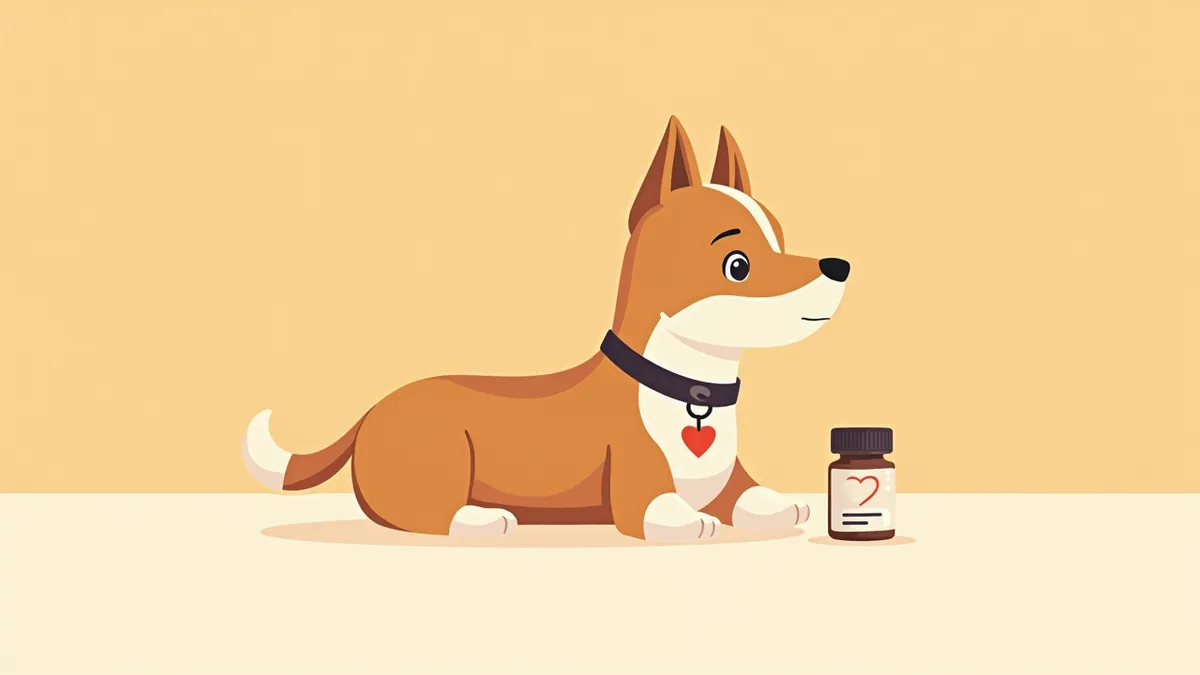
Key information for choosing heartworm preventive medication for dogs
Monthly administration is the most effective way to prevent heartworm disease in dogs. Preventive medications work by eliminating heartworm larvae transmitted by mosquitoes before they can mature. The key points every pet owner should know include the active ingredients, dosing schedule, potential side effects, and selecting the right product based on your dog’s individual health status.
Differences by Active Ingredient: Common macrocyclic lactone ingredients include selamectin, milbemycin oxime, and ivermectin. Each has distinct additional benefits and characteristics.
Dosing Schedule: Most heartworm preventives are designed for monthly administration. Adhering strictly to this schedule maximizes preventive efficacy.
Side Effect Precautions: Some dogs may experience reactions such as nausea or lethargy. If these symptoms occur, a veterinary visit is necessary.
Individualized Selection: The appropriate medication varies depending on weight, age, and the presence of underlying conditions. It is recommended to test all dogs for existing infection before starting preventive treatment.

Key Factors to Consider When Choosing a Preventive
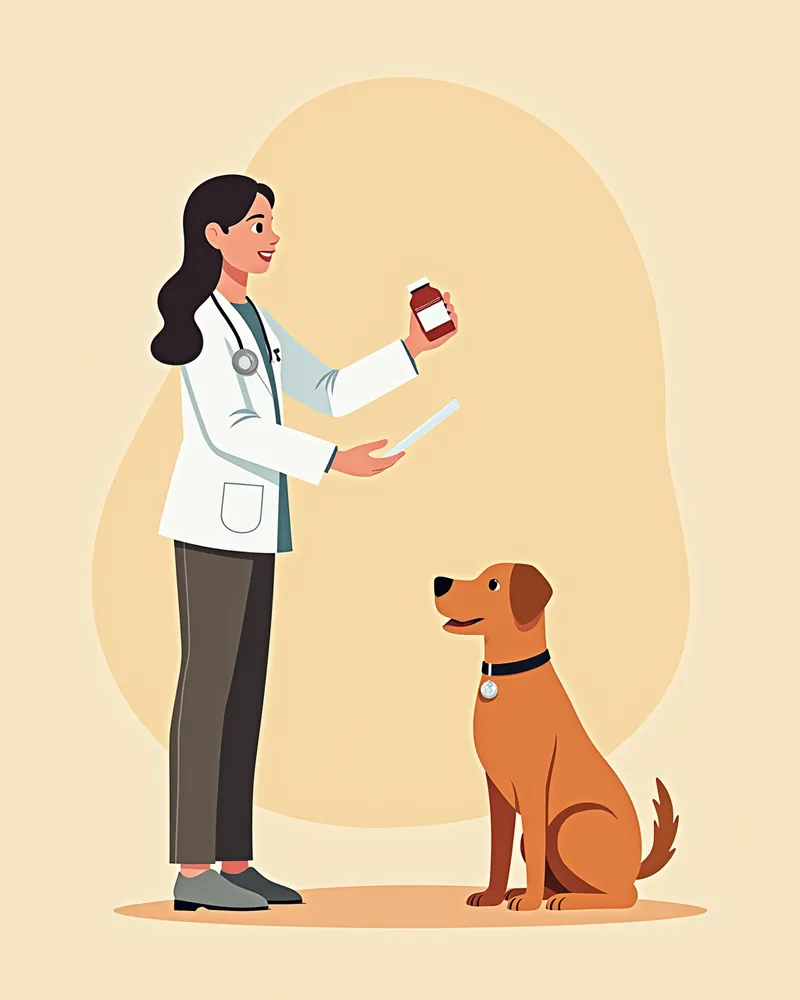
When choosing a heartworm preventive for your dog, it’s important to consider more than just price or ease of administration—multiple factors should be taken into account. A veterinarian’s diagnosis and consultation are essential.
Ingredient Safety: FDA-approved, genuine heartworm preventives have been proven safe at recommended dosages, even in dogs with the MDR1 gene mutation. However, certain breeds like Collies may be sensitive to high doses of ivermectin, so it’s crucial to follow the manufacturer’s recommended dosage. Selamectin is known to be safe for ivermectin-sensitive dogs.
Prescription Requirement: Heartworm preventives should be used under veterinary guidance and prescription. Self-purchased products may lack guaranteed ingredients and quality, so caution is advised.
Duration of Use: Preventives are recommended for year-round administration, not just during mosquito season. Missing doses increases the risk of infection.
Managing Side Effects: If symptoms such as vomiting, lethargy, or loss of appetite occur, a vet visit is necessary. Side effects can vary significantly between individuals, so careful monitoring is important.
A scene of consulting with a veterinarian to choose a heartworm preventive medication.

Comparison Table of Major Heartworm Preventive Ingredients

ItemMain Dosing IntervalSafety in Breeds with MDR1 Gene MutationAdditional Effects
SelamectinOnce monthlySafe at recommended dose (including ivermectin-sensitive dogs)Prevention of external parasites such as fleas and ticks
Milbemycin oximeOnce monthlySafe at recommended dosePrevention of intestinal parasites such as roundworm, hookworm, and whipworm
IvermectinOnce monthlySafe at recommended preventive dose (caution at high doses)Parasite control

FDA-approved genuine heartworm preventives have been confirmed to be safe even in breeds with the MDR1 gene mutation at recommended doses. However, some breeds such as Collies are sensitive to high-dose Ivermectin and may develop central nervous system side effects such as lethargy and ataxia, so the recommended dose must be followed. Selamectin is known to be safe even in ivermectin-sensitive dogs, so it may be preferred.

Precautions After Administering Preventive Medication
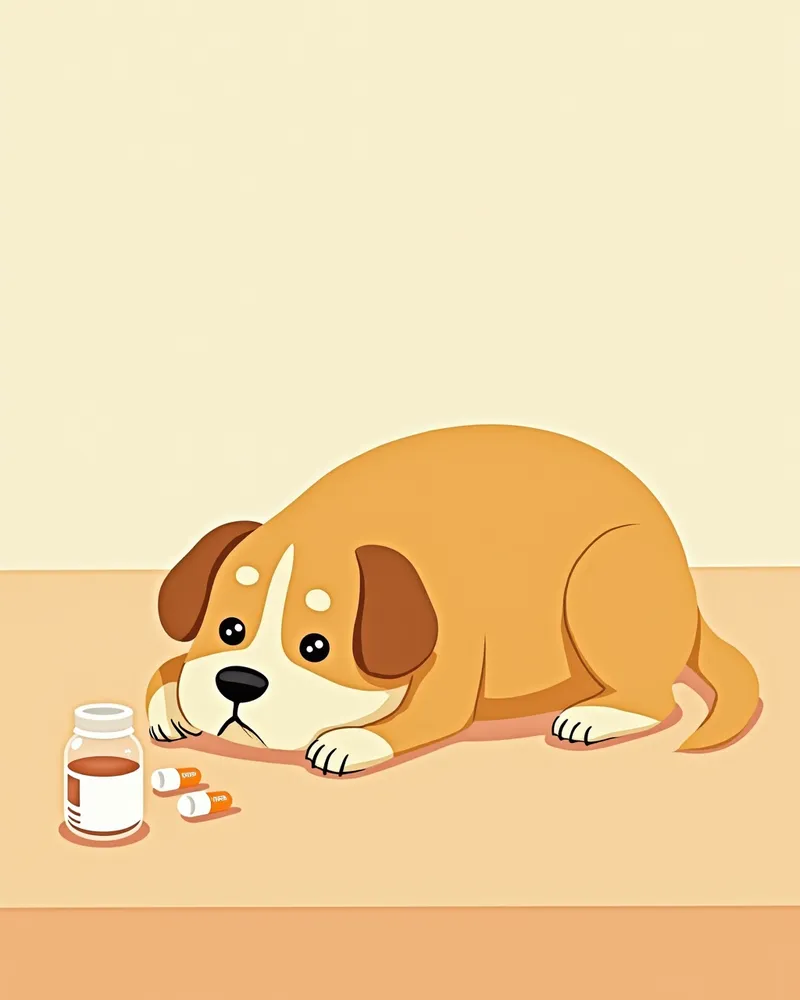
Even after administering preventive medication, close monitoring is essential, as side effects may occur.
Signs of side effects: If your pet experiences vomiting, diarrhea, lethargy, loss of appetite, fever, or skin rashes, seek veterinary care immediately. Individual responses vary significantly, and some reactions can be acute.
Administration schedule: For optimal effectiveness, administer the medication on the same day each month. Missing a dose increases the risk of infection.
Drug interactions: Concurrent use with other medications may increase the risk of side effects. Always inform your veterinarian of any other treatments your pet is receiving.
Prevention vs. treatment: Preventive medications are designed to prevent infection, not to treat an existing one. Annual testing is mandatory to confirm infection status through antigen testing.
Images showing side effects observed after administering heartworm preventive medication

Criteria for Immediate Veterinary Visit

If your pet shows symptoms such as nausea, lethargy, fever, difficulty breathing, or seizures after receiving a preventive medication, please visit the clinic immediately. These could be signs of a serious side effect.

Tips for Using Preventive Medication and Preventing Mistakes
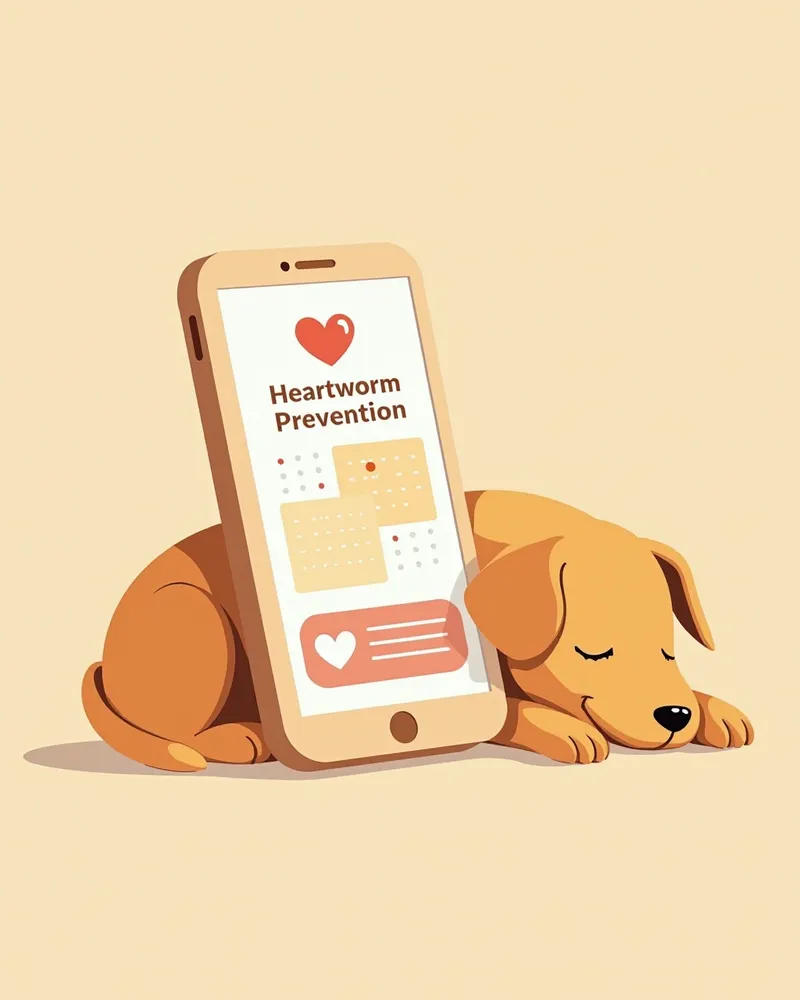
Here are a few tips to help you use heartworm preventive medication for your dog effectively.
Keep records: Logging the administration dates in a calendar or app helps prevent missed doses.
Check for underlying conditions: If your dog has heart disease or liver dysfunction, consult your veterinarian before use.
Do not mix medications: Do not administer this medication alongside other drugs; always follow your veterinarian’s instructions.
Maintain year-round prevention: Consistent administration throughout the year is essential for effectiveness. Do not skip doses during the winter.
Image of managing the administration records of heartworm preventive medication

Frequently Asked Questions When Choosing a Preventive

Here are the most common questions we get when choosing heartworm preventatives for dogs. Q. What happens if I miss a dose? A. The risk of infection increases. It is important to have your dog tested and receive additional preventive measures at the clinic immediately. This is especially urgent if the missed dose occurred during peak mosquito season. Q. Is it okay to buy medication online or at a store? A. Medication prescribed by a veterinarian is the safest and most effective option. Over-the-counter or self-purchased products may have uncertain ingredients, so their safety and efficacy cannot be guaranteed. Q. When should I start giving heartworm preventative? A. Typically, prevention begins at 6 to 8 weeks of age. The exact timing may vary based on your veterinarian’s assessment, but it is recommended to start according to the local mosquito season. Q. Do I need to give heartworm preventative year-round? A. Yes, consistent year-round administration is necessary for effective protection. Due to climate change, mosquito activity seasons are extending, making prevention essential even during winter months.
Heartworm preventive medication administration records and management images

Reviewed by a veterinarian

Dr. Tony — Punnawat Phongkittirak

Dr. Tony — Punnawat Phongkittirak

Veterinarian

A veterinarian who majored in veterinary medicine at Khon Kaen University, Thailand, and completed the IVSA program at North Carolina State University in the United States. Drawing on clinical experience at animal hospitals, he works in the pet healthcare field and is dedicated to building a digital care environment that connects pet parents with veterinarians.

Frequently Asked Questions

Should I give my pet heartworm prevention medication every month?
Yes, administering the medication precisely on schedule each month is the most effective approach. If a dose is missed, the risk of infection increases, so it’s important to have your pet examined at the clinic right away and receive any additional preventive measures needed.
What should I do if my pet vomits after taking a preventive medication?
Please visit the clinic immediately. Since this could be a side effect, a veterinarian's diagnosis is necessary. Extra caution is especially important for dog breeds that are sensitive to high doses of ivermectin.
Which preventive medications should be used for dog breeds with the MDR1 gene mutation?
FDA-approved, genuine heartworm preventives have been proven safe for dogs with the MDR1 mutation when used at the recommended dosage. However, certain breeds, such as Collies, may be sensitive to high doses of ivermectin, so it is important to strictly adhere to the recommended dosage and consult your veterinarian. Selamectin is known to be safe even for dogs sensitive to ivermectin.
Should I still give my pet preventive medication during the winter?
Yes, even though mosquito activity decreases, the risk of infection remains, so year-round administration is recommended. Due to climate change, the active period of vector mosquitoes is getting longer, so prevention is necessary even in winter.
My pet’s bowel movements have been abnormal since giving the preventive medication. Is this normal?
If your pet develops digestive symptoms such as diarrhea or constipation, please consult your veterinarian. These may be side effects, and if severe symptoms persist, immediate veterinary attention is necessary.

Share

Related Guides

References

[1] American Heartworm Society. (2023). Canine Guidelines for the Prevention, Diagnosis, and Management of Heartworm (Dirofilaria immitis) Infection in Dogs. https://www.heartwormsociety.org

[2] Plumb's Veterinary Drug Handbook, 9th Edition. (2022). Wiley-Blackwell. ISBN: 978-1119727708

[3] Handbook of Veterinary Pharmacology. (2021). Elsevier. Chapter 7: Drugs for Heartworm Prevention and Therapy

This information is based on veterinary literature and does not replace diagnosis or treatment. Please consult a veterinarian for specific health concerns.

Metapet Co., Ltd. | CEO: Park Sung-yong | Business Reg. No. 417-88-02562 | Seoul, South Korea | Customer Center

Choosing & Comparing Heartworm Preventatives for Dogs: Key Q&A | Meongsiljang