Like
Share
멍실장
고양이 대동맥 혈전색전증 자주 묻는 질문 Q&A — 보호자가 꼭 알아야 할 핵심

Cat Suddenly Unable to Use Hind Legs — Symptoms and Emergency Response for Feline Aortic Thromboembolism

HeartQ&AMeongsiljang Veterinary Advisory Board

Feline aortic thromboembolism is a life-threatening heart condition that develops suddenly, requiring immediate action from pet owners. Here’s a summary of the main symptoms and how to respond.

What Is Feline Aortic Thromboembolism?

An anatomical diagram showing a blood clot obstructing the aorta in a cat
Feline aortic thromboembolism (FATE) is an acute, life-threatening emergency in which a blood clot that forms in the heart—most commonly in the left atrium—breaks loose and lodges in the aorta, blocking blood flow to the hind limbs. This condition causes sudden hindlimb paralysis and severe pain. Clots are more likely to form when heart function declines, causing the left atrium to enlarge and blood flow to stagnate. FATE is most commonly seen in cats with cardiomyopathy, particularly hypertrophic cardiomyopathy; in fact, approximately 90% of cats with FATE have an underlying cardiomyopathy. Immediate veterinary care is essential, and prompt initiation of treatment is critical for survival. - Acute cardiac disease: A blood clot originating in the left atrium obstructs the aorta (most often at its distal bifurcation), cutting off blood flow to the hind limbs. - Emergency situation: Sudden paralysis and pain require immediate veterinary attention. - Survival prospects: Reported survival rates with treatment range from approximately 27% to 45%, and early intervention improves prognosis.

Why Does It Occur Frequently in Cats?
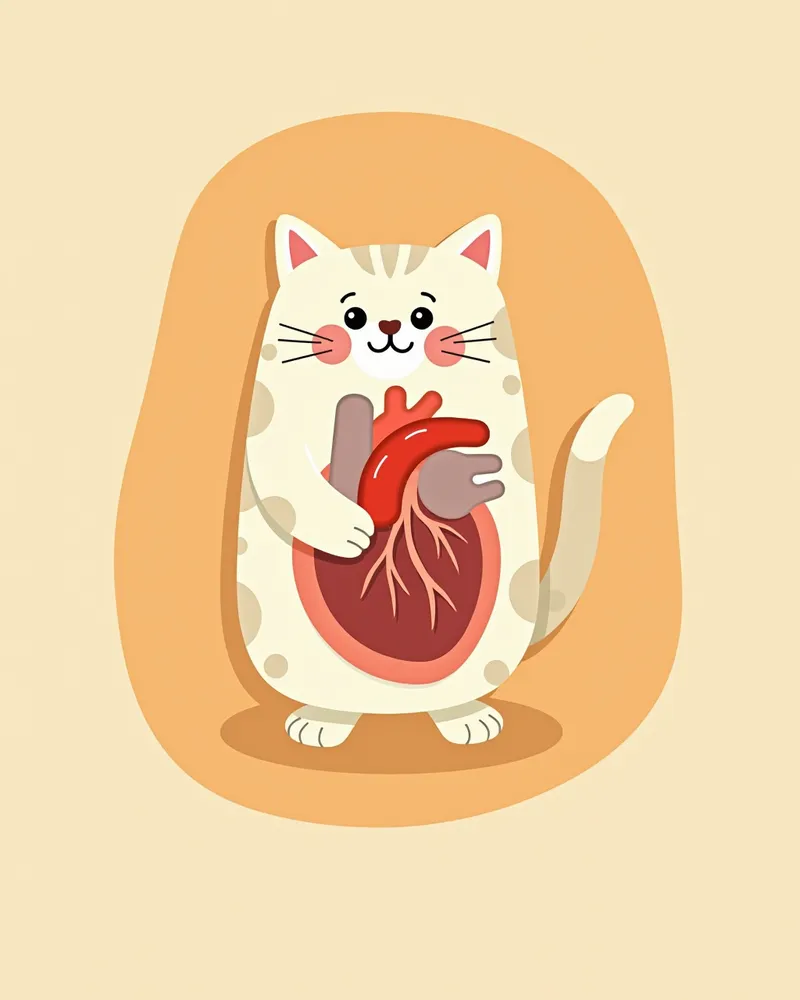
Feline aortic thromboembolism occurs when impaired heart function disrupts normal blood flow, making clots more likely to form. It is especially common in cats with cardiomyopathies, such as hypertrophic cardiomyopathy. When the heart cannot contract and relax properly, the left atrium enlarges and blood flow stagnates, creating conditions that promote clot formation. If such a clot breaks loose from the heart and blocks the aorta, blood supply to the hind legs is cut off. Clot formation is known to result from the combined effects of blood flow stagnation, damage to the blood vessel lining, and hypercoagulability (an increased tendency for blood to clot). - Reduced heart function: When the heart does not beat effectively, blood pools in the left atrium, increasing the likelihood of clot formation. - Risk of clot formation: Cats with heart diseases, such as cardiomyopathy, are at higher risk of developing clots. - Risk factors: An enlarged left atrium or signs of blood flow stagnation (such as smoke-like echoes) on an echocardiogram indicate a high risk of clot formation.
The heart structure of cats with heart disease

What Are the Main Symptoms?

The most common symptom of feline aortic thromboembolism is sudden hindlimb paralysis. Signs include vocalizing in pain, cold hindlimbs, and weak or absent pulses in the hind legs.
Sudden hindlimb paralysis: The cat suddenly cannot move or walk on its hind legs. If this paralysis occurs without a history of trauma, aortic thromboembolism should be suspected.
Pain response: The cat may cry out or exhibit muscle tremors when the legs are touched. This is an extremely painful condition.
Cold limbs: The legs feel cold due to lack of blood supply.
Weak pulses: The pulses in the hind legs are weak or undetectable.
Difficulty breathing: Shortness of breath may occur due to impaired heart function (congestive heart failure).
If these symptoms appear, seek veterinary care immediately.
A cat suffering from paralysis in its hind legs

Signs Requiring Immediate Veterinary Visit

If your cat suddenly becomes paralyzed in the hind legs and shows severe pain, this is a life-threatening emergency. When these symptoms appear without any trauma, suspect aortic thromboembolism and go to the hospital immediately; the sooner treatment begins, the higher the chance of survival.

How Is It Diagnosed?
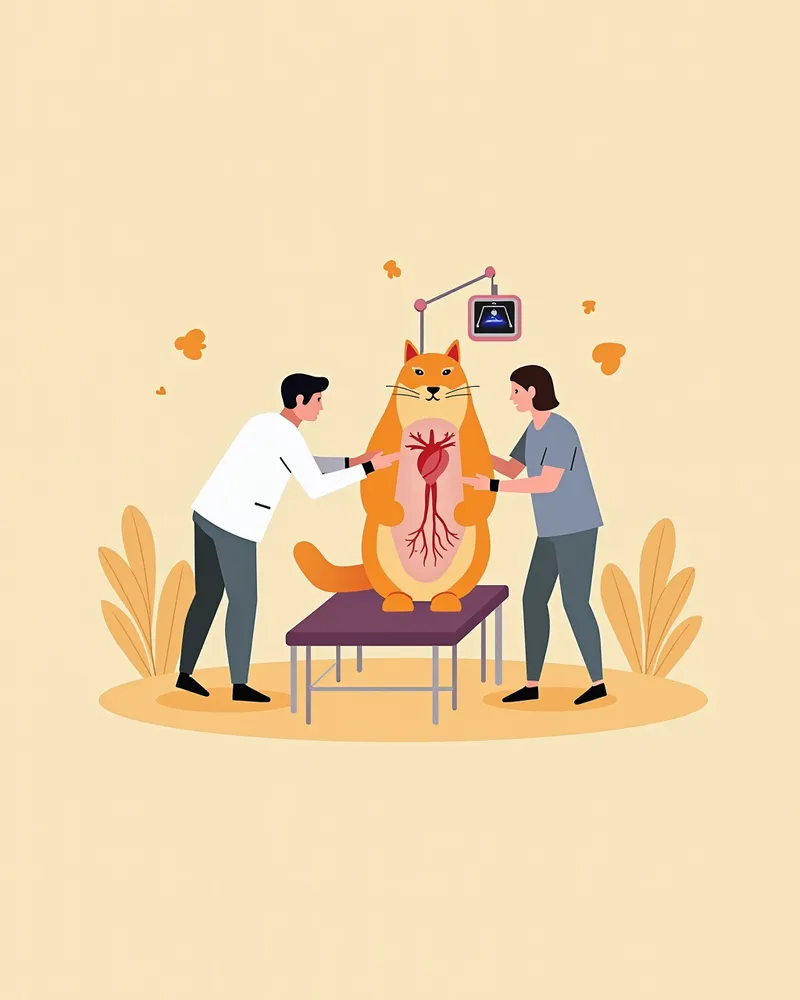
Feline aortic thromboembolism is diagnosed based on clinical signs, medical history, and various diagnostic tests. First, the veterinarian checks for sudden hindlimb paralysis and pain without trauma, as well as the absence of a pulse, and evaluates the heart’s condition. Thoracic cardiac ultrasound (echocardiography) is the primary imaging test performed to assess cardiac structure and function, particularly to identify underlying heart diseases such as hypertrophic cardiomyopathy, left atrial enlargement, and the presence of thrombi. Findings may include thrombi within the left atrium or blood flow stasis resembling “smoke.” If necessary, blood tests and thoracic radiographs are also conducted. - Echocardiography: The key test to evaluate cardiac structure and function, left atrial enlargement, and the presence of thrombi. - Confirmation of Underlying Disease: Concurrent assessment of heart conditions that caused the thrombus, such as hypertrophic cardiomyopathy. - Comprehensive Testing: Accurate diagnosis is made by integrating clinical signs with test results.
An ultrasound examination of a cat’s heart and aorta.

What Are the Treatment Methods?

Treatment aims to relieve pain, dissolve clots, promote collateral circulation, and improve heart function. We use painkillers to reduce severe pain, anticoagulants to prevent clots from growing, and thrombolytics when necessary, while also managing the underlying heart disease.
Pain relief: Painkillers are essential to alleviate the severe pain caused by paralysis.
Antithrombotic therapy: Antiplatelet agents such as clopidogrel (Plavix) are used for arterial thrombosis and have been shown in studies to be more effective than aspirin. Thrombolytics may also be considered in certain cases.
Improving heart function: Medications to manage the underlying heart disease that caused the clot are prescribed concurrently.
Supportive care: If heart failure is present, intensive management such as oxygen supplementation and monitoring for complications (reperfusion injury and acute kidney injury) are required.
Treatment can be complex and long-term.
A cat receiving treatment at the hospital

How to Manage and Prevent at Home?

After treatment, managing the heart condition that caused the blood clot and preventing recurrence are crucial. It’s important to consistently administer antiplatelet medications (such as clopidogrel) as prescribed by your veterinarian, minimize stress, and undergo regular cardiac check-ups.
Antiplatelet medication: Antiplatelet drugs like clopidogrel are used to prevent arterial thrombosis and must be administered exactly as prescribed.
Minimize stress: Help your cat live in a calm, stable environment.
Regular check-ups: Periodically monitor heart status, including left atrial size and blood flow stasis.
Underlying disease management: Consistently treat and manage the underlying heart condition that caused the clot, such as hypertrophic cardiomyopathy.
Owner observation: If signs of recurrence such as paralysis or pain appear, seek veterinary care immediately.
Such management is key to preventing recurrence.
A cat resting in a calm, stable environment.

Risk of Recurrence and Precautions

Aortic thromboembolism has a very high risk of recurrence. If you stop or miss doses of prescribed antiplatelet medications (such as clopidogrel), blood clots can form again. Consistent medication use and management of underlying heart disease are essential.

Mild vs. Moderate vs. Severe: Comparison of Symptoms and Responses

ItemSymptom SeverityLeg ConditionPain LevelEmergency Response
MildMoves slightly but unstableSlightly coldMild reactionVisit hospital immediately
ModerateNot moving, unable to moveCold legs, weak pulseSevere reaction, screamingVisit hospital immediately
SevereNot moving at all, paralysisVery cold legs, no pulseExtreme pain, shock symptomsImmediate transport to emergency room

As symptoms worsen, the chance of survival decreases, so early response is very important.

Reviewed by a veterinarian

Dr. Tony — Punnawat Phongkittirak

Dr. Tony — Punnawat Phongkittirak

Veterinarian

A veterinarian who majored in veterinary medicine at Khon Kaen University, Thailand, and completed the IVSA program at North Carolina State University in the United States. Drawing on clinical experience at animal hospitals, he works in the pet healthcare field and is dedicated to building a digital care environment that connects pet parents with veterinarians.

Frequently Asked Questions

What should I do if my cat suddenly becomes paralyzed in its hind legs?
You need to go to the vet immediately. The sooner treatment begins, the higher the chances of survival. Keep your cat warm during transport and minimize movement as much as possible, since they are likely in severe pain.
Is aortic thromboembolism common in cats?
This condition is commonly seen in cats with heart disease, particularly cardiomyopathies such as hypertrophic cardiomyopathy. In fact, approximately 90% of cats with this condition have an underlying cardiomyopathy. Proper management and prevention of the underlying heart disease are essential.
What is the likelihood of survival after treatment?
The prognosis depends on when treatment begins, the number of paralyzed limbs, motor function, and whether heart failure is present. With treatment, survival rates are reported to be approximately 27–45%. Prognosis worsens if there is no motor function or if treatment is delayed.
Does taking anticoagulants make the blood too thin?
To prevent arterial thrombosis, veterinarians primarily prescribe antiplatelet medications such as clopidogrel, adjusting the dosage based on your pet’s weight and overall condition. Regular check-ups are essential to monitor your pet’s health, and it’s important to avoid overdosing.
How can we prevent the condition from recurring?
It’s important to consistently administer prescribed antiplatelet medications (such as clopidogrel), minimize stress, and schedule regular cardiac check-ups. Missing doses or discontinuing the medication can significantly increase the risk of recurrence.

Share

Related Guides

References

[1] L. A. H. M. van der Velden et al., 'Feline Aortic Thromboembolism: A Retrospective Study of 102 Cases', Journal of Feline Medicine and Surgery, 2018.

[2] S. J. M. van den Berg et al., 'Risk Factors and Prognosis in Cats with Aortic Thromboembolism: A Multicenter Study', Veterinary Internal Medicine, 2020.

[3] Clinical Medicine of the Dog and Cat, 4th Ed. Elsevier, 2021. Chapter 16: Cardiovascular Diseases in Cats.

This information is based on veterinary literature and does not replace diagnosis or treatment. Please consult a veterinarian for specific health concerns.

Metapet Co., Ltd. | CEO: Park Sung-yong | Business Reg. No. 417-88-02562 | Seoul, South Korea | Customer Center

Cat Can't Use Hind Legs? Feline Aortic Thromboembolism | Meongsiljang