Like
Share
멍실장
고양이 이뇨제(퓨로세마이드) 심장 자주 묻는 질문 Q&A — 보호자가 꼭 알아야 할 핵심

Is the Cat Diuretic (Furosemide) Safe? — A Summary of Effects, Side Effects, and Precautions

HeartQ&AMeongsiljang Veterinary Advisory Board

Furosemide is commonly used to treat heart disease in cats. We’ve compiled the essential information pet owners need to know about its side effects, administration, and precautions.

Cat Diuretic (Furosemide) and the Heart: Key Information Pet Owners Must Know
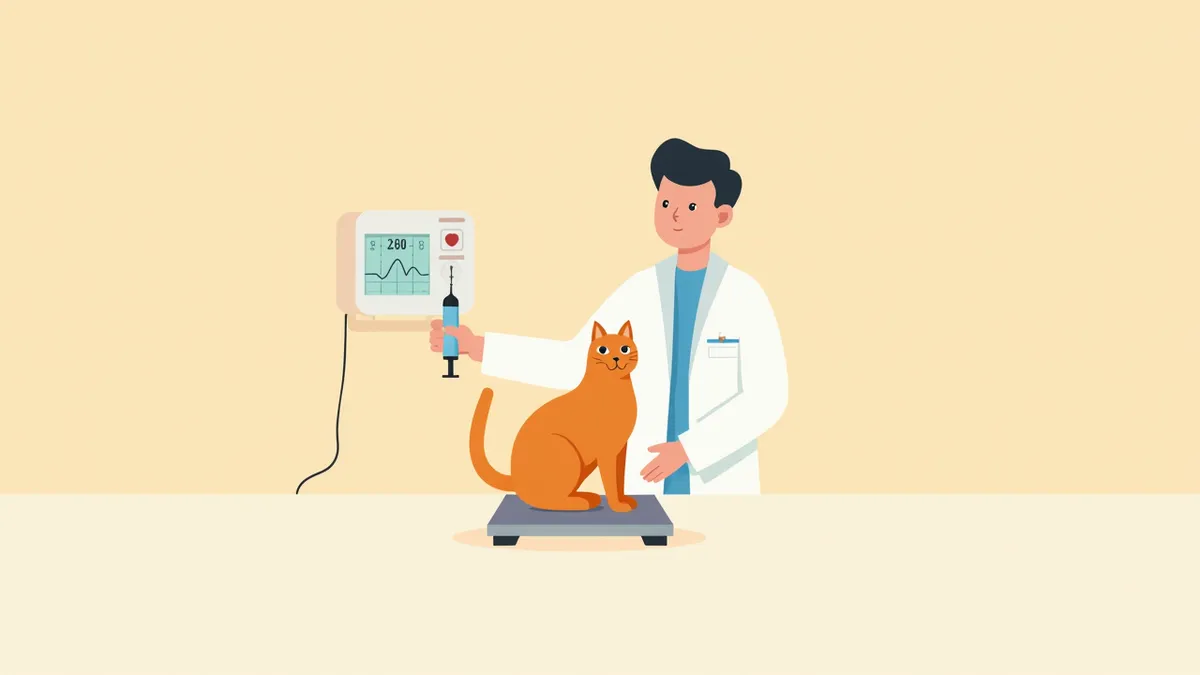
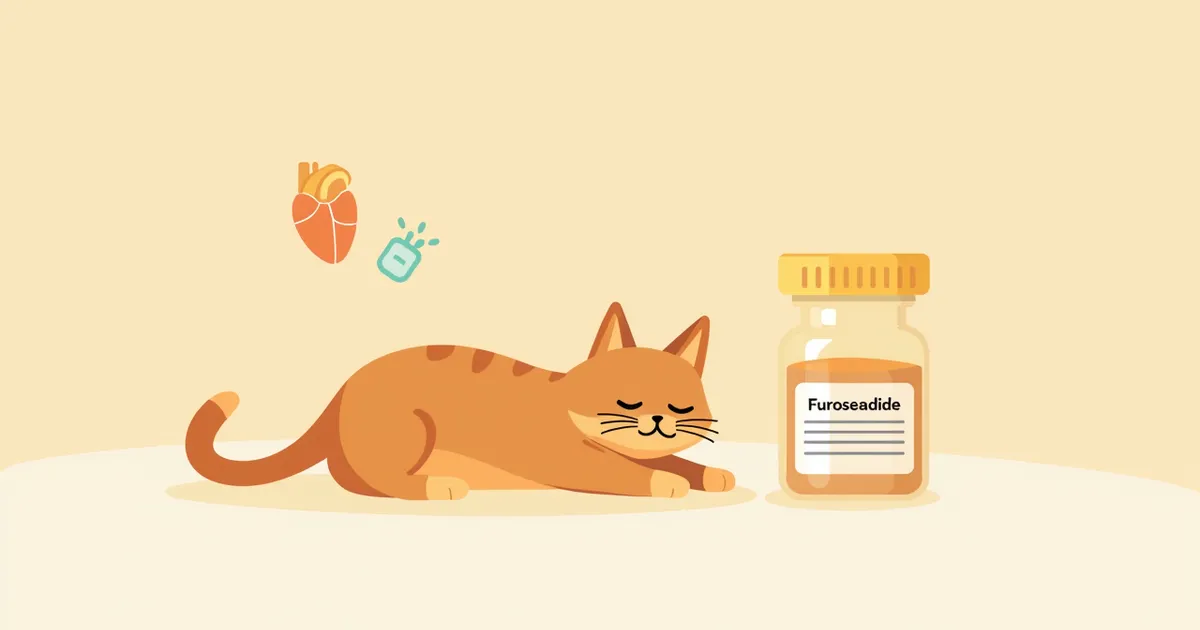
A veterinarian preparing furosemide for a cat’s heart health
Furosemide plays a key role in treating feline heart disease. - Relieves heart failure: It removes excess fluid buildup in the body, reducing congestion and easing the burden on the heart. - Improves breathing: By draining fluid from the lungs (pulmonary edema), it alleviates difficulty breathing. - Reduces congestion: It decreases the volume of blood returning to the heart (preload), thereby reducing swelling and congestion. - Administration precautions: Administer at the exact times and dosages prescribed by your veterinarian. - Regular check-ups required: Excessive diuresis can worsen kidney function, so potassium levels and kidney function should be monitored periodically. Visit the clinic immediately if any adverse symptoms occur during treatment.

Mechanism of Action of Furosemide on the Heart
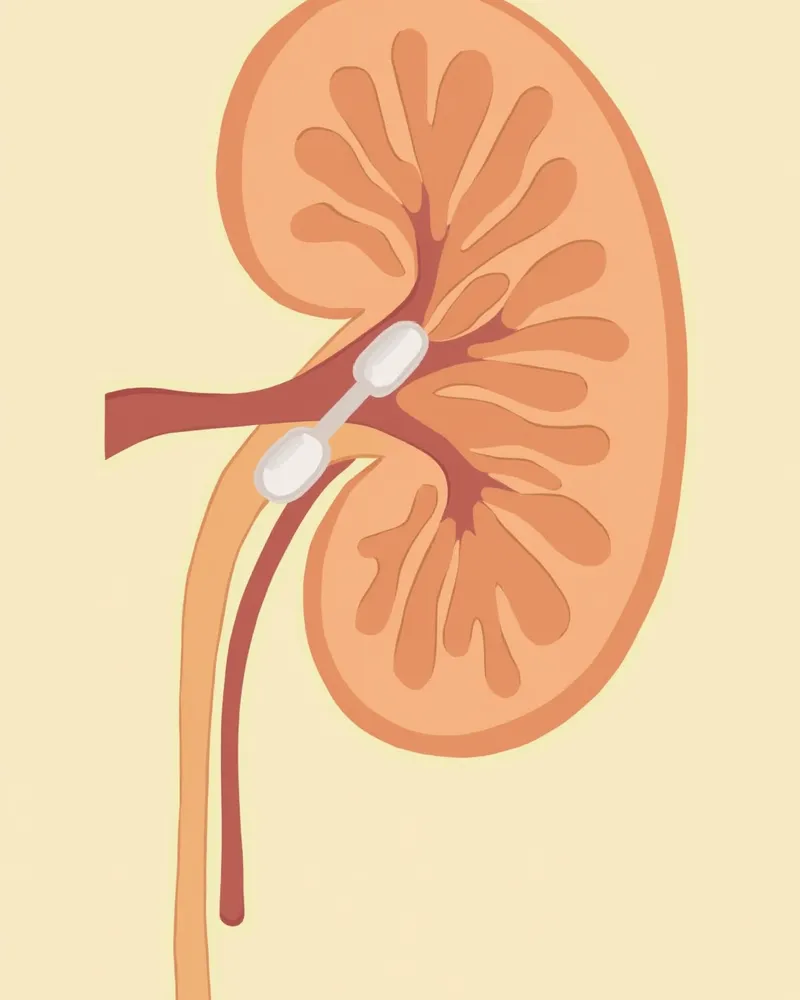
Furosemide is a diuretic that increases fluid excretion by blocking the reabsorption of sodium and chloride in the ascending limb of the Loop of Henle in the kidneys. - Diuretic effect: Reduces fluid retention to alleviate edema and pulmonary edema. - Decreased congestion: Lowers the volume of blood returning to the heart, reducing cardiac workload. - Improved breathing: Reduces fluid accumulation in the lungs, making it easier to breathe. - Rapid onset: Acts faster and has a stronger diuretic effect compared to other diuretics. - Individualized dosing: Dosage frequency and amount are adjusted based on body weight and clinical condition. - Ongoing management: Typically administered long-term under veterinary supervision to maintain efficacy throughout the course of heart disease.
An anatomical illustration showing how furosemide blocks sodium reabsorption in the kidneys

5 Symptoms to Watch for While Taking Furosemide
While your pet is taking furosemide, please watch closely for the following signs. If any of these symptoms appear, contact your veterinarian immediately.
Excessive urination: Noticeable increase in urine volume or more frequent trips to the litter box or outside.
Signs of dehydration: Dry mouth, sunken eyes, and weakness in the hind legs.
Muscle cramps: Trembling legs or difficulty moving.
Loss of appetite: A sudden decrease in food intake.
Lethargy or weakness: Sleeping most of the day and showing delayed responses.
These symptoms may indicate dehydration, electrolyte imbalances, or reduced kidney function caused by excessive urination, or they could signal an overdose. In particular, low potassium levels (hypokalemia) can lead to muscle weakness.
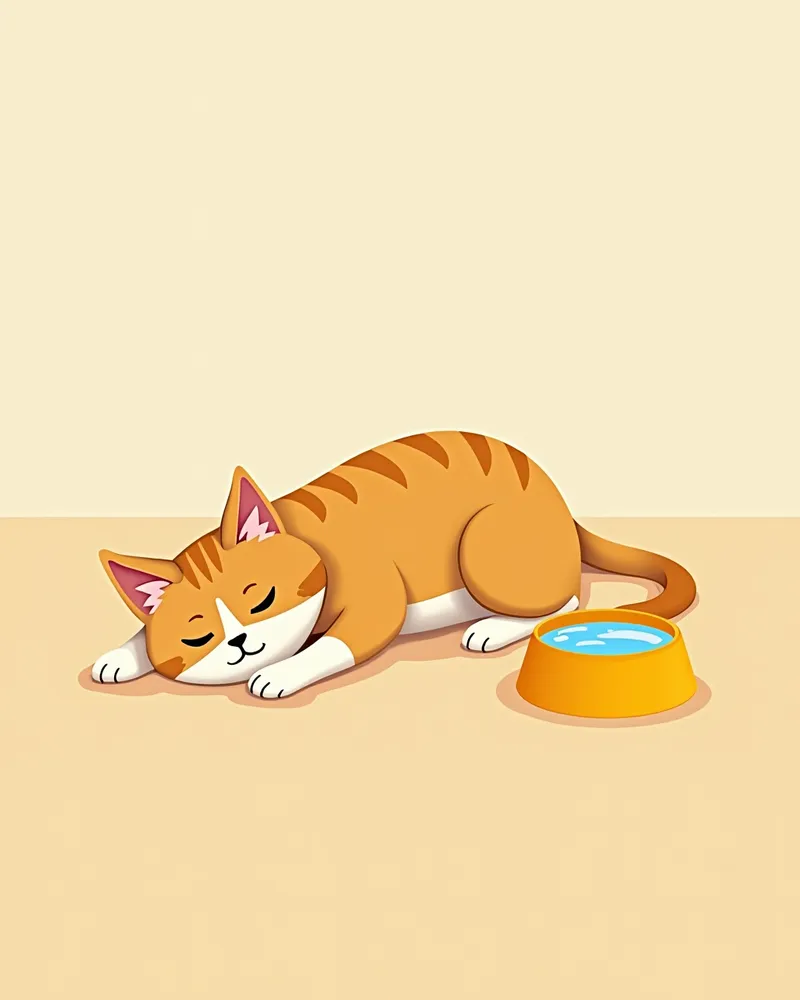
A cat experiencing dehydration and lethargy as side effects of furosemide

Emergency Signs Requiring Immediate Veterinary Visit

If your cat is panting, has blue gums, faints, or has a very rapid heart rate, you should go to the vet immediately. This could be a sign that heart function has worsened rapidly or that heart failure has progressed. There may also be a risk of underdosing or overdosing furosemide, so a veterinarian needs to evaluate your cat right away.

How and When to Administer Furosemide
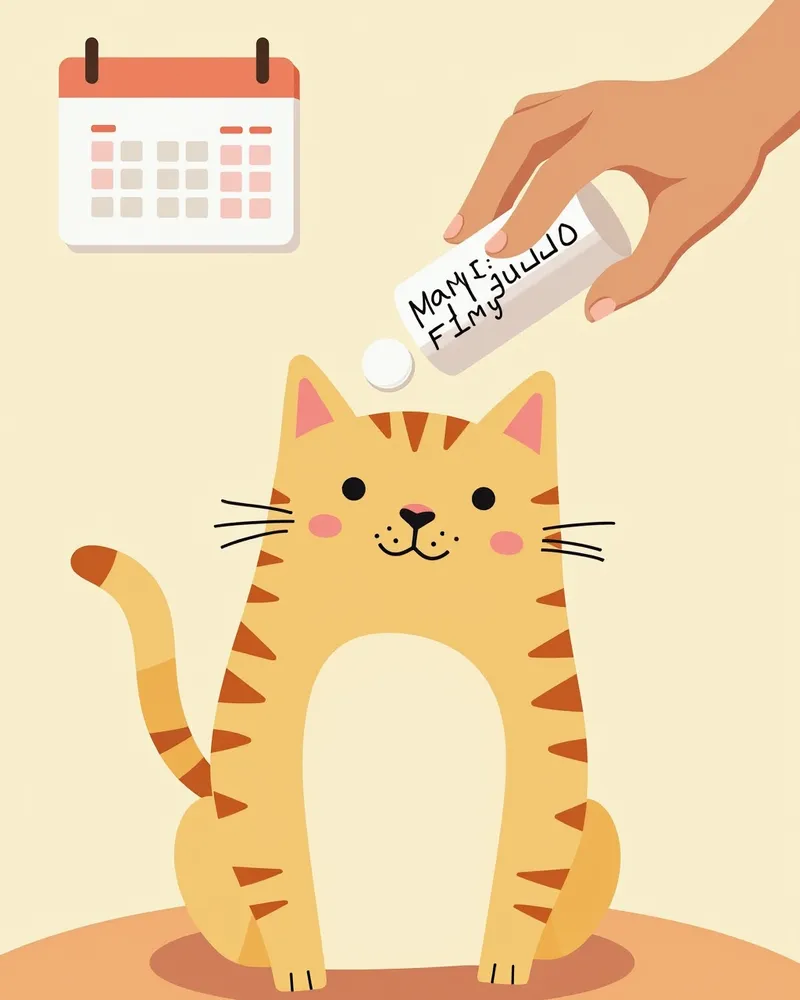
Furosemide is typically administered once or twice daily, in the morning and evening, at consistent times. - Administer with food: Giving the medication with meals helps reduce gastrointestinal irritation and improves absorption. - Ensure adequate hydration: Because furosemide is a potent diuretic, provide frequent access to water to prevent dehydration. - Do not discontinue abruptly: Stopping the medication or adjusting the dose without veterinary guidance can worsen symptoms. - Regular check-ups are essential: Your veterinarian will monitor potassium levels and kidney function through blood tests. - Keep a record: Documenting administration times and your pet’s response will be helpful during veterinary consultations.
A cat regularly taking furosemide.

Comparison of Precautions Based on Timing of Furosemide Administration

ItemTiming of AdministrationPrecautionsVeterinary Confirmation Needed
Morning administrationTaking it after a meal reduces stomach irritation.You should encourage water intake.true
Evening administrationIncreased urination at night may disrupt sleep.Daytime administration may be more stable.true
Missed dose during treatmentThe burden on the heart can increase sharply.Edema or difficulty breathing worsens.true

Changing or missing the timing of administration can cause the heart condition to deteriorate rapidly, so always consult your veterinarian.

4 Ingredients That Are Good to Take Along with Furosemide

Furosemide can cause the loss of electrolytes such as potassium and magnesium, so supplementation may be necessary. However, always consult your veterinarian before administering any supplements.
Potassium supplements: These may help prevent or correct hypokalemia caused by diuretics.
Magnesium: Loop diuretics increase magnesium excretion, so supplementation may be considered if levels are low.
Management of concurrent heart medications: Take other prescribed heart medications, such as ACE inhibitors, exactly as directed by your veterinarian.
Regular blood tests: These check electrolyte and kidney function levels to determine whether supplementation is truly needed.
Only administer these supplements if recommended by your veterinarian and confirmed necessary through testing.
Supportive supplements that can be taken alongside furosemide

Contraindications to Check Before Administration

Furosemide can be dangerous for cats with severely impaired kidney function, low blood pressure, or low potassium levels. It may also interact with other heart medications, so be sure to tell your veterinarian about all medications your cat is currently taking. A thorough veterinary examination is essential before starting this medication.

Reviewed by a veterinarian

Dr. Tony — Punnawat Phongkittirak

Dr. Tony — Punnawat Phongkittirak

Veterinarian

A veterinarian who majored in veterinary medicine at Khon Kaen University, Thailand, and completed the IVSA program at North Carolina State University in the United States. Drawing on clinical experience at animal hospitals, he works in the pet healthcare field and is dedicated to building a digital care environment that connects pet parents with veterinarians.

Frequently Asked Questions

Is furosemide always safe for cats?
Not all cats can safely take this medication. If your cat has kidney issues, excessive diuresis could worsen side effects, so a pre-treatment checkup is essential.
What happens if I stop giving furosemide?
Congestion can worsen, leading to increased swelling and breathing difficulties. Never stop the medication on your own.
Is it okay to drink plenty of water after taking furosemide?
Make sure your pet has plenty of water to drink. However, the amount may vary depending on their condition, so please adjust it according to your veterinarian's guidance.
How long should furosemide be administered?
As long as the heart condition persists, your veterinarian may recommend long-term medication. Regular check-ups are essential.
Can furosemide extend a cat’s lifespan?
Furosemide helps remove excess fluid from the lungs and body, easing symptoms like congestion and difficulty breathing, which can improve your pet’s quality of life. However, while it hasn’t been definitively proven to extend lifespan in cases of chronic heart failure, it’s important to work closely with your veterinarian to focus on managing symptoms and maintaining a good quality of life.

Share

Related Guides

References

[1] Feline Emergency and Critical Care Medicine, 2nd Ed, 2023

[2] Clinical Medicine of the Dog and Cat, 4th Ed, 2021

[3] Textbook of Cardiovascular Medicine in Dogs and Cats, 2022

This information is based on veterinary literature and does not replace diagnosis or treatment. Please consult a veterinarian for specific health concerns.

Metapet Co., Ltd. | CEO: Park Sung-yong | Business Reg. No. 417-88-02562 | Seoul, South Korea | Customer Center

Is Furosemide Safe for Cats? Effects, Side Effects & Care | Meongsiljang