Like
Share
멍실장
고양이 비대성 심근병증 유전자 검사 자주 묻는 질문 Q&A — 보호자가 꼭 알아야 할 핵심

Frequently Asked Questions (Q&A) on Feline Hypertrophic Cardiomyopathy Genetic Testing — Key Information Every Pet Owner Should Know

HeartQ&AMeongsiljang Veterinary Advisory Board

The genetic test for feline hypertrophic cardiomyopathy is a key screening tool designed to identify hereditary risks specific to Maine Coon and Ragdoll cats. We’ve compiled the essential information every pet owner should know in a Q&A format.

What is the feline hypertrophic cardiomyopathy genetic test?
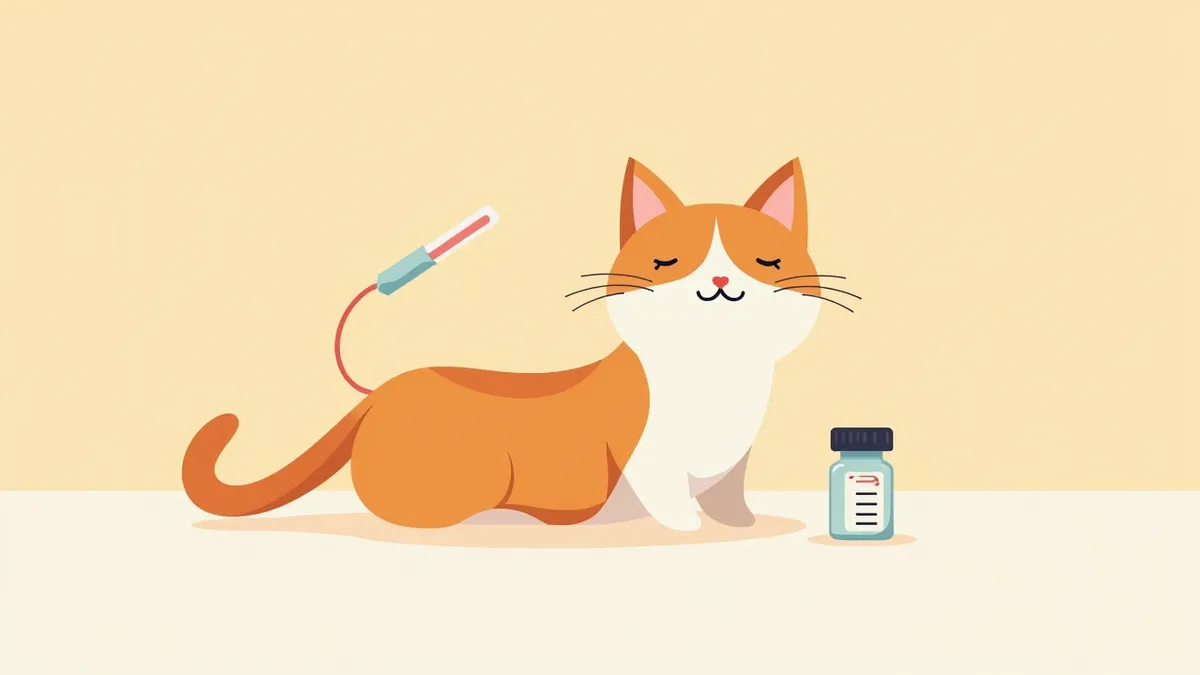
A veterinarian drawing blood from a cat's ear vein
The feline hypertrophic cardiomyopathy (HCM) genetic test screens for MYBPC3 gene mutations identified in Maine Coon and Ragdoll cats. HCM is the most common myocardial disease in cats, inherited in an autosomal dominant pattern with incomplete penetrance. - MYBPC3 mutations: The A31P mutation has been identified in Maine Coons and the R820W mutation in Ragdolls; both are associated with hypertrophic cardiomyopathy, characterized by thickening of the heart muscle. Cats homozygous for the mutation (carrying two copies) are at risk for severe, early-onset disease. - Testing method: The test is simple, using either a blood sample or a buccal swab, with results typically available within 1–2 weeks. - Purpose of testing: It allows for early identification of genetic risk even in asymptomatic cats, providing a basis for regular monitoring. - Interpreting results: If a cat tests positive, annual cardiac ultrasound screening is recommended. However, a positive result does not guarantee that the cat will develop the disease. - Significance: Genetic testing is not a diagnostic tool for confirming disease but rather a screening method to assess risk and inform breeding decisions.

Why is genetic testing important specifically for Maine Coon and Ragdoll cats?

Maine Coons and Ragdolls are two breeds well-known for their genetic risk of hypertrophic cardiomyopathy. - MYBPC3 mutation frequency: The causative mutation is found in approximately 34–40% of Maine Coons and 17–23% of Ragdolls. However, other unknown mutations and factors also play a role, meaning this single mutation does not fully explain all cases. - Asymptomatic risk: Cats carrying the mutation may remain asymptomatic, but those that are homozygous can develop severe disease at a young age, making early detection crucial. - Preventive management: If a mutation is identified, heart condition can be monitored annually through echocardiography. - Early risk identification: Recognizing risk before symptoms appear allows for proactive planning of screening schedules. - Owner’s role: Regular check-ups and care help maintain your cat’s quality of life.
An image of a Maine Coon cat with glowing genetic markers on its face and in the heart area.

What do the genetic test results mean?

Test results are reported as either “positive” (mutation present) or “negative” (mutation absent). - Positive result: This indicates the presence of the MYBPC3 mutation. Homozygous cats face a high risk of severe HCM at a young age, whereas heterozygous cats (carrying one copy) generally have a lower risk until at least 4–5 years of age. Even with a positive result, the disease may never develop. - Negative result: This means no known mutations were detected, but HCM could still develop later due to other genetic variants or factors that have not yet been identified. - Regular screening required: Annual cardiac ultrasound screening is recommended, especially for cats testing positive for the mutation. - Veterinary consultation essential: Results should be interpreted with your veterinarian to establish an individualized management plan. - Basis for health management: Genetic testing alone does not confirm a diagnosis; cardiac ultrasound remains the gold standard for diagnosing HCM.
Comparison of echocardiographic images between cats with positive and negative genetic test results

What management is required after genetic testing?
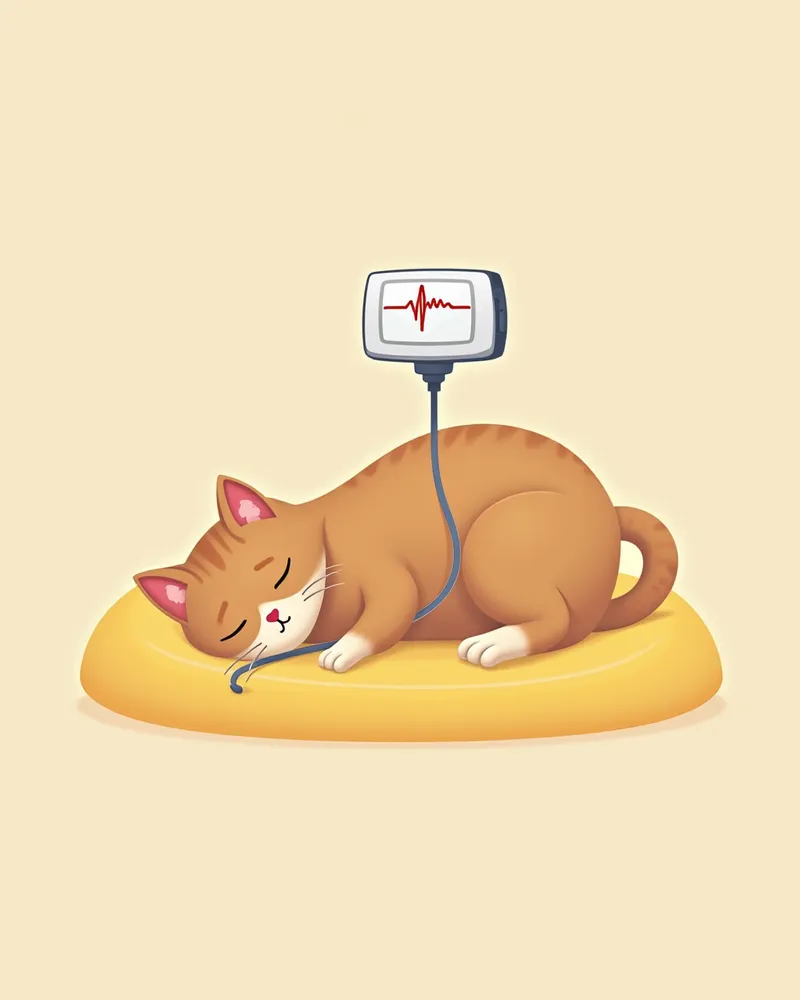
If your cat tests positive for the genetic mutation or if hypertrophic cardiomyopathy (HCM) is suspected, regular cardiac ultrasound examinations in consultation with your veterinarian are essential. - Examination Frequency: Cats testing positive for the mutation typically undergo cardiac ultrasound once a year, with the interval adjusted for more frequent monitoring if their condition changes. - Monitoring Cardiac Function: Cardiac ultrasound is the most sensitive standard test for diagnosing and tracking HCM, enabling the detection of early signs of abnormalities. - Lifestyle Management: Stimuli such as anesthesia, trauma, and stress can cause temporary myocardial hypertrophy, so it is advisable to minimize these factors as much as possible. - Dietary Management: In the asymptomatic stage, specific medications or diets are not universally recommended; therefore, please consult your veterinarian to determine the appropriate diet for your cat. - Emergency Preparedness: If symptoms such as difficulty breathing or collapse occur, seek immediate veterinary care.
A scene of a veterinarian observing a cat while looking at an electrocardiogram monitor.

Visit the clinic immediately if you notice signs of heart abnormalities

If your pet shows signs of difficulty breathing, coughing, shock symptoms, or collapse (fainting), seek veterinary care immediately. These can be warning signs of congestive heart failure, life-threatening arrhythmias, or sudden death. Regardless of genetic test results, these symptoms can be life-threatening, so prompt action is essential.

When is the best time to get genetic testing?

While genetic testing is essentially a DNA test and yields the same results regardless of when it’s performed, it’s most convenient to carry it out during the initial adoption period or alongside the first health checkup. - Why early detection matters: If a cat inherits two copies of a genetic variant (homozygous), the condition can progress severely at a young age. Identifying this risk early helps you establish an appropriate monitoring plan. - Testing at adoption: It’s ideal to conduct the test at the time of adoption or during the first veterinary health checkup. - Linking to regular checkups: If the test is positive for the variant, we recommend annual cardiac ultrasound screenings. - Test applicability: This specific genetic test is only valid for Maine Coon and Ragdoll cats; it does not apply to other breeds. - Consult your veterinarian: For safety and accuracy, always discuss the timing and method of testing with your veterinarian.
A young Maine Coon kitten with a veterinarian's breed test sticker

Comparison of Genetic Test Types: Price, Accuracy, and Target Breeds

ItemPrice (Korea)Accuracy/MeaningTarget Breeds
MYBPC3 mutation testApprox. $100Detects only specific mutations (Maine Coon A31P, Ragdoll R820W). Confirmed in 34–40% of Maine Coon HCM and 17–23% of Ragdolls; a positive result may not lead to disease and a negative result may still develop into disease later, so it is not for confirming a diagnosisMaine Coon, Ragdoll
Cardiac gene panelApprox. $200Currently commercial genetic tests are valid only for the MYBPC3 mutation in Maine Coons and Ragdolls, and are not useful for other breedsMainly Maine Coon, Ragdoll
Cardiac biomarker (NT-proBNP)Approx. $60An adjunctive test used to screen for asymptomatic HCM; false negatives may occur in mild cases, so it is not for diagnosis aloneAll breeds

Genetic testing and biomarkers are for screening/reference purposes, and the standard diagnostic test for HCM is echocardiography (cardiac ultrasound).

Key points pet owners must check after genetic testing

Review the test results carefully with your veterinarian. - Interpreting the results: A positive result does not necessarily mean symptoms will appear or that the disease will develop during the cat's lifetime. If a mutation is detected, it is recommended to have an annual cardiac ultrasound. - Lifestyle management: Stimuli such as anesthesia, trauma, and stress can cause temporary myocardial hypertrophy, so please minimize exposure to these factors as much as possible. - Dietary management: Dietary modifications are not universally recommended in the asymptomatic stage. Please consult your veterinarian to determine the appropriate diet. - Emergency preparedness: Seek immediate veterinary care if symptoms such as difficulty breathing, shock, or collapse occur. - Record keeping: Meticulously maintaining records of test results and check-ups will aid in long-term management.
A scene showing a veterinarian’s tablet displaying a heart scan while the owner gently strokes their cat.

Reviewed by a veterinarian

Dr. Tony — Punnawat Phongkittirak

Dr. Tony — Punnawat Phongkittirak

Veterinarian

A veterinarian who majored in veterinary medicine at Khon Kaen University, Thailand, and completed the IVSA program at North Carolina State University in the United States. Drawing on clinical experience at animal hospitals, he works in the pet healthcare field and is dedicated to building a digital care environment that connects pet parents with veterinarians.

Frequently Asked Questions

Even if the genetic test results are negative, is a heart examination still necessary?
Yes, even if the genetic test is negative, your cat can still develop HCM. Since other unknown genetic mutations or factors may play a role, regular cardiac ultrasound screenings are essential.
Are there any side effects for cats after the examination?
The test involves collecting a blood sample or a swab from the oral mucosa, causing minimal discomfort and with virtually no side effects.
Can I still keep a cat that has tested positive?
Yes, even with a positive result, your pet may not develop the disease and can live a healthy life. Regular annual heart ultrasounds and proper care can help detect and address heart issues early on.
When should I have my pet undergo genetic testing again?
Genetic testing, also known as DNA testing, only needs to be done once, as the results are permanent. However, if a mutation is detected, we recommend annual cardiac ultrasound screenings, and immediate veterinary care is necessary if any symptoms appear.
Can other breeds be tested as well?
The MYBPC3 mutation test is only valid for Maine Coon and Ragdoll cats and is not useful for other breeds. For other breeds, we recommend evaluating heart health through echocardiograms and biomarker tests (NT-proBNP) instead of genetic testing.

Share

Related Guides

References

[1] Textbook of Cardiovascular Medicine in Dogs and Cats, 2023, Elsevier

[2] The Cat, Clinical Medicine and Management, 2nd Edition, 2021, Elsevier

[3] Plumb's Veterinary Drug Handbook, 9th Edition, 2022, Wiley

This information is based on veterinary literature and does not replace diagnosis or treatment. Please consult a veterinarian for specific health concerns.

Metapet Co., Ltd. | CEO: Park Sung-yong | Business Reg. No. 417-88-02562 | Seoul, South Korea | Customer Center

Feline HCM Genetic Testing: FAQ Every Cat Owner Should Know | Meongsiljang