Like
Share
멍실장
고양이 심전도(ECG) 검사 자주 묻는 질문 Q&A — 보호자가 꼭 알아야 할 핵심

Why is a feline electrocardiogram (ECG) test necessary? — A summary of the procedure and result interpretation

HeartQ&AMeongsiljang Veterinary Advisory Board

An electrocardiogram (ECG) is a key test for early detection of abnormal heart rhythms in cats. Here’s the essential information every pet owner should know.

Why is a feline electrocardiogram (ECG) test important?
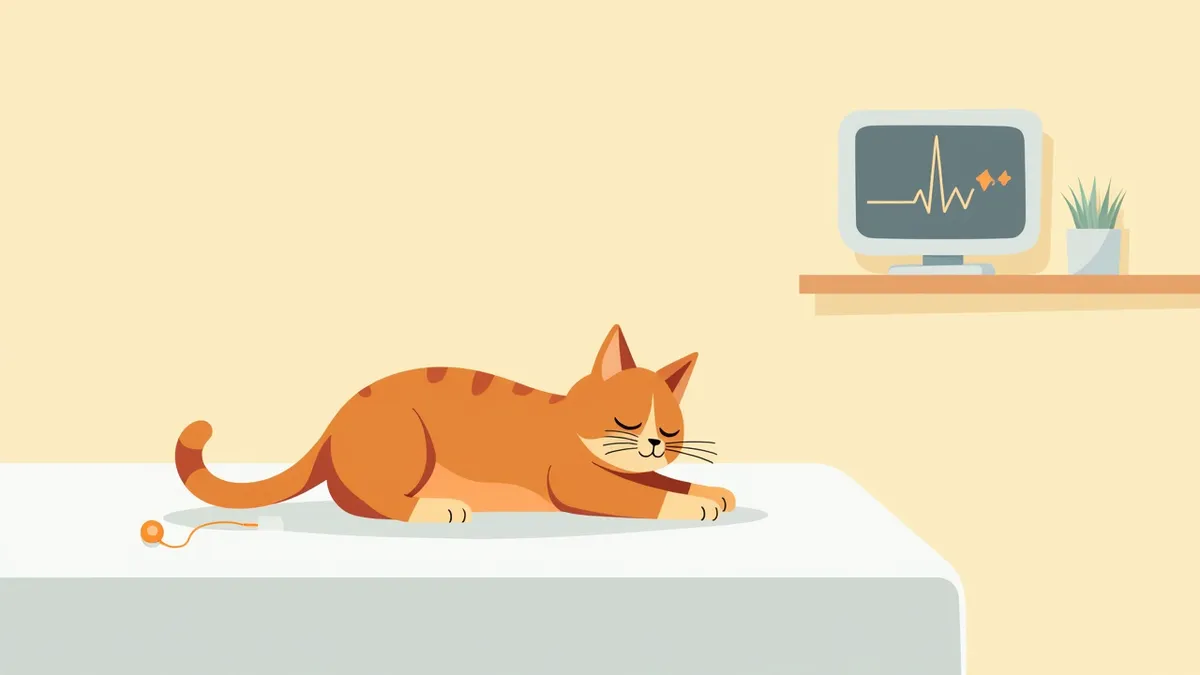
A cat lying on the examination table while ECG electrodes are being attached.
An electrocardiogram (ECG) is the most specific diagnostic tool for evaluating arrhythmias (abnormal heart rhythms) by recording the heart’s electrical activity. This is especially helpful in cats, as cardiac disease often presents with vague, nonspecific symptoms until it has progressed significantly, making ECG confirmation of rhythm abnormalities valuable. - Irregular heartbeat: Detects arrhythmias such as tachycardia (fast heart rate) or bradycardia (slow heart rate). Sinus tachycardia is the most commonly observed arrhythmia in cats. - Abnormal electrical rhythms: Enables early detection of abnormal electrical signals, such as premature ventricular contractions and ventricular tachycardia. - Arrhythmia assessment: The ECG is the most specific test for evaluating arrhythmias in cats with hypertrophic cardiomyopathy (HCM). - Pre-anesthetic evaluation: Used to assess heart rhythm prior to anesthesia. This test is noninvasive and places minimal stress on the cat. However, because it cannot evaluate cardiac structure or function (such as chamber enlargement or contractility), it is used in conjunction with echocardiography, which provides complementary information.

What is the procedure for an electrocardiogram test?

A feline electrocardiogram (ECG) is a very simple and quick procedure. Your cat just needs to lie down comfortably, and no special preparation is required.
Pre-examination preparation: Food and water intake are not an issue. The test is conducted in a quiet environment to keep your cat calm.
Electrode placement: Four electrodes are attached to the front and hind paws. The electrodes are gentle and cause minimal skin irritation.
Examination duration: The test takes about 1–2 minutes to complete. If your cat moves, the measurement can be repeated.
Result review: Heart rhythm is displayed in real time as a graph, which the veterinarian analyzes immediately.
Post-examination: The electrodes are removed, and your cat is returned to a comfortable state.
This process is painless, and most cats tolerate it well.
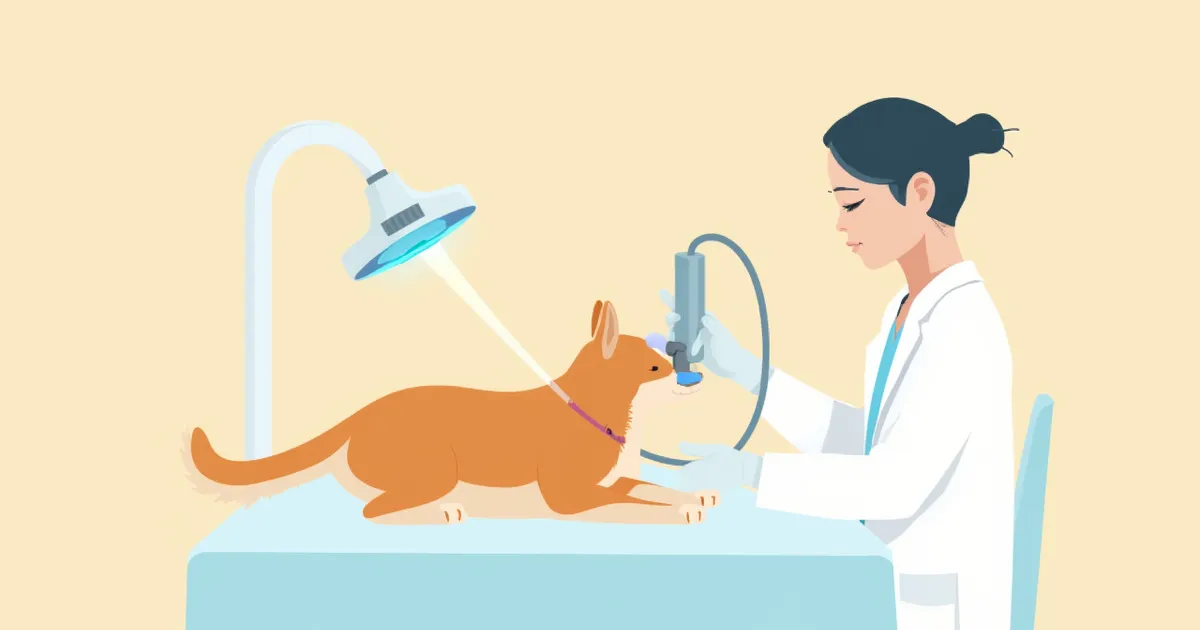
A veterinarian attaching electrocardiogram electrodes to a cat's paws

What happens if abnormalities are found in the electrocardiogram results?

If abnormalities are detected on an electrocardiogram (ECG), your veterinarian will immediately analyze the cause and recommend any necessary additional tests. The findings may indicate a simple rhythm disturbance or an arrhythmia requiring further evaluation.
Minor rhythm changes: These can be caused by temporary stress, anxiety, or artifacts such as purring. A repeat test may show normal results.
Abnormal electrical rhythms: Irregular or rapid heartbeats (e.g., sinus tachycardia, premature ventricular contractions) require further evaluation.
Conduction disorders: The ECG may reveal impaired electrical signal transmission, such as left or right bundle branch block or first-degree atrioventricular block. However, because an ECG alone cannot reliably determine the presence of cardiomegaly, an echocardiographic assessment is necessary.
Risk of serious arrhythmias: Severe rhythm disturbances like ventricular tachycardia or ventricular fibrillation can lead to cardiac arrest.
Additional testing required: To identify the exact cause, further diagnostics such as echocardiography, blood tests, and thoracic radiographs are performed.
Results are interpreted immediately and explained in detail to the pet owner.
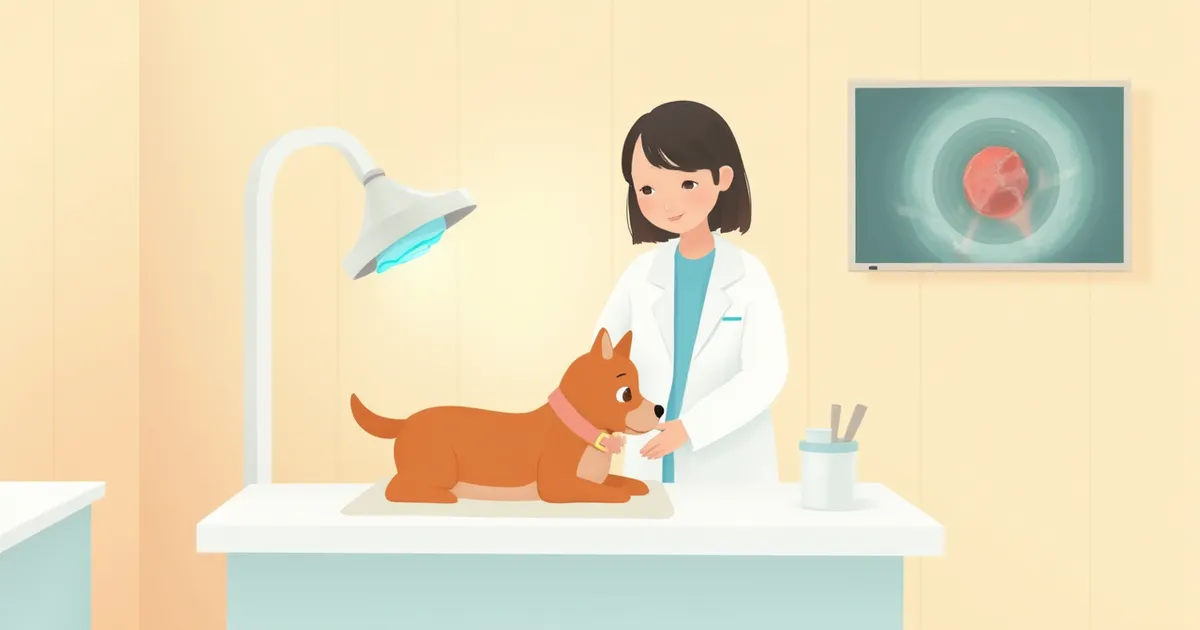
A veterinarian reviewing an electrocardiogram graph on a computer screen

Electrocardiogram (ECG) test vs. Echocardiogram test comparison

ItemElectrocardiogram (ECG)Echocardiography
Main PurposeCheck heart rhythmEvaluate cardiac structure and function
Examination Time1–2 minutes15–30 minutes
Non-invasivenessCompletely non-invasiveNon-invasive
Main InformationRhythm, heart rateHeart size, wall thickness, blood flow status
NecessityRegular examination, pre-surgical evaluationAdditional examination when disease is suspected

The ECG specializes in checking rhythm, while echocardiography specializes in checking structure. The two examinations complement each other.

Immediate veterinary visit is necessary if an electrocardiogram abnormality is suspected

If your cat shows signs of an abnormal heart rhythm, you should visit a veterinary clinic immediately for a professional examination. Heart rhythm disorders can worsen rapidly.

Post-electrocardiogram test care and precautions

No special care is needed after an electrocardiogram (ECG). Your cat can resume its normal routine, but please keep the following points in mind:
Post-exam observation: If your cat appears tense or anxious after the test, allow it to rest in a quiet environment.
Reviewing results: Your veterinarian will explain the findings and let you know if any additional tests or treatments are necessary.
Regular check-ups: We recommend regular exams at least once a year. This is especially essential for senior cats.
Record keeping: Keeping a record of the test results will help with long-term heart health management.
Minimizing stress: Prepare a calm environment before the exam to help keep your cat from becoming nervous.
This test is an important first step in safeguarding your cat’s health.
The cat resting comfortably after the examination

Frequently asked questions about feline electrocardiogram tests
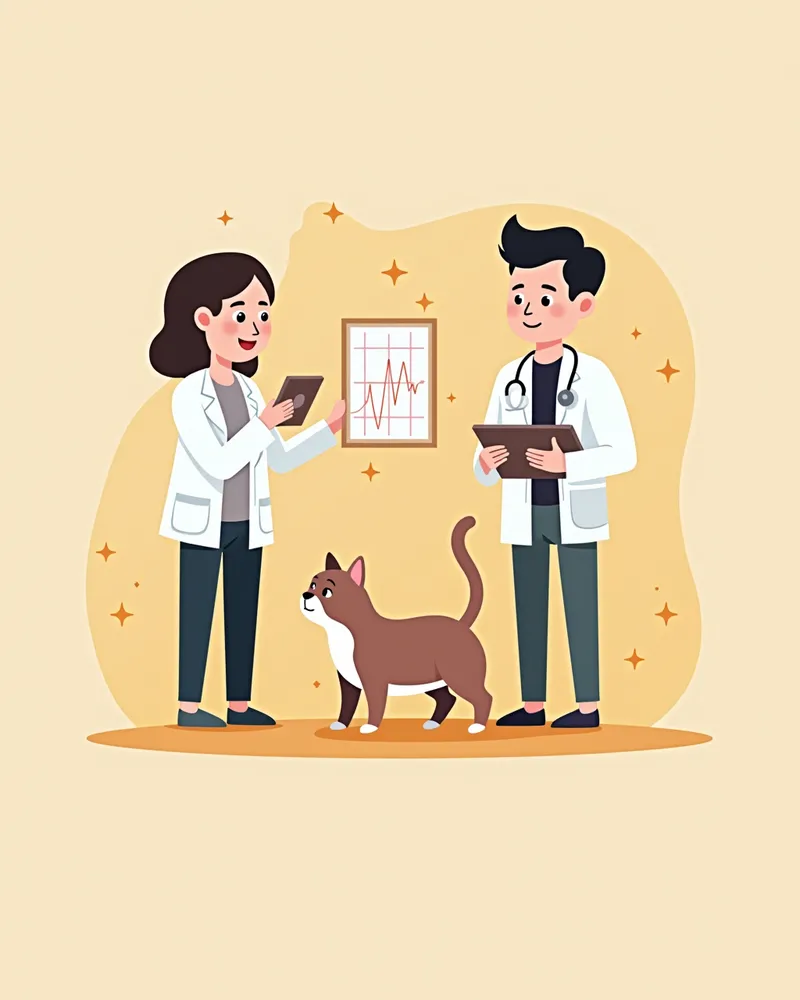
Feline electrocardiogram (ECG) testing often raises many questions from pet owners. We’ve compiled the key questions and answers below. Is the test painful? No, it is not painful. The procedure only involves attaching electrodes, and most cats tolerate it well. Is fasting required before the test? No, fasting is not necessary. Your cat can eat and drink normally. When will the results be available? Results are available in real time, and the veterinarian can interpret them immediately. What should I do if my cat is afraid of the test? Approach your cat slowly in a quiet environment and use treats or toys to distract them. Our veterinary team will assist you throughout the process. Why is regular testing important? Heart disease can be treated if detected early. Regular check-ups can save your cat’s life.
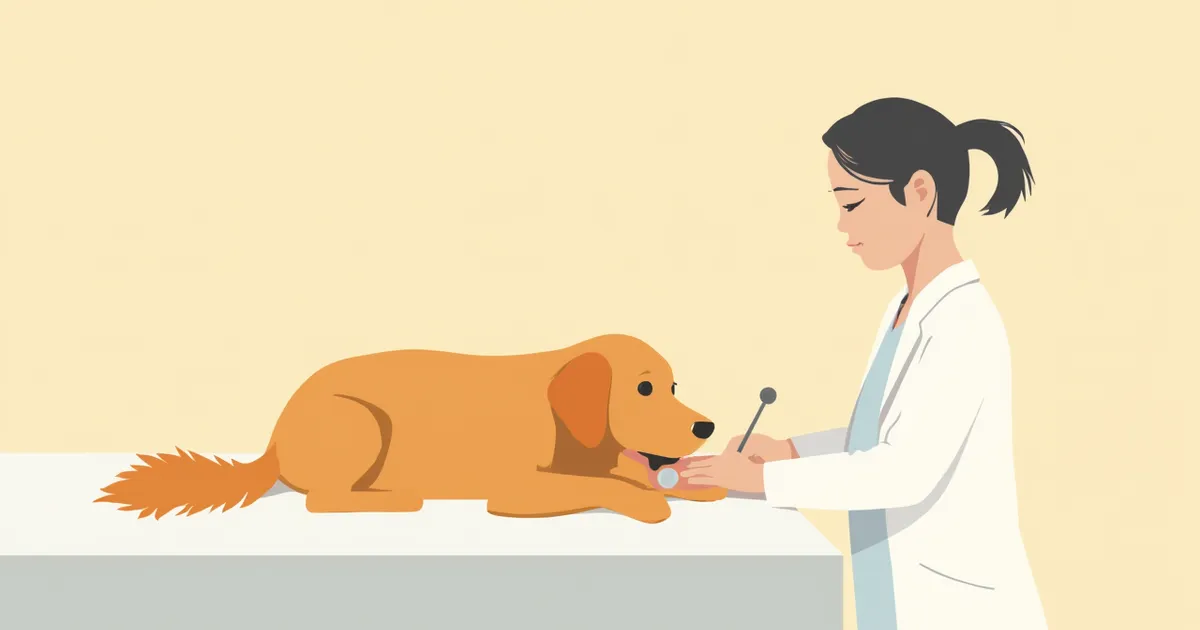
A veterinarian explaining the ECG results to the pet owner.

Regular testing is essential for senior cats and those with a family history of heart disease

For senior cats or those with a family history of heart disease, it is recommended to have an electrocardiogram (ECG) at least once every six months. Early detection is key to effective treatment.

Reviewed by a veterinarian

Dr. Tony — Punnawat Phongkittirak

Dr. Tony — Punnawat Phongkittirak

Veterinarian

A veterinarian who majored in veterinary medicine at Khon Kaen University, Thailand, and completed the IVSA program at North Carolina State University in the United States. Drawing on clinical experience at animal hospitals, he works in the pet healthcare field and is dedicated to building a digital care environment that connects pet parents with veterinarians.

Frequently asked questions

Why is an electrocardiogram (ECG) test necessary for cats?
It’s important because it allows for early detection of abnormal heart rhythms, enabling prevention or early treatment of heart disease. Cats often don’t show symptoms until the disease has progressed, so regular check-ups are essential.
Is there anything special I need to prepare before the test?
No, fasting or any special preparation is not required for the test. It’s important that your cat is comfortable during the examination.
What happens if my cat moves during the examination?
Movement can distort the signals. The veterinarian may wait for the cat to calm down or try again in a quiet environment. Most cats complete the examination quietly.
Does an abnormal ECG result always mean treatment is necessary?
It depends on the results. Mild changes may only require monitoring, while more serious abnormalities may need medication or further testing. Your veterinarian will determine the best course of action based on your pet’s specific situation.
How often should an electrocardiogram (ECG) be performed?
We generally recommend at least once a year. For senior cats or those with a family history of heart disease, testing every six months or more frequently is advisable.

Share

Related Guides

References

[1] Tilley, L.P. (1993). Essentials of Canine and Feline Electrocardiography, 3rd ed. Philadelphia: Lea & Febiger.

[2] Santilli, R., Moise, N.S., Pariaut, R., & Perego, M. (2018). Electrocardiography of the Dog and Cat, 2nd ed. Edra S.p.A.

[3] Textbook of Cardiovascular Medicine in Dogs and Cats (2015). Chapter on Feline Arrhythmias, Lippincott Williams & Wilkins.

This information is based on veterinary literature and does not replace diagnosis or treatment. Please consult a veterinarian for specific health concerns.

Metapet Co., Ltd. | CEO: Park Sung-yong | Business Reg. No. 417-88-02562 | Seoul, South Korea | Customer Center

Why Your Cat Needs an ECG: Procedure & Results Explained | Meongsiljang