Like
Share
멍실장
도플러 혈압 측정 가이드

Doppler Blood Pressure Measurement Guide

HeartQ&AMeongsiljang Veterinary Advisory Board

We’ll explain the principles, normal values, and procedure of Doppler blood pressure measurement in a way that’s easy for pet owners to understand. We’ll also share why early detection of high blood pressure is so important.

What is Doppler Blood Pressure Measurement?
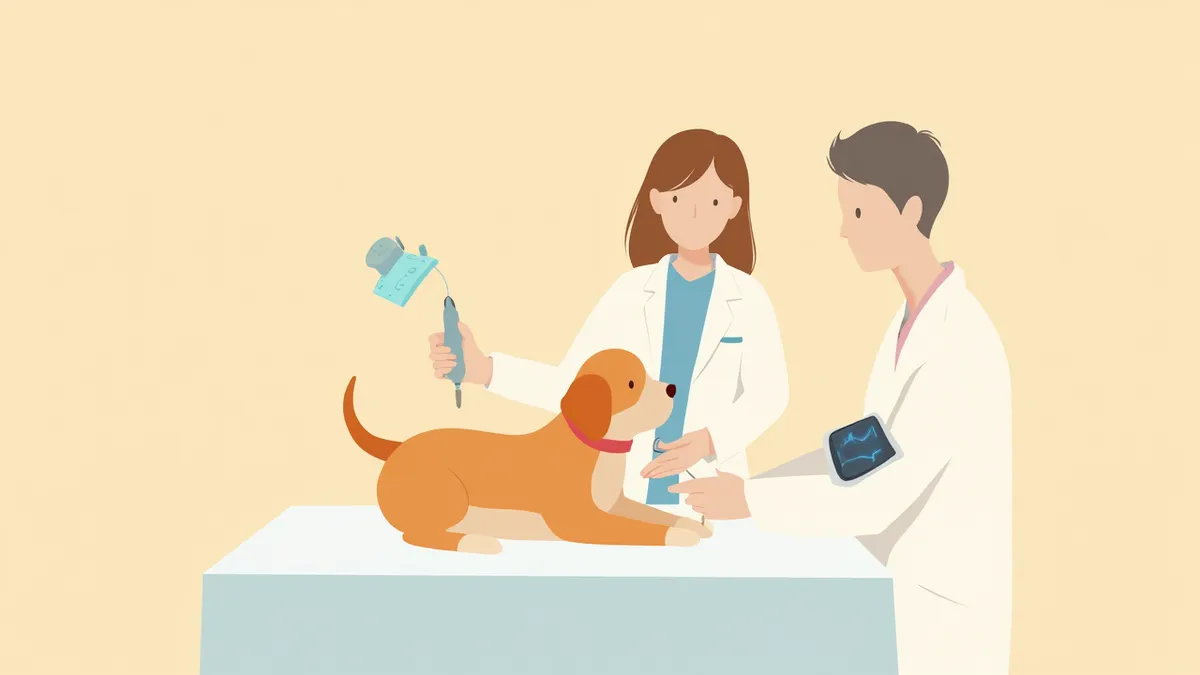
A veterinarian is measuring blood pressure by placing a Doppler probe on a puppy's front paw.
Doppler blood pressure measurement is a noninvasive method that uses an ultrasound transducer to detect arterial blood flow sounds in order to measure blood pressure in dogs and cats. The key takeaway is early detection. Conditions such as chronic kidney disease, heart disease, and hyperadrenocorticism often cause elevated blood pressure before clinical signs appear, so it is recommended that pets undergo blood pressure testing at least once a year. This is especially important for senior dogs and cats aged seven years and older.

How Does It Measure Blood Pressure?

The Doppler method involves placing a probe containing a piezoelectric crystal over an artery. The probe emits ultrasound waves into the tissue, and when these waves reflect off moving objects, such as blood cells flowing through the artery, the frequency of the returning ultrasound changes. The Doppler device converts this frequency shift into a characteristic "swoosh" sound. Next, a cuff is wrapped around the leg or tail and inflated to temporarily restrict blood flow, then gradually deflated. The pressure at the moment the blood flow sound is heard again is recorded. This measured value represents the systolic blood pressure (the highest blood pressure).

Normal Blood Pressure Values for Dogs and Cats

These are key reference values that pet owners should keep in mind. However, since results can vary depending on the testing environment and the pet’s level of stress, it’s best to look at the average of 5 to 7 readings rather than relying on a single measurement.

Systolic Blood Pressure Criteria (mmHg)

ItemDogCatStatus Classification
Normal (normotensive)Below ~140Below ~140Safe
Borderline (prehypertensive)140–159140–159Follow-up monitoring
Hypertension160–179160–179Consider treatment
Severe hypertension180 or above180 or aboveTreat immediately

Based on the American College of Veterinary Internal Medicine (ACVIM) 2018 guidelines.

How Is the Test Performed?
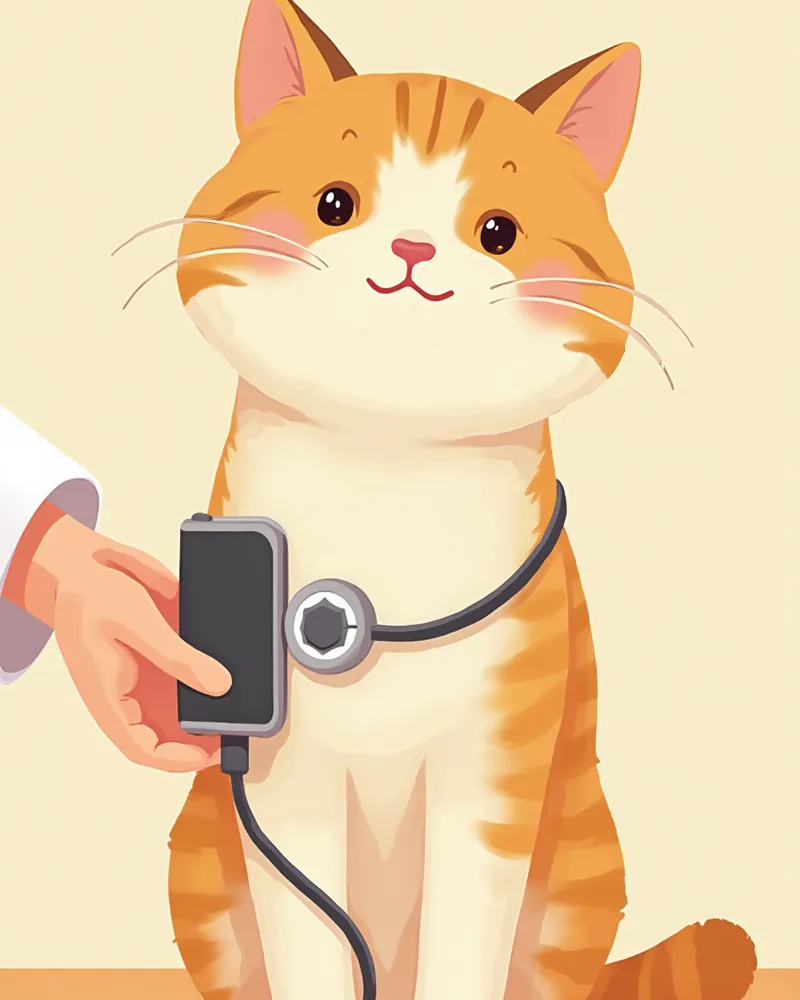
A Doppler blood pressure check typically takes about 5 to 10 minutes. - Preparation: Place your pet in a quiet room, either in your arms or lying down in a comfortable position. - Hair removal: Gently shave or dampen with alcohol a small area on one of the front legs, hind legs, or tail. - Gel application: Apply ultrasound gel to the area where the probe will make contact. - Cuff placement: Wrap an appropriately sized cuff around the limb and inflate and deflate it to take the reading. - Repeated measurements: Take 5 to 7 readings and record the average value.
A cat with a Doppler probe and cuff attached to its front leg

Important Pre-Test Precautions

For an accurate blood pressure reading, a few preparations are necessary. After arriving at the clinic, allow your pet sufficient time to rest before taking the measurement. Excitement or anxiety can trigger "white coat syndrome," activating the sympathetic nervous system and resulting in a significantly higher blood pressure reading than the true baseline. It is also best to avoid measuring blood pressure immediately after eating, exercising, or urinating, as these activities can cause temporary fluctuations. For pets that become severely anxious, you may consider having their blood pressure checked multiple times at a veterinary clinic near your home to help them feel more comfortable.

When Is Blood Pressure Testing Essential?
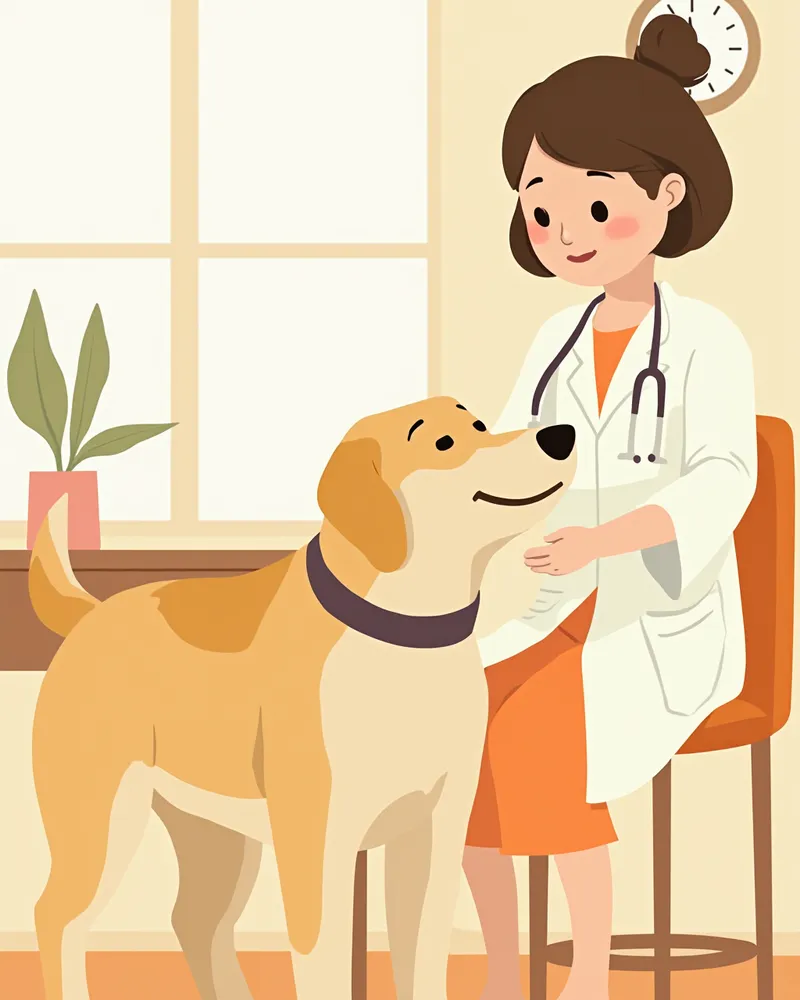
According to veterinary internal medicine textbooks, blood pressure monitoring is essential in the following situations: - Chronic kidney disease: This is a representative condition often accompanied by high blood pressure. - Heart disease: Monitoring is crucial for heart failure and valvular diseases. - Endocrine disorders: This includes conditions like Cushing's syndrome and hyperthyroidism. - Diabetes: Blood pressure checks help manage vascular complications. - Senior pets: Annual or biannual check-ups are recommended for pets aged 7 and older. - Before and after anesthesia: Both low and high blood pressure can be warning signs.
A veterinarian examining an elderly dog.

Doppler Method vs. Oscillometric Method

In veterinary clinics, there are two main non-invasive blood pressure measurement methods: the Doppler method and the oscillometric method. These are the most commonly used non-invasive techniques in clinical practice. The Doppler method measures systolic blood pressure by detecting the moment when blood flow sounds return as the cuff is deflated. This method is frequently used for small cats and small dog breeds. However, the specific equipment and procedures can vary from clinic to clinic, and measurement results may be influenced by the device used, the measurement site, and the animal's position. It's best to consult directly with your veterinary clinic for more information.

Special Attention Needed for Cats

Cats have a high prevalence of chronic kidney disease, and it is well known that hypertension frequently accompanies conditions such as kidney disease or hyperthyroidism. The concern is that feline hypertension can cause retinopathy, damaging the retina and leading to sudden blindness. Cats may show almost no symptoms until one day they suddenly lose their vision. Because hypertension can damage target organs, including the eyes, we recommend annual blood pressure checks once or twice a year for cats aged seven years and older.

Can Blood Pressure Be Measured at Home?
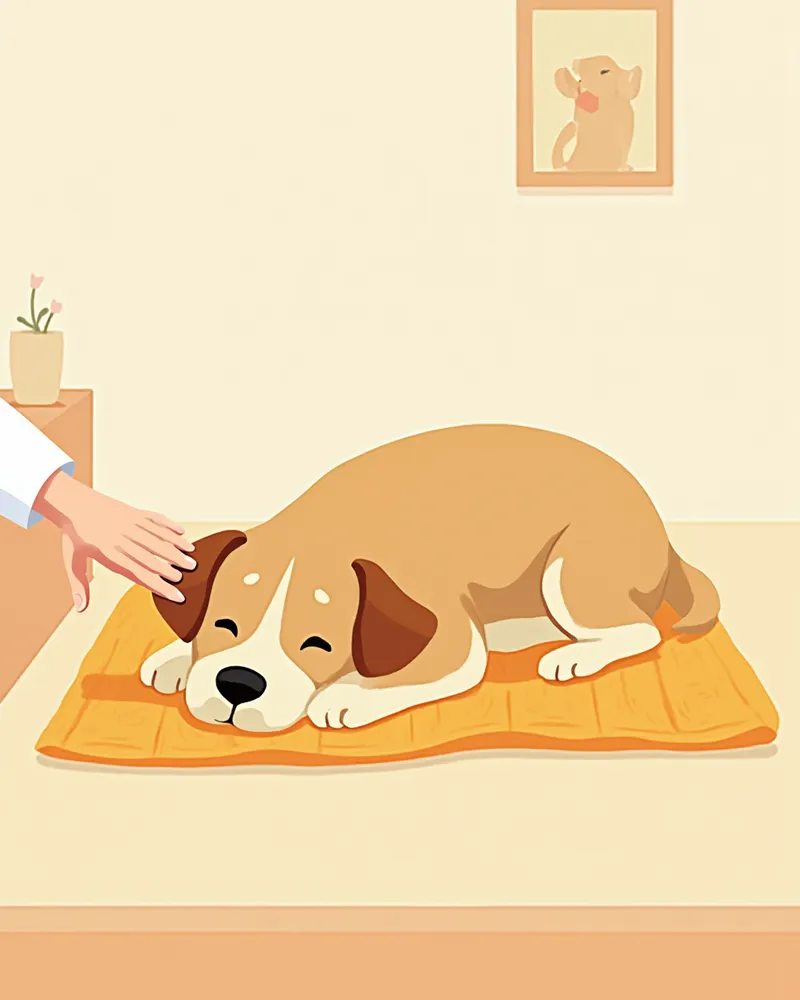
Accurate measurement at home is currently difficult. Human home blood pressure monitors are not suitable for pets due to differences in cuff size and artery location, leading to significant errors. Instead, to reduce stress during clinic measurements, bring familiar items like blankets or toys, or try "desk conditioning" by visiting the clinic initially just to receive treats without any measurements. This approach helps obtain more accurate readings.
A pet resting comfortably on a blanket

Reviewed by a veterinarian

Dr. Tony — Punnawat Phongkittirak

Dr. Tony — Punnawat Phongkittirak

Veterinarian

A veterinarian who majored in veterinary medicine at Khon Kaen University, Thailand, and completed the IVSA program at North Carolina State University in the United States. Drawing on clinical experience at animal hospitals, he works in the pet healthcare field and is dedicated to building a digital care environment that connects pet parents with veterinarians.

Frequently Asked Questions

Does it hurt to measure blood pressure with a Doppler?
It doesn’t hurt. Your pet will only feel a brief tightening from the cuff, and the probe is gently placed on the skin, so most pets tolerate it well.
How much does the test cost?
Since costs vary from clinic to clinic, it’s difficult to provide an exact amount. For the most accurate information, we recommend contacting the clinic you plan to visit directly.
How often should it be measured?
For healthy adult dogs and cats, an annual check-up is recommended. However, for seniors aged seven and older, or those with chronic conditions, check-ups every three to six months are advisable.
My pet’s blood pressure reading was high. Is it okay to have it rechecked?
Yes, it could have gone up due to nervousness. It's common to take the measurement again 2-3 times over a few days and then determine the average value.
Can I feed my pet before a blood pressure check?
If you're only having a blood pressure check, there's no need to restrict your pet's meals. However, if a blood test is also being done, an 8 to 12-hour fasting period may be required.

Share

Related Guides

References

[1] Advanced Monitoring for Small Animal Emergency and Critical Care, 2nd Ed, Chapter: Doppler Ultrasound Blood Pressure Monitoring

[2] Clinical Medicine of the Dog and Cat, 4th Ed, Chapter: Systemic Hypertension

[3] The Cat, Clinical Medicine and Management, 2nd Edition, Chapter: Blood Pressure Measurement

[4] Textbook of Cardiovascular Medicine in Dogs and Cats, Chapter 14: Pulmonary Hypertension and Doppler Assessment

This information is based on veterinary literature and does not replace diagnosis or treatment. Please consult a veterinarian for specific health concerns.

Metapet Co., Ltd. | CEO: Park Sung-yong | Business Reg. No. 417-88-02562 | Seoul, South Korea | Customer Center

Doppler Blood Pressure Measurement in Dogs & Cats | Meongsiljang