Like
Share
멍실장
강아지 안압 측정(토노메트리) 자주 묻는 질문 Q&A — 보호자가 꼭 알아야 할 핵심

What Is Canine Intraocular Pressure Measurement (Tonometry)? — Why Is It Important for Early Glaucoma Detection?

Eye HealthQ&AMeongsiljang Veterinary Advisory Board

Measuring your dog’s intraocular pressure is an important test for the early detection of serious eye conditions such as glaucoma. We’ve compiled key questions and answers that every pet owner should know.

What Is Canine Intraocular Pressure Measurement (Tonometry)?
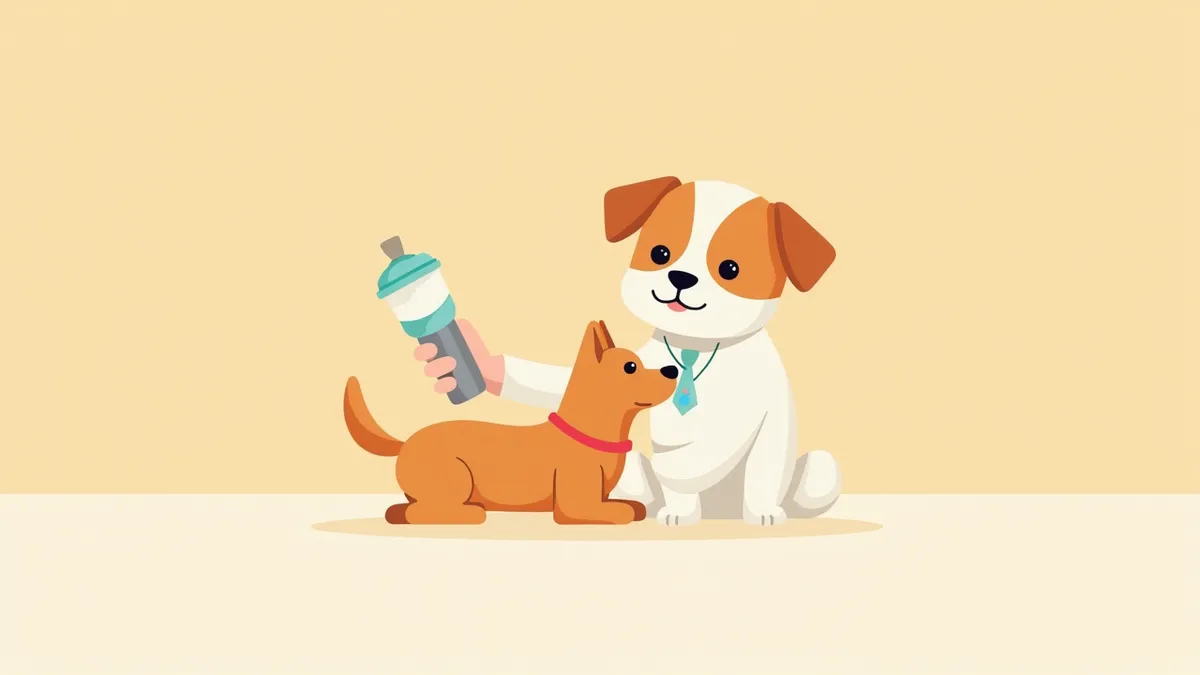
A puppy having its intraocular pressure measured with a tonometer.
Measuring your dog’s intraocular pressure (IOP) is an important diagnostic step that helps detect serious eye conditions such as glaucoma. This test uses a tonometer to measure the pressure inside the eye. - IOP Measurement: A tonometer, either applanation or rebound type, is used to check the internal eye pressure and determine if it falls within the normal range. The normal IOP for dogs is generally reported to be between 15 and 25 mmHg. - Early Detection: Elevated IOP can damage the optic nerve and lead to vision loss, making early diagnosis crucial. - Who Should Be Tested: This test is especially helpful for older dogs or those showing signs of eye redness, cloudiness, or pain. - Regular Monitoring: Dogs at higher risk should have their IOP checked regularly, as recommended by their veterinarian. - How It’s Done: The veterinarian gently touches the cornea with a specialized device to measure the pressure.

Is Intraocular Pressure Measurement Painful?
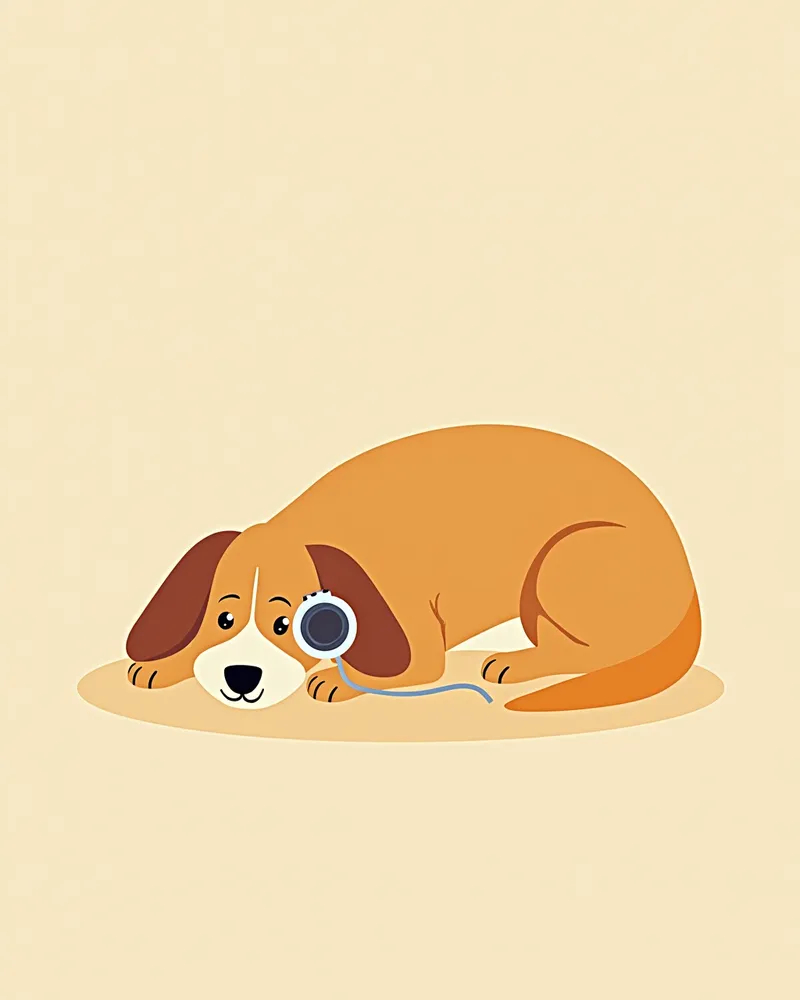
Intraocular pressure measurement is a nearly painless procedure. However, whether topical anesthetic drops are used depends on the equipment. The contact-type Tono-Pen (applanation tonometer) requires anesthetic drops on the cornea before measurement, while the rebound-type TonoVet does not require anesthesia because its probe only briefly touches the cornea. - Equipment differences: The Tono-Pen uses topical anesthetic drops, whereas the TonoVet measures without anesthesia. - Short duration: The exam is relatively quick, so your dog won’t become overly fatigued. - Quiet environment: The procedure is conducted in a quiet space to help your dog stay relaxed. - Minimal restraint: Excessive pressure or compression of the neck (jugular vein) can cause falsely high readings, so gentle handling is essential. - Stable positioning: The veterinarian holds your dog comfortably to maintain a stable posture.
A calm puppy during intraocular pressure measurement

What Equipment Is Used for Intraocular Pressure Measurement?
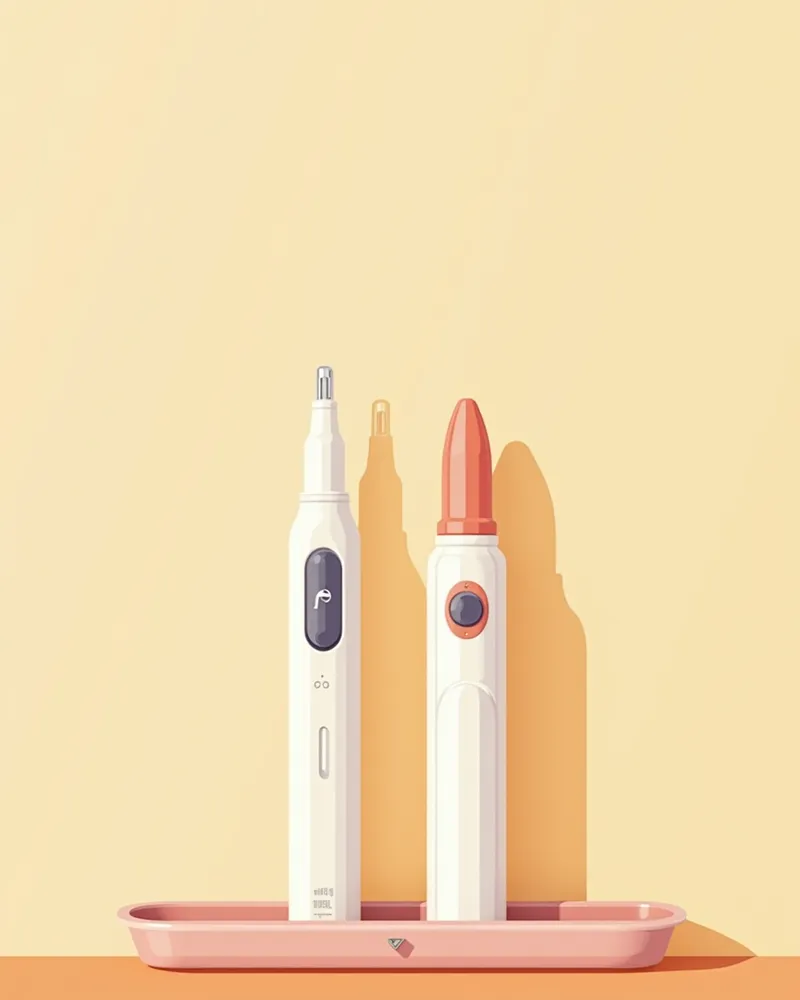
Intraocular pressure is primarily measured using two devices: the Tono-Pen and the Tono-Vet. - Tono-Pen: Measures pressure through gentle contact with the eye, offering high accuracy. - Tono-Vet: Uses a rebound method, allowing measurements without anesthesia. - Device Selection: The veterinarian chooses the most appropriate device based on the dog’s condition and the purpose of the examination. - Safety: Both devices are safe, and dogs typically experience no discomfort during the test. - Accurate Results: Regular examinations help maintain ongoing eye health.
Comparison of Tonopen and TonoVet equipment

Why Is Intraocular Pressure Measurement Necessary?
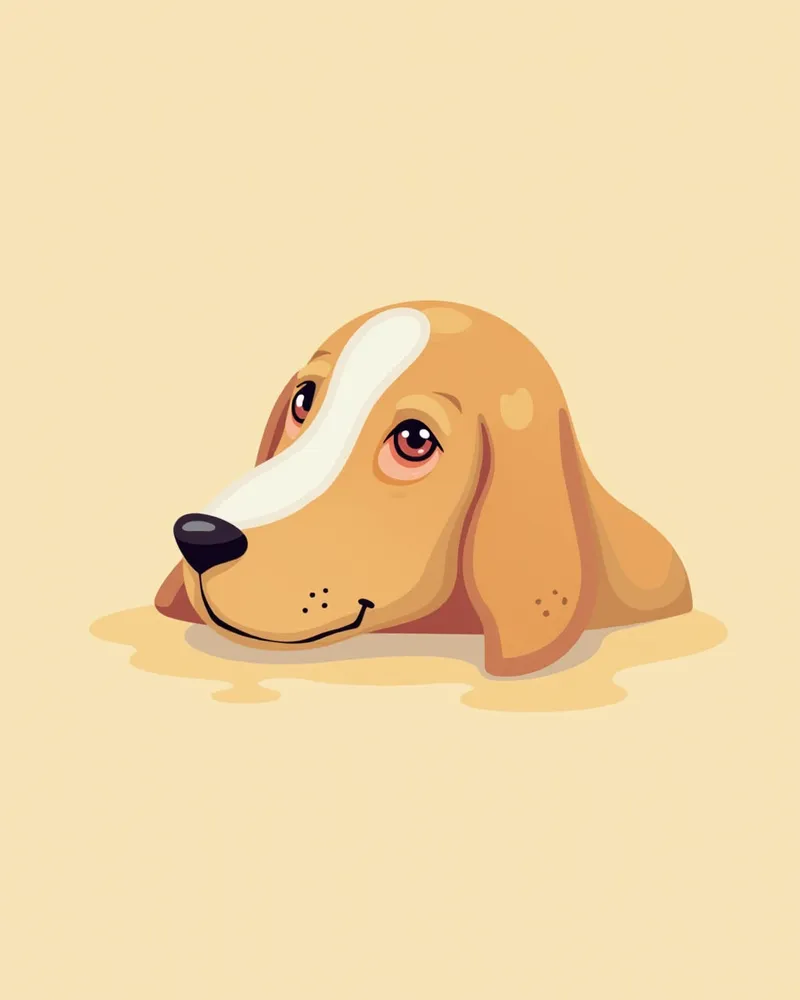
Measuring intraocular pressure is a crucial test for detecting serious eye conditions such as glaucoma. - Glaucoma Risk: Elevated intraocular pressure can damage the optic nerve, potentially leading to vision loss. - Importance of Early Diagnosis: Glaucoma can worsen suddenly (within hours), so it is vital to detect symptoms early and promptly lower intraocular pressure through treatment. - Related Symptoms: Checking intraocular pressure is helpful when symptoms like eye redness, corneal edema, eyelid twitching, or pain are present. However, redness can also occur in other conditions, such as conjunctivitis or uveitis. - Regular Monitoring Recommended: For senior pets or breeds with a higher genetic risk, we recommend consulting your veterinarian for regular check-ups. - Protecting Vision: Early detection and treatment can help preserve your pet’s vision for longer.
Dogs with eye conditions requiring intraocular pressure measurement

Tono-Pen vs. Tono-Vet: A Comparison of Pros and Cons

ItemTono-PenTono-Vet
Anesthesia RequiredRequiredNot required
Measurement MethodContact (applanation)Rebound
Measurement AccuracyHighHigh
Ease of UseModerateHigh
CostModerateLow

Both devices are suitable methods for assessing intraocular pressure; the Tono-Pen requires topical anesthesia while the Tono-Vet does not. The veterinarian selects the appropriate device based on the patient's condition and environment.

What to Watch Out for Before Intraocular Pressure Measurement
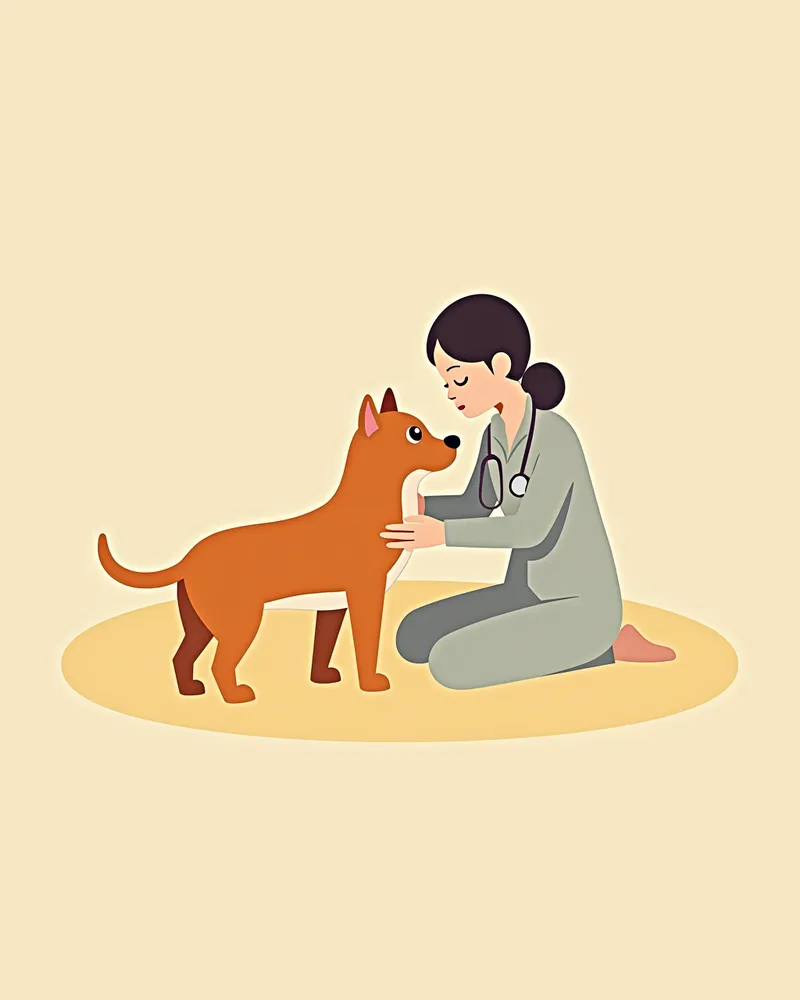
Before the intraocular pressure test, it’s a good idea to prepare a quiet environment to prevent your dog from becoming overly stressed. - Pre-test stress reduction: Keep your dog calm and relaxed in a quiet space. - Avoid touching the eyes: Do not rub or scratch your dog’s eyes right before the test. - Topical anesthetic: When using a Tono-Pen, a topical anesthetic is applied to the cornea; however, rebound tonometry (Tonovet) does not require anesthesia. - Minimal restraint: Avoid excessive restraint or pressure on the jugular vein, as this can cause falsely elevated readings. Handle your dog gently. - Follow the veterinarian’s instructions: Following your veterinarian’s guidance will help ensure the test proceeds smoothly.
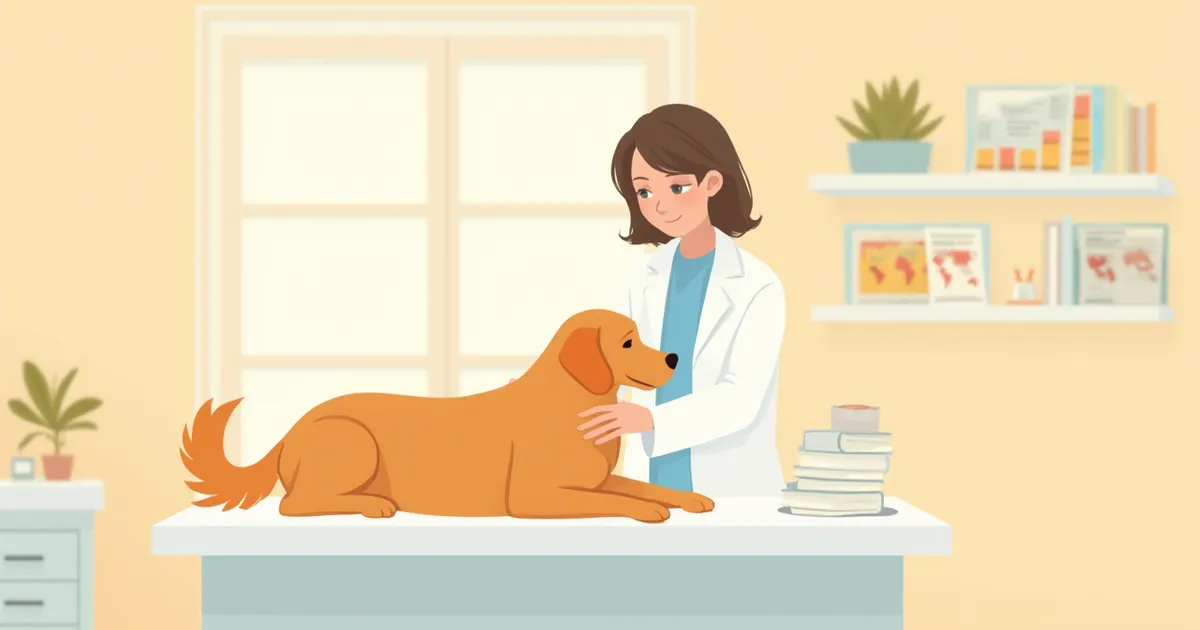
A veterinarian securely holding a dog’s head during intraocular pressure measurement

Signs That Require an Immediate Veterinary Visit

If your pet’s eyes appear red and swollen, or if they show signs of light sensitivity, excessive tearing, or cloudiness, seek veterinary care immediately. These symptoms may indicate serious conditions such as glaucoma. Delaying intraocular pressure measurement can lead to significant vision loss, making early diagnosis crucial.

Post-Intraocular Pressure Measurement Care Points
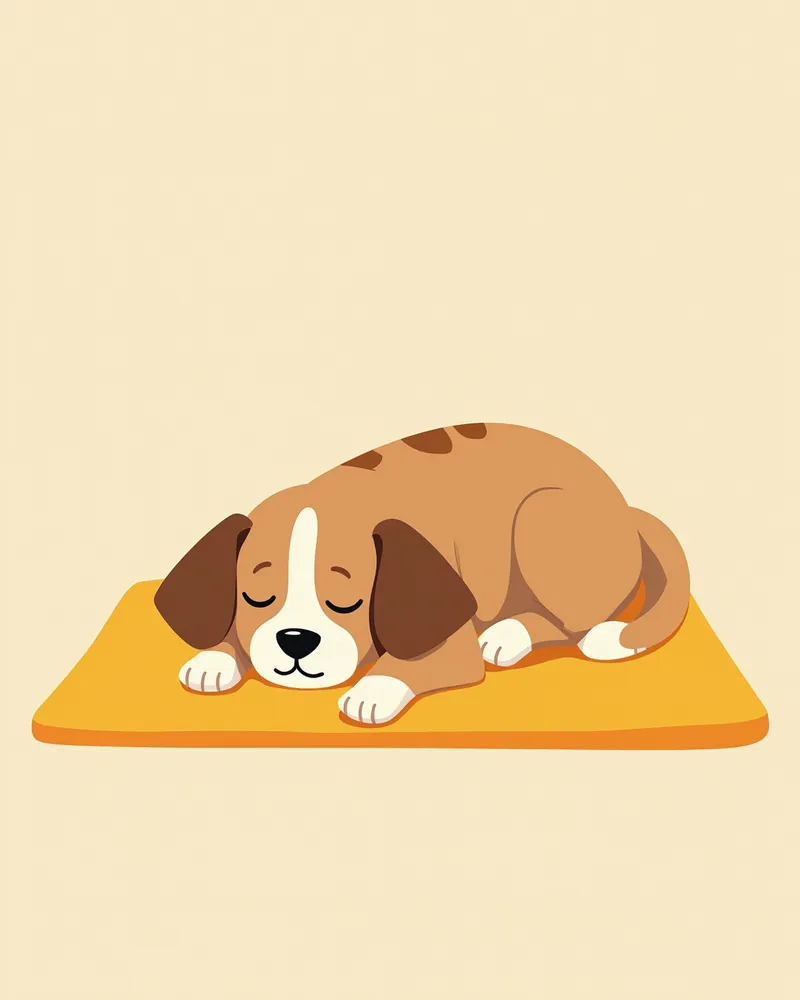
After the examination, your pet’s eyes may experience temporary irritation from anesthesia or contact with equipment, so please avoid touching them for a while. - Prevent irritation: Rubbing or scratching the eyes can cause irritation or minor corneal damage, so be careful to prevent this. - Restrict movement: If necessary, use a leash or carrier to help prevent your dog from rubbing its eyes. - Medication: If the examination reveals elevated intraocular pressure, your veterinarian may recommend eye drops or other medications. - Further testing: If any abnormalities are detected, additional tests such as a detailed ophthalmic examination may be required. - Regular care: It is advisable to continue consulting with your veterinarian and regularly monitor your pet’s eye health.
A dog resting comfortably after an eye pressure measurement.

Reviewed by a veterinarian

Dr. Tony — Punnawat Phongkittirak

Dr. Tony — Punnawat Phongkittirak

Veterinarian

A veterinarian who majored in veterinary medicine at Khon Kaen University, Thailand, and completed the IVSA program at North Carolina State University in the United States. Drawing on clinical experience at animal hospitals, he works in the pet healthcare field and is dedicated to building a digital care environment that connects pet parents with veterinarians.

Frequently Asked Questions

How long does an eye pressure measurement take?
The test itself is relatively quick. We gently touch the cornea with a tonometer to measure the pressure, and we usually check both eyes. It's fast and simple, so your dog won't get too tired.
Which dogs need intraocular pressure measurements?
It helps dogs that are older, have red or cloudy eyes, or show signs of pain. Certain breeds are also at a higher risk of developing glaucoma.
Do I need to repeat the intraocular pressure measurements?
There is no one-size-fits-all rule for how often this should be done. For senior dogs or those at higher risk of glaucoma, it’s best to consult with your veterinarian about checking eye pressure more frequently and on a regular basis.
What should I do if the intraocular pressure measurement is high?
A veterinarian will determine whether glaucoma is present through additional tests and may recommend medication or surgical treatment. Early intervention significantly increases the chances of preserving vision.
Can I measure my pet’s intraocular pressure at home?
No. It is not possible to obtain an accurate measurement by pressing with your fingers, as a dedicated tonometer and specialized knowledge are required. A veterinarian must perform the examination directly to ensure accurate results.

Share

Related Guides

References

[1] Gelatt, K.N. & MacKay, E.O. (1998). Distribution of intraocular pressure in dogs. Veterinary Ophthalmology, 1(2–3), 109–114.

[2] Tilley, L.P., Smith, F.W.K. (2007). Blackwell’s Five-Minute Veterinary Consult: Canine and Feline. 4th ed. Ames, IA: Blackwell.

[3] The Veterinary Workbook of Small Animal Clinical Cases. Case 30: The Dog with 'Blue' and 'Red' Eyes. (2020).

This information is based on veterinary literature and does not replace diagnosis or treatment. Please consult a veterinarian for specific health concerns.

Metapet Co., Ltd. | CEO: Park Sung-yong | Business Reg. No. 417-88-02562 | Seoul, South Korea | Customer Center

What Is Dog Tonometry? Why It Matters for Glaucoma | Meongsiljang