Like
Share
멍실장
고양이 간 병증 예후 지표 자주 묻는 질문 Q&A — 보호자가 꼭 알아야 할 핵심

Can Our Cat’s Liver Disease Be Recovered? — Key Indicators That Determine Prognosis

Liver HealthQ&AMeongsiljang Veterinary Advisory Board

We’ve outlined the key indicators for assessing prognosis in feline liver disease. Early intervention is possible by monitoring blood test results and changes in symptoms.

What Are the Prognostic Indicators for Feline Liver Disease?

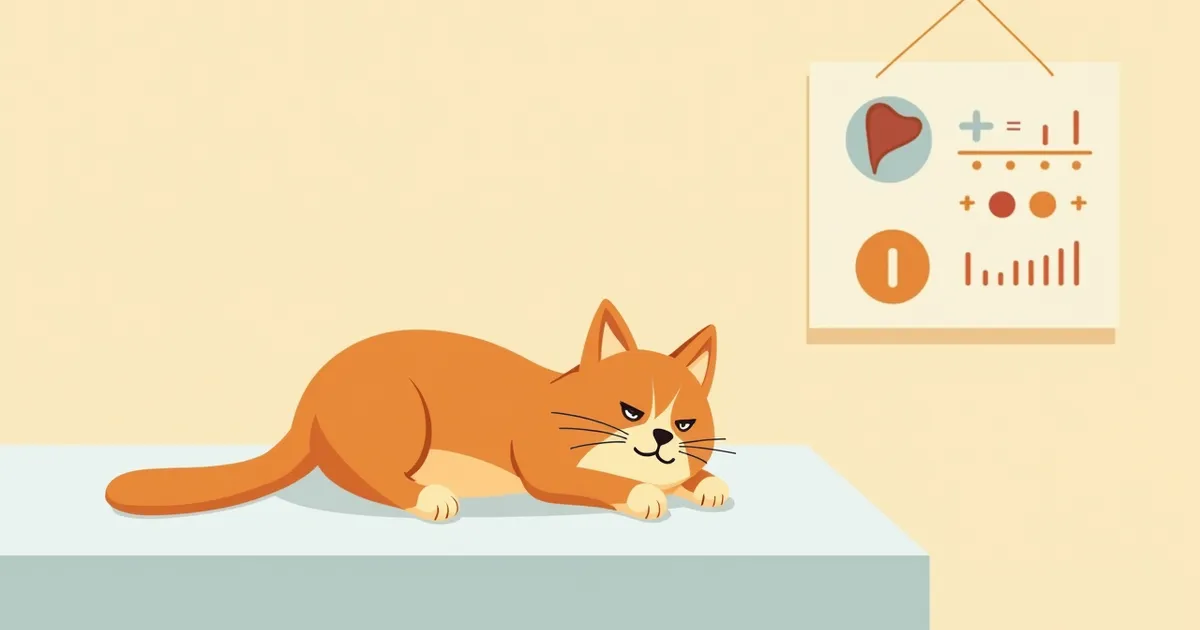
Cat liver function test results chart, with albumin, cobalamin, and vitamin D levels highlighted
The prognosis for feline liver disease is determined based on blood test results and changes in clinical symptoms. - Serum Albumin: This indicator reflects the liver’s protein-synthesis capacity. In cases of acute liver injury, maintaining normal albumin levels is considered a favorable sign for survival, whereas decreased levels warrant further detailed evaluation. - Alanine Aminotransferase (ALT): This marker reflects hepatocellular damage; elevated levels suggest liver cell injury. However, a poor prognosis cannot be determined solely by significantly high ALT values. - Alkaline Phosphatase (ALP) and Gamma-Glutamyl Transferase (GGT): These enzymes suggest cholestasis (impaired bile flow). - Total Bilirubin: This indicates impaired bile excretion and jaundice. Persistent elevation is known to be a sign of a poor prognosis. - Bile Acids: This test is used to assess liver function. Regularly monitoring these indicators is essential for tracking prognosis, and test results should be interpreted comprehensively alongside imaging studies.

What Are the Key Blood Markers That Influence Prognosis?
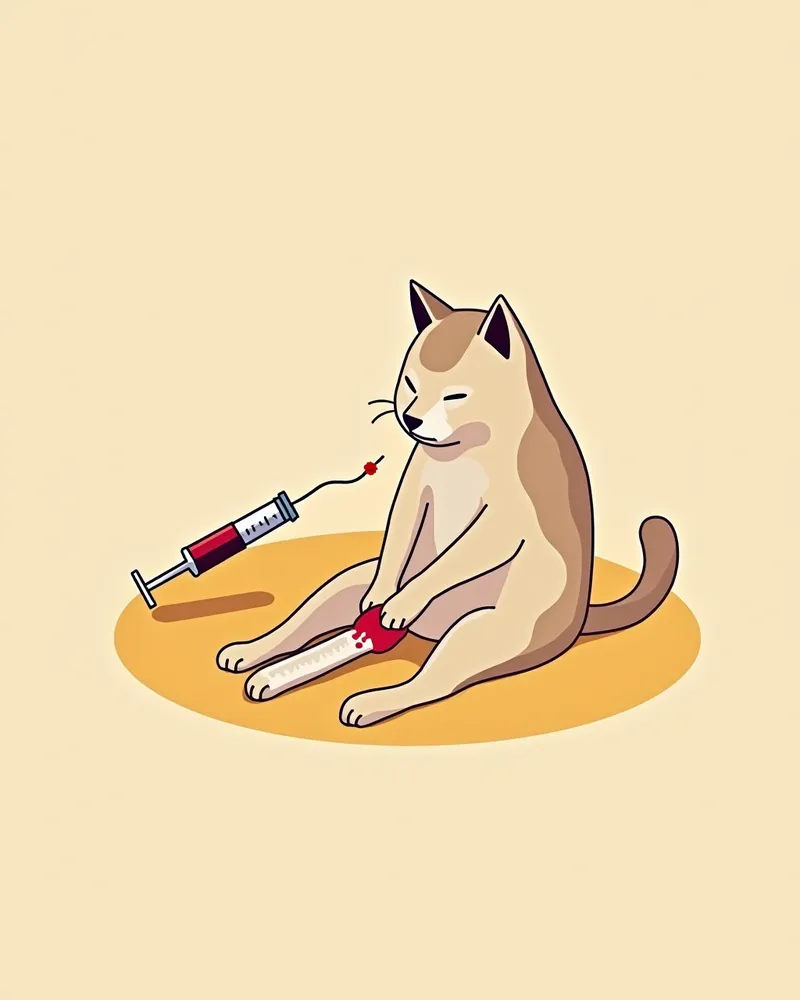
Several key blood markers influence the prognosis of feline liver disease. - Serum albumin: This marker reflects the liver’s synthetic function. In cases of acute liver injury, maintaining normal albumin levels is a positive sign for survival. - Total bilirubin: This reflects impaired bile excretion and is associated with jaundice, which causes yellowing of the eyes and lips. Elevated bilirubin levels have been reported in multiple studies as an indicator of poor prognosis. - Alanine aminotransferase (ALT): This enzyme indicates hepatocellular damage. - Alkaline phosphatase (ALP) and bile acids: These help evaluate cholestasis and hepatic dysfunction. These markers are essential for assessing overall liver function and directly influence treatment decisions. Regular testing allows for prompt detection of changes.
A veterinarian drawing blood from a cat’s leg, with the syringe filled with blood.

How Are Treatment Stages Divided Based on Prognostic Indicators?
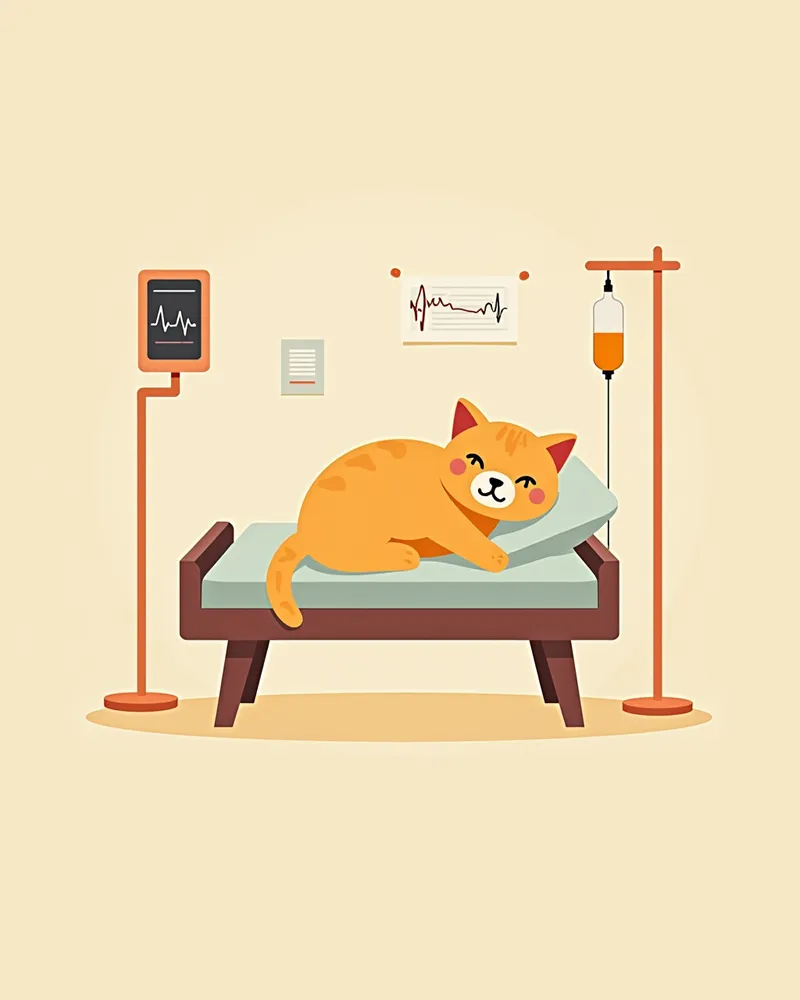
The management approach for feline liver disease varies depending on its severity. In relatively mild cases, it can be managed through dietary control and supportive nutritional supplementation. When there is significant decline in liver function, such as decreased albumin or elevated bilirubin, both pharmacological treatment and nutritional support are necessary. In particular, for feline hepatic lipidosis (fatty liver disease), nutritional support itself is the cornerstone of treatment, and correcting dehydration and electrolyte imbalances is crucial. In severe cases, hospitalization may be required, so please consult with your veterinarian to determine the appropriate course of action based on diagnostic test results.
A cat lying on a hospital bed with an IV line connected, while a veterinarian monitors its condition.

Comparison of Treatment and Survival Rates by Prognostic Indicator

ItemTreatment ApproachPrognosis Assessment
Mild (normal albumin)Dietary management, supplemental nutritionMaintaining normal albumin is a favorable sign for survival
Moderate (low albumin/elevated bilirubin)Drug therapy, nutritional supplementationElevated bilirubin is reported as a poor prognostic indicator
Severe (persistent jaundice/liver dysfunction)Hospitalization, intensive carePoor prognosis, requiring aggressive treatment and monitoring

The prognosis varies greatly depending on the underlying disease and individual case, so a comprehensive veterinary assessment is needed

Why Is It Important to Regularly Monitor Prognostic Indicators?

It’s important to regularly monitor prognostic indicators for feline liver disease because the condition can progress silently. In the early stages, there are often few outward symptoms, but abnormalities may first appear in blood tests. A drop in albumin levels or a rise in bilirubin can signal ongoing liver damage. Detecting changes early through regular check-ups allows for quicker adjustments to the treatment plan. For senior cats or those with risk factors, it’s best to consult your veterinarian to establish an appropriate schedule for routine exams. Consistently tracking these indicators enables flexible adjustments to the treatment strategy.
A calendar on the clinic wall features a cat photo each month, with space to record monthly check-up results.

Signs That Require Immediate Veterinary Visit

If your cat suddenly loses its appetite, develops yellowing of the eyes or gums (jaundice), or experiences repeated vomiting, seek veterinary care immediately. Jaundice indicates elevated bilirubin levels and may signal a rapid deterioration of liver function. This condition can be especially dangerous if accompanied by abnormal test results, such as a significant drop in albumin, so consult your veterinarian right away.

Home Care Tips to Improve Prognostic Indicators

There are several home care tips for managing feline liver disease. - Adequate calorie intake: It is important to provide sufficient carbohydrates and fats to prevent the body from breaking down protein for energy, which produces ammonia. Whether protein restriction is necessary depends on the individual case, so consult your veterinarian. - Nutritional management: In cases of fatty liver disease, nutritional support is a core part of treatment, so helping your cat eat well is essential. - Ensure hydration: This helps prevent dehydration and supports overall condition. - Stress management: Minimize stressors such as environmental changes or loud noises. - Supplement administration: Administer liver protectants such as ursodeoxycholic acid and vitamin E as directed by your veterinarian. These measures play a supportive role in aiding recovery.
A cat eating liver-supportive food, with water nearby.

Reviewed by a veterinarian

Dr. Tony — Punnawat Phongkittirak

Dr. Tony — Punnawat Phongkittirak

Veterinarian

A veterinarian who majored in veterinary medicine at Khon Kaen University, Thailand, and completed the IVSA program at North Carolina State University in the United States. Drawing on clinical experience at animal hospitals, he works in the pet healthcare field and is dedicated to building a digital care environment that connects pet parents with veterinarians.

Frequently Asked Questions

When should we test for prognostic indicators of feline liver disease?
If you notice symptoms that may indicate liver dysfunction, such as loss of appetite, jaundice, or repeated vomiting, have your cat tested right away. For senior cats or those with risk factors, it’s best to consult your veterinarian to establish an appropriate schedule for regular check-ups.
Does a low albumin level always mean medication is necessary?
Albumin is a marker that reflects the liver’s synthetic function, so a low level warrants a thorough evaluation. However, treatment depends on the underlying cause and severity, so your veterinarian will determine whether medication is necessary or if dietary management alone is sufficient.
How is cobalamin deficiency treated?
If a deficiency in cobalamin (vitamin B12) is confirmed, supplementation may be considered, but the exact method and duration depend on the individual’s condition and test results. Do not determine the dosage on your own; instead, consult your veterinarian to decide based on blood test results, and follow up with retesting to monitor the response.
How is vitamin D deficiency related to liver disease?
Based on the evidence provided, it’s difficult to definitively establish a direct link between vitamin D and feline liver disease. In cases of liver disease, indicators such as albumin, bilirubin, and liver enzymes (ALT and ALP) are more central to the assessment. Nutritional status should be managed comprehensively in consultation with your veterinarian.
If the prognostic indicators worsen, what is the survival rate?
Persistently rising bilirubin levels in jaundice are considered a poor prognostic indicator. Conversely, maintaining normal albumin levels in acute liver injury is favorable for survival. Specific survival rates vary significantly depending on the underlying cause and clinical condition, making early detection and appropriate treatment crucial for improving prognosis.

Share

Related Guides

References

[1] Clinical Medicine of the Dog and Cat, 4th Ed. (2023). Chapter 9: Hepatic Disease in Cats. Elsevier.

[2] Feline Emergency and Critical Care Medicine, 2nd Ed. (2022). Section 12: Liver Failure Prognosis Markers. Wiley-Blackwell.

[3] The Cat: Clinical Medicine and Management, 2nd Ed. (2021). Chapter 15: Hepatic Disorders and Long-Term Outcomes. Elsevier.

This information is based on veterinary literature and does not replace diagnosis or treatment. Please consult a veterinarian for specific health concerns.

Metapet Co., Ltd. | CEO: Park Sung-yong | Business Reg. No. 417-88-02562 | Seoul, South Korea | Customer Center

Can My Cat Recover from Liver Disease? Key Prognostic Indicators | Meongsiljang