Like
Share
멍실장
고양이 간성 뇌증 자주 묻는 질문 Q&A — 보호자가 꼭 알아야 할 핵심

If Your Cat Is Lethargic and Stumbling — Causes and Management of Hepatic Encephalopathy Q&A

Liver HealthQ&AMeongsiljang Veterinary Advisory Board

Hepatic encephalopathy in cats is a condition in which neurological symptoms arise due to impaired liver function. Here’s a summary of the key information pet owners should know.

What Is Feline Hepatic Encephalopathy?

An anatomical illustration showing the flow of toxins between the liver and brain in cats.
Feline hepatic encephalopathy is a condition in which neurological abnormalities occur due to toxic substances reaching the brain, caused by severely impaired liver function or abnormal shunting of blood flow away from the liver. - Reduced liver function: When the liver fails to eliminate toxins such as ammonia, toxin levels in the blood rise. - Toxin accumulation in the brain: This leads to symptoms such as lethargy, disorientation, seizures, and decreased consciousness. - Portosystemic shunts are the most common cause: This condition most frequently occurs in young cats with portosystemic shunts, where blood flow bypasses the liver, but it can also result from liver damage caused by hepatic lipidosis or hepatotoxic drugs. - Importance of early detection: If symptoms appear, consult a veterinarian promptly. Early management significantly impacts the prognosis.

What Are the Main Causes of This Condition?

The primary cause of hepatic encephalopathy in cats is portosystemic shunting, a condition where blood flow bypasses the liver. It can also occur in cases of severe liver dysfunction, such as hepatic lipidosis or damage from hepatotoxic drugs. When the liver fails to detoxify the blood, ammonia levels rise. This toxin then reaches the brain, causing neurological abnormalities. This condition is particularly common in young cats with congenital shunts. If declining liver function is left untreated, it can lead to encephalopathy. Early diagnosis and treatment of the underlying cause are essential.
A cat showing jaundice and ascites due to liver dysfunction

What Symptoms Appear?

Feline hepatic encephalopathy can present with a variety of neurological symptoms. Here are the key warning signs for pet owners to watch for:
Excessive lethargy: The cat appears drowsy and remains inactive throughout the day.
Disorientation: The cat loses its sense of direction, bumps into walls, or walks in repetitive circles.
Abnormal behavior: Sudden aggression or hiding due to fear.
Drooling (ptyalism): A particularly common sign of feline hepatic encephalopathy, characterized by excessive drooling around the mouth.
Seizures: Sudden body tremors or loss of consciousness.
Decreased appetite: A sudden reduction in food intake or refusal to eat.
If you notice any of these symptoms, immediate veterinary attention is required.
A cat disoriented due to hepatic encephalopathy

Signs Requiring Immediate Veterinary Visit

If your cat suddenly loses consciousness, experiences repeated seizures, or becomes so lethargic that it cannot move, you need to go to the vet immediately. This is a life-threatening emergency.

How Is It Diagnosed?
Feline hepatic encephalopathy is diagnosed through a comprehensive combination of tests. - Blood tests: We check liver function indicators and blood ammonia levels (hyperammonemia). - Liver function assessment: Confirming the presence of liver dysfunction is key to diagnosis. - Neurological evaluation: We observe changes in consciousness level, as well as behavioral and motor abnormalities. - Differential diagnosis of other brain diseases: If necessary, imaging tests are used to rule out other brain conditions that cause similar symptoms. - Comprehensive judgment required: A diagnosis is made when neurological symptoms, hyperammonemia, and liver dysfunction are all present together. Early diagnosis is crucial for improving treatment outcomes.
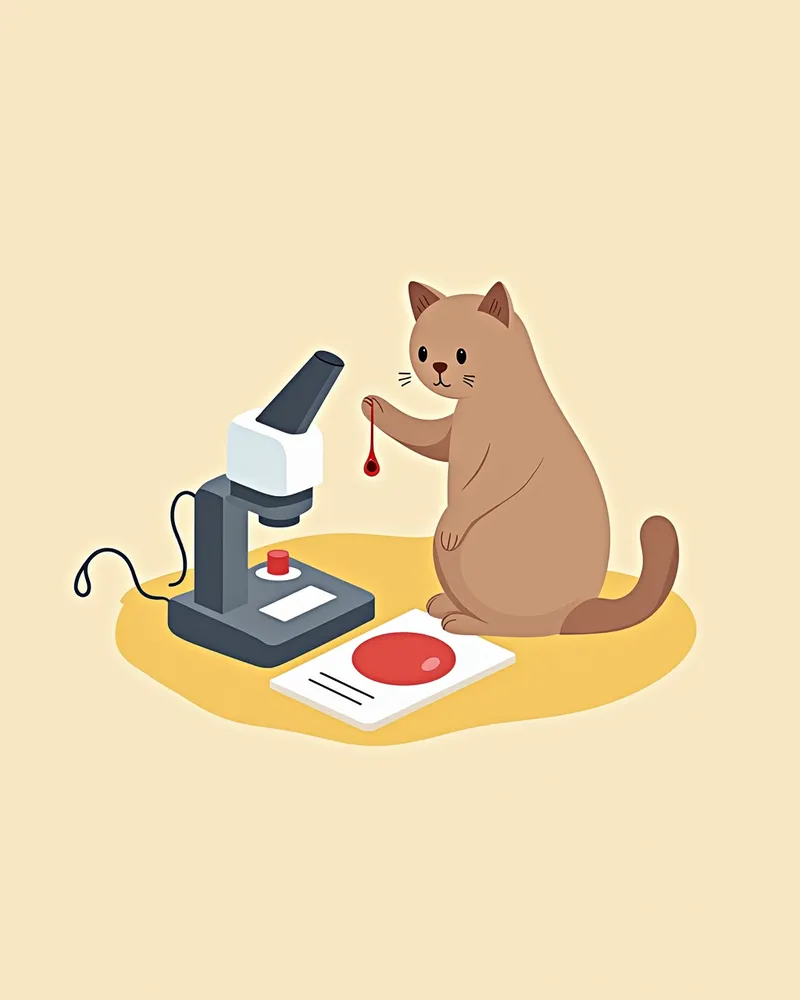
A veterinarian performing a blood test on a cat

What Are the Treatment Options?

Treatment is tailored to the underlying cause and the patient’s condition. - Medication: Lactulose is used to reduce ammonia absorption in the intestines, and antibiotics may be prescribed as needed to control gut bacteria that produce ammonia. - Dietary management: Protein intake is adjusted to reduce the burden on the liver, but it is not restricted excessively; instead, an appropriate amount is maintained. - Seizure management: If seizures recur, anticonvulsants such as levetiracetam are used. - Fluid therapy and supportive care: Supportive treatments are provided to correct dehydration and electrolyte or acid-base imbalances. - Owner cooperation is essential: Consistent medication administration and dietary management are crucial to prevent recurrence. Long-term care is the key to success.
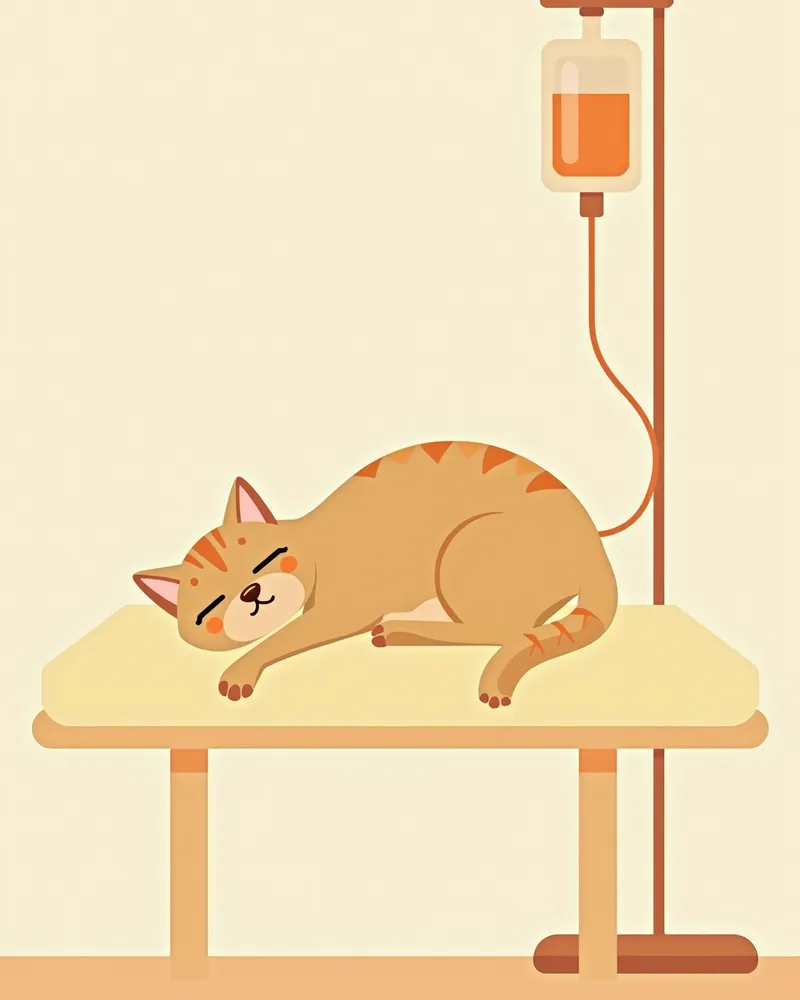
A cat receiving treatment at the hospital

Key Points for Home Management

Feline hepatic encephalopathy requires long-term management. Here are the key points for pet owners to follow:
Dietary management: Adjust protein intake to reduce the burden on the liver, but maintain an appropriate amount under veterinary guidance rather than restricting it excessively.
Regular medication: Administer prescribed medications exactly as directed by your veterinarian.
Stable environment: Provide a quiet space with minimal noise and stimulation.
Consistent daily routine: Maintain regular feeding and sleeping schedules.
Regular check-ups: Perform periodic blood tests and liver function evaluations.
These management practices help prevent the progression of the disease.
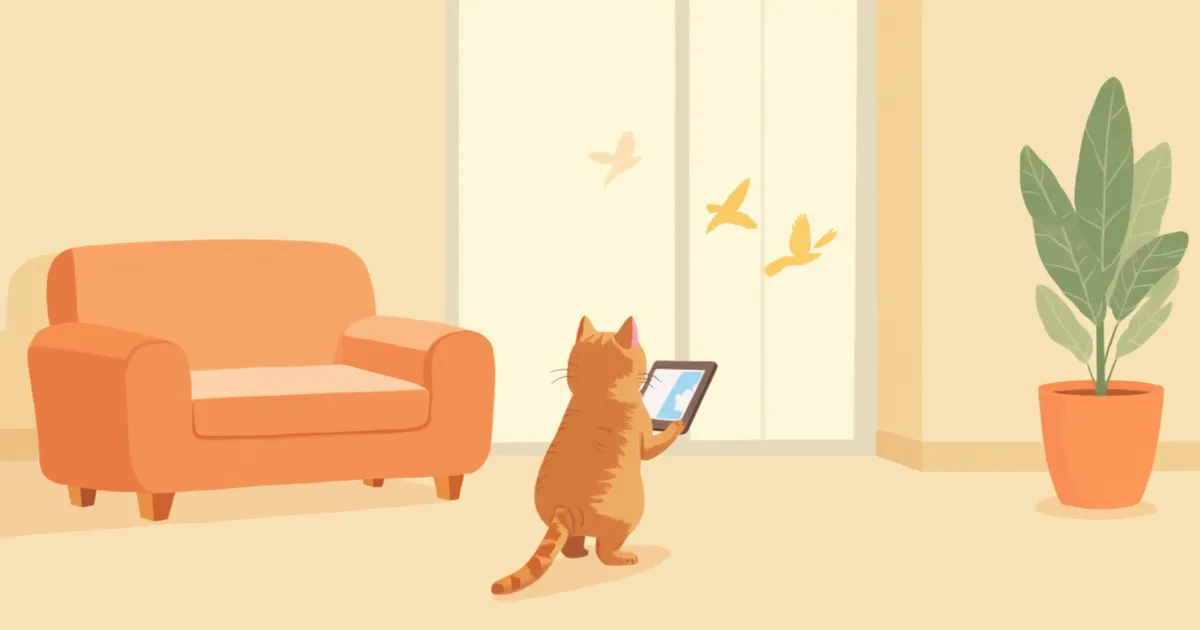
A quiet environment for managing feline hepatic encephalopathy

Precautions: Caution with Medication Use

In cats with compromised liver function, even standard medications can place additional strain on the liver. Never administer any medication without professional guidance. Do not change or stop any prescribed treatment without your veterinarian’s approval.

Comparison of Management Strategies by Symptom Severity

ItemMildModerateSevere
Main symptomsSlightly drowsy, mild loss of orientationRecurrent seizures, clouding of consciousnessLoss of consciousness, severe seizures, respiratory distress
Management methodStart dietary management after consulting a veterinarianVisit the hospital immediately, start drug therapyVisit the emergency room, oxygen supply and intravenous injection needed
PrognosisRecovery possible with proper managementTiming of treatment is important, long-term management neededHigh risk, immediate treatment essential

Management methods and prognosis vary with the severity of symptoms. Early detection is key.

Reviewed by a veterinarian

Dr. Tony — Punnawat Phongkittirak

Dr. Tony — Punnawat Phongkittirak

Veterinarian

A veterinarian who majored in veterinary medicine at Khon Kaen University, Thailand, and completed the IVSA program at North Carolina State University in the United States. Drawing on clinical experience at animal hospitals, he works in the pet healthcare field and is dedicated to building a digital care environment that connects pet parents with veterinarians.

Frequently Asked Questions

Is hepatic encephalopathy in cats treatable?
It depends on the underlying cause. If liver function can be restored, symptoms may improve with appropriate treatment and care. However, severe liver damage may be difficult to fully cure.
Is this condition hereditary?
Portosystemic shunts, the most common cause of hepatic encephalopathy, are often congenital and frequently diagnosed in young cats. However, there is insufficient evidence to confirm that certain breeds are more predisposed, so it’s advisable to have your cat evaluated if you notice recurring neurological signs from an early age.
How should I manage my pet’s diet?
Use a veterinarian-recommended diet to manage protein intake. However, excessive restriction can be harmful, so it’s important to maintain an appropriate amount. Adjust the diet based on your cat’s weight and condition, and never change their diet on your own without professional guidance.
What should I do if my pet has a seizure?
If your cat has a seizure, keep them safe and protect their head. Contact your veterinarian immediately or transport them to the clinic right away. Seizures can be life-threatening.
Does this condition shorten a cat's lifespan?
The prognosis varies depending on the underlying cause. If the liver damage is reversible, your pet can live comfortably with appropriate treatment and care. However, in cases of severe liver injury or advanced disease, the prognosis may be poor. That’s why early diagnosis and ongoing management are so important.

Share

Related Guides

References

[1] Sykes JE, Sturges BK, Cannon MS, et al. Clinical signs, imaging features, neuropathology, and outcome in cats and dogs with central nervous system cryptococcosis from California. J Vet Intern Med. 2010;24(6):1427–1437.

[2] Feline Emergency and Critical Care Medicine, 2nd Edition. Wiley-Blackwell, 2017. Chapter 12: Hepatic Encephalopathy in Cats.

[3] Plumb's Veterinary Drug Handbook, 9th Edition. Wiley-Blackwell, 2022. Hepatic Encephalopathy: Management and Medications.

This information is based on veterinary literature and does not replace diagnosis or treatment. Please consult a veterinarian for specific health concerns.

Metapet Co., Ltd. | CEO: Park Sung-yong | Business Reg. No. 417-88-02562 | Seoul, South Korea | Customer Center

Lethargic, Stumbling Cat? Hepatic Encephalopathy Q&A | Meongsiljang