Like
Share
멍실장
고양이 렌즈 탈구 자주 묻는 질문 Q&A — 보호자가 꼭 알아야 할 핵심

What Is Feline Lens Luxation? — Emergency Signs to Prevent Blindness and Treatment Q&A

Eye HealthQ&AMeongsiljang Veterinary Advisory Board

Feline lens luxation is an emergency condition that can cause sudden vision loss and pain. Here’s the essential information every pet owner should know.

Lens luxation in cats is a condition where the lens shifts out of its normal position.
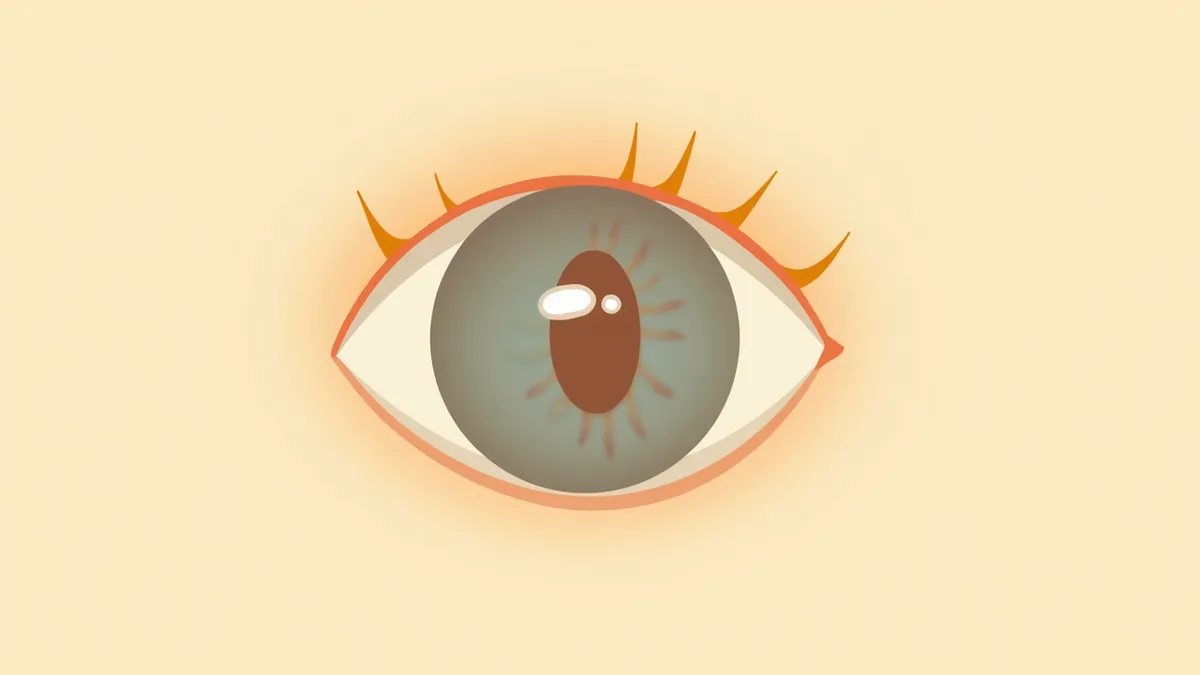
An anatomical illustration showing the normal position of the lens in a cat’s eye and a dislocated lens.
Lenticular luxation in cats occurs when the zonules (ligaments) or vitreous structures that hold the lens in its normal position behind the iris weaken or rupture, causing the lens to dislocate. If the lens moves forward into the anterior chamber, it can lead to complications such as corneal edema, uveitis (inflammation inside the eye), cataracts, and changes in intraocular pressure, all of which may affect vision. - Secondary (most common in cats): Secondary luxation, which follows chronic uveitis, chronic glaucoma, or trauma, is the most frequent type in cats. - Hereditary/Primary (rare): Primary luxation caused by genetic predispositions, such as zonular abnormalities in certain breeds, or age-related zonular degeneration is rare in cats. - Trauma and chronic inflammation: Blunt force to the eye or long-standing intraocular inflammation can damage the structures that stabilize the lens. Early detection and evaluation by a veterinary ophthalmologist are crucial for preserving vision.

The main causes of lens luxation are aging, genetics, trauma, and increased intraocular pressure.

A lens luxation in cats occurs when the lens shifts out of its normal position due to abnormalities in the zonules (the ligaments that hold the lens in place) or the vitreous body structure. In cats, secondary causes—those arising from other underlying eye conditions—are the most common. - Chronic uveitis: One of the most frequent underlying causes of secondary lens luxation in cats. - Chronic glaucoma: Prolonged intraocular pressure abnormalities and associated ocular changes can compromise the structures that stabilize the lens. - Trauma: Direct impact to the eye can damage the zonular ligaments that secure the lens. - Genetic or age-related degeneration (rare): Primary luxation resulting from genetic zonular defects or age-related degeneration of the zonules is uncommon in cats. Chronic intraocular inflammation is also a significant risk factor, making early diagnosis and management of underlying conditions essential.
A real photo of a cat with a swollen eye due to lens luxation

The main symptoms of lens luxation are eye redness, vision loss, squinting, and light sensitivity.

If your cat has a dislocated lens, you may notice redness in the eye, vision loss, or signs of discomfort due to pain. - Eye redness: The eye may appear red due to blood vessel dilation in the sclera or new blood vessels growing on the corneal surface. - Vision loss: You may observe increased bumping into objects or more cautious movements. - Squinting or eye closure: Pain may cause your cat to frequently squint or keep the eye closed. - Light sensitivity: Your cat may avoid light and prefer darker areas. The displaced lens may be visible in front of the iris, and the eye may look cloudy due to corneal edema. Cataracts and uveitis may also develop. Intraocular pressure may increase or decrease, so it’s best to seek veterinary care promptly if you notice any abnormalities.
A real-life photo of a cat squinting its eyes due to pain

Emergency Signs Requiring Immediate Veterinary Visit

If your cat suddenly squints, keeps its eyes closed, or shows redness and cloudiness in the cornea, seek veterinary care promptly—ideally from a veterinary ophthalmologist. Lens luxation can lead to uveitis, glaucoma, and corneal damage. The sooner treatment is received while vision remains intact, the greater the chance of preserving sight. Delayed care may result in irreversible damage.

Diagnosis is made through ophthalmic examination, intraocular pressure measurement, and ultrasound.
Diagnosing lens luxation primarily relies on a clinical eye examination performed directly by the veterinarian. - Ophthalmic Clinical Examination: The vet assesses the position of the lens and the condition of the cornea and iris. In cases of subluxation, where the lens is only partially displaced, a crescent-shaped area without the lens (aphakic crescent) may be visible on one side of the pupil. - Intraocular Pressure Measurement: Lens luxation can cause intraocular pressure to either increase or decrease. Measuring this pressure helps determine whether glaucoma is present. - Ultrasound Examination (B-mode): If corneal edema or pain makes it difficult to view the interior of the eye directly, ultrasound helps confirm the lens position and internal ocular structures. Sedation or anesthesia may be used as needed for accurate evaluation, and the results guide the development of a treatment plan.
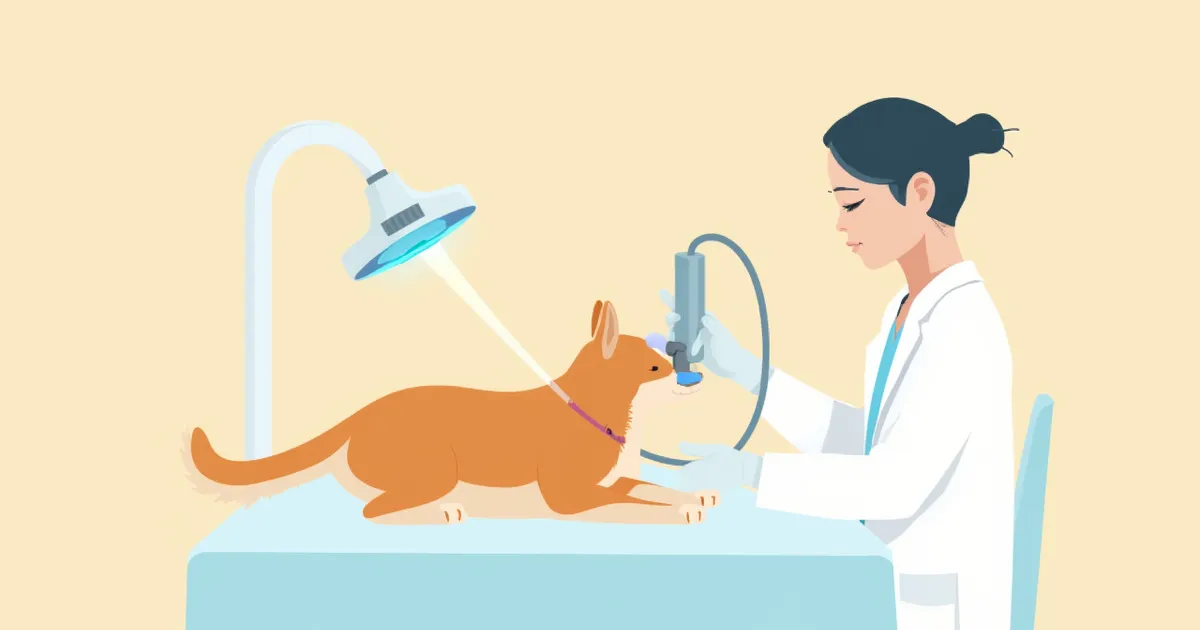
A veterinarian measuring the intraocular pressure of a cat's eye

Treatment methods are divided into surgery, medication, and non-surgical management.
Treatment for lens luxation in cats depends on the cat’s overall condition and the position of the lens. - Medical (non-surgical) management: Anti-inflammatory medications are used to control inflammation, and miotics (such as demecarium bromide or prostaglandin analogs like latanoprost) may be administered as needed. In cases of secondary lens luxation in cats, medical management is often prioritized over surgery. - Surgical treatment: When indicated, the luxated lens may be surgically removed (lensectomy). - Management of the contralateral eye: Long-term use of miotics in the unaffected eye may be recommended to prevent the same issue from occurring. Treatment decisions are based on a comprehensive assessment of lens position, inflammation, intraocular pressure, and the cat’s general health, making early veterinary consultation essential.
Medical illustration of a cat undergoing lens removal surgery

Comparison of Treatment Methods: Surgery vs. Medication vs. Non-Surgical Management

ItemSurgical TreatmentMedical TreatmentNon-surgical Management
Main RoleRemoval (extraction) of the luxated lensControl of inflammation, pain, intraocular pressureLong-term management of pain and intraocular pressure
Position in CatsChosen when indicatedOften prioritized in secondary luxationApplied when surgery is difficult
Management CharacteristicsRequires specialized ophthalmic surgeryRequires continuous eye drops/medicationRequires continuous monitoring
CostHighLowModerate

In feline secondary lens luxation, medical management centered on anti-inflammatory agents is often prioritized over surgery. The treatment method is determined by comprehensively considering the lens position and eye condition.

Note: Lens luxation has a high risk of recurrence.

Lens luxation can recur once it has occurred. Even after surgery, the other eye may develop luxation, so regular ophthalmic examinations are essential. Additionally, post-surgery, it is important to closely monitor for pain or changes in intraocular pressure.

Reviewed by a veterinarian

Dr. Tony — Punnawat Phongkittirak

Dr. Tony — Punnawat Phongkittirak

Veterinarian

A veterinarian who majored in veterinary medicine at Khon Kaen University, Thailand, and completed the IVSA program at North Carolina State University in the United States. Drawing on clinical experience at animal hospitals, he works in the pet healthcare field and is dedicated to building a digital care environment that connects pet parents with veterinarians.

Frequently Asked Questions

Can a cat’s lens dislocation be completely cured?
It’s difficult to fully restore the lens to its original position. In cases where surgical intervention is indicated, the dislocated lens may be removed surgically; however, in cats with secondary lens luxation, medical management such as anti-inflammatory medications is often prioritized. Regardless of the approach, regular ophthalmic care is essential.
Is lens luxation only seen in cats?
No, it can occur in both dogs and cats. In dogs, hereditary (primary) luxation is common in certain terrier breeds, while in cats, secondary luxation following chronic uveitis, glaucoma, or trauma is more prevalent. Hereditary or age-related primary luxation is relatively rare in cats.
Can lens luxation be prevented?
While it’s difficult to completely prevent dislocation, regular eye check-ups can help catch issues early, and properly managing underlying eye conditions like uveitis is beneficial. Preventing trauma is also important.
How much does treatment for lens dislocation cost?
Surgery typically costs between $700 to $1,000. Medication is more affordable at around $70 per month, but it involves ongoing long-term expenses.
Can a cat regain its vision after a dislocated lens?
The extent of vision recovery depends on the severity of the injury caused by the dislocation and the presence of any accompanying glaucoma or uveitis. Complete recovery may be difficult, so treatment often focuses on controlling pain and intraocular pressure to keep the eye comfortable. Care before and after surgery is very important.

Share

Related Guides

References

[1] Curtis R. Lens luxation in the dog and cat. Vet Clin North Am Small Anim Pract. 1990;20(3):755–773.

[2] Binder DR, Herring IP, Gerhard T. Outcomes of nonsurgical management and efficacy of demecarium bromide treatment for primary lens instability in dogs: 34 cases (1990–2004). J Am Vet Med Assoc. 2007;231(1):89–93.

[3] Feline Emergency and Critical Care Medicine, 2nd Ed. Elsevier; 2020.

This information is based on veterinary literature and does not replace diagnosis or treatment. Please consult a veterinarian for specific health concerns.

Metapet Co., Ltd. | CEO: Park Sung-yong | Business Reg. No. 417-88-02562 | Seoul, South Korea | Customer Center

What Is Feline Lens Luxation? Emergency Signs & Treatment Q&A | Meongsiljang