Like
Share
멍실장
강아지 강박적 핥기·씹기 자주 묻는 질문 Q&A — 보호자가 꼭 알아야 할 핵심

Why Does Your Dog Keep Licking and Chewing? — Key Causes and Management of Compulsive Behavior

Brain & CognitionQ&AMeongsiljang Veterinary Advisory Board

Dogs’ compulsive licking and chewing are not mere habits but behavioral disorders rooted in physical or psychological causes. We’ve compiled the essential information pet owners need to know—from identifying the underlying causes to treatment and home care—in a Q&A format.

What Is Compulsive Licking and Chewing in Dogs?
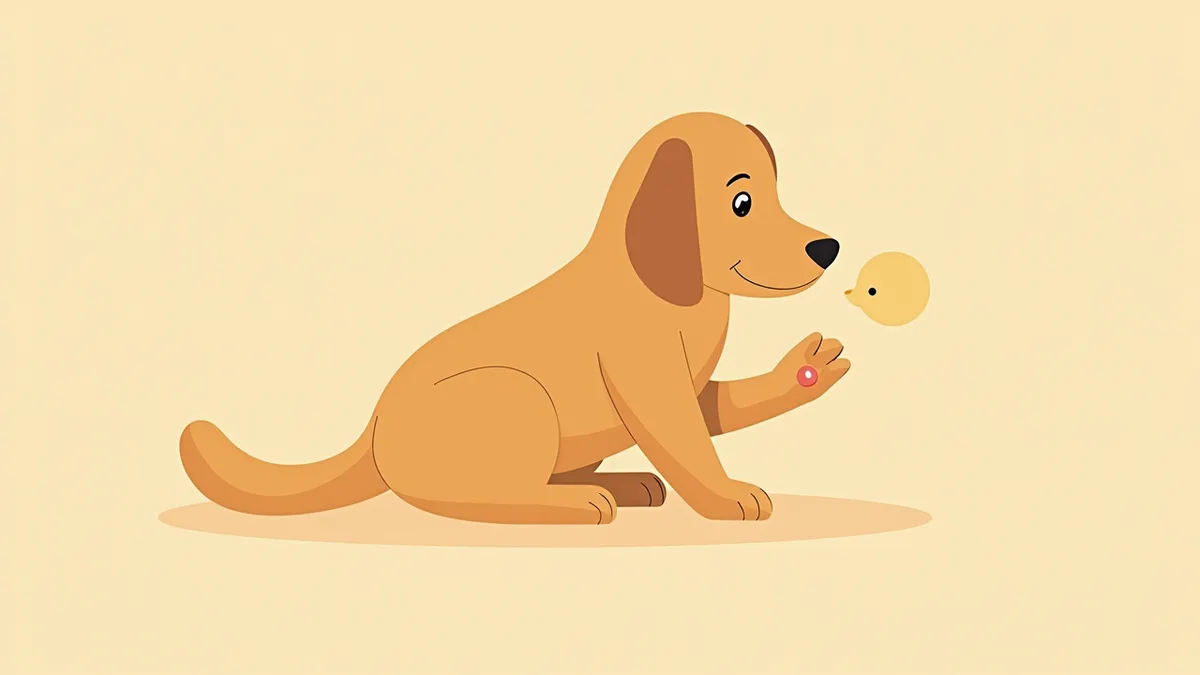
A puppy repeatedly licking its front paw, resulting in red, irritated skin.
Compulsive licking and chewing in dogs is a behavioral issue where the dog repeatedly licks or chews a specific area and cannot stop on its own. Even with distraction, the behavior persists, and it is characterized by repetition severe enough to interfere with normal daily life. The most important point is that this behavior is not merely a habit but can lead to skin damage and infection. Compulsive behaviors tend to worsen over time and appear in an increasing variety of situations; if left untreated, they can result in chronic, ulcerative skin lesions such as acral lick dermatitis or granuloma.

Three Main Causes of Compulsive Licking and Chewing

The causes of compulsive behaviors can be broadly categorized into three main groups.
Physical causes: Physical discomforts such as skin allergies (atopic dermatitis), parasites (e.g., demodex mites), joint pain, anal gland issues, or gastrointestinal distress can lead to repetitive licking. Excessive licking that is not directed at the self may indicate an underlying gastrointestinal issue, so it’s important to rule this out first.
Psychological and environmental causes: Anxiety-inducing situations such as separation anxiety, chronic stress, or sudden changes in the environment can trigger compulsive behaviors. You may also want to review our Separation Anxiety Management Guide.
Neurological causes: Although rare, abnormalities in the brain or nervous system can manifest as repetitive behaviors. In such cases, it is essential to differentiate these from physical causes through proper diagnosis.

Severity Levels of Compulsive Behavior

ItemSymptom CharacteristicsDurationRecommended Response
MildA few times a day, can be redirectedShort and intermittentEnvironmental enrichment/lifestyle improvement
ModerateFrequently repeated, hard to redirectRepetitive/persistentVeterinary consultation needed
SevereAccompanied by skin damage/ulcersRepeated for long periodsVisit a clinic immediately
EmergencySudden onset of compulsion/accompanied by seizuresSudden onsetEmergency care

Severity is judged based on the frequency of the behavior and whether skin damage is present

Compulsive Behavior vs. Normal Licking — Owner Checklist
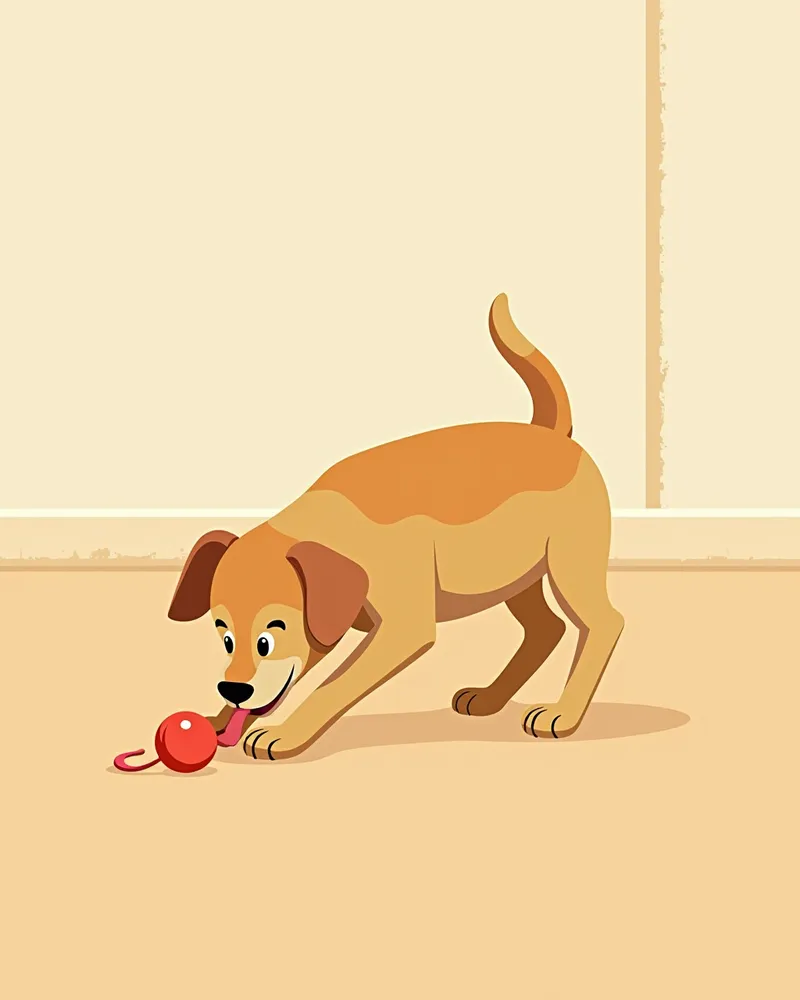
If your dog exhibits two or more of the following signs, consider the possibility of compulsive behavior.
They can’t stop: They continue licking even when called by name or offered a toy.
They focus on specific areas: They obsessively lick only certain spots, such as the paws, ankles, or sides.
Skin changes are visible: You notice hair loss, redness, or hard lumps.
It worsens under stress: The licking becomes more intense when left alone or in unfamiliar environments.
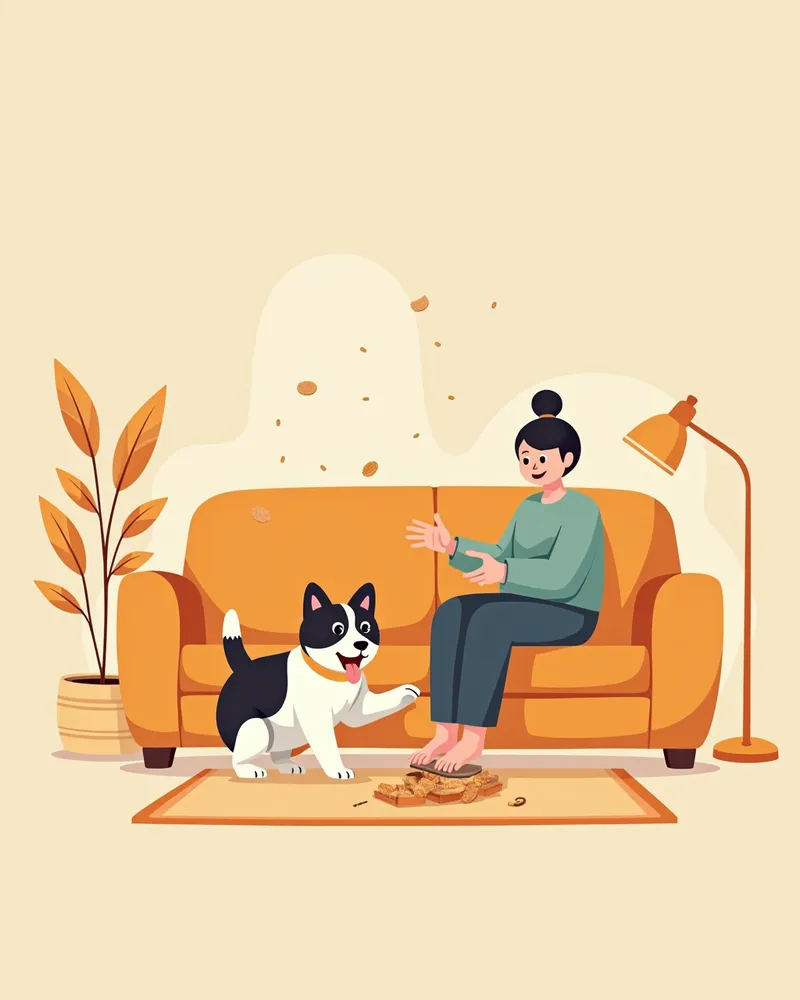
A puppy that continues licking even when the owner tries to distract it

Visit the Vet Immediately If You Notice These Symptoms

Visit a veterinarian immediately if you notice red ulcers or firm lumps (granulomas) on the skin, discharge, odor, or pus from the area being licked, refusal to eat combined with persistent licking, or sudden onset of repetitive, seizure-like behaviors. These symptoms may indicate a neurological disorder or a severe skin infection.

How Is It Diagnosed at the Veterinary Clinic?

The veterinarian first rules out physical causes, starting with skin tests (scrapings, cultures, and allergy patch tests), joint X-rays, anal gland examinations, and blood work. If no physical cause is found, the vet collaborates with a veterinary behavior specialist to diagnose compulsive behavior. During the behavioral history, the vet carefully checks when the behavior started, how long it lasts, what triggers it, and any recent changes in the pet’s living environment. According to veterinary behavior textbooks, diagnosing compulsive behavior requires a comprehensive process rather than relying on a single criterion.

How Is Compulsive Behavior Treated?

Treatment depends on the underlying cause. When there is a physical cause: We start with skin treatment, parasite control, and joint management. Once the physical issue is resolved, licking often decreases. When the cause is psychological or compulsive: Behavioral modification training is key. We encourage alternative behaviors (such as sitting or chewing on toys) instead of licking and provide a rich, stimulating environment. Skin lesions and medication: For dermatitis or infections caused by licking, under veterinary guidance, we may use systemic antibiotics or topical medications along with treatments to protect the affected area. If behavioral modification alone doesn’t improve the condition or if it recurs, your veterinarian may consider medication or refer you to a dermatology or behavior specialist. Medication is most effective when combined with behavioral modification.
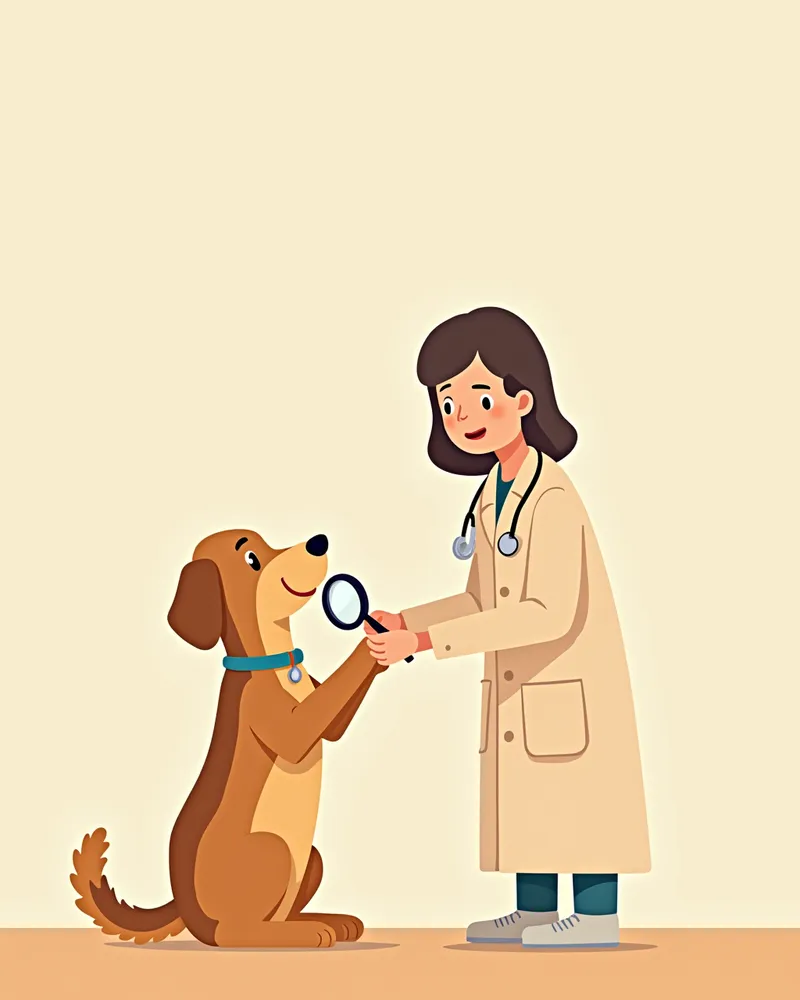
A veterinarian at an animal hospital carefully examining a dog's paw condition.

Home Care Management

Environmental enrichment: Keep your dog from getting bored by incorporating puzzle toys, scent-based exploration games, and regular walks into their routine.
Intervene at the first sign of licking: Instead of ignoring or scolding your dog, gently redirect their attention to something else.
Use protective gear: If the skin damage is severe, use an Elizabethan collar or booties as recommended by your veterinarian.
Keep a log: Recording the frequency, context, and duration of the licking episodes will be greatly helpful for your veterinarian’s diagnosis.
A dog enjoying a puzzle toy while satisfying its urge to lick

Breeds That Require Extra Attention

Acral lick dermatitis (lick granuloma) is most commonly seen in large breeds, particularly Retrievers such as Labrador Retrievers and Golden Retrievers. Shadow-chasing or light-chasing compulsive behaviors are frequently observed in herding breeds like Border Collies and Shetland Sheepdogs. Circling or tail-chasing behaviors are more commonly reported in Bull Terriers and German Shepherds. According to veterinary behavior textbooks, the types of repetitive behaviors vary by breed, so it is advisable to consult a veterinarian with experience in your dog’s specific breed.

Reviewed by a veterinarian

Dr. Tony — Punnawat Phongkittirak

Dr. Tony — Punnawat Phongkittirak

Veterinarian

A veterinarian who majored in veterinary medicine at Khon Kaen University, Thailand, and completed the IVSA program at North Carolina State University in the United States. Drawing on clinical experience at animal hospitals, he works in the pet healthcare field and is dedicated to building a digital care environment that connects pet parents with veterinarians.

Frequently Asked Questions

How can I tell if my pet’s constant paw licking is due to an allergy or a compulsive behavior?
With allergies, itching often affects not just the paws but also the face, ears, and belly. In contrast, compulsive licking tends to worsen significantly during periods of high stress or boredom and typically occurs without other physical symptoms. A veterinary examination is necessary to make an accurate distinction between the two.
Is it okay to scold my pet when it exhibits compulsive behaviors?
Scolding can increase stress and worsen compulsive behaviors. Instead of reprimanding, it’s more effective to redirect your dog’s attention or praise alternative behaviors, such as sitting or fetching a toy.
Can it heal without medication?
In mild cases with a clear environmental trigger, symptoms may improve with environmental modifications and behavior modification alone. However, if the condition is moderate or more severe, or if it recurs, it’s best to consult your veterinarian to determine whether medication should be added to the treatment plan.
How long does treatment take?
The approach varies significantly depending on the underlying cause and severity. Behavioral modification training is not a quick fix; it requires consistent, long-term commitment to yield results. Since compulsive behaviors can worsen over time, ongoing management is essential. Combining these efforts with medication or skin treatments can also be beneficial.
Do compulsive behaviors only occur in certain breeds?
While this condition is more common in large breeds and herding dogs, it can affect any breed. Since both genetic predisposition and environmental factors play a role, managing your dog's living environment can help control compulsive behaviors.

Share

Related Guides

References

[1] Bain, M.J. and Fan, C.M. Animal behavior case of the month. Journal of the American Veterinary Medical Association. 240(6): 673–675. 2012.

[2] Denerolle, P., White, S.D., Taylor, T.S., and Vandenabeele, S.I.J. Organic diseases mimicking acral lick dermatitis in six dogs. Journal of the American Animal Hospital Association. 43(4): 215–220. 2007.

[3] Hewson, C.J., Luescher, U.A., and Ball, R.O. The use of chance-corrected agreement to diagnose canine compulsive disorder. Canadian Journal of Veterinary Research. 63(3): 201–206. 1999.

[4] Overall, K.L. et al. Introduction to Animal Behavior and Veterinary Behavioral Medicine. Wiley-Blackwell. Chapter 17: Compulsive and Repetitive Disorders.

This information is based on veterinary literature and does not replace diagnosis or treatment. Please consult a veterinarian for specific health concerns.

Metapet Co., Ltd. | CEO: Park Sung-yong | Business Reg. No. 417-88-02562 | Seoul, South Korea | Customer Center

Dog Compulsive Licking & Chewing: Causes & Management Q&A | Meongsiljang