

What is Patent Ductus Arteriosus (PDA) in Puppies? — Treatment and Surgical Timing
Patent ductus arteriosus (PDA) in puppies is a congenital heart defect in which the ductus arteriosus, a blood vessel that should close at birth, remains open, placing extra strain on the heart. Early detection and treatment are essential.
What is Patent Ductus Arteriosus (PDA) in Puppies?
Why Does the Ductus Arteriosus Fail to Close?
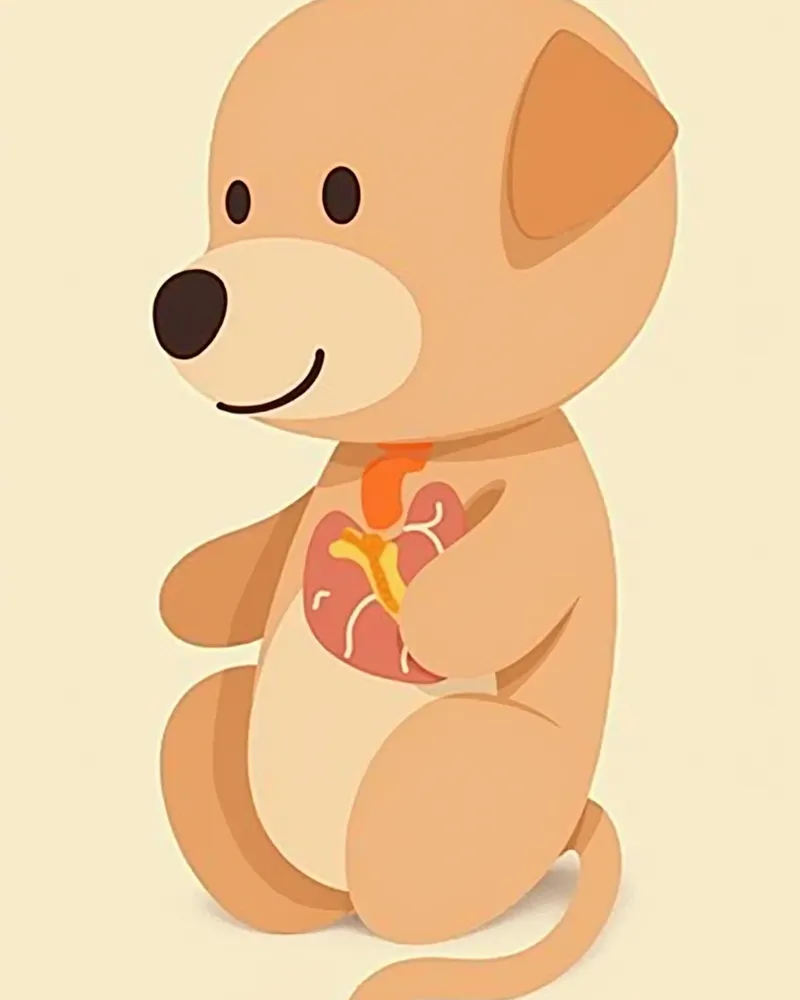
What Are the Main Symptoms of PDA?
Signs Requiring Immediate Veterinary Attention
If your dog is breathing heavily, struggling to catch its breath even after mild exercise, has a bluish tint to its mouth, or suddenly collapses, this is a medical emergency. These signs indicate severe heart dysfunction and require immediate veterinary attention.
How Is PDA Diagnosed?
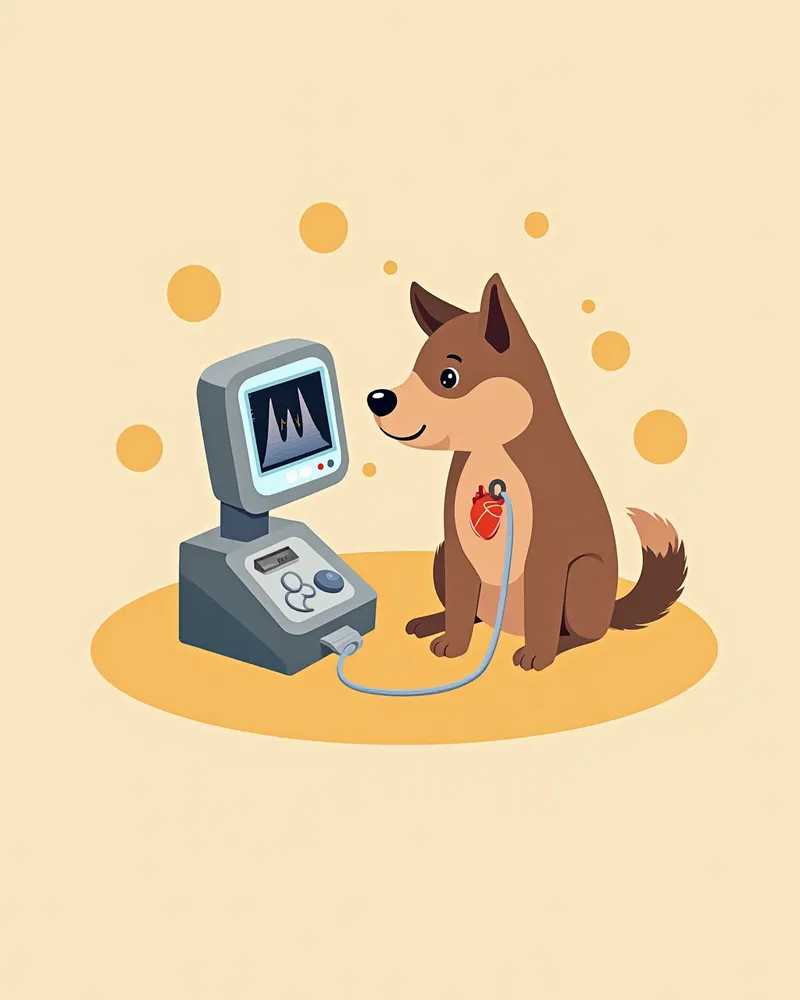
What Are the Treatment Options?

Surgery vs. Catheter Treatment Comparison
| Item | Surgical Treatment | Catheter Treatment |
|---|---|---|
| Recovery Time | 1–2 weeks | 1–3 days |
| Pain Level | Moderate | Low |
| Cost | Approx. $600 | Approx. $900 |
| Suitability | All breeds | Dogs above a certain size |
Catheter treatment offers faster recovery but has size limitations and higher costs. Surgery can be applied universally.
Points to Note: Treatment Timing and Breeds
Early detection and treatment of patent ductus arteriosus (PDA) are crucial. If the abnormal blood flow is corrected before it places excessive strain on the heart, the enlarged heart can often shrink back to normal size, allowing for a good recovery. Particular care should be taken with early screening and selecting the appropriate timing and method of treatment for breeds prone to PDA, such as Chihuahuas, Cocker Spaniels, and Poodles, as well as for female dogs.
Reviewed by a veterinarian

Dr. Tony — Punnawat Phongkittirak
VeterinarianA veterinarian who majored in veterinary medicine at Khon Kaen University, Thailand, and completed the IVSA program at North Carolina State University in the United States. Drawing on clinical experience at animal hospitals, he works in the pet healthcare field and is dedicated to building a digital care environment that connects pet parents with veterinarians.
Reviewed 2026-06-05
Frequently Asked Questions
Can PDA be genetic?
Can it come back after treatment?
Does a heart murmur in a puppy always mean PDA?
If my pet has PDA, can they still go for walks?
How long does treatment for PDA take?
Share
Related Guides
Coenzyme Q10 Benefits and Administration Guide
Dog Pulmonary Edema Warning — 7 Best Diuretics (Furosemide) for Heart Management
7 Best Prescription Diets for Feline Heart Disease Recommended by Veterinarians — Criteria for Choosing Low-Sodium Food
Canine Transitional Cell Carcinoma (Bladder Cancer) FAQ — Key Information for Pet Owners
What Are Spleen Tumors in Dogs? — Differences Between Hemangiosarcoma and Nodular Types and Treatment Approaches
Soft Tissue Sarcoma in Dogs: Frequently Asked Questions — Key Information Every Pet Owner Should Know
Is My Dog’s Cough a Sign of Lung Cancer? — Symptoms of Lung Metastasis and When to Visit the Vet

A Lump on Your Dog’s Butt? — Benign vs. Malignant Perianal Gland Tumors and How to Handle Them
Can dog cancer pain be reduced at home? — Palliative care and when to visit the vet

What is Canine Osteosarcoma? — Early Signs and Key Information for Pet Owners
References
[1] Textbook of Cardiovascular Medicine in Dogs and Cats, 2020
[2] Notes on Canine Internal Medicine, 4th Ed, 2018
[3] The Veterinary Workbook of Small Animal Clinical Cases, Case 39, 2021