
Dog Diuretic (Furosemide) Heart Disease FAQs — Key Information for Pet Owners
We’ve compiled the most common questions pet owners have about furosemide, a medication frequently used to treat heart disease in dogs. We’ll cover everything you need to know, including side effects, how to administer it, and important precautions.
Dog Diuretic (Furosemide) Heart Disease: Key Answers
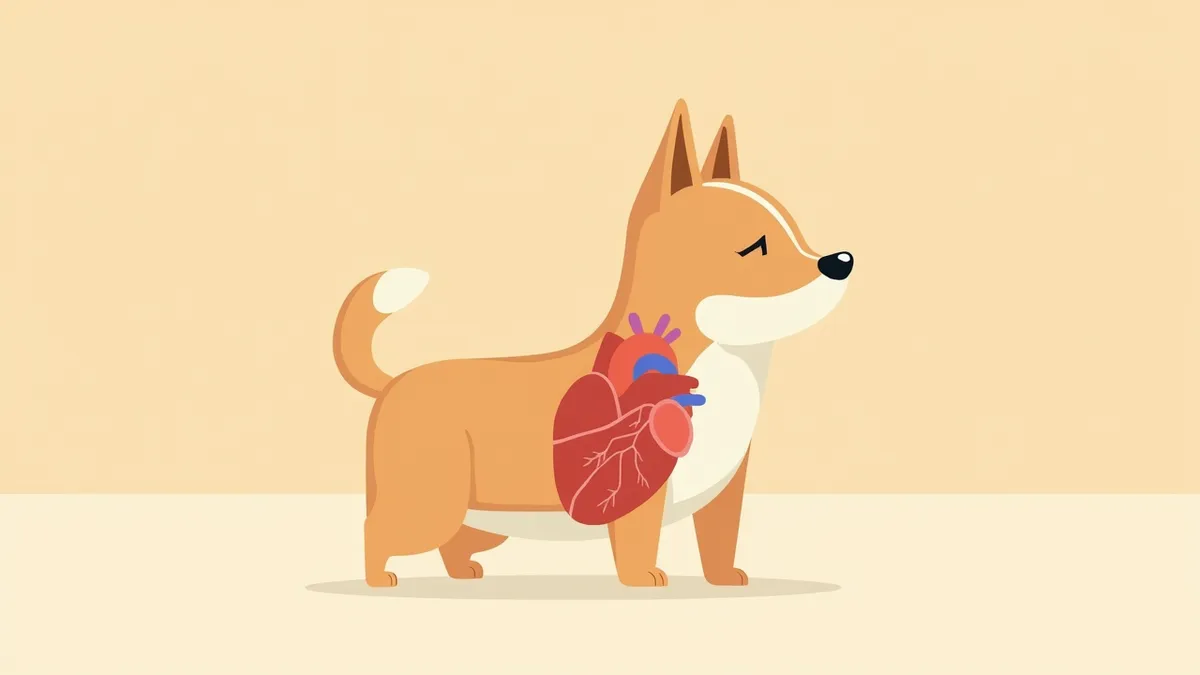
How Furosemide Works on the Heart
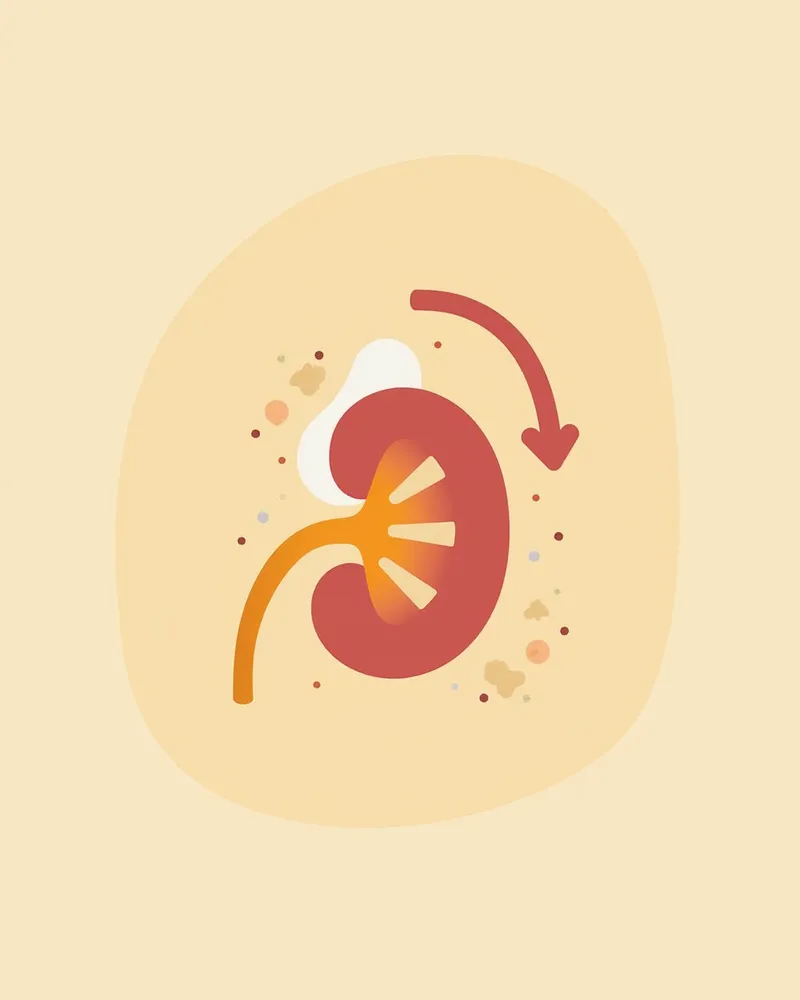
4 Symptoms to Watch for While Taking Diuretics

Symptoms Requiring Immediate Veterinary Visit
If you notice these symptoms, consult your veterinarian immediately, as they could indicate a serious adverse reaction.
Administration Schedule and Method: Owner Checklist

Precautions for Drug Interactions
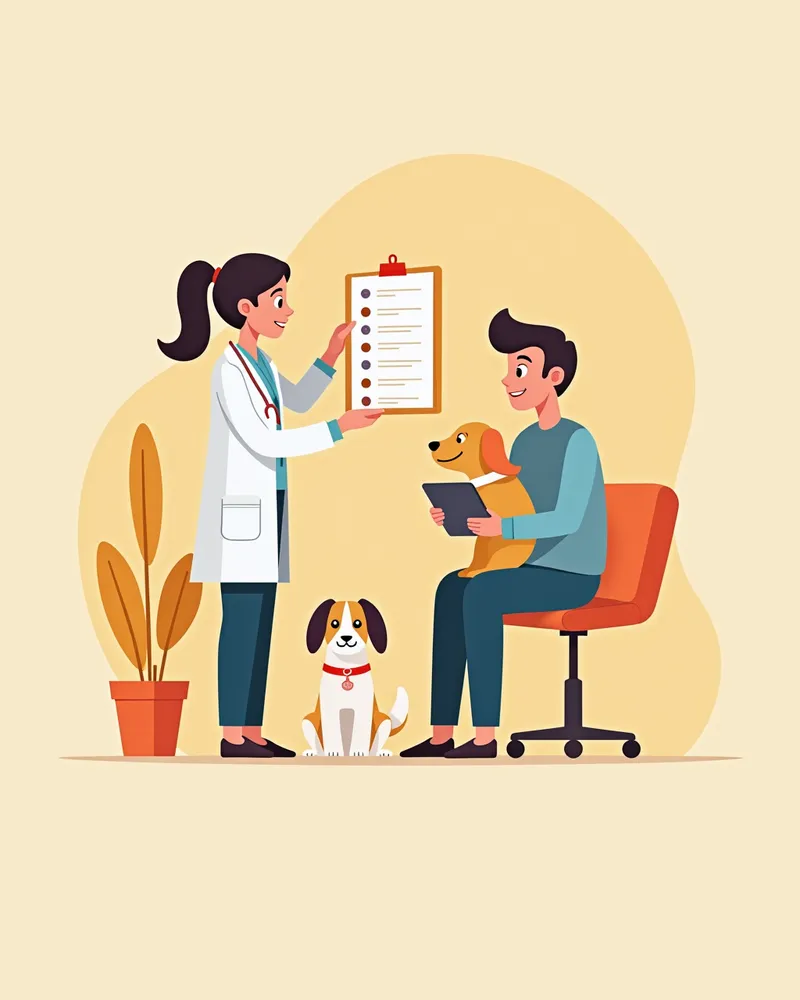
Comparison of Precautions for Furosemide Administration by Time
| Item | Timing of Administration | Precautions | How to Respond |
|---|---|---|---|
| Early treatment (days 1–3) | Strong diuretic effect, increased urination frequency | Watch for dehydration and electrolyte changes | Record urine output and water intake |
| Mid-term (1–4 weeks) | Reduced side effects, sustained effect | Regular checkups needed | Check electrolytes via blood test |
| Long-term use (1 month or more) | Possible decline in kidney function | Regular checkups essential | Adjust dosage after consulting your veterinarian |
Precautions vary depending on the duration of administration, so regular checkups are important.
Items to Check Before Administration
This medication must not be used without a veterinarian’s prescription. Always consult your veterinarian before use and inform them of any underlying health conditions.
Reviewed by a veterinarian

Dr. Tony — Punnawat Phongkittirak
VeterinarianA veterinarian who majored in veterinary medicine at Khon Kaen University, Thailand, and completed the IVSA program at North Carolina State University in the United States. Drawing on clinical experience at animal hospitals, he works in the pet healthcare field and is dedicated to building a digital care environment that connects pet parents with veterinarians.
Reviewed 2026-06-03
Frequently Asked Questions
Is furosemide a heart medication?
What happens if I stop giving this medication?
My pet is urinating too frequently. Is that normal?
My pet collapsed after taking this medication. Why did that happen?
Can furosemide be taken together with other medications?
Share
Related Guides

Coenzyme Q10 Benefits and Administration Guide
Dog Pulmonary Edema Warning — 7 Best Diuretics (Furosemide) for Heart Management
7 Best Prescription Diets for Feline Heart Disease Recommended by Veterinarians — Criteria for Choosing Low-Sodium Food

When Are Newborn Puppies and Kittens in an Emergency? — A Guide to Critical Warning Signs You Must Not Miss

Dental Diets: Do They Really Prevent Tartar? — Efficacy and How to Choose Correctly

How to Choose a Skin and Coat Diet: Selection Criteria Based on Ingredients
The Meaning of Cat Hunting Behavior and How to Satisfy It
What Is Your Cat’s Play Style? — How to Match Stimulation to Personality

How to Change Kidney Diets for Senior Cats — Key Stage-by-Stage Feeding Guide
Feline Cholangitis and Cholangiohepatitis Guide: From Symptoms to Treatment
References
[1] Atkins, C. et al. (2020). Notes on Canine Internal Medicine, 4th Ed. Elsevier.
[2] Textbook of Cardiovascular Medicine in Dogs and Cats (2021). Wiley-Blackwell.
[3] Plumb's Veterinary Drug Handbook, 9th Ed. (2022). Wiley.