
Like
Share
멍실장
강아지 심부전 병기(ACVIM 분류) 자주 묻는 질문 Q&A — 보호자가 꼭 알아야 할 핵심

What are the stages of canine heart failure (ACVIM classification)? — At which stage is treatment necessary?

HeartQ&AMeongsiljang Veterinary Advisory Board

Management of canine congestive heart failure varies by stage according to ACVIM guidelines. Here’s a summary of the key information pet owners need to understand.

What are the stages of canine heart failure (ACVIM classification)?

An anatomical illustration depicting Stage 4 of canine heart failure according to the ACVIM classification system.
The ACVIM classification system for canine heart failure stages divides the condition into four stages—A, B, C, and D—based on the progression of heart disease and the presence or absence of symptoms. Accurate staging is crucial because treatment strategies and management approaches vary by stage.
Stage A: Dogs at high risk for heart disease due to breed or other factors, but with no structural heart disease present.
Stage B: Dogs with structural heart abnormalities (e.g., valvular regurgitation) but no signs of heart failure. This stage is further divided into B1, with minimal cardiac enlargement, and B2, with marked left atrial and left ventricular enlargement.
Stage C: Dogs that have experienced current or past signs of congestive heart failure, such as coughing or difficulty breathing.
Stage D: Dogs with advanced heart failure that does not respond well to standard treatment, requiring intensive care.

How do the stages differ?

Heart condition and symptoms vary by ACVIM stage. Stages A and B are asymptomatic, whereas stages C and D present with signs of congestive heart failure.
Stage A: There are no structural heart abnormalities, but the risk of developing heart disease is high. Regular check-ups help manage this risk.
Stage B: Structural changes in the heart (such as valvular regurgitation or cardiac enlargement) are present, but there are still no clinical signs. If left atrial or left ventricular enlargement is pronounced, it is classified as Stage B2.
Stage C: Signs of heart failure, such as coughing, shortness of breath, and fatigue after exercise, appear and impact daily life.
Stage D: The condition does not respond well to standard therapy, and symptoms like shortness of breath at rest or pulmonary edema may occur, requiring immediate treatment.
Comparison diagram of a normal heart and a heart with heart failure

How do diagnostic methods vary by stage?
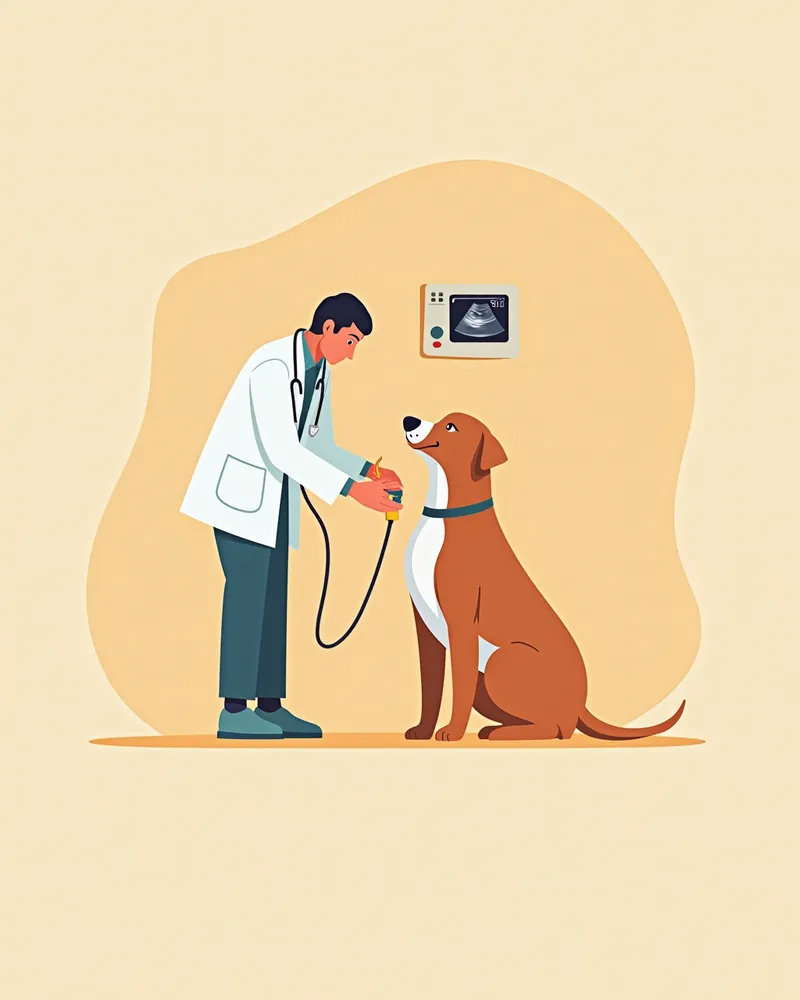
Diagnostic and monitoring approaches vary depending on the disease stage, with echocardiography and thoracic radiographs serving as the cornerstone of evaluation.
Stage A: Although no structural abnormalities are present, the risk is high; therefore, regular physical examinations and auscultation are performed to check for the development of heart murmurs.
Stage B: Echocardiography is used to assess valve condition and the size of the left atrium and left ventricle. Distinguishing between B1 and B2 is crucial for determining treatment.
Stage C: Thoracic radiographs are used to identify pulmonary edema and congestion, while echocardiography helps determine the cause of heart failure.
Stage D: In addition to echocardiography and thoracic radiographs, electrocardiography (ECG) and blood and electrolyte tests are performed as needed.
Scene of a puppy undergoing an echocardiogram (ultrasound of the heart)

Comparison of treatment strategies by ACVIM stage

ItemMain TreatmentExample MedicationsManagement Points
ARisk management and preventionGenerally no drug therapyRegular checkups, auscultation and echocardiographic follow-up
BProgression monitoring (medication starts at B2)Pimobendan, etc., at B2 with marked cardiac enlargement (at veterinarian's discretion)Regular echocardiography, low-salt diet and dietary control
CRelief of congestive heart failure symptomsACE inhibitor + diuretic + pimobendanFluid and salt control, observation of respiratory status
DIntensive management of refractory heart failureACE inhibitor + diuretic + pimobendan (dose adjustment) + oxygen therapyHospitalization and detailed monitoring, electrolyte tracking

Treatment is determined by the veterinarian based on body weight and condition. Do not stop medication on your own.

How does the prognosis vary by stage?
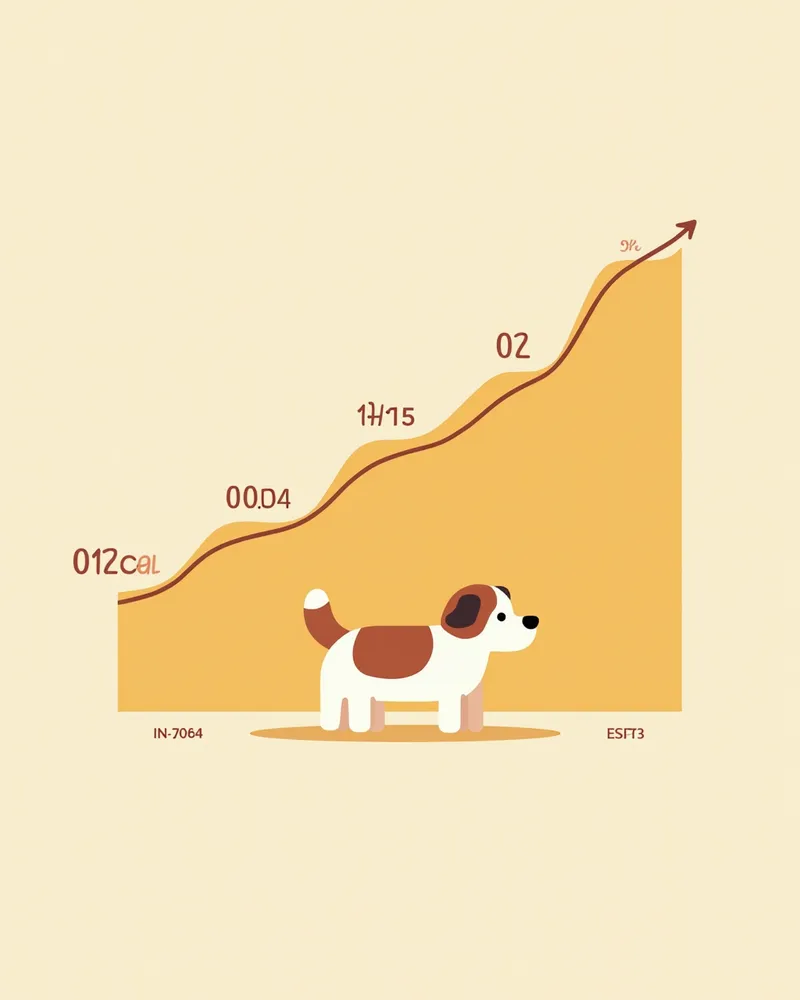
The prognosis varies depending on the ACVIM stage. The rate of progression differs significantly among individual dogs, and some may never develop signs of heart failure throughout their lives.
Stage A: This stage is characterized by the absence of heart disease. It is important to manage risk factors and undergo regular check-ups.
Stage B: Even with valve regurgitation, many dogs compensate well for several years. Progression is influenced by age, breed, sex, the severity of regurgitation, and the degree of left atrial and left ventricular enlargement.
Stage C: This stage involves the appearance of heart failure symptoms, requiring consistent medication and management. The prognosis varies from dog to dog.
Stage D: This is an advanced stage that does not respond well to standard treatment. Nevertheless, the goal is to improve quality of life through appropriate care.
ACVIM staging survival rate trend graph

Signs requiring immediate veterinary visit

If your dog starts breathing heavily or coughing severely, take them to the vet immediately. This could be a sign that their heart failure is worsening.

What are the management tips by stage?

Management approaches vary depending on the stage of the disease. Consistent care from pet owners helps maintain your dog’s quality of life.
Stage A: This is a high-risk stage, so regular check-ups and auscultation should be performed at intervals recommended by your veterinarian.
Stage B: Monitor disease progression through echocardiograms and pay close attention to diet and sodium intake. A low-sodium diet may help reduce congestion.
Stage C: Avoid strenuous exercise and regulate activity levels with short walks. Frequently monitor your dog’s breathing.
Stage D: Oxygen supplementation or additional care may be necessary. Always consult with your veterinarian before proceeding with any treatment.
Managing walks for dogs with stage III to IV heart failure

Precautions during medication

When your pet is taking ACE inhibitors, diuretics, or spironolactone, electrolyte levels—especially potassium—can change, so regular blood tests are necessary to monitor these levels. If you notice any abnormalities such as lethargy, loss of appetite, or sudden collapse, contact your veterinarian immediately. Do not stop the medication without consulting your vet.

Reviewed by a veterinarian

Dr. Tony — Punnawat Phongkittirak

Dr. Tony — Punnawat Phongkittirak

Veterinarian

A veterinarian who majored in veterinary medicine at Khon Kaen University, Thailand, and completed the IVSA program at North Carolina State University in the United States. Drawing on clinical experience at animal hospitals, he works in the pet healthcare field and is dedicated to building a digital care environment that connects pet parents with veterinarians.

Frequently Asked Questions

Even if there are no symptoms, as in Stage A or Stage B, is treatment still necessary?
Stage A is typically managed with regular check-ups rather than medication. However, in Stage B2, where there is clear enlargement of the left atrium and left ventricle, medication may be started. The veterinarian will determine the appropriate course of action based on the stage and condition.
Is it possible to take walks at stage C?
Short walks are fine, but if your pet seems to be panting heavily or showing signs of fatigue, stop immediately and allow them to rest.
What kind of medication is Pimobendan?
Pimobendan is a medication that strengthens the heart's contraction. It is used in dogs with congestive heart failure (stages C and D) and those in stage B2 with significant heart enlargement.
Why are diuretics often prescribed?
Diuretics help remove excess fluid from the body, alleviating pulmonary congestion and difficulty breathing. It is normal for your pet to urinate more frequently while taking this medication.
Why is communication with your veterinarian important in Stage D?
Stage D can change rapidly. Regular check-ups and consultations help improve treatment effectiveness and quality of life.

Share

Related Guides

References

[1] Braun et al. (2021) Textbook of Cardiovascular Medicine in Dogs and Cats. 4th ed. Wiley-Blackwell.

[2] Kittleson et al. (2019) Handbook of Veterinary Pharmacology. 3rd ed. Elsevier.

[3] American College of Veterinary Internal Medicine (ACVIM) Consensus Statement on Canine Heart Failure (2020). Journal of Veterinary Internal Medicine, 34(3), 1021–1035.

This information is based on veterinary literature and does not replace diagnosis or treatment. Please consult a veterinarian for specific health concerns.

Metapet Co., Ltd. | CEO: Park Sung-yong | Business Reg. No. 417-88-02562 | Seoul, South Korea | Customer Center

Canine Heart Failure Stages (ACVIM): When Is Treatment Needed? | Meongsiljang