
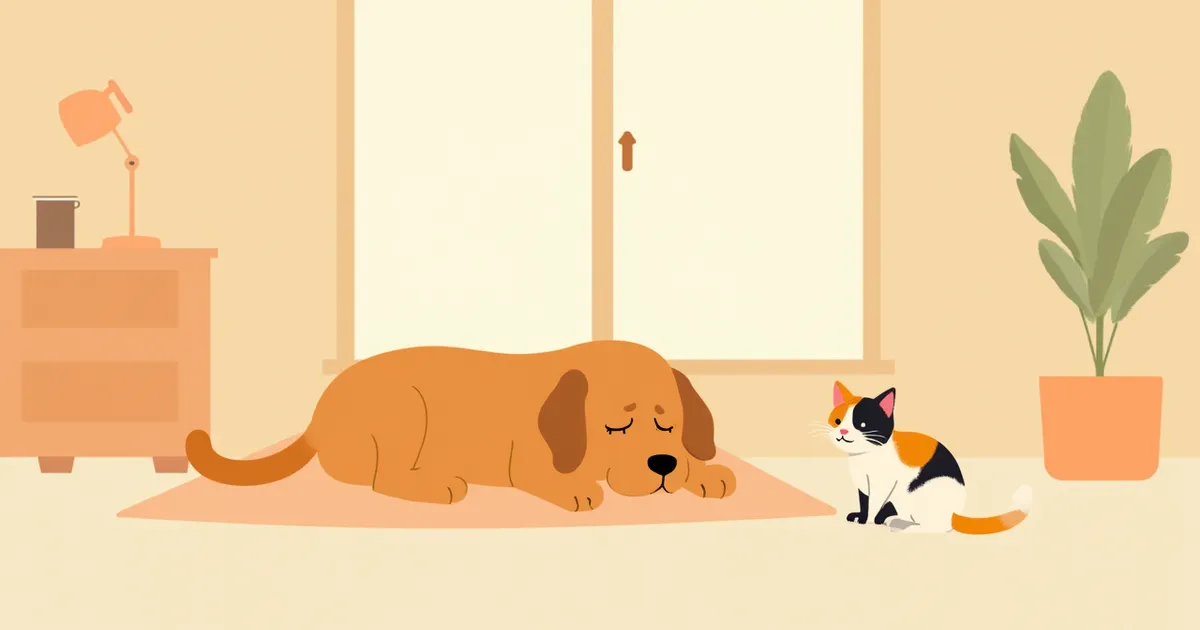
Is Your Lethargic Pet Depressed? — Warning Signs and How to Respond
Pets can experience depression just like humans. We’ve compiled evidence-based insights from veterinary behavioral medicine on warning signs such as loss of appetite, lethargy, and hiding, along with practical steps you can take at home.
What Is Pet Depression? Check the Key Signs
Why Do Pets Get Depressed? 5 Main Causes
Comparing Depression Signs in Dogs vs. Cats
| Item | Dog | Cat |
|---|---|---|
| Decreased activity | Refusing walks and play | Reduced jumping and exploring behavior |
| Change in appetite | Refusing even treats | Starting to leave food |
| Sleep pattern | Lying down all day | Sleeping longer than usual |
| Sociability | Avoiding family | Hiding under the bed for long periods |
| Grooming | Indifference to grooming | Excessive grooming or ceasing to groom |
| Vocalization | Sighing and whimpering | Nighttime crying or going silent |
If it persists for more than 2 weeks, a veterinary consultation is needed
7 Depression Signs to Check at Home

When to Visit the Vet Immediately
If your pet refuses food and water for more than 24 hours, especially when accompanied by dehydration, rapid weight loss, or unresponsiveness, it is likely an internal medical condition rather than simple depression. Cats, in particular, can deteriorate quickly if they stop eating for an extended period, so prolonged anorexia should be evaluated promptly without delay. If non-specific signs such as fever, weight loss, or lethargy are present, underlying physical illness should be suspected, and veterinary care is necessary. Additionally, sudden onset of aggression, disorientation, or seizures may indicate life-threatening neurological issues, requiring immediate veterinary attention.
5 Steps You Can Take at Home
How Is It Diagnosed at the Veterinary Clinic?
Situations Requiring Special Attention
Sudden behavioral changes in senior pets may not simply be depression; they can signal underlying pain, internal medical conditions, or age-related changes. If your pet is disoriented at night or has trouble recognizing family members, please consult a veterinarian or a veterinary behaviorist rather than trying to diagnose the issue yourself. Additionally, after major life changes such as the loss of a family member, providing more companionship and avoiding sudden environmental changes can help your pet feel stable and recover. If behavioral changes persist without improvement, don’t delay—seek veterinary care to identify the underlying cause.
Reviewed by a veterinarian

Dr. Tony — Punnawat Phongkittirak
VeterinarianA veterinarian who majored in veterinary medicine at Khon Kaen University, Thailand, and completed the IVSA program at North Carolina State University in the United States. Drawing on clinical experience at animal hospitals, he works in the pet healthcare field and is dedicated to building a digital care environment that connects pet parents with veterinarians.
Reviewed 2026-04-29
Frequently Asked Questions
How long does it take for a pet to recover from depression?
Will getting a new puppy or kitten help relieve depression?
Can cats get depressed too?
Do pets need to take antidepressant medication for the rest of their lives?
My dog refuses to go for walks. Should I force him to go outside?
Share
Related Guides

7 Behavioral Enrichment Strategies for Mental Stimulation Recommended by Veterinarians
Top 5 Recommended Cognitive Supplements for Cats in 2026
Top 5 Calming Supplements for Dogs and Cats in 2026
What is the Pancreatitis SNAP Test? How to Interpret Results and Accuracy
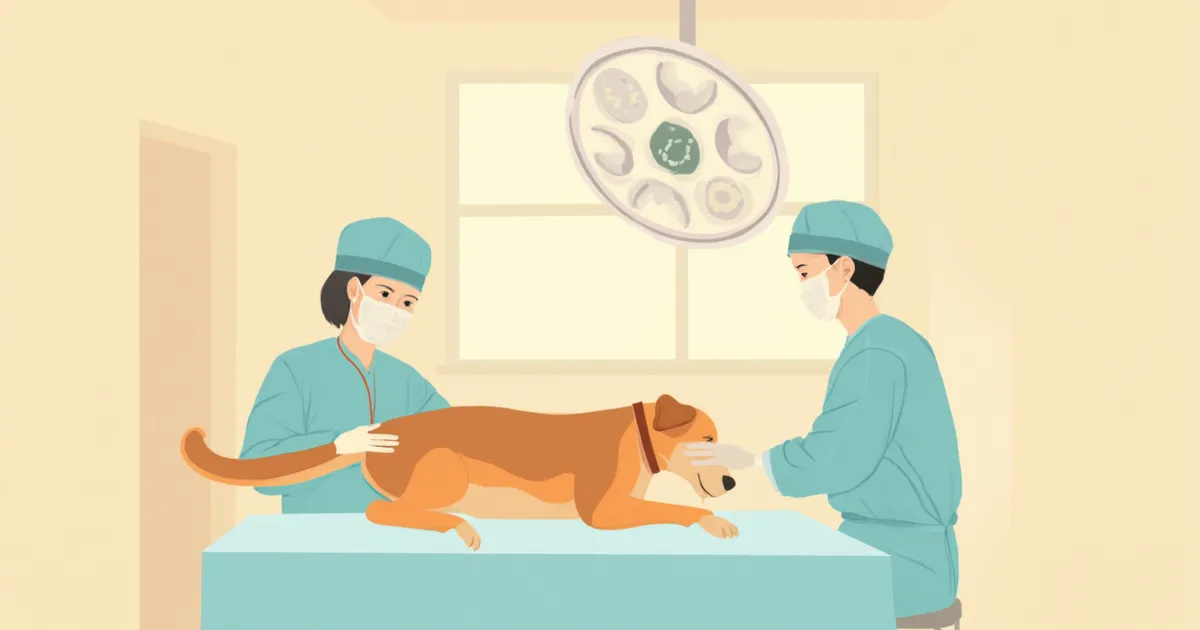
Gastric Dilatation-Volvulus (GDV) Surgical Process
Why Does Your Cat Zoom at 3 AM? — How to Calm Them Down
What Changes in Middle-Aged Cats (7–10 Years)? — Essential Health Care
Metronidazole Antibiotic and Antiprotozoal

What Is a Veterinary Medical Consent Form? — A Guide to Owner Rights Before Surgery and Euthanasia
How to Safely Administer Prescribed Medication at Home
References
[1] Landsberg, G., Hunthausen, W., Ackerman, L. Behavior Problems of the Dog and Cat, 4th Edition, 2024
[2] Horwitz, D.F., Mills, D.S. BSAVA Manual of Canine and Feline Behavioural Medicine, 2nd Edition, 2020
[3] Rodan, I., Heath, S. Feline Behavioral Health and Welfare, 2016
[4] Hewson, C.J., Luescher, U.A., Ball, R.O. The use of chance-corrected agreement to diagnose canine compulsive disorder, Can. J. Vet. Res. 63(3): 201-206, 1999