
Like
Share
멍실장
고양이 혈뇨 자주 묻는 질문 Q&A — 보호자가 꼭 알아야 할 핵심

Frequently Asked Questions About Hematuria in Cats — Key Points Pet Owners Must Know

UrinaryQ&AMeongsiljang Veterinary Advisory Board

Hematuria in cats is not just a simple symptom; it can be a sign of a serious underlying condition. Here are the key questions and answers that pet owners should know.

What Are the Main Causes of Hematuria in Cats?
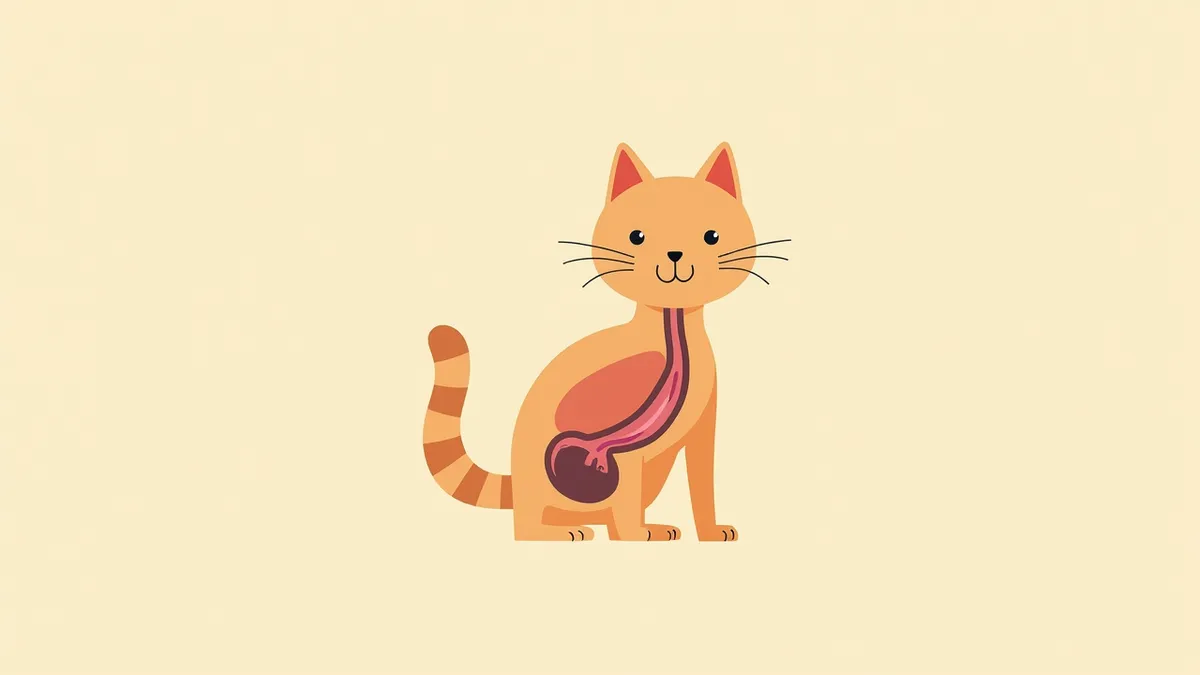
Diagram of the feline urinary tract, highlighting areas where hematuria may occur
Hematuria in cats is a condition where blood appears in the urine, and it can be caused by various factors such as idiopathic cystitis, urinary tract infections, urinary stones, urinary tract injuries, coagulation disorders, kidney diseases, and urinary tract tumors. In particular, idiopathic cystitis (idiopathic lower urinary tract disease), where no bacteria are detected, is known to be the most common cause in cats. - Idiopathic Cystitis: This is a sterile hemorrhagic cystitis without bacterial involvement, and stress is a frequent trigger. Risk factors include multi-cat households, indoor living, and obesity. - Urinary Tract Infection: This is an inflammation caused by bacteria, which can lead to pain and difficulty urinating. Urine tests and cultures are necessary to identify the pathogen. - Urinary Stones: Minerals in the urine can solidify, irritating or blocking the urinary tract. Male cats are at higher risk of urinary obstruction. - Urinary Tract Injury: The urinary tract lining can be damaged due to trauma (e.g., tail traction injury) or repeated insertion of urethral catheters. - Coagulation Disorders: Conditions such as low platelet counts or deficiencies in clotting factors can lead to systemic bleeding or hematuria. - Kidney Disease: Hematuria can also occur due to diseases in the upper urinary tract, such as the kidneys or ureters. It is essential to consult a veterinarian to accurately determine the underlying cause.

Summary of the Main Causes of Hematuria

The most common cause of hematuria in cats is idiopathic cystitis (idiopathic lower urinary tract disease), a condition in which no bacteria are detected. Urinary tract infections and uroliths are also frequent causes, while coagulopathies, kidney disease, and urinary tract tumors can contribute as well. Male cats are at particularly high risk for urinary obstruction, so if hematuria is accompanied by difficulty urinating, immediate veterinary attention is required.
Idiopathic cystitis: This is a sterile, hemorrhagic inflammation of the bladder with no detectable bacteria. Stress is a common trigger, and the condition is characterized by frequent recurrences.
Urinary tract infection: This bacterial inflammation can cause pain during urination. Symptoms commonly include frequent urination, difficulty urinating, and pain.
Uroliths: Minerals in the urine can harden into stones that irritate or block the urinary tract. They are a primary cause of urinary obstruction, especially in male cats.
Urinary tract trauma: Injury to the urinary tract can result from trauma (such as tail-pull injuries) or repeated urethral catheterization. Symptoms may include hematuria, pain, and restricted movement.
Coagulopathies: Conditions such as thrombocytopenia or clotting factor deficiencies can cause systemic bleeding. These disorders may be accompanied by a bleeding tendency, as seen in immune-mediated thrombocytopenia.
Cancer: Tumors in the urinary tract or kidneys can cause bleeding. Signs may include persistent hematuria, weight loss, and decreased appetite.
A comparative diagram of the urinary tract in cats with urinary tract infections and uroliths

What Should You Do If Your Cat Develops Hematuria?

If you notice blood in your cat’s urine, consult a veterinarian immediately. Here are some signs you can monitor at home: First, keep a record of your cat’s urination frequency, urine volume, any signs of pain, and changes in activity level. If possible, collect a urine sample in a clean container and bring it to the clinic as soon as possible—this can greatly assist with diagnosis. Using non-clumping, veterinary-grade litter (available at your clinic) makes sample collection much easier. Never attempt self-diagnosis or administer medication on your own. A veterinarian must identify the exact cause and begin appropriate treatment.
A clean container and a record notebook for collecting a cat's urine sample

Comparison of Characteristics and Management by Cause of Hematuria

ItemMain SymptomsDiagnostic MethodTreatment Direction
Urinary Tract InfectionDifficulty urinating, frequent urination, strong urine odor, painUrinalysis, checking for pain during urination, urine culture if necessaryAntibiotic administration, fluid supplementation, removal of the cause
UrolithSudden stopping during urination, decreased urine volume, hematuria, painRadiography, ultrasound, urinalysis, lesion biopsy if necessaryDietary control, surgical removal, drug therapy, recurrence prevention strategy
Urinary Tract InjuryImmediate hematuria after trauma, pain, restricted movement, urination difficultyConfirming trauma history, imaging examination, urinalysisRest, pain relief, surgery if necessary, removal of the cause
Coagulation DysfunctionSkin bleeding, nosebleeds, multiple episodes of hematuria, bleeding tendencyBlood test, platelet count, coagulation time measurementTreating the cause, use of immunosuppressants, administration of blood products if necessary
CancerWeight loss, decreased appetite, persistent hematuria, fatigueUltrasound, CT scan, biopsy, blood testSurgery, radiation, chemotherapy, customized treatment based on tumor characteristics

Since the treatment period and prognosis differ depending on each cause, accurate diagnosis is essential.

Signs That Require Immediate Veterinary Visit

If your cat has blood in its urine along with any of the following symptoms, seek veterinary care immediately: straining or showing pain while urinating, being unable to pass urine at all, repeatedly attempting to urinate with little or no output, loss of appetite, or appearing collapsed and shock-like. Male cats are especially at risk, as urinary obstruction can be life-threatening and requires veterinary attention within 24 hours. Even if the blood in the urine temporarily disappears, the underlying cause may still be present, so close monitoring is essential.

What Diagnostic Tests Does the Veterinarian Perform for Hematuria?

To accurately identify the cause of hematuria, several diagnostic tests are necessary. First, a urinalysis is performed to check for red blood cells, bacteria, and protein, and if infection is suspected, a urine culture is conducted to identify the specific pathogen. Imaging studies, such as ultrasound or radiographs, are used to detect stones or tumors in the urinary tract, while blood tests evaluate kidney function and coagulation status. In severe cases, a biopsy may be performed to analyze tissue samples. Whenever possible, urine should be collected via ultrasound-guided cystocentesis to minimize contamination and improve the reliability of test results. All procedures are carried out with the cat’s safety as the top priority.
A veterinarian performing an abdominal ultrasound on a cat

Management Points After Treatment for Hematuria
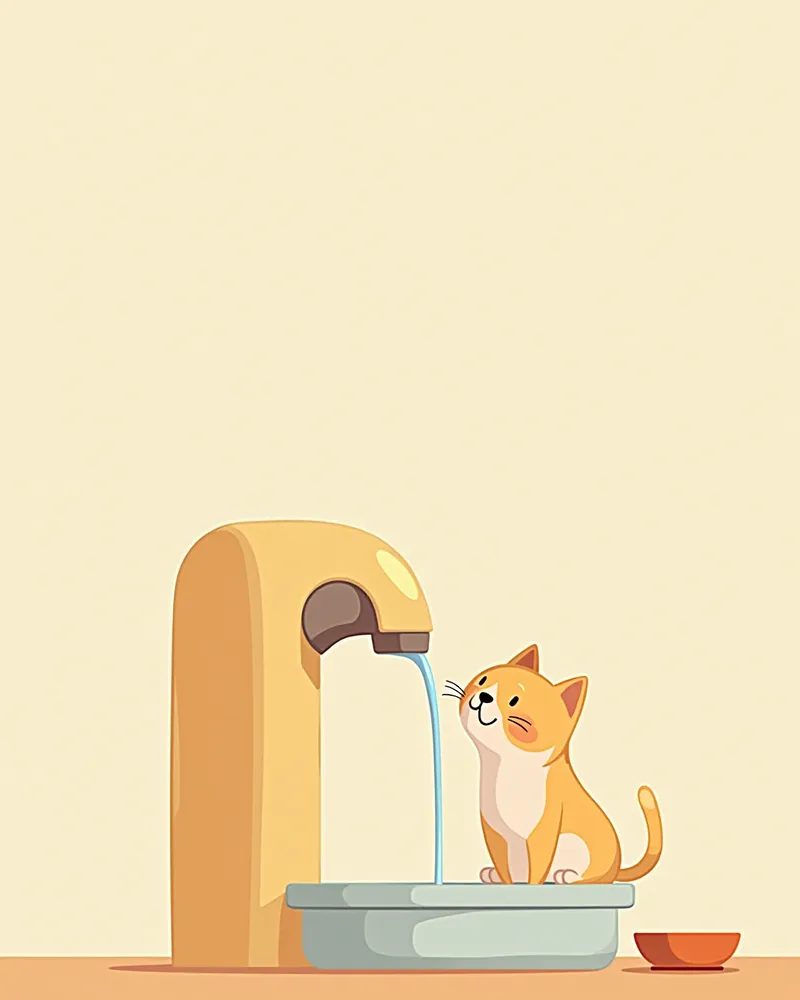
Consistent care remains essential even after treatment. It’s important to complete the full course of antibiotics to prevent recurrence. If your cat has urinary stones, dietary management with a specialized prescription diet is necessary. To encourage adequate hydration, place multiple water bowls around the home so your cat can drink frequently. Clean the litter box at least once daily and keep it tidy to ensure your cat feels comfortable using it. Regular veterinary check-ups are crucial for monitoring your cat’s condition, and you should visit the clinic immediately if you notice any abnormal signs. To prevent recurrence, it’s important to review your cat’s overall lifestyle and minimize stress factors.
A cat drinking water from a spray bottle, with a clean litter box and water bowl placed nearby.

Points to Note for Preventing Recurrence

Hematuria, or blood in the urine, is a symptom that tends to recur frequently. Cats with a history of urinary stones are particularly prone to recurrence. To help prevent this, ensure your cat stays well-hydrated and feed a diet specifically formulated for feline urinary health. Clean the litter box at least once daily and place it in a quiet, preferred location. Maintaining a stable environment and consistent daily routine is essential to minimize stress. Even if the hematuria resolves, the underlying cause may not be fully addressed, so regular veterinary check-ups are necessary to monitor for recurrence.

Reviewed by a veterinarian

Dr. Tony — Punnawat Phongkittirak

Dr. Tony — Punnawat Phongkittirak

Veterinarian

A veterinarian who majored in veterinary medicine at Khon Kaen University, Thailand, and completed the IVSA program at North Carolina State University in the United States. Drawing on clinical experience at animal hospitals, he works in the pet healthcare field and is dedicated to building a digital care environment that connects pet parents with veterinarians.

Frequently Asked Questions

My cat’s blood in the urine suddenly disappeared. Should I still go to the vet?
Even if blood in the urine disappears, the underlying cause may not be fully resolved. In particular, if kidney stones or cancer are present, symptoms may temporarily subside and then reappear, so we recommend consulting with your veterinarian for further testing.
My cat is passing blood in its urine, but the act of urination itself seems normal. Is this okay?
Even if your pet is urinating normally, blood in the urine can be a sign of a serious underlying issue. Since it’s impossible to make an accurate assessment without a urinalysis, it’s safest to have your pet examined by a veterinarian.
Will giving my cat more water at home reduce hematuria?
Increasing water intake supports urinary tract health. However, if hematuria is caused by infection or uroliths, water alone is not sufficient for treatment, so a veterinary consultation is essential.
Is hematuria in cats exclusive to felines?
Hematuria, or blood in the urine, can occur in both cats and dogs. However, because cats are at a higher risk of urinary tract obstruction, any occurrence of hematuria requires prompt veterinary attention.
If my pet has blood in their urine, can I give them medication at home?
Absolutely not. Administering medication without knowing the cause of the hematuria can worsen the condition. A veterinarian must make an accurate diagnosis before prescribing treatment.

Share

Related Guides

References

[1] Clinical Medicine of the Dog and Cat, 4th Ed. Elsevier, 2023.

[2] The Veterinary Workbook of Small Animal Clinical Cases. Wiley-Blackwell, 2022.

[3] American Association of Feline Practitioners (AAFP). Feline Urinary Tract Health Guidelines, 2021.

This information is based on veterinary literature and does not replace diagnosis or treatment. Please consult a veterinarian for specific health concerns.

Metapet Co., Ltd. | CEO: Park Sung-yong | Business Reg. No. 417-88-02562 | Seoul, South Korea | Customer Center

Feline Hematuria: Causes, Treatment, and 5 FAQs | Meongsiljang