Like
Share
멍실장
척수 척수염(SRMA) 증상과 치료

Symptoms and Treatment of Steroid-Responsive Meningoarteritis (SRMA)

Brain & CognitionQ&AMeongsiljang Veterinary Advisory Board

We’ve put together a clear, easy-to-understand guide for pet owners on the key symptoms, diagnostic steps, treatment, and care tips for steroid-responsive meningoarteritis (SRMA), a condition that commonly affects young large-breed dogs.

What is Steroid-Responsive Meningoarteritis (SRMA) in Dogs?

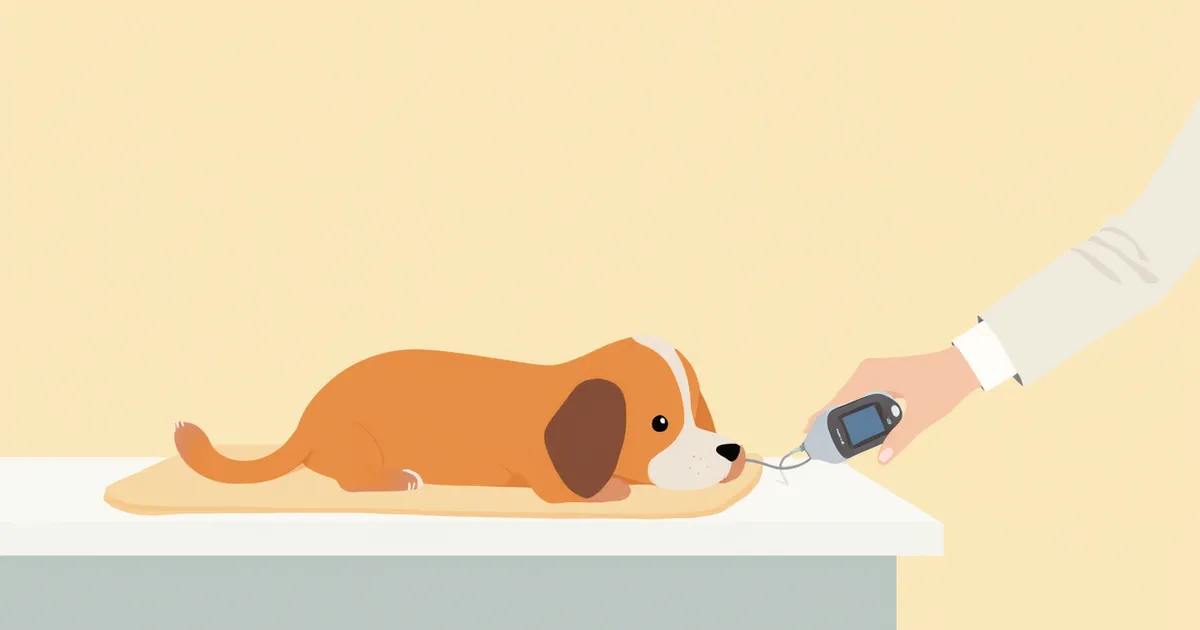
A young large-breed dog lying on a blanket with its neck stiffly arched
Steroid-responsive meningitis-arteritis (SRMA) is an immune-mediated disease that causes inflammation of the meninges—the membranes surrounding the brain and spinal cord—and the adjacent arteries in dogs. The most critical factor is rapid diagnosis. If your dog has a stiff neck, is vocalizing in pain, and has a high fever, seek veterinary care immediately for cerebrospinal fluid analysis. While most cases respond well to steroid therapy, delayed treatment can lead to relapse and permanent neurological damage.

Causes and At-Risk Breeds

The exact cause remains unknown, but it is believed to be an autoimmune reaction in which the dog’s immune system mistakenly attacks its own meninges and arteries. This condition primarily affects young dogs under 2.5 years of age. Breeds at higher risk include Beagles, Boxers, Bernese Mountain Dogs, and Nova Scotia Duck Tolling Retrievers. It is very rare in cats and occurs almost exclusively in dogs. To date, no direct link has been established with vaccinations or specific environmental factors, and because it is an autoimmune disorder, it is not contagious to humans.

Acute vs. Chronic Forms

ItemAcute form (typical)Persistent form (recurrent·chronic)
Main symptomsSevere neck pain, fever, lethargyRepeated mild neck pain, accompanied by neurological signs
Age of onsetUnder 2.5 yearsRecurrence several months after initial treatment
Treatment responseRapid improvement with steroidsOften requires addition of immunosuppressants
PrognosisVery good with early treatmentRequires long-term management; recurrence management is key

The acute form responds quickly to steroids, but the recurrent·chronic form often requires the addition of immunosuppressants.

How Is Diagnosis Made?

Blood tests typically show an elevated white blood cell count and increased C-reactive protein (CRP) levels. A definitive diagnosis is made through cerebrospinal fluid (CSF) analysis; the presence of a large number of neutrophilic inflammatory cells is nearly diagnostic. Magnetic resonance imaging (MRI) is performed when neurological deficits are present to rule out other conditions such as intervertebral disc herniation or brain tumors, as SRMA itself usually does not show specific abnormalities on MRI. To differentiate from infectious meningitis, it is standard practice to conduct culture and infectious disease testing to rule out an infectious cause before initiating treatment.
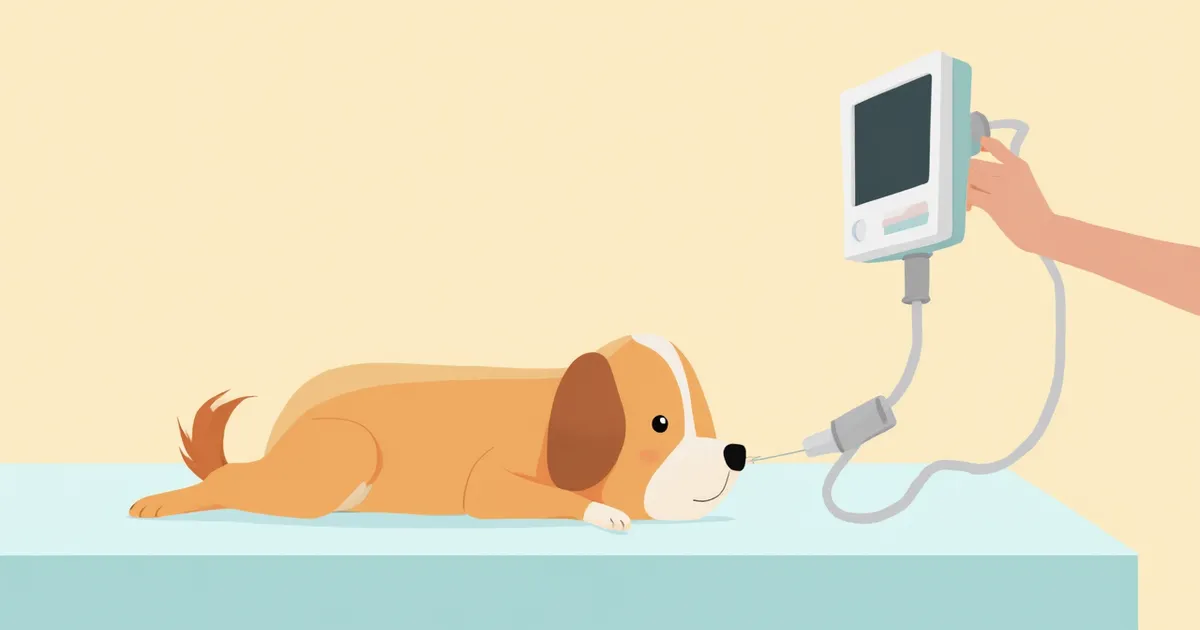
A veterinarian analyzing MRI scan images on a monitor

Seek Immediate Veterinary Care If You See These Signs

Seek emergency veterinary care immediately if your dog suddenly cannot turn its neck and whimpers with its head lowered, if a fever is detected, or if it stumbles while walking or experiences stiff limbs. This is especially urgent for young dogs that exhibit severe, unexplained pain accompanied by a sudden loss of appetite. Without proper treatment, the inflammation can progress, leading to nerve damage and permanent sequelae; the prognosis worsens further when neurological symptoms are present.

Treatment: Duration and Protocol
The primary treatment is immunosuppressive doses of steroids, specifically prednisolone. Therapy begins with a high initial dose, which is gradually tapered once symptoms subside. The dosage and tapering schedule are determined by the veterinarian based on the patient’s weight and clinical response. Literature generally recommends completing treatment by slowly reducing the dose over a period of six months. Abrupt discontinuation significantly increases the risk of relapse. If steroid side effects are severe or the response is inadequate, additional immunosuppressants such as cyclosporine, azathioprine, or mycophenolate may be added. With adequate early treatment, a generally favorable prognosis can be expected.
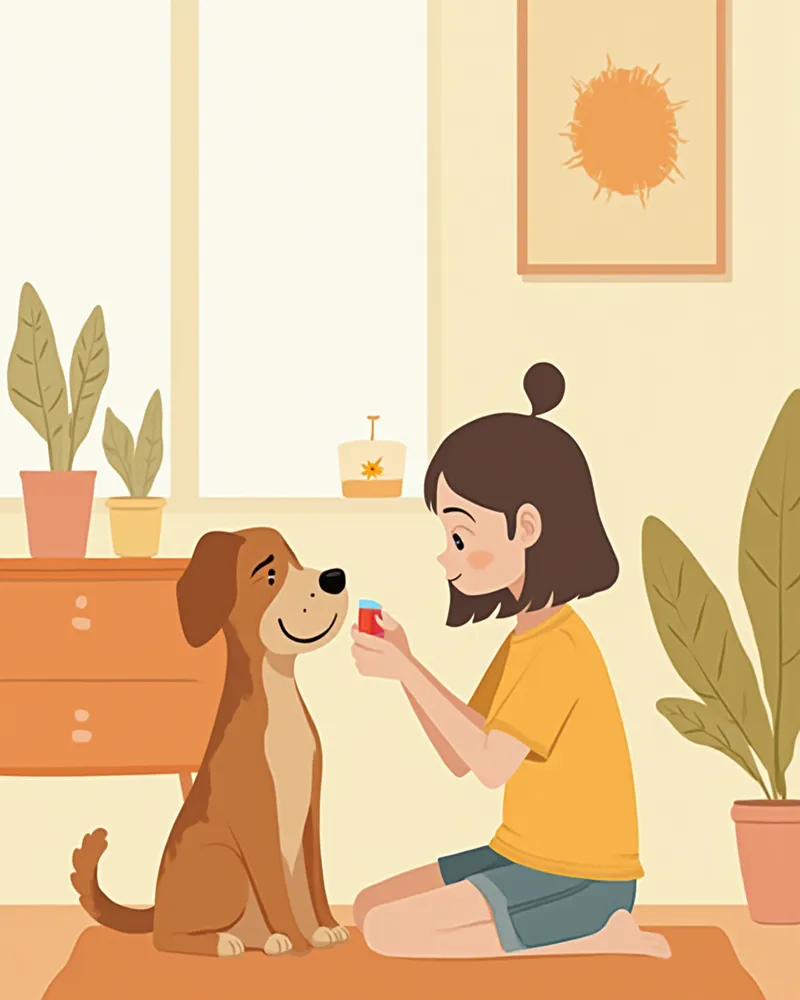
A pet owner carefully administering oral medication to their dog at home

Essential Home Care Tips

- Don’t skip doses: Stopping steroids abruptly increases the risk of relapse, so don’t discontinue them without your veterinarian’s guidance. - Monitor water and food intake: Increased thirst and frequent urination are normal side effects of steroid therapy. - Watch for infections: A suppressed immune system makes your pet more susceptible to skin and bladder infections. - Monitor for rapid weight gain: A surge in appetite can lead to quick weight gain, which puts extra strain on the joints. - Regular blood tests: Monitoring CRP levels helps detect early signs of relapse. However, even if CRP levels are normal, relapse cannot be completely ruled out, so carefully watch for clinical symptoms such as neck pain and fever.

Breed-Specific Precautions

Beagles are one of the breeds prone to recurrence, so it’s important to monitor clinical signs (neck pain, fever) and CRP levels together even after treatment ends. However, since a normal CRP level doesn’t completely rule out relapse, don’t skip regular clinical check-ups. For large breeds like Bernese Mountain Dogs and Boxers, long-term steroid use can increase joint stress, so be sure to manage their weight and provide non-slip mats. Since the disease often develops at a young age, always consult your veterinarian before scheduling neutering or other surgeries.

Reviewed by a veterinarian

Dr. Tony — Punnawat Phongkittirak

Dr. Tony — Punnawat Phongkittirak

Veterinarian

A veterinarian who majored in veterinary medicine at Khon Kaen University, Thailand, and completed the IVSA program at North Carolina State University in the United States. Drawing on clinical experience at animal hospitals, he works in the pet healthcare field and is dedicated to building a digital care environment that connects pet parents with veterinarians.

Frequently Asked Questions

Can SRMA be completely cured?
This condition generally has a good prognosis. With adequate initial treatment using steroids followed by a gradual tapering of the dose, many pets can achieve full recovery. However, if the prescribed treatment duration is not strictly followed, the condition may recur. Even in cases of recurrence, it can be managed effectively, for example, by adding immunosuppressive medications.
Could the vaccination be the cause?
To date, no direct link has been established between SRMA and specific environmental factors, including vaccinations. Since SRMA is believed to result from an autoimmune response, the benefits of vaccination far outweigh the risks. Therefore, do not discontinue vaccinations on your own; instead, consult your veterinarian to adjust the schedule safely.
What is the recurrence rate?
Relapses can occur in some cases even after treatment is completed. Stopping steroids too abruptly or adjusting the dosage without veterinary guidance increases the risk of relapse, so it is important to continue treatment for the full duration as directed by your veterinarian. To monitor for relapse, it is essential to regularly track both CRP levels and changes in clinical symptoms.
Is this condition exclusive to young large-breed dogs?
It most commonly affects young dogs under 2.5 years of age. The condition is more frequently reported in certain breeds, including Beagles, Boxers, Bernese Mountain Dogs, and Nova Scotia Duck Tolling Retrievers. It is very rare in cats and occurs almost exclusively in dogs.
Is it not transmitted to humans?
Since this condition arises from an autoimmune response, it is not contagious. To distinguish it from infectious meningitis, a culture test is performed as part of the diagnostic process, so you can rest assured and continue caring for your pet.

Share

Related Guides

References

[1] Tipold A, Schatzberg SJ. An update on steroid responsive meningitis-arteritis. Journal of Small Animal Practice, 2010

[2] Lowrie M, Penderis J, McLaughlin M et al. Steroid Responsive Meningitis-Arteritis: A Prospective Study of Potential Disease Markers. Journal of Veterinary Internal Medicine, 2009

[3] Platt SR, Olby NJ. BSAVA Manual of Canine and Feline Neurology, 4th Ed, Chapter: Inflammatory CNS Diseases

This information is based on veterinary literature and does not replace diagnosis or treatment. Please consult a veterinarian for specific health concerns.

Metapet Co., Ltd. | CEO: Park Sung-yong | Business Reg. No. 417-88-02562 | Seoul, South Korea | Customer Center

SRMA in Dogs: Symptoms and Treatment of Meningoarteritis | Meongsiljang