Like
Share
멍실장
강아지 당뇨병 초기 증상 — 다음·다뇨·체중감소 체크 가이드

Early Signs of Canine Diabetes — Guide to Checking for Polydipsia, Polyuria, and Weight Loss

EndocrineQ&AMeongsiljang Veterinary Advisory Board

We’ve put together a guide on how pet owners can monitor the most common early signs of diabetes in dogs—excessive thirst, frequent urination, and weight loss—at home, along with clear guidelines on when to visit the vet.

What Is Canine Diabetes? A Quick Overview of Early Symptoms

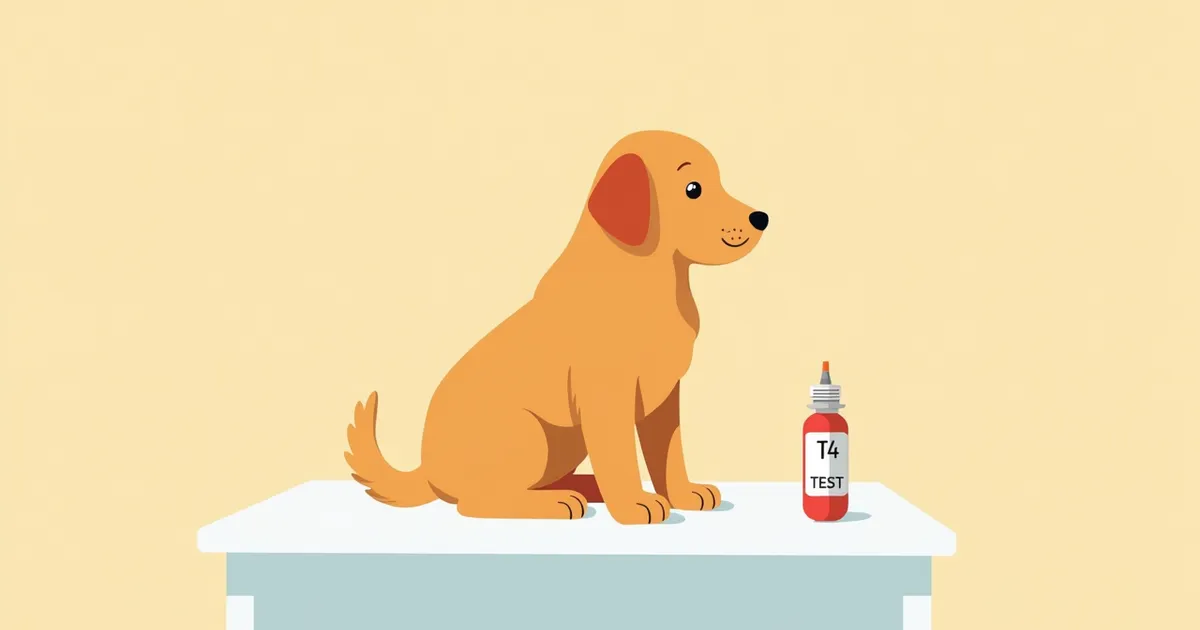
An elderly Cocker Spaniel puppy that frequently seeks water
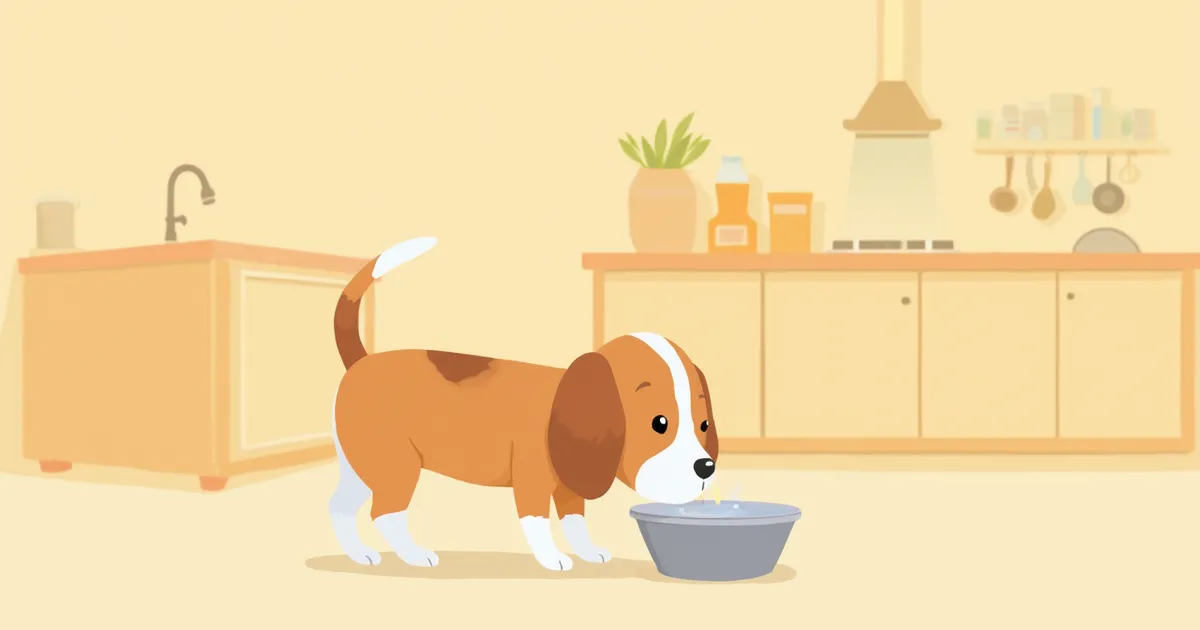
Canine diabetes is an endocrine disorder in which insufficient insulin production or impaired insulin action causes abnormally high blood sugar levels. The most critical factor is early detection. If your dog drinks significantly more water than usual (polydipsia), urinates more frequently and in larger volumes (polyuria), and experiences increased appetite (polyphagia) alongside weight loss for more than one to two weeks, these signs should raise suspicion of diabetes rather than being dismissed as a simple change in condition. These four symptoms—polydipsia, polyuria, polyphagia, and weight loss—are recognized in veterinary textbooks as the classic clinical signs of diabetes. The condition is more common in middle-aged and senior dogs, and unspayed females are known to be at relatively higher risk.

Why Do Polydipsia, Polyuria, and Weight Loss Occur Together?

There’s a clear reason why the three classic symptoms of canine diabetes tend to appear together. When insulin doesn’t work properly, glucose can’t enter the cells and instead builds up in the bloodstream. The kidneys try to flush out the excess glucose through urine, pulling water along with it (polyuria). As the body loses fluids, your dog feels thirsty and drinks more water (polydipsia). Meanwhile, because cells are starved for energy, the body starts breaking down muscle and fat for fuel. This leads to a paradoxical situation where appetite increases, but weight is lost.

Normal vs. Suspected Diabetes — Metrics for Owners to Check at Home

ItemNormal rangeSuspected diabetes
Daily water intake (per 1 kg body weight)Less than 90 ml (usually 50–60 ml)90 ml or more
Daily urine output (per 1 kg body weight)Less than 45 ml (usually 20–40 ml)45 ml or more
Weight change (1 month)Within ±2%Decreasing despite eating well
AppetiteConsistentIncreased but losing weight
EnergySimilar to usualTires easily and lethargic

By textbook standards, PU/PD in dogs is when water intake exceeds 90 ml/kg per day and urine exceeds 45 ml/kg. The figures are for reference; 'change compared to baseline' is more important than absolute values.

7 Early Signs You Must Check

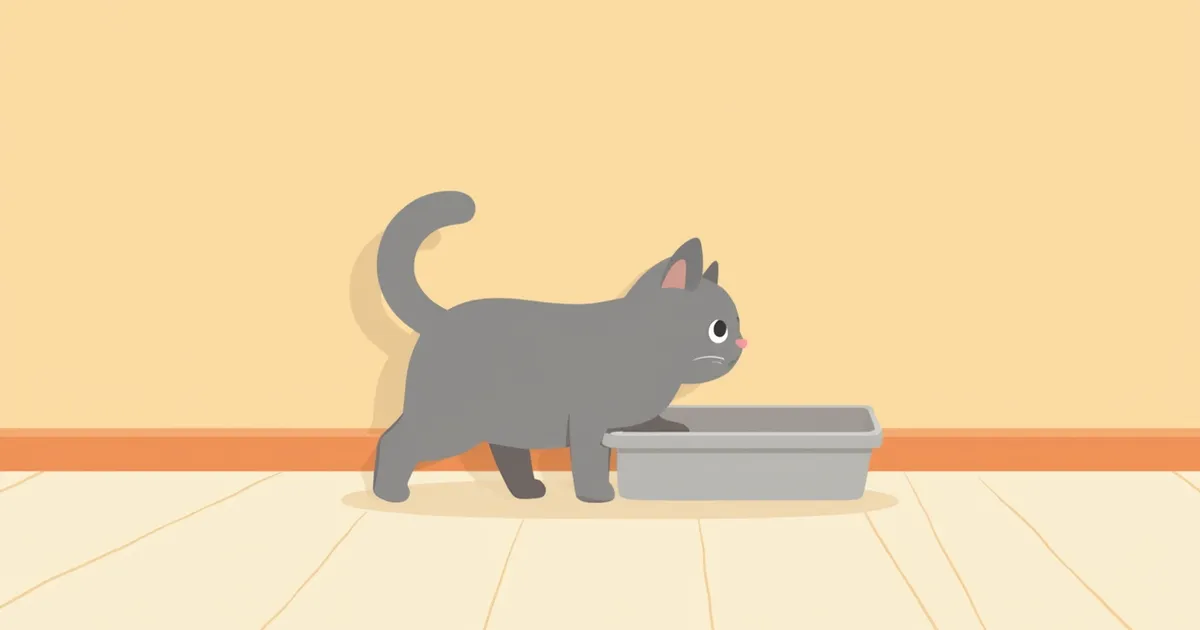
Consider having your pet tested for diabetes if you notice any of the following signs: - Polydipsia (excessive thirst): Needing to refill the water bowl more than twice a day - Polyuria (excessive urination): Increased frequency of urinary accidents during walks or inside the home - Weight loss: Significant weight loss despite a good appetite, to the point where the ribs and spine are easily felt - Polyphagia (increased appetite): Begging for food more frequently - Lethargy: Reluctance to go on long walks and panting easily - Dull coat: Dandruff, dry and brittle fur, and slow-healing skin wounds - Progression of cataracts: Rapid clouding of the lenses in both eyes
Illustration of a dog’s eye with progressing cataracts

When to Visit the Vet Immediately

If your pet shows vomiting, complete loss of appetite, labored breathing, a fruity (acetone) odor on the breath, or decreased consciousness—alongside polyuria, polydipsia, and weight loss—suspect diabetic ketoacidosis. This is a medical emergency. Seek immediate care at a 24-hour veterinary hospital for intravenous fluid therapy and insulin treatment. Delaying care can be life-threatening.

What Tests Will Be Performed at the Vet?
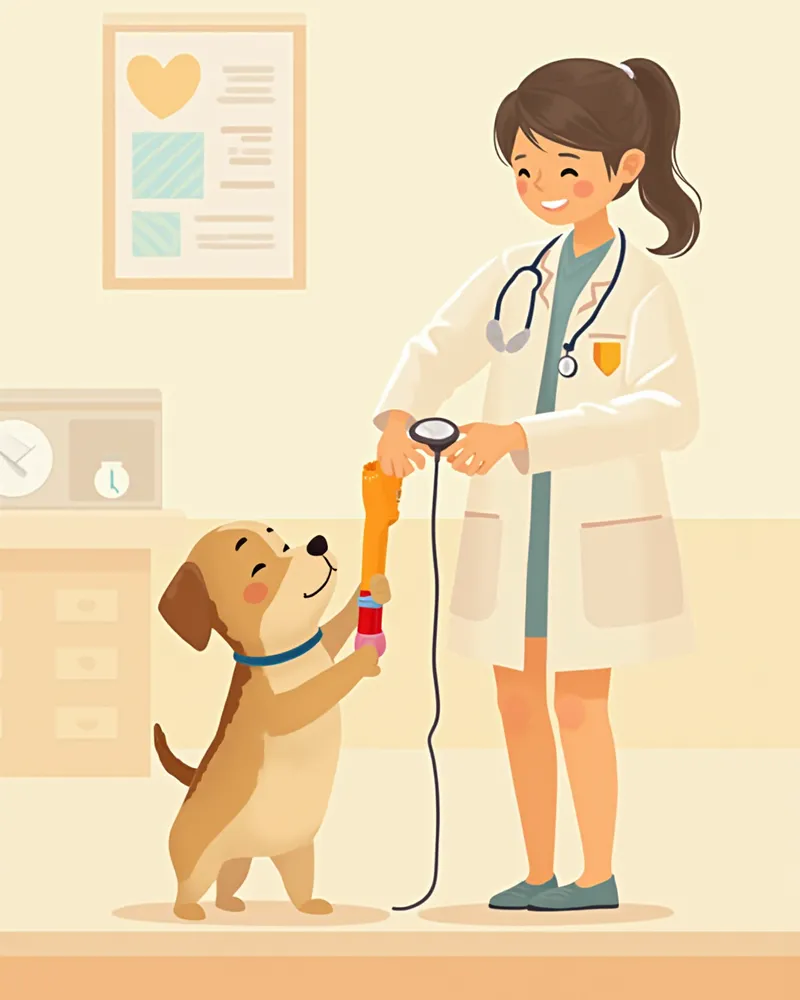
Diagnosing diabetes isn’t as simple as taking a single blood sugar reading. Veterinarians typically perform a combination of tests, including fasting blood glucose, urinalysis (checking for glucose, ketones, and specific gravity), and a fructosamine test to assess average blood sugar levels over time. This comprehensive approach helps distinguish true diabetes from stress-induced hyperglycemia. To check for underlying conditions, vets often also run blood chemistry panels, pancreatic enzyme tests, thyroid hormone assays, and adrenal function tests. The entire diagnostic process usually takes about half a day.
A veterinarian performing a blood draw on a puppy

After a Diabetes Diagnosis — Management via Insulin, Diet, and Exercise

Most dogs with diabetes require lifelong insulin injections. Insulin is typically administered subcutaneously one to two times daily, immediately after meals, with the dosage adjusted by your veterinarian based on your dog’s weight and blood glucose response. A diet of low-glycemic-index, high-fiber dog food is essential, and it is crucial to feed the same amount at the same time every day. Light exercise, such as walking, should also be maintained at a consistent time and intensity each day to help stabilize blood sugar levels. The first two to three months are a critical period for frequent veterinary visits to fine-tune the insulin dosage.

Hypoglycemia Signs Owners Should Know

The most dangerous emergency for a dog receiving insulin injections is not high blood sugar, but low blood sugar (hypoglycemia). If you notice trembling, stumbling, sudden lethargy, a dazed expression, or seizures, immediately apply honey or syrup to the gums and head to the vet. This condition often occurs when a dog skips a meal after an insulin injection or exercises more than usual. Make it a habit to carry a small tube of honey when going out.

Reviewed by a veterinarian

Dr. Tony — Punnawat Phongkittirak

Dr. Tony — Punnawat Phongkittirak

Veterinarian

A veterinarian who majored in veterinary medicine at Khon Kaen University, Thailand, and completed the IVSA program at North Carolina State University in the United States. Drawing on clinical experience at animal hospitals, he works in the pet healthcare field and is dedicated to building a digital care environment that connects pet parents with veterinarians.

Frequently Asked Questions

Can diabetes in dogs be cured?
Most dogs with diabetes have type 1 (insulin-dependent) diabetes, which requires lifelong management. However, with early detection and proper management through insulin therapy, diet, and exercise, they can maintain a near-normal lifespan and quality of life.
Does drinking a lot of water always mean diabetes?
Not necessarily. Cushing's disease, kidney failure, pyometra, and hot weather can all increase water intake. That's why diabetes should be suspected and tested for when excessive thirst, frequent urination, and weight loss occur together for more than 1–2 weeks.
Can I measure my pet’s blood sugar at home?
Yes, it is possible if you use a **glucose meter designed specifically for pets**, not one intended for humans. However, it is best to first learn from your veterinarian where to draw the blood (such as the edge of the ear or the paw pad) and when to take readings (before insulin injections or after meals). Keep a record of these measurements and bring them to your veterinary visits.
Which dogs are more prone to diabetes?
The condition is more common in dogs aged seven and older, intact females, overweight dogs, and certain breeds such as Poodles, Dachshunds, Miniature Schnauzers, and Samoyeds. Dogs with a history of chronic pancreatitis are also at increased risk.
Do I have to switch to a prescription diet?
Ideally, a diabetic prescription diet (high-fiber, low-glycemic index) is recommended. However, since some pets may refuse it due to decreased appetite, a compromise of supplementing regular food with fiber after consulting your veterinarian is sometimes used. The most important thing is to feed the same amount at the same time every day.

Share

Related Guides

References

[1] Notes on Canine Internal Medicine, 4th Ed — Diabetes Mellitus chapter

[2] Clinical Medicine of the Dog and Cat, 4th Ed — Endocrine Disorders

[3] The Dog Care Handbook — Practical Home Nursing of Your Dog

This information is based on veterinary literature and does not replace diagnosis or treatment. Please consult a veterinarian for specific health concerns.

Metapet Co., Ltd. | CEO: Park Sung-yong | Business Reg. No. 417-88-02562 | Seoul, South Korea | Customer Center

Early Signs of Canine Diabetes: Thirst, Urination & Weight Loss | Meongsiljang