Like
Share
멍실장
강아지 자가면역 다발관절염 증상과 치료 완벽 정리

Complete Guide to Canine Autoimmune Polyarthritis: Symptoms and Treatment

JointQ&AMeongsiljang Veterinary Advisory Board

Canine polyarthritis is an autoimmune disease in which the immune system attacks multiple joints, causing inflammation. Early diagnosis and immunosuppressive therapy are key to managing the condition.

What is Canine Polyarthritis?
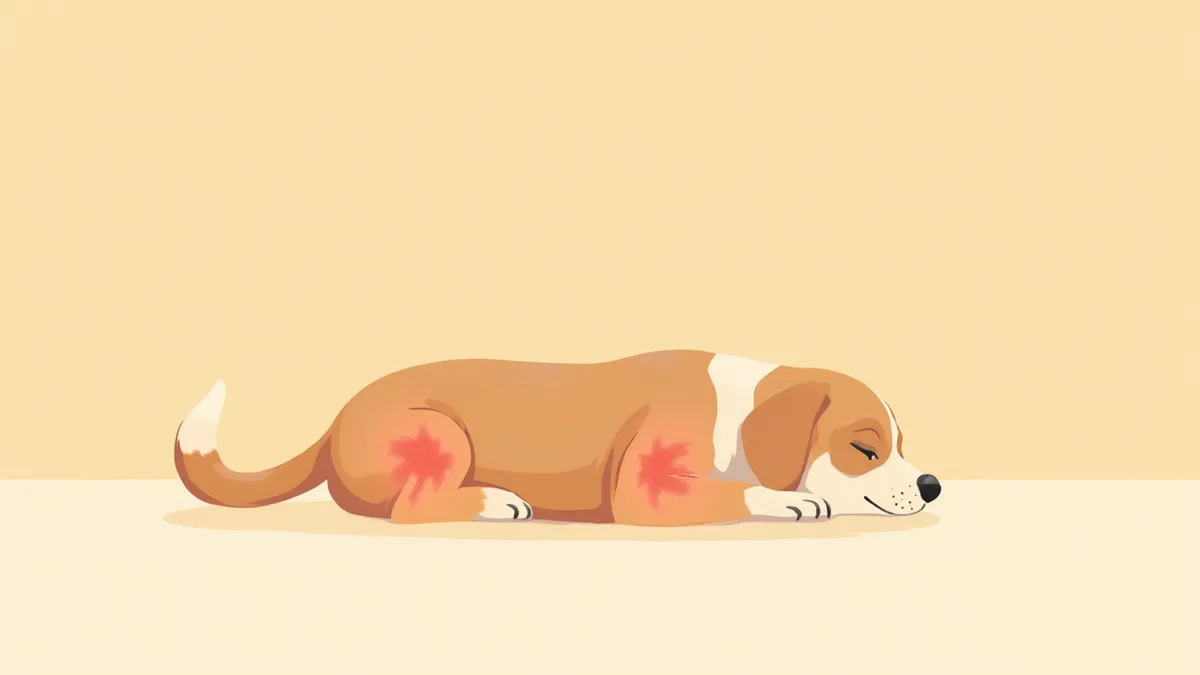
An illustration of a puppy with inflammation in multiple joints
Canine polyarthritis is an autoimmune disease in which the immune system mistakenly attacks the dog’s own joints, causing simultaneous inflammation in two or more joints. Early diagnosis is crucial. Using pain relievers without identifying the underlying cause can lead to rapid joint damage. If your dog has a fever and alternates limping on different legs, it’s best to have them examined by a veterinarian within 24 hours.

What Causes It?

Polyarthritis occurs when the immune system malfunctions and attacks the synovium, the thin membrane that lines the joints. It is broadly categorized into two types: the first is idiopathic immune-mediated polyarthritis, which has no underlying disease, and the second is reactive polyarthritis, triggered by other factors such as infections, medications, or tumors. According to veterinary pathology textbooks, immune-mediated polyarthritis is commonly idiopathic, often arising without a clear underlying cause.

Comparison of Joint Inflammation Types

We’ve outlined the main categories veterinarians use to determine treatment plans. Since each category requires a different therapeutic approach, accurate classification is essential.

Characteristics by Polyarthritis Type

ItemIdiopathic immune-mediatedReactive infection-associatedSLE-associated
CauseUnknown causeInfection·drugs·tumorSystemic autoimmune disease
Main age of onsetOccurs at various agesAll agesOccurs at various ages
Basic treatmentImmunosuppressantsTreatment of the underlying disease + anti-inflammatoryImmunosuppressants + systemic management
PrognosisGenerally good (long-term management needed)Good once the cause is removedCaution when accompanied by multiple organ damage

General classification based on the veterinary internal medicine textbook. Individual diagnosis requires veterinary judgment.

Suspect Polyarthritis If You See These Symptoms

Polyarthritis often involves systemic symptoms in addition to joint issues. Check for the following signs: - Shifting-leg lameness: The affected limb changes, such as limping on the front legs one day and the hind legs the next. - Stiffness: Difficulty getting up in the morning or awkwardness in the first few steps. - Recurrent fever: Fever that returns even after being reduced with antipyretics. - Decreased appetite: Refusal of usual favorite treats. - Joint swelling: Swelling and warmth, particularly in the ankles and knees, when touched.
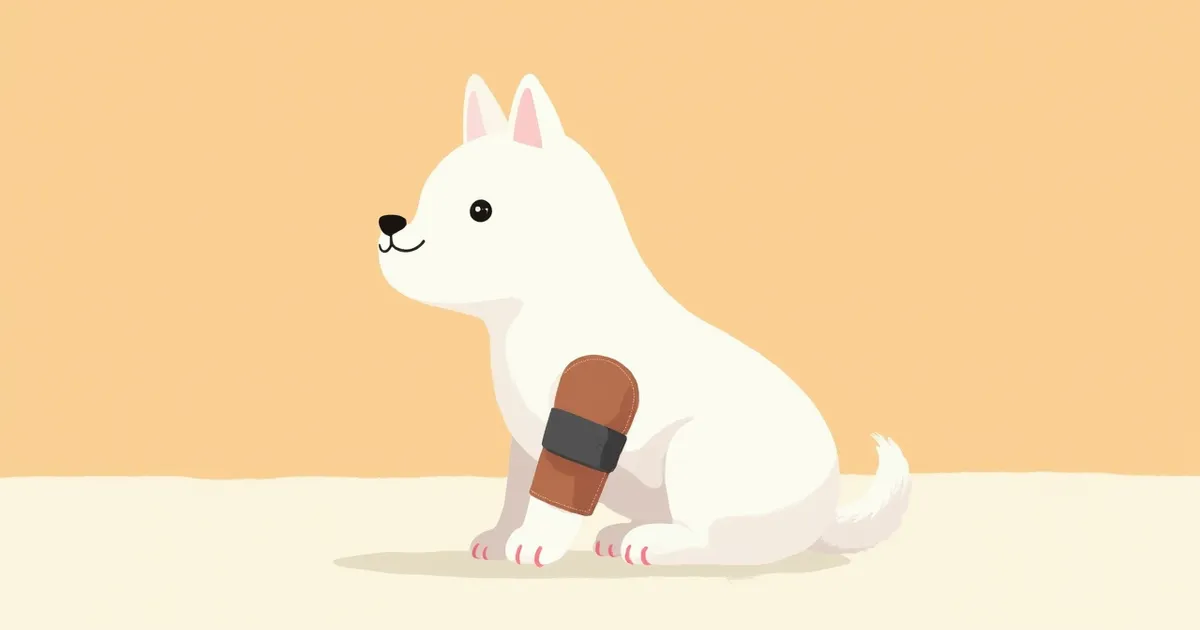
A veterinarian examining a puppy's ankle joint.

When to Seek Immediate Veterinary Care

If your pet has a persistent fever, limps on multiple legs, refuses food for more than 24 hours, or shows a sudden decrease in activity, emergency veterinary care is necessary. Joint damage can progress rapidly, and it can be difficult to distinguish from systemic infection, so blood tests and joint fluid analysis should be performed promptly.

How Is It Diagnosed?

The cornerstone of diagnosing polyarthritis is synovial fluid analysis. Blood tests alone are often insufficient for a definitive diagnosis. - Blood tests: Assess systemic inflammatory response and white blood cell counts (elevated or decreased) - Synovial fluid aspiration: Analyze cellular components from small fluid samples drawn from multiple joints - Radiography: Evaluate joint destruction (note that early-stage cases may appear normal) - Infection screening: Rule out bacterial or tick-borne diseases If synovial fluid analysis reveals abnormally high neutrophil counts and bacterial infection is ruled out, immune-mediated polyarthritis is highly likely. Since neutrophilia can also occur with infection, it is crucial to confirm that the fluid is sterile.
A puppy undergoing a joint fluid test

How Is Treatment Conducted?

The cornerstone of treatment is modulating the immune response. Your veterinarian will determine the appropriate medication type and dosage based on your pet’s weight and the severity of symptoms. - Primary treatment: Begin with high-dose steroids (glucocorticoids), then gradually taper the dose. - Adjunctive therapy: If the response is insufficient or if your pet cannot tolerate steroids, cytotoxic or immunosuppressive adjunctive medications may be added. - Symptomatic treatment: Pain management, gentle walks, and weight control. - Infection-associated cases: If an underlying infectious cause, such as a tick-borne disease, is suspected, that primary infection must be treated first. The time it takes to see a therapeutic response varies among individuals. Even after symptoms improve, medication tapering must proceed slowly over several months. Because relapse is common if treatment is discontinued prematurely, it is essential to strictly follow your veterinarian’s tapering schedule.

How to Manage at Home

Dogs undergoing treatment need an environment that minimizes stress on their joints and reduces the risk of infection. - Non-slip mats: Place them in living areas and hallways to cushion joint impact. - Weight management: Even a 1 kg gain can significantly increase the burden on your dog’s joints. - Gentle walks: Keep walks short and frequent on flat ground; avoid jumping and stairs for now. - Hygiene: Immunosuppressive medications make your dog more susceptible to infections, so a clean environment is essential. - Regular check-ups: Return every 4–8 weeks to monitor liver and kidney function.
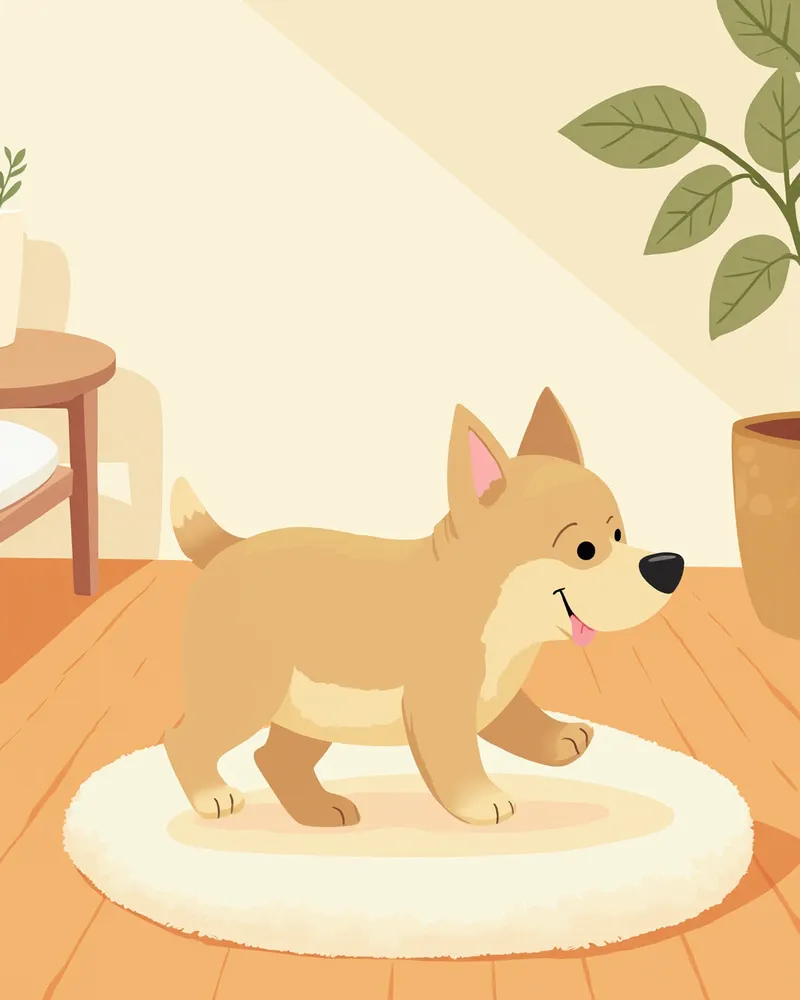
A puppy walking on a non-slip mat

Never Stop Medication Abruptly

Stopping steroids or immunosuppressants abruptly, even if symptoms have improved, carries a high risk of relapse and can trigger a more severe inflammatory response. Always taper the medication gradually according to the schedule provided by your veterinarian. If you miss a dose, do not double up on your own; contact your veterinary clinic for guidance instead.

Reviewed by a veterinarian

Dr. Tony — Punnawat Phongkittirak

Dr. Tony — Punnawat Phongkittirak

Veterinarian

A veterinarian who majored in veterinary medicine at Khon Kaen University, Thailand, and completed the IVSA program at North Carolina State University in the United States. Drawing on clinical experience at animal hospitals, he works in the pet healthcare field and is dedicated to building a digital care environment that connects pet parents with veterinarians.

Frequently Asked Questions

Is polyarthritis curable?
Idiopathic immune-mediated arthritis is managed with the goal of achieving remission—a stable state where symptoms are absent—rather than a complete cure. Because relapses are common if treatment is stopped, some patients may require long-term maintenance therapy at low doses. While it is possible to discontinue medication after remission is achieved, the likelihood of this varies significantly from patient to patient, so it is important to discuss your pet’s specific situation thoroughly with your veterinarian.
Does it occur more frequently in certain breeds?
Veterinary literature reports breed-associated polyarthritis in certain breeds, such as the Akita and Greyhound. However, this condition can occur in any breed, and it is not uncommon even in small-breed dogs.
Is it related to vaccination?
In some cases, symptoms have been reported to begin shortly after recent vaccination. For dogs already diagnosed with polyarthritis, vaccination schedules should be adjusted in consultation with your veterinarian.
Can joint supplements help?
While it doesn’t directly reduce autoimmune inflammation, you can use supplements containing cartilage-supporting ingredients like glucosamine and chondroitin for joint protection, after consulting with your veterinarian. However, these supplements cannot replace prescribed medications.
How can I tell if my pet is showing signs of a relapse?
If low-grade fever, shifting lameness, or morning stiffness reappear, there’s a chance of recurrence. Keeping a brief symptom log can be very helpful during follow-up visits.

Share

Related Guides

References

[1] Textbook of Veterinary Internal Medicine, 8th Edition, Chapter on Immune-Mediated Polyarthritis

[2] Textbook of Veterinary Orthopaedic Surgery, Chapter 12 Joint Diseases

[3] Stull JW et al., Immune-Mediated Polyarthritis in Dogs, Journal of Small Animal Practice, 2018

This information is based on veterinary literature and does not replace diagnosis or treatment. Please consult a veterinarian for specific health concerns.

Metapet Co., Ltd. | CEO: Park Sung-yong | Business Reg. No. 417-88-02562 | Seoul, South Korea | Customer Center

Canine Autoimmune Polyarthritis: Symptoms and Treatment | Meongsiljang