
Like
Share
멍실장
강아지 기생충 인수공통 감염 위험 자주 묻는 질문 Q&A — 보호자가 꼭 알아야 할 핵심

Dog Parasite Zoonotic Infection Risks FAQ — Key Points for Pet Owners

Infection/ParasitesQ&AMeongsiljang Veterinary Advisory Board

If your dog carries parasites, there is a risk of transmission to humans. Here’s a summary of the parasites to watch out for and how to prevent them.

What are the risks of zoonotic parasitic infections in dogs?

Close-up photo of a tick attached to a dog's neck
The risk of zoonotic parasitic infections in dogs refers to situations where parasites carried by dogs can be transmitted to humans. Zoonotic parasites are primarily spread to people through ingestion via the mouth, direct or indirect contact, or exposure to contaminated objects and environments. - External parasites such as ticks and mites: These can cause itching and skin reactions by coming into contact with or burrowing into the skin. - Fleas: These can be transmitted through direct contact with or bites from dogs, potentially causing itching and skin irritation. - Parasite eggs: These can be ingested through the hands or mouth via feces or contaminated soil and environments. Transmission routes include direct contact, contaminated environments, and ingestion, making thorough hygiene management essential.

What are the main parasites that can be transmitted to humans?
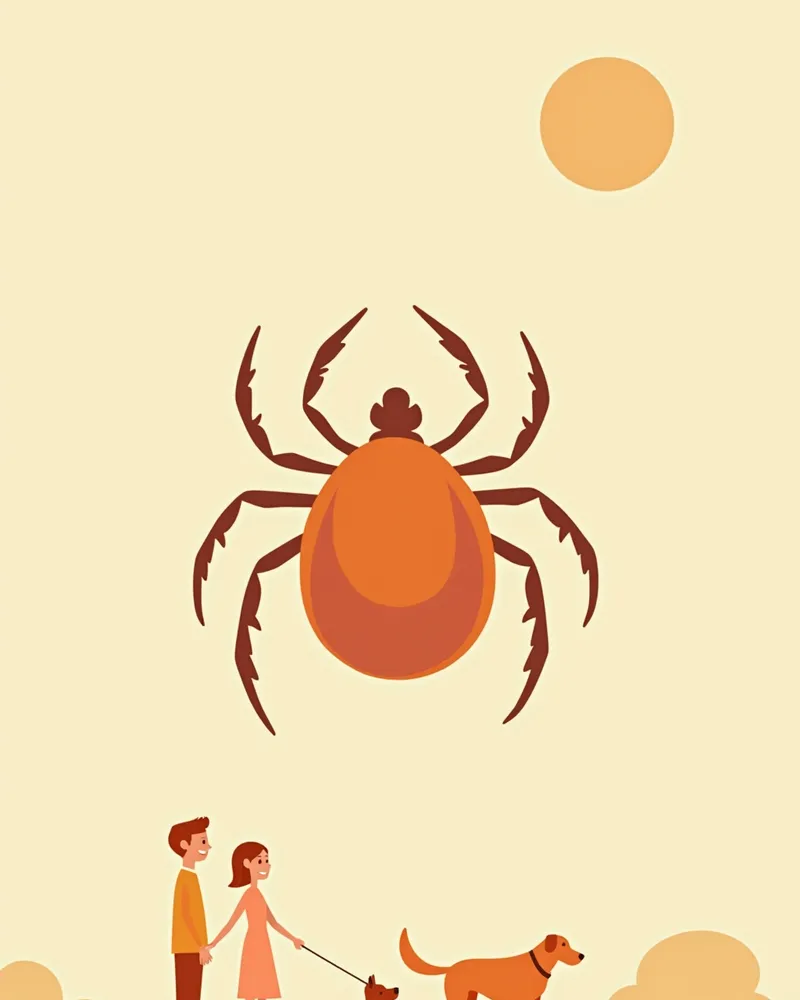
The main parasites that can be transmitted to humans include external parasites such as ticks and fleas, as well as internal parasites. In particular: - Internal parasites like roundworms and hookworms: Eggs and larvae can enter the human body through soil or environments contaminated with dog feces, potentially causing larva migrans, a condition where the larvae migrate through tissues. - Toxoplasma: The primary source of transmission is cat feces. Infection during pregnancy can affect the fetus, so pregnant women should take special care. - Parasite eggs: These can be ingested through the hands or mouth via contact with feces or contaminated environments. Transmission routes include direct contact, exposure to contaminated environments, and oral ingestion, making thorough hygiene essential in daily life.
An illustration showing how mites are transmitted between dogs and humans.

What are the main symptoms of zoonotic parasitic infections?
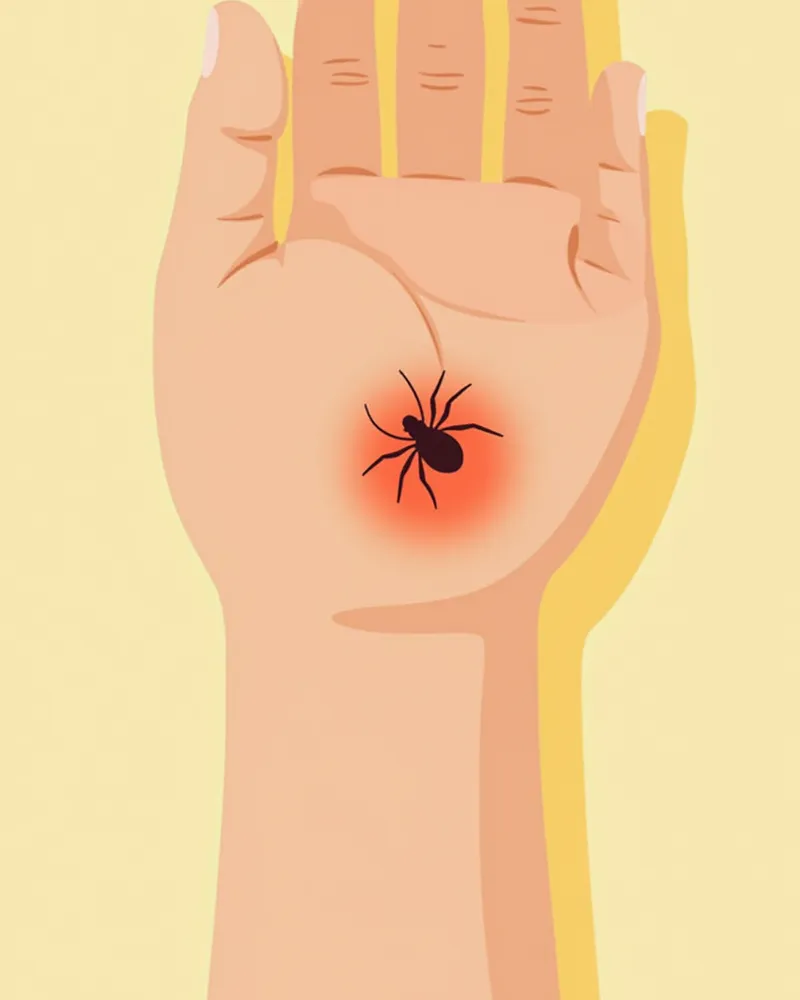
The main symptoms of zoonotic parasitic infections include skin rashes, itching, fever, lethargy, muscle aches, and fatigue. Some cases may also involve swelling of the lymph nodes throughout the body. In particular: - Skin changes at the bite site: A red nodule may develop at the site where a tick or similar parasite bit, becoming firm or darkening in color. This can be accompanied by fever and generalized lymph node swelling. - After ingesting parasite eggs: Symptoms such as abdominal pain, diarrhea, indigestion, and loss of appetite may occur. - Internal parasitic infection: Intestinal parasites can invade the intestinal lining, causing inflammation and chronic digestive issues. If left untreated, complications may arise. If symptoms appear, a medical visit is necessary.
Photo of red spots on the area bitten by a tick

Signs requiring immediate veterinary care

If your pet’s fever persists above 38°C (100.4°F), or if you notice a rapidly spreading skin rash, difficulty breathing, or decreased consciousness, seek veterinary care immediately. These symptoms may indicate a serious infection or poisoning. Pet owners should stay vigilant for these warning signs and act quickly.

Comparison of infection risks and symptoms by parasite type

ItemInfection RiskMain SymptomsTransmission Route
TicksHighSkin nodules/rash, fever, lymph node swellingSkin contact, bites
FleasModerateItching, rash, allergic reactionsDirect contact, bites
HookwormsHighAbdominal pain, anemia, cutaneous larva migransContact with contaminated soil, ingestion through the mouth
Sarcoptic mange mites (scabies)LowSevere itching, skin rashDirect contact

Infection risk can vary depending on the owner's degree of exposure and level of hygiene management.

Practical methods for prevention

To prevent zoonotic parasitic infections, regular parasite control is essential. - Regular deworming and testing: Use external parasite preventatives according to product instructions, and deworm for internal parasites regularly as recommended by your veterinarian, typically including fecal exams once or twice a year. Overuse can cause side effects, so always follow the product guidelines. - Waste disposal: Promptly pick up your dog’s feces and disinfect the area. - Environmental management: Regularly wash and disinfect play areas, beds, toys, and other items. - Hand hygiene: Always wash your hands after handling your dog, and use hand sanitizer. - Post-outing checks: When your dog returns home from outdoors, carefully inspect their fur, paws, and ears. Prevention is the most effective approach.
A photo of a pet owner applying a parasite preventive to their dog's neck.

Mistakes to avoid

Overusing parasite control products or mixing products intended for other dogs can actually lead to adverse side effects. Additionally, if you don’t check your puppy immediately after they come home from going outside, the risk of infection increases. As a pet owner, it’s essential to maintain regular care and thorough inspections.

Checklist for preventing parasitic infections

Here’s a checklist to help prevent parasitic infections. Be sure to verify whether you’re using parasite preventatives regularly, having your dog’s stool tested, properly disposing of feces, checking your dog after outdoor outings, washing your hands, and disinfecting the environment. Making all of these practices part of your daily routine can significantly reduce the risk of infection.
Parasite Preventatives: Apply topical treatments as directed and administer oral medications regularly according to your veterinarian’s recommendations.
Prompt Feces Disposal: Dispose of waste immediately to prevent contamination.
Post-Outing Checks: Inspect your dog for ticks and fleas after every outing.
Hand Washing: Always wash your hands after handling your dog.
Environmental Disinfection: Regularly disinfect areas such as play spaces, beds, and toys.
Illustration of a parasite prevention checklist

Reviewed by a veterinarian

Dr. Tony — Punnawat Phongkittirak

Dr. Tony — Punnawat Phongkittirak

Veterinarian

A veterinarian who majored in veterinary medicine at Khon Kaen University, Thailand, and completed the IVSA program at North Carolina State University in the United States. Drawing on clinical experience at animal hospitals, he works in the pet healthcare field and is dedicated to building a digital care environment that connects pet parents with veterinarians.

Frequently Asked Questions

If my dog was bitten by a tick, can humans also get infected?
Yes, ticks can also transmit diseases to humans. Bites may cause red nodules at the site, along with symptoms such as fever and swollen lymph nodes. If you suspect any of these symptoms, please visit a clinic.
Do I need to use parasite control products every day?
No, most products are designed for monthly use. Overuse can lead to side effects, so it’s important to follow the product instructions carefully.
Does storing your dog’s feces in the refrigerator reduce the risk of infection?
No, feces should be disposed of immediately. Even if stored in the refrigerator, parasite eggs can survive, making it more dangerous. It is safest to seal the waste securely in a plastic bag and dispose of it as regular trash right away.
If a puppy is infected with parasites, when do symptoms appear in humans?
Symptoms often appear after a certain period following infection. Early signs include fever, skin rash, lethargy, and swollen lymph nodes. Early detection is crucial, so please monitor your pet closely.
Does giving your puppy parasite prevention medication make them safer?
Yes, dewormers can help reduce intestinal parasite infections. However, it's important to avoid overuse and follow the dosage schedule recommended by your veterinarian for safety. Regular fecal exams are also recommended.

Share

Related Guides

References

[1] Clinical Medicine of the Dog and Cat, 4th Ed, 2021

[2] Small Animal Critical Care Medicine, 3rd Ed, 2020

[3] Notes on Canine Internal Medicine, 4th Ed, 2019

This information is based on veterinary literature and does not replace diagnosis or treatment. Please consult a veterinarian for specific health concerns.

Metapet Co., Ltd. | CEO: Park Sung-yong | Business Reg. No. 417-88-02562 | Seoul, South Korea | Customer Center

Dog Zoonotic Parasite Risks: A Pet Owner's FAQ Checklist | Meongsiljang