
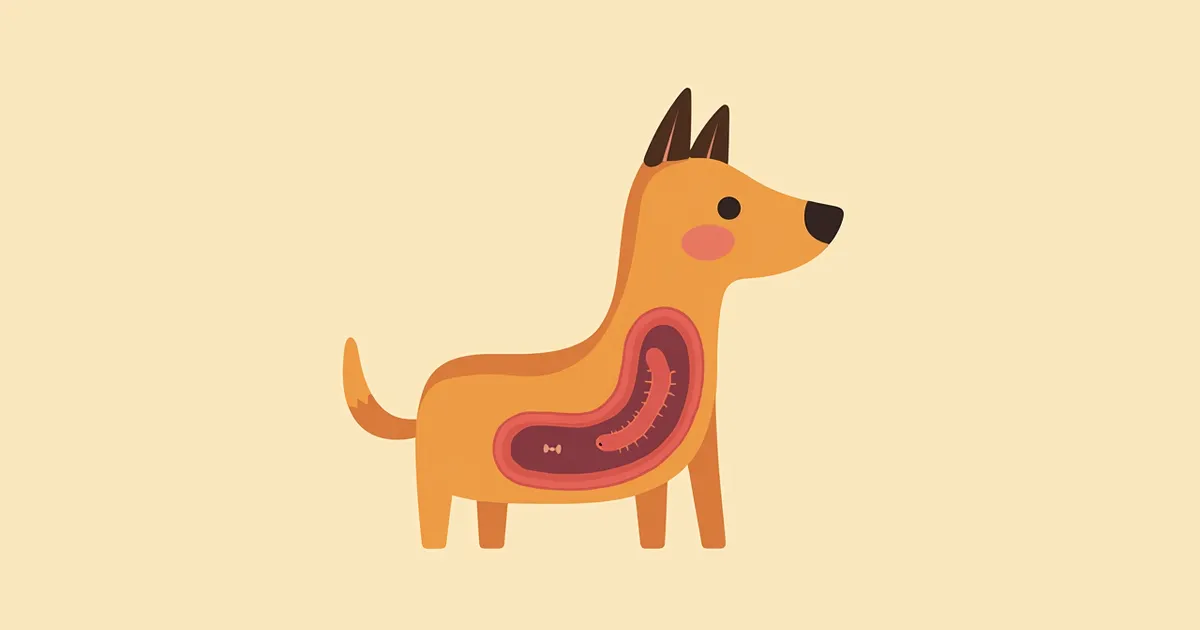
Puppy Whipworm (Whipworm) Frequently Asked Questions Q&A — Key Points Every Pet Owner Should Know
Whipworms are intestinal parasites that live in your dog’s small intestine and can cause enteritis. Here’s a clear overview of the symptoms, diagnosis, treatment, and prevention methods every pet owner should know.
What Are Puppy Whipworms (Whipworms)?

What Are the Main Causes of Whipworm Infection?
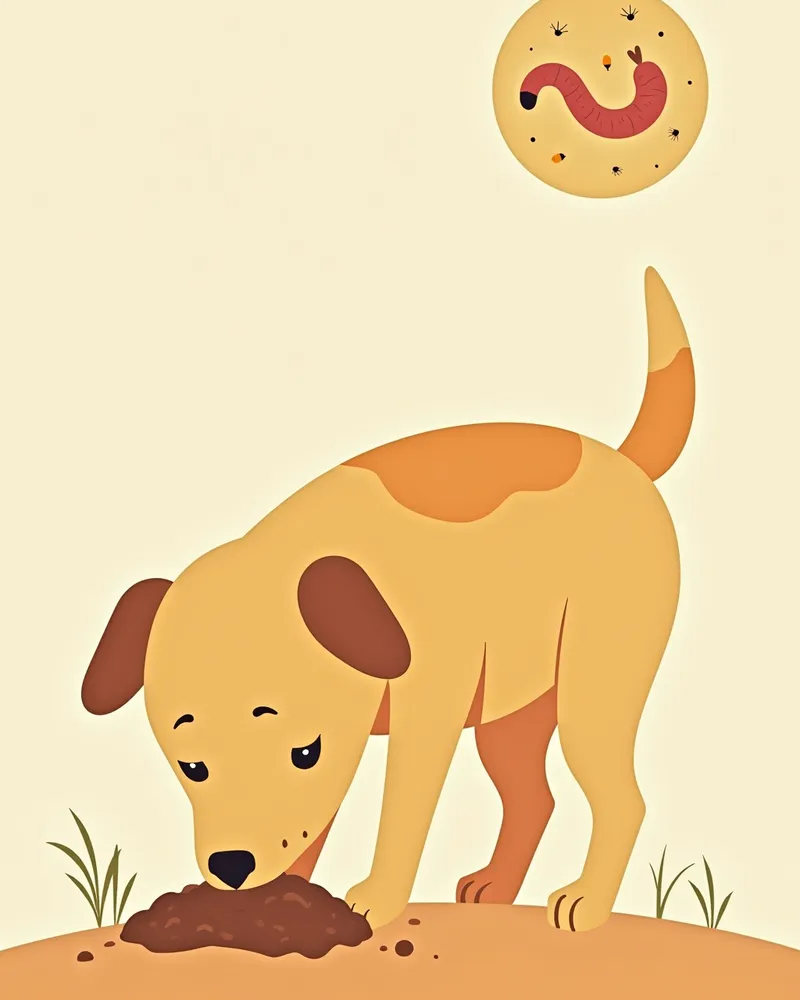
What Are the Main Symptoms of Whipworms in Dogs?

Signs Requiring Immediate Veterinary Visit
If your dog experiences severe diarrhea, blood in the stool, signs of anemia (such as pale lips or gums), or persistent weight loss, consult a veterinarian immediately. Whipworm infections can lead to chronic nutritional deficiencies, making early diagnosis and treatment essential.
How Is Whipworm Infection Diagnosed?

How Is Whipworm Treated?

Management Points for Whipworm Prevention
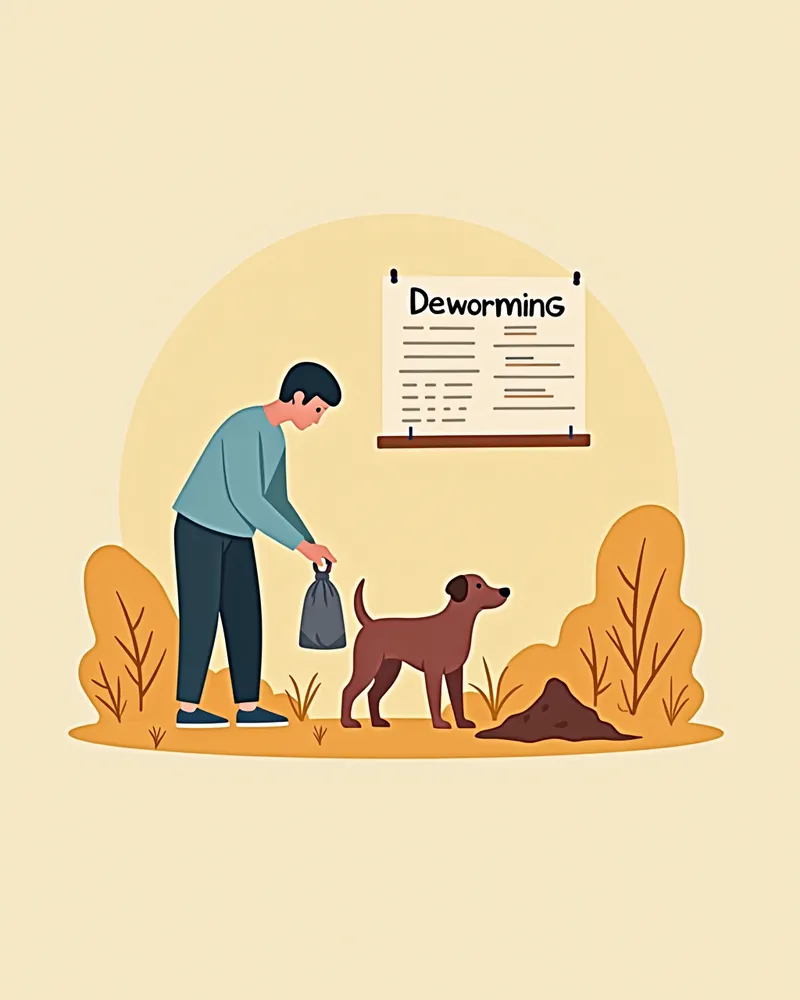
Symptoms and Response by Stage of Whipworm Infection
| Item | Main Symptoms | Management |
|---|---|---|
| Mild | Mild diarrhea, a little blood mixed in the stool | Regular deworming, enhanced environmental cleaning |
| Moderate | Persistent diarrhea, weight loss, signs of anemia | Veterinary examination, start deworming treatment, repeat fecal testing |
| Severe | Severe diarrhea, bloody stool, signs of shock | Visit the clinic immediately, intravenous fluids, strong deworming treatment |
If symptoms worsen, consult a veterinarian immediately.
Reviewed by a veterinarian

Dr. Tony — Punnawat Phongkittirak
VeterinarianA veterinarian who majored in veterinary medicine at Khon Kaen University, Thailand, and completed the IVSA program at North Carolina State University in the United States. Drawing on clinical experience at animal hospitals, he works in the pet healthcare field and is dedicated to building a digital care environment that connects pet parents with veterinarians.
Reviewed 2026-06-29
Frequently Asked Questions
Can whipworms in dogs be transmitted to humans?
How long can roundworm eggs survive?
Share
Related Guides

5 Flea and Tick Preventives for Cats Recommended by Veterinarians — Ingredient Safety Comparison

The Ultimate Guide to Differentiating Symptoms, Managing Internal Parasites in Dogs, and Choosing the Best Products

Best Practices and Selection Criteria for Dog Heartworm Antigen Testing

Causes of Nighttime Vocalization in Cats and How to Address Them
Dog Resource Guarding: Causes and Correction Methods
How to Manage Thunderstorm Phobia in Dogs?
How to Teach Your Puppy Sit, Stay, and Down — When Is the Best Time for Rewards?

What is Clicker Training for Dogs? — How to Start Properly from Timing to Rewards

Guide to Choosing Pet Toothpaste
Treatment for Periodontal Disease Stages 1–4
References
[1] Veterinary Parasitology, 5th Edition. Wiley-Blackwell, 2020.
[2] Plumb's Veterinary Drug Handbook, 9th Edition. Wiley-Blackwell, 2021.
[3] American Veterinary Medical Association. Canine Intestinal Parasites: Diagnosis and Management. AVMA Guidelines, 2022.